Cleaning cast iron grates on your gas stove requires a gentle touch and the right techniques to preserve their durable, non-stick seasoning. Avoid harsh scrubbers, dishwashers, and excessive soap, which strip the protective layer. Instead, use simple methods like scraping, boiling, or baking soda pastes for routine and deep cleaning, followed by proper seasoning to maintain their performance for years.
Key Takeaways
- Never put cast iron grates in the dishwasher. The extreme heat, harsh detergents, and prolonged water exposure will cause immediate and severe rusting by stripping away the essential seasoning.
- Clean grates while they are warm, not hot. After cooking, allow the grates to cool just enough to handle safely. Warmed grates release food debris much more easily than cold, stuck-on grime.
- Avoid steel wool and metal scrubbers. These abrasive tools will scratch the surface and destroy the smooth, polymerized seasoning layer, making the grates more susceptible to rust and food sticking.
- Seasoning is not optional; it’s essential maintenance. After cleaning, applying a thin layer of high-smoke-point oil and heating it creates a protective, non-stick barrier that prevents rust and improves cooking performance.
- For stubborn buildup, use gentle, acidic pastes like vinegar or a baking soda paste. These methods lift grime without harming the seasoning when used correctly and rinsed thoroughly.
- Daily maintenance is the easiest way to avoid tough cleaning jobs. A quick scrape and wipe-down after each use prevents grease and food particles from baking on and becoming a major project later.
- Prevent rust by ensuring grates are completely dry before storage. After washing, dry the grates thoroughly with a towel and place them back on a warm, turned-off burner for a few minutes to evaporate all residual moisture.
📑 Table of Contents
- Why Cast Iron Grates Need Special Care (It’s All About the Seasoning)
- The Golden Rules: What NEVER To Do With Cast Iron Grates
- Routine & Daily Maintenance: The 2-Minute After-Cook Clean
- Deep Cleaning Methods: Tackling Years of Buildup
- Seasoning: The Essential Follow-Up to Any Deep Clean
- Troubleshooting Common Problems
- Conclusion: A Lifetime of Great Cooking Starts with Care
Why Cast Iron Grates Need Special Care (It’s All About the Seasoning)
You’ve got a beautiful gas stove with those heavy, rugged cast iron grates. They feel solid, built to last a lifetime. But that very toughness comes with a secret vulnerability: their prized seasoning. Unlike stainless steel or enameled surfaces, cast iron is porous. It has tiny, invisible pores all over its surface. When you cook, oils and fats from your food work their way into these pores. Over time, with repeated heating, that oil undergoes a chemical change called polymerization. It transforms into a hard, smooth, slick, and dark layer—this is the famous “seasoning.”
This seasoning layer is your grate’s best friend. It provides a natural, chemical-free non-stick surface. It protects the bare iron from direct contact with water and oxygen, which is the primary cause of rust. When you scrub cast iron grates with harsh chemicals or abrasives, you’re not just cleaning off food; you’re potentially scrubbing away this precious, hard-earned seasoning. The goal of cleaning cast iron grates is to remove food debris and grease while preserving that polymerized oil film. Think of it as washing a fine wool sweater—you need to be effective but gentle.
The Enemy: Rust and the Rust Cycle
Rust is iron oxide, and it happens when bare iron meets water. Once the seasoning is compromised, rust can form quickly. The scary part? Rust begets more rust. A rusty spot is rough and uneven, which makes it even harder for seasoning to adhere to that spot, creating a cycle of deterioration. This is why proper drying and gentle cleaning are non-negotiable. Your entire cleaning philosophy should revolve around: Remove debris. Preserve seasoning. Eliminate moisture.
The Golden Rules: What NEVER To Do With Cast Iron Grates
Before we talk about what to do, let’s cement the absolute no-nos. These actions will damage your grates, sometimes irreparably.

Visual guide about How to Clean Cast Iron Grates on Gas Stove Top
Image source: kitchenseer.com
1. The Dishwasher is a Death Sentence: This bears repeating. The combination of prolonged submersion, high heat, and powerful detergents will strip every bit of seasoning in one cycle and guarantee rust. Always hand wash.
2. Abrasive Scourers are Out: Steel wool, metal scrub pads, and even harsh abrasive powders will scratch the surface, creating grooves where food can stick and seasoning cannot properly form. They are the number one cause of ruined seasoning.
3. Harsh Soaps and Detergents (Usually): Modern dish soaps are gentle enough that a small amount for a quick wash won’t typically harm a well-seasoned surface. However, strong degreasers, oven cleaners, or any soap used for soaking will strip the seasoning. Stick to hot water and a gentle brush for routine cleaning.
4. Soaking in Water: Letting cast iron sit in a sink full of water is a direct invitation for rust. The water will penetrate the pores and attack the iron. Clean promptly and dry immediately.
5. Air-Drying Damp: Never just rinse and leave grates to air dry. Towel-dry them meticulously, then give them a few minutes on a warm burner to evaporate the last traces of water from the pores and crevices.
Routine & Daily Maintenance: The 2-Minute After-Cook Clean
The single best way to clean cast iron grates on a gas stove is to make daily maintenance a habit. This prevents the need for major deep-cleaning sessions. Here’s the simple, effective routine.
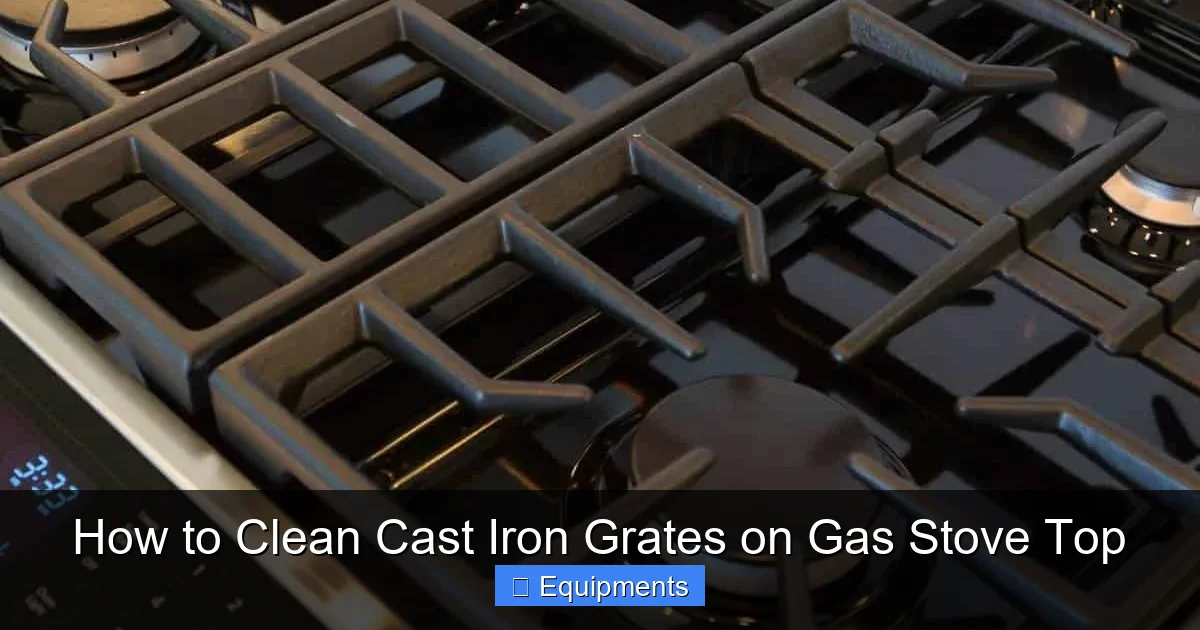
Visual guide about How to Clean Cast Iron Grates on Gas Stove Top
Image source: indiancooking101.com
Step 1: Cool Down, But Not Cold
Right after you turn off the burners, the grates are hot—too hot to touch. Let them cool for about 10-15 minutes. You want them warm to the touch, not scalding. That residual heat is your secret weapon; it loosens grease and food particles, making the next steps effortless.
Step 2: Scrape Away the Debris
Use a dedicated plastic or nylon scraper (like the kind that comes with some stoves) or even a blunt-edged butter knife. Gently scrape across the grate tops and into the burner openings to dislodge any cooked-on bits, cheese drips, or sauce splatters. The warmth should make this debris crumble away easily. Do this over a trash can or paper towel to catch the scraps.
Step 3: The Gentle Scrub
For the daily wipe-down, you need a tool that’s tough on food but gentle on seasoning. Your best options are:
- A stiff nylon or plastic brush: Often sold as “grill brushes” but with nylon bristles. Perfect for scrubbing the ridges and crevices.
- A non-metal scrub pad: Like a blue Scotch-Brite™ Non-Scratch pad. It has a bit more abrasion than a sponge but won’t harm seasoned cast iron.
- A dedicated rag or paper towels: For a final wipe after scraping and brushing.
Dip your brush or pad in hot, soapy water (a drop of mild dish soap is fine here). Scrub the top and underside of the grates, paying attention to the slots where food falls. Rinse with hot water.
Step 4: Dry Immediately and Thoroughly
This is the most critical step. Use a clean, dry towel to wipe every surface of the grate, including the intricate bottom parts that sit on the burner heads. Don’t be lazy here. Then, to be absolutely certain, place the still-slightly-warm grates back on the turned-off burners. Turn the burners on to low for 2-3 minutes. You’ll hear a faint sizzle as the last bit of water evaporates from the metal. Let them cool on the warm burner.
Deep Cleaning Methods: Tackling Years of Buildup
Even with daily maintenance, grates can accumulate a thick, darkened layer of polymerized oil and carbon over months or years. This isn’t necessarily bad—it’s just more seasoning!—but it can become uneven, flaky, or start to smoke excessively. When you need a more thorough clean, reach for these methods, starting with the gentlest.
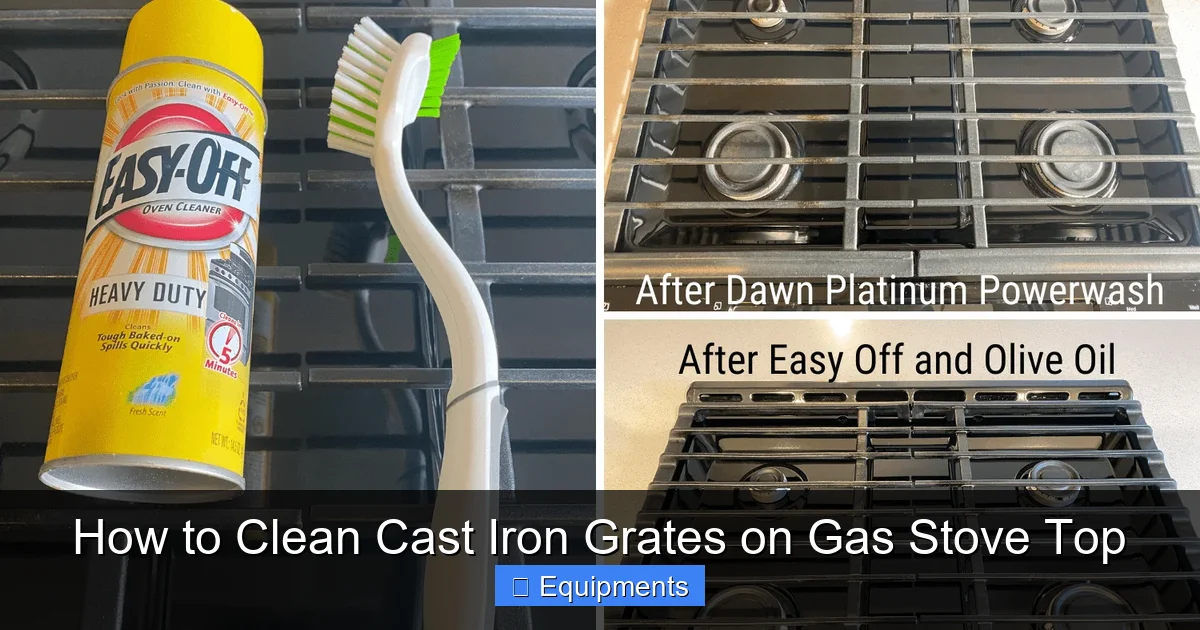
Visual guide about How to Clean Cast Iron Grates on Gas Stove Top
Image source: i.pinimg.com
Method 1: The Boiling Water Bath (For Moderate Buildup)
This is an excellent, seasoning-safe method that uses heat and water to loosen grime.
- What you need: A large stockpot or your kitchen sink, water, a nylon brush, and a stovetop or portable burner.
- Process: Place the grates in the pot. Fill with enough water to fully submerge them. Bring to a simmer on the stove (do not boil vigorously). Let it simmer for 15-30 minutes. The hot water will soften and lift a lot of the baked-on grease. Remove the grates (use tongs, they’ll be hot!) and immediately scrub with your nylon brush under running hot water. The residue should come off easily. Dry immediately using the warm burner method.
Method 2: The Baking Soda Paste (For Stubborn, Carbonized Spots)
Baking soda is a mild abrasive and alkali, perfect for breaking down grease without harming seasoning.
- What you need: Baking soda, water, a non-scratch pad or nylon brush.
- Process: Make a thick paste with baking soda and a little water. Apply the paste liberally to the dirty areas, especially the tops and any flaky spots. Let it sit for 15-20 minutes. Using your non-scratch pad, scrub in circular motions. The mild abrasion will lift the carbonized bits. Rinse thoroughly with hot water. You may need to repeat for very thick spots. Dry immediately.
Method 3: The Vinegar Spray/Paste (For Rust or Mineral Deposits)
White vinegar is acidic and dissolves rust (iron oxide) and hard water deposits. It’s safe for seasoning when used correctly.
- For light rust spots: Spray undiluted white vinegar directly onto the rust. Let it sit for 5-10 minutes. Scrub with a nylon brush. Rinse very thoroughly with hot water to remove all vinegar, then dry immediately and re-season (see next section).
- For heavy rust or a full re-seasoning prep: Create a 1:1 paste of white vinegar and salt or baking soda. Apply to the entire rusted surface. Let it sit for up to 1 hour, checking frequently. Scrub with a nylon brush. Rinse EXTREMELY well. This process will strip some seasoning, so be prepared to fully re-season the grates afterward.
Method 4: The Self-Cleaning Oven Cycle (Last Resort for Extremely Neglected Grates)
Warning: This method will completely strip ALL seasoning and potentially warp the grates due to extreme heat stress. Only use this if the grates are heavily rusted, caked with years of buildup, and you plan to start fresh with a full seasoning process.
- Process: Place the grates on the rack in a cold self-cleaning oven. Run the full self-clean cycle (usually 2-4 hours at 800-900°F). The cycle will incinerate all organic matter, turning it to ash. Once the oven cools completely and is safe to open, remove the grates. They will be black and ash-covered. Wipe them down with a damp cloth to remove ash. They are now bare cast iron and require immediate, full seasoning.
Seasoning: The Essential Follow-Up to Any Deep Clean
Seasoning is the process of creating that protective, non-stick polymerized oil layer. You must season your cast iron grates:
- After any deep cleaning method that involved significant scraping, vinegar, or the oven cycle.
- If you notice any bare, grayish iron spots (seasoning loss).
- At least 2-4 times a year as proactive maintenance, especially in humid climates.
How to Properly Season Cast Iron Grates
- Ensure Perfect Cleanliness and Dryness: The grate must be completely clean of any food particles and 100% dry. Any moisture will cause steaming, not seasoning.
- Apply a Microscopically Thin Layer of Oil: Use an oil with a high smoke point: grapeseed, avocado, canola, or flaxseed oil are excellent. Put a few drops on a paper towel or lint-free cloth. Rub a very thin, even, and barely noticeable layer over every surface of the grate—top, bottom, and into the slots. More oil is not better. Wipe off any excess until it looks dry. Pooling oil will become sticky and gummy.
- Heat It Up: Place the oiled grates back on your stove burners. Turn the burners to medium-high or high. You will see smoke—this is the polymerization process! Let them heat for 10-15 minutes until the smoking subsides.
- Cool and Repeat: Turn off the burners and let the grates cool completely on the warm burners. For a brand-new seasoning layer, repeat the oiling and heating process 2-3 times in a row for a strong base. For maintenance, one layer is often sufficient.
Your grates are now seasoned. They may darken further with use. That’s good! A dark, uniform, semi-gloss black finish is the goal.
Troubleshooting Common Problems
“My grates are rusty. What now?”
Rust is a sign of seasoning failure and moisture exposure. For surface rust, use the vinegar method described above to dissolve it. Scrub with a nylon pad. Rinse extremely well, dry immediately, and then perform a full seasoning cycle (oil and heat 2-3 times). For heavy, pitted rust, the oven self-clean cycle is the most effective way to remove it all at once, followed by full seasoning.
“Food is sticking even though I thought they were seasoned.”
This usually means the seasoning layer is thin, uneven, or damaged. Ensure you are using enough oil when cooking. The solution is to build up the seasoning: cook more fatty foods (bacon, steaks) on them, or perform the seasoning process described above more frequently. Avoid cooking very acidic foods (tomato sauces, wine) on cast iron grates for prolonged periods, as acidity can strip seasoning.
“There’s a sticky, gummy residue.”
This is classic over-seasoning—applying too much oil that didn’t fully polymerize. The fix is harsh: you need to strip it. The easiest way is to place the grates in a self-cleaning oven cycle (see Method 4). After cooling, wipe them down and start the seasoning process from scratch, this time using much less oil.
“How do I clean the burner ports and head?”
Never insert anything metal into the gas ports. With the grates removed, use a soft toothbrush or a pipe cleaner (the soft, flexible kind) to gently sweep away any debris or spiderwebs from the burner head and ports. You can use a bit of soapy water on the brush, but ensure the burner head is completely dry before reassembling and using.
Conclusion: A Lifetime of Great Cooking Starts with Care
Cleaning cast iron grates on your gas stove doesn’t have to be a dreaded chore. By understanding the nature of the material—its porous, seasoning-dependent soul—you shift your mindset from aggressive scrubbing to mindful preservation. The core principles are simple: clean while warm with gentle tools, dry with religious fervor, and replenish the seasoning regularly. Daily maintenance takes two minutes and saves you hours of hard labor. When deep cleaning is needed, reach for the boiling water, baking soda, or vinegar before ever considering a harsh chemical or abrasive tool.
Your cast iron grates are an investment in your kitchen’s performance. They can literally last generations. That black, glossy, non-stick surface you’re cultivating is the result of countless meals and a little bit of care. Treat them with respect, and they will reward you with even heating, beautiful sear marks, and a connection to a long tradition of durable cookware. Now, go enjoy your beautifully clean stove and cook something delicious.
Frequently Asked Questions
Can I use regular dish soap to clean cast iron grates?
For routine daily cleaning after the grates are warm, a small amount of mild dish soap with a non-abrasive brush is generally safe on a well-seasoned surface. However, for deep cleaning or if your seasoning is fragile, it’s best to use just hot water and a brush to be absolutely certain you don’t strip the protective layer.
How often should I season my cast iron grates?
As a rule of thumb, season your grates 2-4 times per year as proactive maintenance. You should always re-season them after any deep cleaning method (like using vinegar or a baking soda paste) and immediately if you see any signs of rust or bare, gray iron spots.
What’s the best way to remove thick, caked-on grease?
The most effective and safest method is the boiling water bath. Simmering the grates in hot water for 20-30 minutes softens and lifts even thick grease layers. After simmering, a gentle scrub with a nylon brush should remove the residue. For extreme cases, a self-cleaning oven cycle will incinerate all buildup.
Are cast iron grates rusting a sign they’re ruined?
Absolutely not. Rust is a surface issue that is almost always fixable. Use white vinegar to dissolve the rust, scrub it off with a nylon pad, rinse and dry extremely well, and then re-season the grates thoroughly. Even heavily rusted grates can be restored with the oven self-clean method followed by a full seasoning process.
My grates are unevenly black and some spots are sticky. What happened?
This indicates an uneven or improperly applied seasoning layer. Sticky spots mean oil was applied too thickly and didn’t polymerize correctly. To fix it, you need to strip the entire surface (the easiest way is a self-cleaning oven cycle) and then re-season from scratch, applying oil in very thin, barely-there layers and heating thoroughly between each layer.
Can I use a metal grill brush on my cast iron grates?
No. A metal grill brush is the fastest way to destroy your grate’s seasoning. The steel bristles will scratch the surface, creating grooves where food sticks and seasoning cannot form. Always use a brush with nylon or plastic bristles, or a non-scratch pad, for cleaning cast iron.