Cleaning your carpet with a Shark steam mop is a powerful, chemical-free way to deep clean and sanitize. This guide walks you through everything from proper preparation to the correct technique, ensuring you get great results without damaging your flooring. You’ll learn which carpets are suitable, how to tackle tough stains, and essential maintenance for your mop. Follow these expert tips to enjoy a fresher, healthier home with minimal effort.
Have you ever stared at a stained, dingy carpet and wished for a magic wand? What if I told you that the same tool you trust for your sparkling hard floors might be the secret weapon your carpets have been missing? Many people own a Shark steam mop for their tile and hardwood, but they hesitate to use it on carpet, unsure if it’s safe or effective. The truth is, when used correctly, a Shark steam mop is one of the best, most eco-friendly ways to deep clean, sanitize, and revive your carpeted floors. It’s not about replacing a professional extraction clean but about achieving incredible maintenance and spot treatment results between deep cleans. This comprehensive guide will transform how you think about carpet care. We’ll move from “Can I do this?” to “I can’t believe I waited so long!” with clear, step-by-step instructions, pro tips, and vital safety information. Let’s unlock the full potential of your Shark mop and give your carpets the refresh they deserve.
Key Takeaways
- Always test first: Perform a spot test on an inconspicuous area to check for colorfastness and carpet compatibility before full cleaning.
- Use distilled or demineralized water: This prevents mineral buildup inside your Shark mop, extending its life and ensuring optimal steam performance.
- Pre-vacuum thoroughly: Removing loose dirt and debris is the most critical prep step; steam cleaning over grit can grind it into the fibers.
- Use slow, overlapping passes: Move the mop slowly (about 1 inch per second) with 50% overlap to allow steam to penetrate and lift dirt effectively.
- Focus on high-traffic zones: Pay extra attention to entryways, hallways, and in front of furniture where dirt and wear are concentrated.
- Allow proper drying time: Ensure good airflow and keep foot traffic off the carpet for at least 2-4 hours until completely dry to the touch.
- Maintain your mop: After each use, flush the system with clean water, clean the pad, and descale regularly according to the manual.
📑 Table of Contents
- Why Choose a Shark Steam Mop for Carpet Cleaning?
- Essential Preparation: The Foundation of a Great Clean
- The Step-by-Step Steam Cleaning Process
- Tackling Specific Challenges and High-Traffic Areas
- Safety, Maintenance, and Troubleshooting
- When NOT to Use Your Shark Steam Mop on Carpet
- Conclusion: Embrace the Steam
Why Choose a Shark Steam Mop for Carpet Cleaning?
Before we dive into the “how,” let’s solidify the “why.” Steam cleaning with a Shark mop offers unique advantages over traditional shampooing or spot-cleaning methods.
The Power of Dry Steam Vapor
Shark steam mops, particularly models like the Shark S3501 or S3601, produce what’s often called “dry steam vapor.” This isn’t the soaking wet steam you might imagine. It’s a high-temperature, low-moisture vapor (typically over 200°F) that penetrates carpet fibers. The heat does the heavy lifting: it loosens embedded grease, oils, and sticky residues, while the minimal moisture lifts them to the surface to be captured by the microfiber pad. This means a faster drying time compared to traditional carpet cleaners that drench the pad. The high temperature also kills 99.9% of common household bacteria, dust mites, and other allergens, offering a true sanitizing clean that chemical sprays alone cannot match.
Chemical-Free and Cost-Effective
One of the biggest appeals is going chemical-free. You only need water. This eliminates the cost, storage hassle, and potential respiratory irritation from harsh carpet shampoos and deodorizers. It’s a safer choice for homes with children, pets, or anyone with sensitivities. Over time, the savings add up significantly compared to renting machines or buying disposable solutions. Your Shark mop becomes a versatile, all-in-one cleaning tool for every hard floor surface and your carpets.
What Shark Mops Are Best for Carpet?
Not all Shark steam mops are created equal for carpet use. Models specifically designed with a “Carpet Glider” attachment or a dedicated carpet setting are ideal. The glider is a smooth, plastic plate that attaches to the mop head. It’s crucial because it prevents the hot microfiber pad from sticking to dense carpet fibers and allows the mop to glide effortlessly. Popular models like the Shark Professional Steam Mop (S3501) and the Shark Genius Steam Mop System (S3601) come with this accessory. Always check your specific model’s manual to confirm its carpet-cleaning capabilities and instructions.
Essential Preparation: The Foundation of a Great Clean
Skipping preparation is the number one reason for subpar results or even damage. This phase is non-negotiable and takes longer than the actual steam cleaning.
Visual guide about How to Clean Carpet with a Shark Steam Mop
Image source: devicesmag.com
Step 1: The Pre-Vacuum (The Most Important Step)
You must vacuum your carpet thoroughly and in multiple directions. Use a vacuum with good suction and a clean filter/brush roll. Go over the entire area slowly, front-to-back, side-to-side, and diagonally. The goal is to remove every single particle of loose dirt, sand, hair, and debris. If you steam over these particles, the heat and moisture will essentially glue them deeper into the carpet fibers, creating a gritty, dirty feeling that is nearly impossible to remove. Think of it like washing a greasy pan without scraping off the food bits first—it just doesn’t work. This step alone can make your carpet look 50% better before you even touch the steam mop.
Step 2: Spot Test for Colorfastness and Compatibility
This is your insurance policy. Find an inconspicuous spot, like inside a closet or under a piece of furniture. Set your Shark mop to its lowest steam setting and make 3-4 slow passes over a 2×2 foot area. Let it dry completely (this may take 1-2 hours). Check for any color bleeding, fading, or texture changes. Most modern synthetic carpets (nylon, polyester, olefin) are perfectly fine, but some delicate rugs, wool blends, or antique carpets can be sensitive to heat and moisture. If you see any adverse reaction, do not proceed. For area rugs, check the backing; some adhesives can break down with heat and moisture.
Step 3: Clear the Area and Prep Your Tools
Remove all small furniture, toys, and obstacles. For larger furniture you can’t move, like sofas or beds, plan to clean around them in sections. Ensure your Shark mop is assembled correctly with the Carpet Glider attachment securely locked in place. Fill the water tank with distilled or demineralized water only. Tap water contains minerals that can clog the internal heating system and leave white residue on your carpet, a problem known as “scaling.” Check that the microfiber cleaning pad is clean and damp (not soaking). Have a couple of clean, dry towels handy for any immediate spot treatments or to wipe the mop base if needed.
The Step-by-Step Steam Cleaning Process
Now for the main event. With your room prepped and tools ready, follow this methodical process for even, effective cleaning.
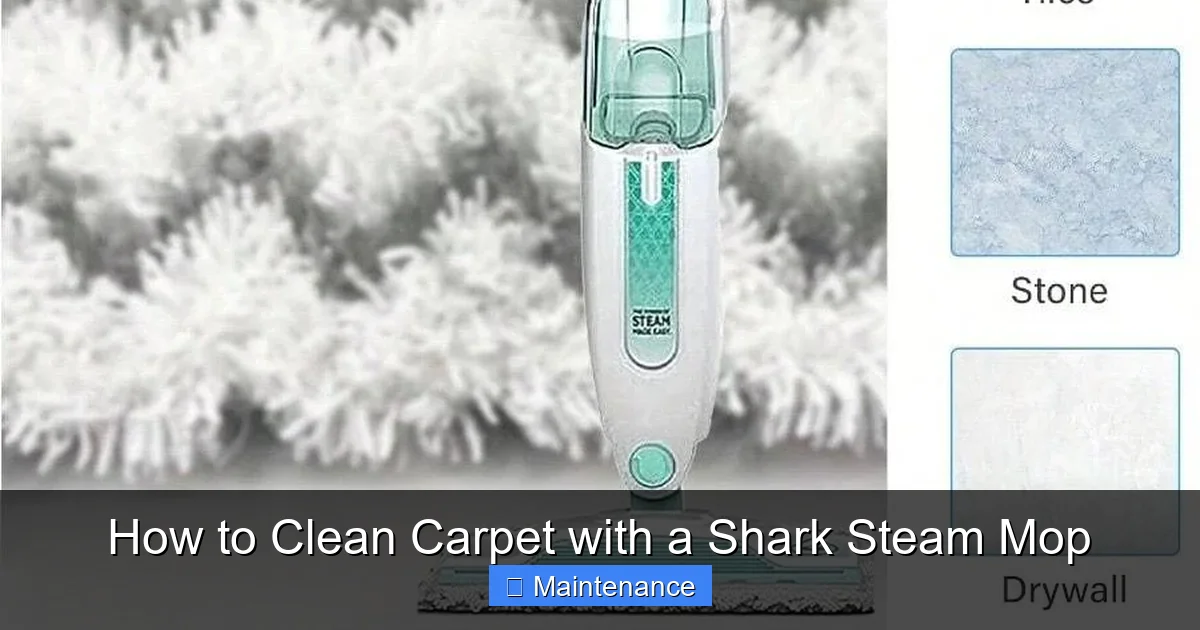
Visual guide about How to Clean Carpet with a Shark Steam Mop
Image source: img.ltwebstatic.com
Step 1: Fill, Assemble, and Heat Up
Fill the clean water tank with distilled water. Secure the lid firmly. Attach the Carpet Glider to the mop head if it’s a separate piece. Plug in the mop and allow it to heat up fully. You’ll typically hear a click or see an indicator light (like a green light on many Shark models) when it’s ready. Never try to steam with a cold unit.
Step 2: Start at the Farthest Corner
Begin in the corner farthest from your exit door. This ensures you don’t have to walk over the cleaned, damp carpet. Place the mop on the carpet, press the steam trigger for 1-2 seconds to release a small burst of steam onto the pad and carpet, and then begin moving immediately.
Step 3: The Correct Motion – Slow and Overlapping
This is the golden rule. Move slowly. A good pace is about 1 inch per second. As you push the mop forward, hold down the steam trigger continuously (or use the lock-on feature if your model has one) to maintain a steady flow of steam. Once you reach the end of your pass, pull the mop back to the start without steaming (or release the trigger). Then, shift over about 50% of the mop head’s width and make your next forward pass, overlapping the previous pass by half. This overlapping “lawn mower” pattern ensures no strip of carpet is missed and that the steam has dwell time to work. The microfiber pad should become visibly dirty as it lifts the grime.
Step 4: Managing the Pad and Moisture
Check the pad frequently. Once the front third of the pad is dark and saturated, it’s time to flip it or replace it with a clean, dry one. A dirty pad just redeposits soil. For very thick or dirty carpets, you may need to flip the pad 2-3 times during a single room. If the carpet feels excessively wet after a pass, you are likely moving too slowly or applying downward pressure. Let the steam do the work; you are just guiding the mop. The goal is damp, not soaking, carpet fibers.
Step 5: The Final Pass (Optional but Recommended)
After you’ve completed the entire room with the steam on, do a final “polishing” pass over the entire area without pressing the steam trigger. This uses the now-warm, dry microfiber pad to pick up any residual moisture and give the carpet a uniform, groomed appearance. This step significantly reduces drying time.
Tackling Specific Challenges and High-Traffic Areas
A uniform clean is great, but some spots need extra love. Here’s how to handle them with your Shark mop.
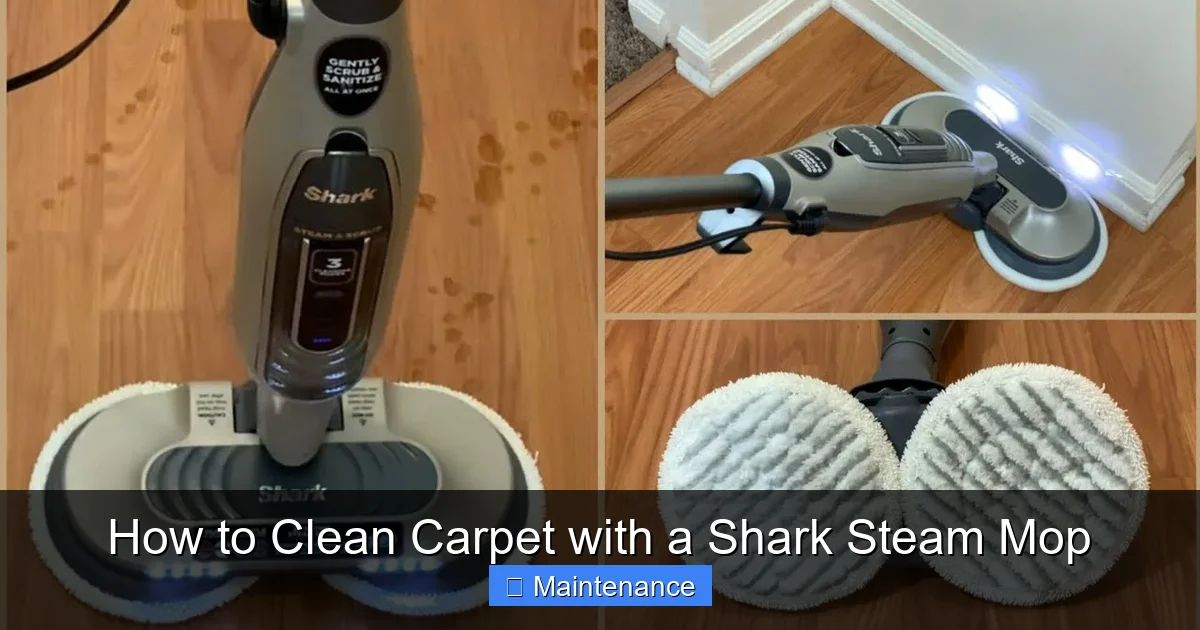
Visual guide about How to Clean Carpet with a Shark Steam Mop
Image source: i.ytimg.com
High-Traffic Zones (Entryways, Halls, Paths)
These areas have compacted dirt and fiber matting. Make 2-3 slow passes over these zones with the steam on. Use the edge of the mop head or the triangle tool (if included) to get right up to baseboards. The combination of heat and agitation will help lift the flattened fibers. Be patient here; it often takes a couple of extra rounds to see a dramatic difference.
Sticky Spills and Greasy Footprints
The high-temperature steam is exceptional at breaking down sticky residues from soda, juice, or tracked-in grease. For these spots, hold the mop directly over the area for 3-5 seconds with the steam trigger engaged (a “pre-treatment” burst) before making your slow pass. The heat will melt and dissolve the sticky substance, allowing the pad to lift it away. You may need to repeat once.
Pet Stains and Odors
Steam is fantastic for sanitizing and deodorizing areas affected by pets. However, for fresh urine stains, blot first with a clean, dry towel to absorb as much liquid as possible. Then, use the steam mop as described. The heat kills bacteria that cause odor. For old, set-in stains and odors, you may need a pre-treatment with an enzymatic cleaner specifically for pet stains (used according to its directions, then fully rinsed/removed if possible) before using the steam mop. The steam will then help rinse and sanitize the area. Always test any pre-treatment in an inconspicuous spot first.
Edges and Along Baseboards
Dirt and dust bunnies love to accumulate here. Use the pointed edge of the mop head or the small triangle cleaning tool that often comes with Shark mops. Angle it slightly to get the pad right against the baseboard and make slow, deliberate passes along the entire perimeter of the room.
Safety, Maintenance, and Troubleshooting
To keep your carpets and your Shark mop in top shape for years, follow these critical guidelines.
Safety First: Drying is Key
Wet carpet is a breeding ground for mold and mildew. After steam cleaning, ensure maximum airflow. Open windows, run fans, and turn on your HVAC system. Keep children and pets off the carpet until it is completely dry to the touch, which typically takes 2-4 hours depending on humidity, carpet thickness, and room ventilation. Never steam clean on a humid day without excellent air circulation. Also, never leave the heated mop unattended on the carpet, as the pad can be very hot.
Caring for Your Shark Steam Mop
After each use, unplug the mop and allow it to cool completely. Empty any remaining water from the tank. Flush the system by filling the tank with clean distilled water, heating it up, and steaming for 30 seconds into a towel or sink (without the glider/pad) to clear any residual debris. Always use distilled water to prevent mineral scale inside the boiler. Wash the microfiber pad according to the manual—usually machine washable with no fabric softener. Air dry completely before reattaching. Descale your mop every 1-2 months with a commercial descaler or a vinegar solution as directed in your manual to maintain heating efficiency.
Troubleshooting Common Issues
- Streaks or Lines: Caused by a dirty pad, moving too fast, or uneven pressure. Flip or replace the pad and slow down your passes.
- Carpet Feels Sticky or Stiff: You likely used too much water or moved too slowly. Ensure you’re using distilled water and focus on quick, overlapping passes. A final dry pass can help.
- No Steam or Weak Steam: The unit may need descaling. Check for clogs in the steam nozzle (clean with a paperclip when cool). Ensure you’re using distilled water and that the water tank is properly seated.
- White Residue on Carpet: This is mineral deposit from tap water. Stop immediately, switch to distilled water for future use, and try to blot the area with a clean, damp cloth. You may need a professional rinse to remove it fully.
When NOT to Use Your Shark Steam Mop on Carpet
As versatile as it is, there are definite situations where you should avoid using a steam mop on carpet.
Delicate and Sensitive Materials
Avoid using it on: hand-knotted wool rugs (the heat can shrink or distort fibers), silk rugs, rugs with a latex or jute backing (heat and moisture can dissolve the adhesive or fibers), and any carpet labeled “dry clean only.” For valuable or antique rugs, consult a professional cleaner first.
Water Damage or Mold Concerns
Never use a steam mop on a carpet that is already wet from a flood, leak, or spill that hasn’t been fully dried and treated. Adding more moisture exacerbates mold growth. If you suspect mold underneath or within the carpet pad, steam cleaning is not the solution; remediation is required.
Over-Saturated Conditions
If your carpet is already damp from another cleaning process or high humidity, adding steam will prolong drying time and increase risk. Ensure the carpet is completely dry before starting.
Certain Synthetic Carpets with Latex Backing
Some cheaper carpets, especially some indoor/outdoor styles, have a latex backing that can break down with heat and moisture, releasing a sticky residue. When in doubt, perform your spot test and check the backing carefully.
Conclusion: Embrace the Steam
Cleaning your carpet with a Shark steam mop isn’t a risky hack; it’s a smart, sustainable, and highly effective method when armed with the right knowledge. By committing to the three pillars of success—meticulous preparation, correct technique (slow, overlapping passes with a clean pad), and vigilant maintenance (distilled water, regular descaling)—you transform this versatile tool into your carpet’s best friend. You’ll enjoy visibly cleaner fibers, a healthier home environment free of chemical residues, and the immense satisfaction of tackling a daunting chore with a tool you already own. Remember, it’s a powerful maintenance and refresh tool, not a substitute for periodic professional deep extraction cleans on heavily soiled carpets. But for routine touch-ups, high-traffic zone reviving, and sanitizing between professionals, your Shark steam mop is a game-changer. So, fill that tank with distilled water, grab your carpet glider, and get ready to see your carpets in a whole new, fresher light.
Frequently Asked Questions
Can I use a Shark steam mop on all types of carpet?
No. It’s generally safe for most modern synthetic carpets (nylon, polyester, olefin) and low-pile commercial carpets. However, you should avoid using it on delicate materials like hand-knotted wool, silk, rugs with a latex or jute backing, and any carpet specifically labeled “dry clean only.” Always perform a spot test first.
Will steam cleaning shrink or damage my carpet?
Not if used correctly. The low-moisture “dry steam” vapor from a Shark mop uses minimal water and dries quickly. Damage is unlikely on suitable carpets. The risk comes from using too much water (moving too slowly) or using it on inappropriate carpets like wool or latex-backed rugs, where heat and moisture can cause shrinking or adhesive failure.
What is the best water to use in my Shark steam mop for carpet cleaning?
Always use distilled or demineralized water. Tap water contains minerals that can build up inside the boiler (scaling), reduce steam output, and potentially leave a white, chalky residue on your carpet. Distilled water prevents this, ensuring optimal performance and longevity for your mop.
How long does it take for the carpet to dry after steam cleaning?
Drying time depends on carpet thickness, room ventilation, and humidity. With proper technique (using the dry final pass), most carpets will be dry to the touch in 2-4 hours. Use fans and open windows to maximize airflow. Avoid walking on it until fully dry to prevent re-soiling and matting.
Is it safe to use a steam mop around children and pets?
Yes, it’s one of the safest methods because it uses only water—no chemicals. The high heat kills allergens and bacteria. However, you must ensure children and pets are off the carpet until it is completely dry. The mop head and base can be very hot immediately after use, so store it out of reach.
Can a Shark steam mop remove old, set-in stains?
It can significantly improve many old stains, especially those from oily substances or tracked-in dirt, by breaking down the residue. However, for deep, discolored stains (like old wine, ink, or pet urine that has set for months), steam cleaning alone may not fully remove the color. It’s excellent for sanitizing and deodorizing the area, but severe staining may require a dedicated stain remover or professional extraction before or after steam treatment.
Pingback: What Is a Steam Mop - kitchenandhouseware.com