Keeping your stovetop griddle clean is easier than you think. This guide walks you through everyday cleaning, deep‑cleaning hacks, and long‑term care so your griddle stays shiny and ready for any breakfast feast. Follow the simple steps and never worry about stuck‑on food again.
Key Takeaways
- Regular quick‑wipes: A light wipe after each use prevents buildup and saves time.
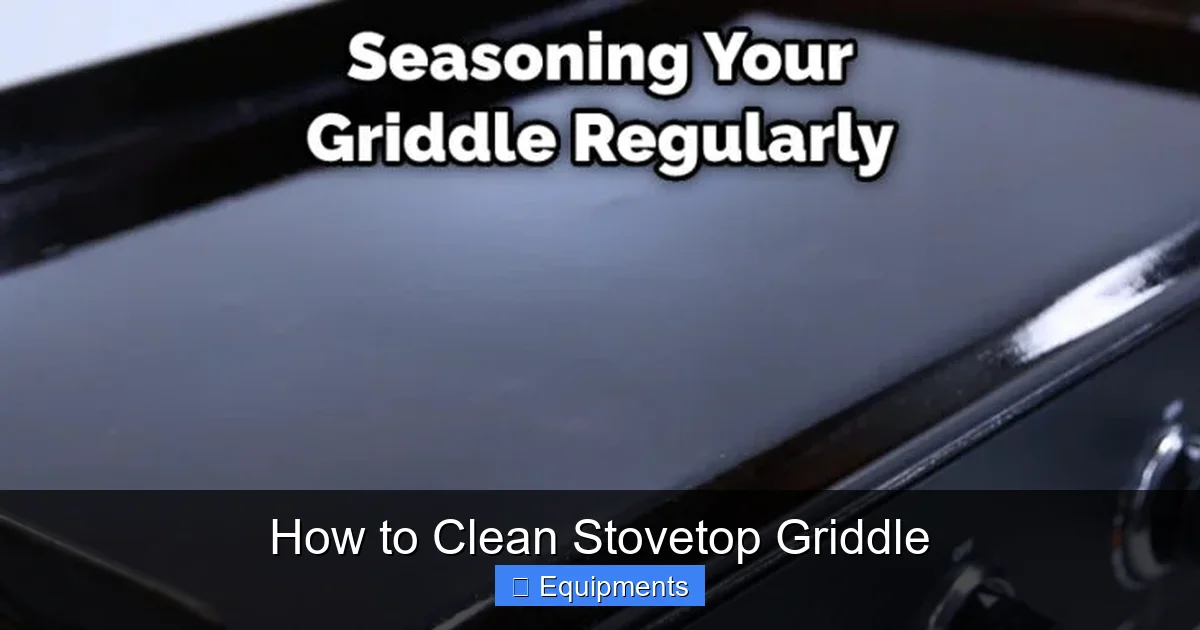
- Seasoning matters: Proper seasoning creates a natural non‑stick layer and makes cleaning gentler.
- Natural cleaners work: Baking soda, vinegar, and coarse salt clean effectively without harsh chemicals.
- Avoid abrasive tools: Scrapers and steel wool can damage the surface; use soft pads instead.
- Deep‑clean monthly: A thorough scrub with hot water and a non‑abrasive pad restores the griddle’s shine.
- Safety first: Always let the griddle cool and disconnect power before cleaning.
- Maintenance schedule: A simple weekly routine extends the life of your stovetop griddle.
📑 Table of Contents
- Introduction: Why a Clean Griddle Makes All the Difference
- 1. Understanding Your Griddle’s Surface
- 2. Daily Maintenance: Quick Clean‑Up After Every Use
- 3. Tackling Stubborn Stains and Burnt‑On Food
- 4. Deep Cleaning: The Monthly Reset
- 5. Seasonal Care and Long‑Term Maintenance
- 6. Pro Tips from the Kitchen Pros
- Conclusion: A Clean Griddle Is a Happy Griddle
Introduction: Why a Clean Griddle Makes All the Difference
Imagine cooking a perfect pancake, a sizzling steak, or a breakfast hash on a griddle that looks brand new every morning. A clean stovetop griddle not only looks great, it performs better. Food sticks less, cooking is more even, and you avoid the “burnt‑on” smell that can ruin a kitchen’s ambiance.
Most people think a griddle needs a lot of elbow grease, special chemicals, or even professional service. The truth is far simpler. With the right routine, a few household items, and a bit of patience, you can keep your griddle sparkling and ready for the next meal. This article shows you how to clean stovetop griddle step by step, from daily wipe‑downs to a monthly deep‑clean, plus tips to keep the surface seasoned and protected for years.
1. Understanding Your Griddle’s Surface
Types of stovetop griddles
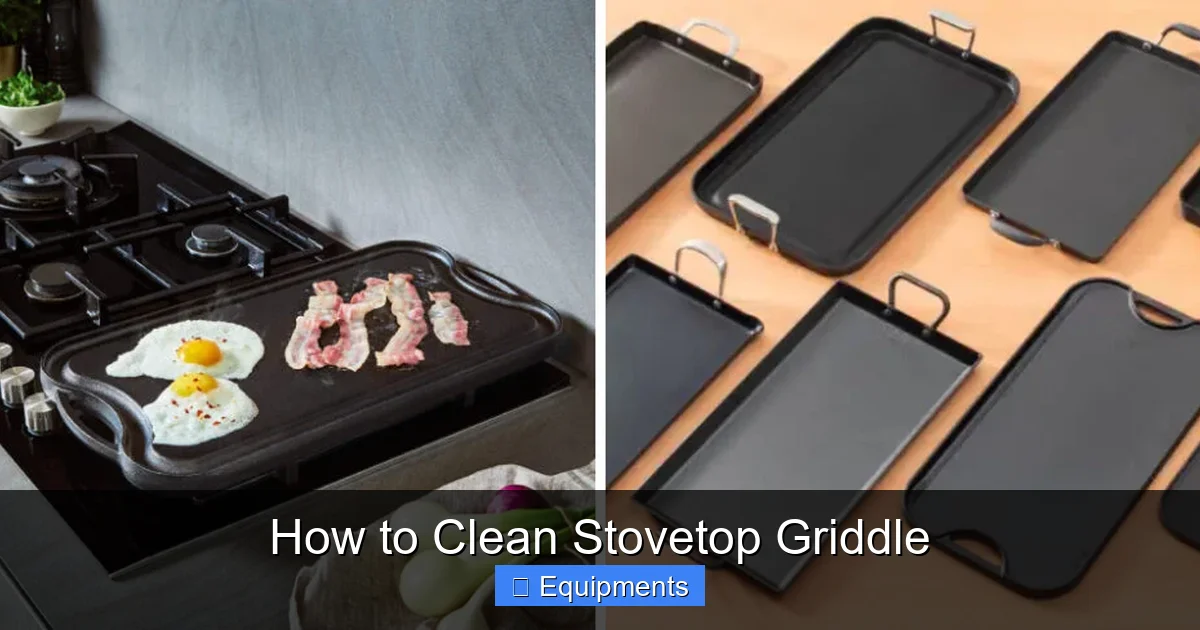
Before you start cleaning, know what you’re dealing with. Most stovetop griddles fall into three categories:
Visual guide about How to Clean Stovetop Griddle
Image source: thekitchenix.com
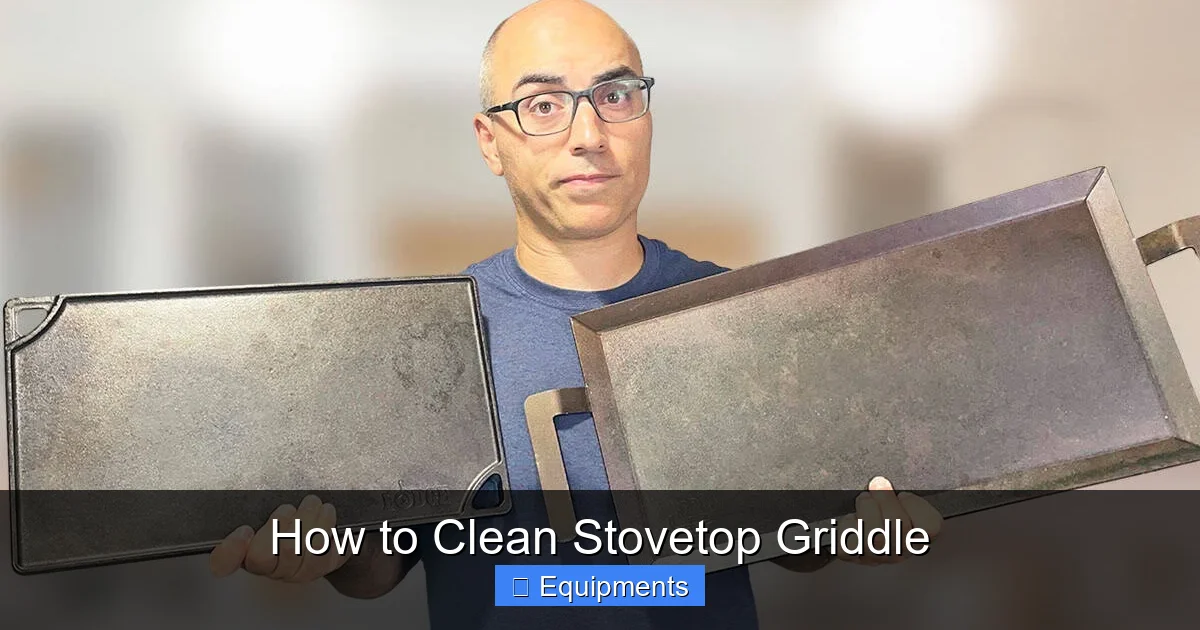
- Cast iron: Heavy, excellent heat retention, needs seasoning.
- Aluminum with non‑stick coating: Light, heats quickly, coating can be sensitive.
- Stainless steel: Durable, resistant to rust, but can develop stubborn stains.
Each material reacts differently to cleaners and tools. The “how to clean stovetop griddle” process will adapt slightly for each, but the core principles stay the same: gentle cleaning, proper drying, and re‑seasoning when needed.
Why seasoning matters
Seasoning is a thin polymerized layer of oil that fills microscopic pores in the metal. It creates a natural, food‑safe non‑stick surface. When you season correctly, food releases easily, and cleaning becomes a breeze. If you skip seasoning, you’ll notice more sticking and will need harsher scrubbing—something you want to avoid.
2. Daily Maintenance: Quick Clean‑Up After Every Use
Step‑by‑step quick wipe
These steps take less than five minutes and keep the griddle ready for the next dish.
Visual guide about How to Clean Stovetop Griddle
Image source: prudentreviews.com
- Turn off and cool: Switch off the burner and let the surface cool for 5‑10 minutes. It should be warm, not hot, so you can handle it safely.
- Remove loose bits: Use a silicone spatula or a soft brush to sweep away crumbs, excess oil, and food particles.
- Apply a little water: Dampen a soft cloth or non‑abrasive pad with warm water. For non‑stick surfaces, a few drops of mild dish soap are fine.
- Wipe in circles: Gently rub the surface, following the grain if it’s cast iron. This lifts any thin film of residue.
- Dry thoroughly: Use a clean towel to remove every drop of moisture. Moisture left on cast iron can cause rust.
- Light oil coat (optional): For cast iron, drizzle a few drops of high‑smoke‑point oil (like grapeseed) and spread with a paper towel. This maintains the seasoning.
Tools you’ll need for daily cleaning
- Silicone spatula or soft brush
- Non‑abrasive cleaning pad (e.g., nylon sponge)
- Micro‑fiber cloths
- Mild dish soap (only for non‑stick or stainless)
- High‑smoke‑point oil for seasoning touch‑ups
3. Tackling Stubborn Stains and Burnt‑On Food
When the quick wipe isn’t enough
Sometimes food caramelizes or spills over and creates a stubborn layer. Don’t panic—this is where natural cleaners shine.
Visual guide about How to Clean Stovetop Griddle
Image source: thekitchenix.com
Method A: Baking soda paste
- Mix 3 parts baking soda with 1 part water to form a thick paste.
- Spread the paste over the burnt area and let it sit for 10‑15 minutes. The mild alkali loosens the carbonized bits.
- Using a soft non‑metal scrub pad, gently rub in circular motions.
- Wipe clean with a damp cloth and dry thoroughly.
Method B: Vinegar spray for stainless steel
Vinegar’s acidity breaks down mineral deposits and burnt residue.
- Fill a spray bottle with equal parts white vinegar and water.
- Spray the affected spots and let sit for 5 minutes.
- Wipe with a soft cloth; for tougher spots, sprinkle a little baking soda over the vinegar‑wet area and scrub gently.
- Rinse with a clean damp cloth and dry.
Method C: Coarse salt scrub for cast iron
Coarse kosher salt works like a gentle abrasive that won’t damage the seasoned layer.
- Heat the griddle slightly (just warm, not hot).
- Sprinkle a generous handful of coarse salt over the surface.
- Using a folded paper towel, scrub the salt around the burnt spots. The salt lifts the residue while preserving seasoning.
- Discard the salt, wipe clean with a damp cloth, and re‑oil.
Tips to prevent future buildup
- Always preheat the griddle before adding oil; this creates a smoother cooking surface.
- Use a splash guard to catch spills.
- Avoid cooking sugary sauces at high heat; they caramelize quickly.
4. Deep Cleaning: The Monthly Reset
Why a deep clean matters
Even with daily care, microscopic buildup accumulates. A monthly deep clean removes that layer, restores shine, and gives you a chance to re‑season if needed.
Step‑by‑step deep‑clean routine
- Cool and unplug: Ensure the griddle is completely cool and, if electric, unplug it.
- Remove loose debris: Sweep away crumbs with a soft brush.
- Fill with hot, soapy water: For removable griddle plates, fill the plate with hot water and a few drops of dish soap. Let soak for 15‑20 minutes.
- Scrape gently: Use a plastic scraper or a wooden spoon to lift stubborn bits. Avoid metal tools.
- Apply baking soda paste: For any remaining spots, repeat the baking soda paste method.
- Rinse thoroughly: Rinse with clean hot water until no soap residue remains.
- Dry completely: Pat dry with a towel, then place the griddle on low heat for 5 minutes to evaporate any hidden moisture.
- Re‑season (if cast iron): Apply a thin layer of oil, heat on medium for 10 minutes, then let cool.
Special note for non‑stick surfaces
Non‑stick coatings are delicate. During a deep clean, limit the use of abrasive pads. A soft sponge with mild soap, followed by a thorough rinse, is sufficient. Never use metal scouring pads or harsh chemicals, as they can erode the coating.
5. Seasonal Care and Long‑Term Maintenance
Seasonal deep‑clean checklist
- Spring: Full deep clean, re‑season cast iron, check for rust.
- Summer: Inspect for warping from high‑heat use, tighten any loose screws on electric units.
- Fall: Clean out any oil buildup, test the burner for even heat distribution.
- Winter: Store the griddle (if removable) in a dry place, cover to prevent dust.
Storing your griddle safely
If your stovetop griddle is removable, store it in a dry cabinet or on a shelf with a protective cloth. For built‑in electric griddles, keep the surrounding countertop clean and free of spills that could seep into the appliance.
When to replace your griddle
Even with perfect care, griddles have a lifespan. Look for these signs:
- Cracks or warping that affect heat distribution.
- Persistent rust on cast iron that won’t come off.
- Peeling or flaking of non‑stick coating.
- Electrical faults in built‑in units.
If you notice any of these, it’s time to consider a replacement for safety and cooking performance.
6. Pro Tips from the Kitchen Pros
Use the right oil for seasoning
Flaxseed oil, grapeseed oil, or vegetable oil with a high smoke point work best. Heat the oil until it just starts to smoke, then wipe off the excess. This builds a strong polymerized layer.
Never soak cast iron for long periods
Extended soaking can strip the seasoning and invite rust. If you must soak, limit it to 10 minutes and dry immediately.
Heat the griddle before cleaning (when safe)
For stubborn bits, a warm surface helps loosen food. Heat on low for a few minutes, then follow the baking‑soda or salt method. Always ensure the griddle is not hot enough to burn you.
Use a grill press for even seasoning
Place a heavy grill press or a clean brick on the oiled surface while it heats. This forces the oil into the pores, creating a uniform non‑stick layer.
Conclusion: A Clean Griddle Is a Happy Griddle
Cleaning your stovetop griddle doesn’t have to be a chore. By incorporating a quick daily wipe, tackling stubborn spots with natural cleaners, and giving the surface a monthly deep clean, you’ll enjoy a non‑stick, rust‑free griddle for years. Remember the key: gentle tools, proper seasoning, and a consistent routine. Follow the steps in this guide and you’ll never dread the cleanup again—just look forward to the next delicious pancake or perfectly seared steak.
Frequently Asked Questions
How often should I season a cast‑iron stovetop griddle?
Season after each deep clean and at least once a month if you use the griddle daily. A thin oil coat after every quick wipe also helps maintain the seasoning.
Can I use steel wool on my stainless‑steel griddle?
No. Steel wool is too abrasive and can scratch the surface. Use a soft non‑abrasive pad or a nylon scrubber instead.
Is it safe to use oven‑cleaning spray on a non‑stick griddle?
No. Oven cleaners contain harsh chemicals that can damage the non‑stick coating and leave toxic residues. Stick to mild dish soap, baking soda, or vinegar.
What’s the best oil for seasoning a cast‑iron griddle?
Flaxseed oil, grapeseed oil, or a high‑smoke‑point vegetable oil work best because they polymerize into a hard, durable layer.
My griddle has developed rust. How do I remove it?
Scrub the rusted area with a mixture of equal parts white vinegar and water, then use a coarse salt pad to gently rub it away. Rinse, dry immediately, and re‑season.
Can I clean an electric stovetop griddle while it’s still plugged in?
No. Always unplug or turn off the unit and let it cool completely before cleaning to avoid electric shock or damage.
Pingback: How to Season Prime Rib - kitchenandhouseware.com
Pingback: How Is Boba Made - kitchenandhouseware.com