Cleaning a Bosch oven doesn’t have to be a chore. Follow our step‑by‑step guide to remove grease, burnt food, and odors using everyday items and Bosch’s own self‑clean cycle. Keep your oven looking new and cooking perfectly with simple, regular maintenance.
Key Takeaways
- Know your model: Different Bosch ovens have specific cleaning features; check the manual first.
- Daily upkeep matters: Wiping spills right away prevents stubborn buildup.
- Self‑clean cycle is safe: Use Bosch’s pyrolytic function for a hands‑free deep clean.
- DIY cleaners work: Baking soda, vinegar, and lemon are effective, non‑abrasive options.
- Protect the door seal: Clean the gasket gently to keep heat efficiency.
- Regular maintenance extends life: Schedule a quick clean every month to avoid costly repairs.
- Safety first: Always disconnect power before deep‑cleaning or removing components.
📑 Table of Contents
- Introduction: Why a Clean Bosch Oven Matters
- 1. Understanding Your Bosch Oven’s Cleaning Options
- 2. Daily and Weekly Maintenance Routine
- 3. Deep Cleaning Without the Self‑Clean Cycle
- 4. Using the Pyrolytic Self‑Clean Cycle Effectively
- 5. Caring for the Oven Door Seal and Gasket
- 6. Preventive Tips to Keep Your Bosch Oven Spotless
- Conclusion: A Sparkling Bosch Oven Is Within Reach
Introduction: Why a Clean Bosch Oven Matters
Imagine pulling a perfectly golden loaf of bread from your oven, only to notice a faint burnt smell lingering in the kitchen. That smell isn’t coming from the dough—it’s the residue from previous meals that has baked onto the interior walls. A dirty oven not only affects flavor, it can also waste energy and shorten the lifespan of your appliance.
Bosch ovens are known for their sleek design, precise temperature control, and advanced cleaning cycles. Yet, many owners skip regular maintenance because they assume the self‑clean feature does all the work. The truth is, a combination of daily wiping, periodic deep cleaning, and proper care of removable parts will keep your Bosch oven performing at its best.
In this guide, we’ll walk you through everything you need to know about how to clean Bosch oven—from quick daily tips to a full‑scale pyrolytic cleaning. The instructions are written in a friendly, conversational tone, so you can feel like you’re getting advice from a knowledgeable friend.
1. Understanding Your Bosch Oven’s Cleaning Options
1.1. Pyrolytic (Self‑Clean) Cycle
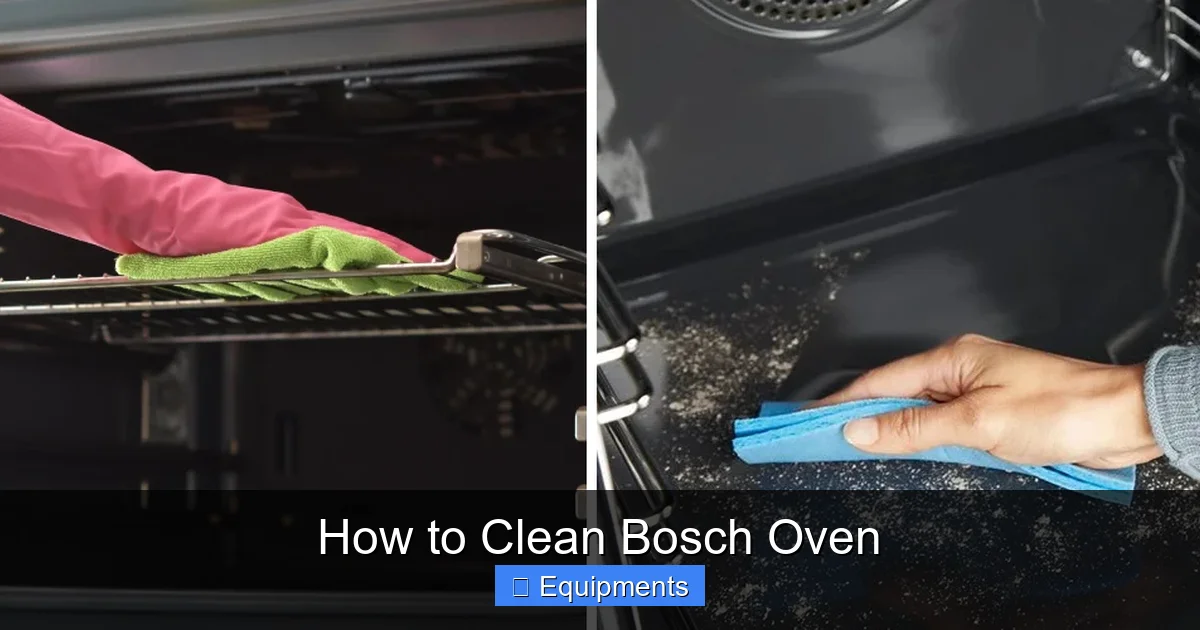
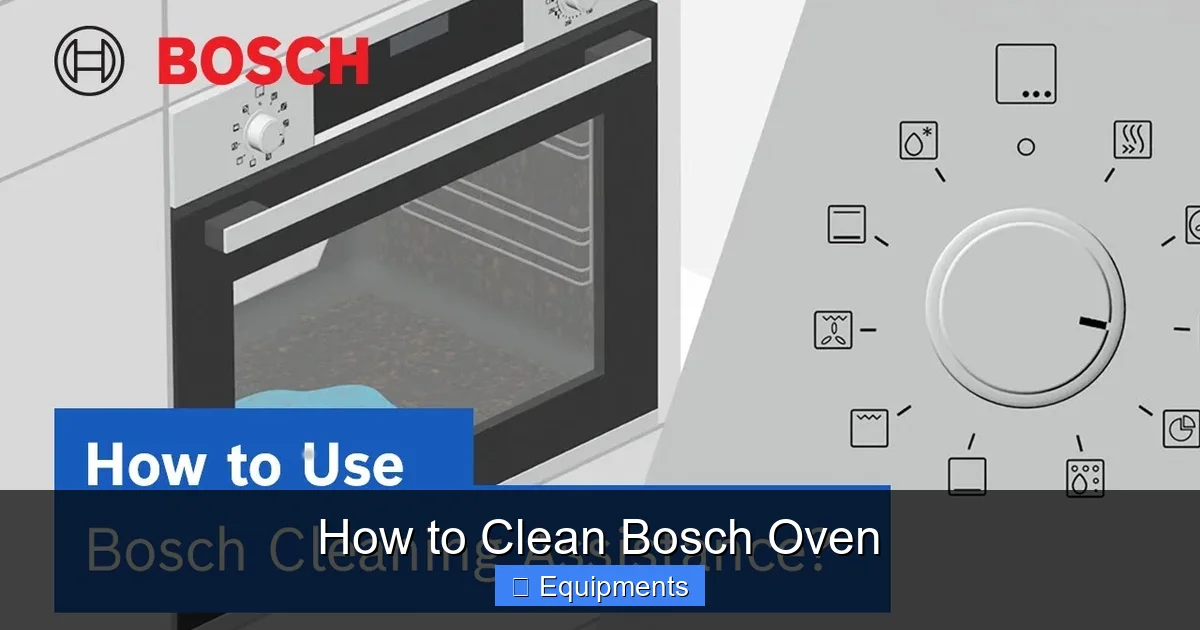
Most newer Bosch models feature a pyrolytic cleaning cycle. When activated, the oven heats to about 500 °F (260 °C) and turns food residues into ash. The process typically lasts 2–3 hours, after which you simply wipe away the ash with a damp cloth.
Visual guide about How to Clean Bosch Oven
Image source: thekitchenix.com
1.2. Catalytic Walls
Some Bosch ovens have catalytic panels built into the side walls. These panels absorb grease during normal cooking and break it down with heat. They require no special cycle—just avoid using harsh chemicals that could damage the coating.
1.3. Manual Cleaning (Non‑Self‑Clean Models)
If your oven doesn’t have a self‑clean feature, you’ll rely on manual cleaning methods. The good news is that Bosch’s stainless‑steel interiors are designed to be easy to wipe down with mild cleaners.
2. Daily and Weekly Maintenance Routine
2.1. Wipe Spills Immediately
As soon as the oven cools down, use a soft, damp cloth with a few drops of mild dish soap to remove any splatters. This prevents food from caramelizing onto the surface, which makes later cleaning much harder.
Visual guide about How to Clean Bosch Oven
Image source: i.ytimg.com
2.2. Clean the Oven Door Glass
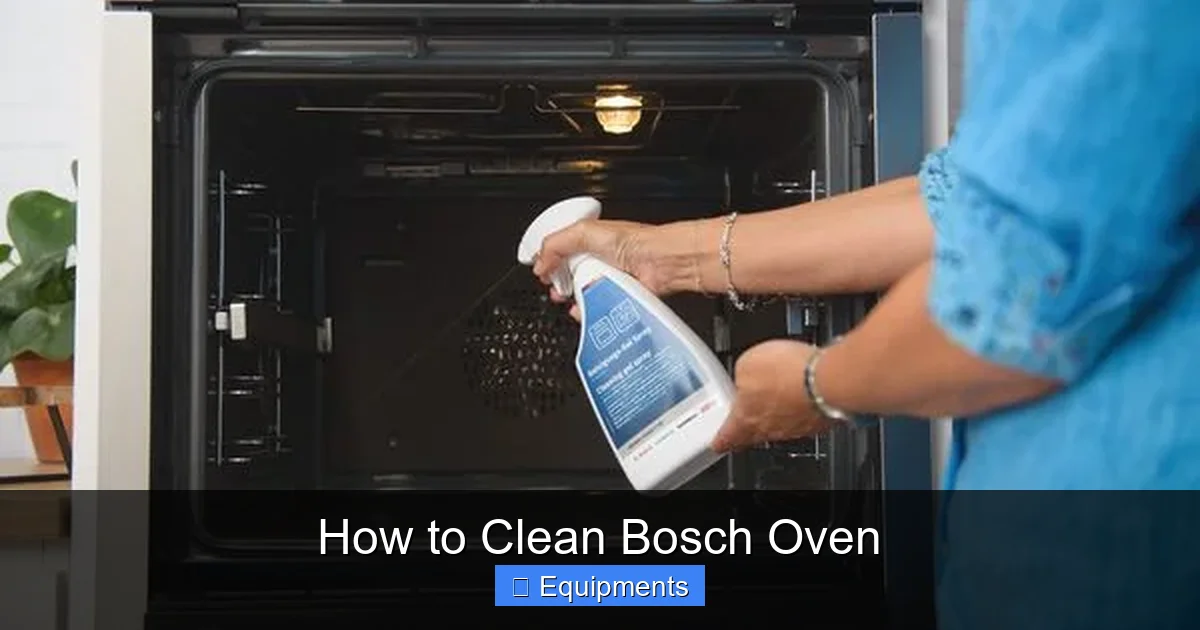
The glass can get greasy quickly. Mix equal parts water and white vinegar in a spray bottle, spray the glass, let it sit for 2 minutes, then wipe with a microfiber cloth. For stubborn streaks, a non‑abrasive scrub pad works well.
2.3. Check and Clean the Racks
Remove the racks weekly, soak them in warm, soapy water for 10 minutes, then scrub with a non‑scratch sponge. Rinse and dry before placing them back.
2.4. Clean the Bottom Tray
Many Bosch ovens have a removable drip tray. Take it out, discard any liquid, and wash with warm soapy water. If the tray is stainless steel, a light rub with baking soda paste (baking soda + water) will lift baked‑on grime.
3. Deep Cleaning Without the Self‑Clean Cycle
3.1. Gather Your Supplies
- Baking soda
- White vinegar
- Warm water
- Microfiber cloths
- Non‑abrasive scrub pad
- Spray bottle
- Rubber gloves (optional)
3.2. Make a Baking Soda Paste
Combine ½ cup of baking soda with a few teaspoons of water to form a spreadable paste. This gentle abrasive will lift grease without scratching the enamel.
Visual guide about How to Clean Bosch Oven
Image source: media3.bosch-home.com
3.3. Apply the Paste
Spread the paste over the interior walls, avoiding the heating elements. Let it sit for at least 30 minutes; for heavy buildup, leave it overnight.
3.4. Spray Vinegar
Fill a spray bottle with white vinegar and mist the baked‑soda‑coated surfaces. The chemical reaction creates fizzing bubbles that help break down residue.
3.5. Scrub and Wipe
Using a soft scrub pad, gently work the paste into the walls. Then, wipe everything away with a damp microfiber cloth. Rinse the cloth frequently to avoid spreading grease.
3.6. Clean the Fan and Vent (if accessible)
Some Bosch ovens have a rear vent that can collect dust. Use a vacuum with a narrow nozzle to suck out debris, then wipe the vent cover with a damp cloth.
4. Using the Pyrolytic Self‑Clean Cycle Effectively
4.1. Preparation Steps
- Remove all racks, pans, and accessories.
- Wipe loose crumbs from the bottom.
- Place a damp towel on the floor in front of the oven to catch any ash.
4.2. Selecting the Cycle
Turn the control knob to “Self‑Clean” or press the “Pyrolytic” button, depending on your model. Choose “Light” (2 hours) for light messes or “Heavy” (3 hours) for heavy carbon buildup.
4.3. During the Cycle
The oven will lock automatically for safety. You’ll notice a faint odor as food turns to ash. Keep the kitchen well‑ventilated; open a window or run the exhaust fan.
4.4. Post‑Cycle Cleanup
Once the cycle ends and the door unlocks, wait 10 minutes for the interior to cool. Use a soft, dry cloth to sweep out the ash. A light vacuum can also be used for stubborn bits.
4.5. Re‑install Racks and Test
Place the racks back, wipe the door glass, and run a short “Pre‑heat” test to ensure everything works normally.
5. Caring for the Oven Door Seal and Gasket
5.1. Why the Seal Matters
The rubber or silicone gasket around the oven door keeps heat inside, improving efficiency. A dirty or cracked seal can cause temperature fluctuations and higher energy bills.
5.2. Gentle Cleaning Method
Mix a few drops of mild dish soap with warm water. Dampen a cloth and gently rub the seal, being careful not to pull or stretch it. Rinse with a clean, damp cloth and dry with a soft towel.
5.3. Inspect for Damage
Every 6 months, look for cracks, tears, or hardening. If you notice any damage, order a replacement part from Bosch’s official parts store. Installing a new seal is usually a quick clip‑on process.
6. Preventive Tips to Keep Your Bosch Oven Spotless
6.1. Use Oven Liners Wisely
Silicone or heavy‑duty aluminum liners can catch drips, but they must be placed on the bottom rack, not directly on the floor, to avoid blocking airflow.
6.2. Choose the Right Cookware
Avoid plastic or paper trays that can melt and stick to the interior. Opt for metal or glass bakeware that fits comfortably without touching the walls.
6.3. Set Timers Accurately
Over‑cooking not only ruins food but also creates more residue. Use the built‑in timer or a kitchen timer to stay on track.
6.4. Keep the Exterior Clean
Wipe the stove top, control panel, and handle with a soft, damp cloth after each use. This prevents grease from migrating onto the interior when you open the door.
6.5. Schedule Professional Checks
Even with diligent home care, a technician should inspect the heating elements and electronic controls every 2–3 years. This ensures the self‑clean cycle continues to function safely.
Conclusion: A Sparkling Bosch Oven Is Within Reach
Cleaning your Bosch oven doesn’t have to be a dreaded weekend project. By combining daily wipe‑downs, periodic deep cleaning, and smart use of the built‑in pyrolytic cycle, you’ll enjoy consistent baking results, lower energy costs, and a kitchen that looks as good as it functions. Remember, the key is consistency—spend a few minutes after each cooking session, and schedule a deeper clean every few months. Your oven will thank you with even heat distribution and that fresh‑baked aroma you love.
Frequently Asked Questions
How often should I run the self‑clean cycle on my Bosch oven?
For most households, running the pyrolytic cycle every 3–4 months is sufficient. If you cook heavily or notice a strong odor, you can use it more frequently.
Can I use commercial oven cleaners on a Bosch oven?
It’s best to avoid harsh chemical cleaners, especially on catalytic walls or the door seal. They can damage the special coatings. Stick to baking soda, vinegar, or Bosch‑approved cleaners.
What should I do if the oven door won’t lock during the self‑clean cycle?
First, make sure the oven is empty and the door is fully closed. If it still won’t lock, unplug the oven for a minute, then restart the cycle. Persistent issues may require a technician.
Is it safe to clean the heating elements manually?
Yes, but only when the oven is completely cool and unplugged. Use a soft brush or cloth; never use abrasive pads that could damage the element surface.
How can I remove stubborn burnt-on food without damaging the interior?
Apply a thick layer of baking soda paste, let it sit for several hours or overnight, then gently scrub with a non‑abrasive pad. The mild alkalinity lifts the carbon without scratching.
Do I need to clean the vent or fan in a Bosch convection oven?
Periodically, yes. Dust can accumulate in the rear vent and affect airflow. Vacuum the vent with a narrow nozzle and wipe the fan blades with a damp cloth.
