Don’t rip out your gorgeous dark cabinets! You can transform a shadowy kitchen into a bright, welcoming space with strategic design moves. The key is maximizing light—both natural and artificial—and introducing high-contrast, reflective elements. Focus on a light color palette for walls and countertops, install layered lighting, and add metallic finishes to bounce light around. With the right approach, your dark cabinets become a dramatic, sophisticated anchor instead of a design flaw.
Key Takeaways
- Layer Your Lighting: Combine ambient, task, and accent lighting to eliminate shadows and create a luminous atmosphere.
- Embrace High-Contrast Colors: Use crisp whites, light grays, and warm neutrals on walls, ceilings, and countertops to make dark cabinets pop and reflect light.
- Incorporate Reflective Surfaces: Add mirrors, glossy tiles, metallic hardware, and glass-front cabinets to bounce light throughout the space.
- Streamline and Declutter: Keep surfaces clear and use organized storage to prevent a dark kitchen from feeling cramped and chaotic.
- Maximize Natural Light: Enhance existing windows with sheer treatments and consider adding new sources like a skylight or solar tube.
- Balance with Warmth: Use warm woods, brass/bronze finishes, and textured textiles to soften the stark contrast and add coziness.
📑 Table of Contents
- Your Dark Cabinets Are a Feature, Not a Flaw: A New Mindset
- Strategy 1: The Lighting Layering System (Your Most Powerful Tool)
- Strategy 2: Color Strategy: High-Contrast is Your Friend
- Strategy 3: Surfaces and Materials That Bounce Light
- Strategy 4: Accessories and Decor That Lift the Spirit
- Strategy 5: Optimize and Amplify Natural Light
- Strategy 6: Layout and Decluttering: The Final Touch
- Conclusion: Embrace the Drama, Command the Light
Your Dark Cabinets Are a Feature, Not a Flaw: A New Mindset
Let’s start with a truth bomb: dark kitchen cabinets are stunning. They evoke luxury, modern sophistication, and a timeless, furniture-like quality. Think deep navy, rich mahogany, or sleek charcoal—they have serious presence. But if you’re reading this, you know their one Achilles’ heel: they can make a kitchen feel dark, small, and a little gloomy, especially if your space lacks abundant natural light.
The instinct is often to rip them out and start over. But what if we told you the secret to a bright kitchen isn’t necessarily light-colored cabinets? It’s about working *with* your dark cabinets, not against them. You can absolutely brighten a kitchen with dark cabinets by becoming a master of light, color, and reflection. This isn’t about hiding your beautiful cabinets; it’s about staging them in the perfect, well-lit spotlight. We’re going to walk through every single strategy, from quick-fix decor to more involved renovations, to help you love your kitchen again.
Strategy 1: The Lighting Layering System (Your Most Powerful Tool)
If dark cabinets absorb light, your job is to create more of it—and place it strategically. Relying on a single overhead fixture is the number one reason dark kitchens feel like caves. You need a layered lighting plan that attacks shadows from every angle.
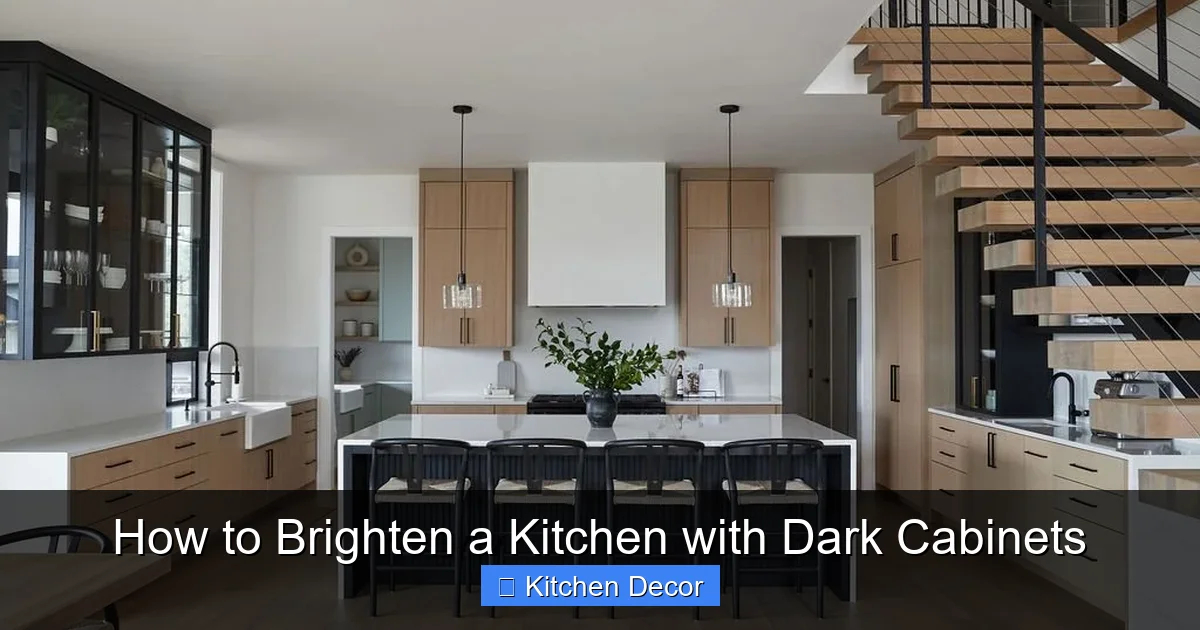
Visual guide about How to Brighten a Kitchen with Dark Cabinets
Image source: imperialcabinets.net
Ambient Lighting: The Foundation
This is your general, overall illumination. In a kitchen with dark cabinets, this needs to be bright and evenly distributed. Recessed can lights are your best friend here. Space them evenly across the ceiling (typically 4-6 feet apart) to create a blanket of light. If you have a low ceiling, consider a slim, modern flush-mount fixture with a high lumen output and a white or reflective shade to direct light downward and sideways. The goal is to eliminate pools of darkness in corners and above countertops.
Task Lighting: The Bright Spot
This is non-negotiable. Under-cabinet lighting is the single most effective upgrade you can make. It directly illuminates your countertop workspace, combating the shadow cast by the upper cabinets onto the surface below. LED strip lights are affordable, easy to install (many are plug-and-play), and come in warm or cool tones. For the ultimate sleek look, install them inside a small valance at the front of the cabinet, so you only see a soft glow. Pro tip: add lighting inside your dark cabinets themselves! Cabinet interior lighting (motion-sensor puck lights or LED strips) turns dark voids into illuminated display spaces and adds a high-end, architectural feel.
Accent & Decorative Lighting: The Drama
Use lighting to highlight architecture and create mood. A pendant light over the sink or island adds focused light and a decorative element. Choose pendants with open designs (cages, exposed bulbs) or light-colored shades (linen, paper, white glass) to maximize light emission. Consider toe-kick lighting—thin LED strips under the base cabinets—which casts a soft, upward glow, making the floor appear brighter and the cabinets feel suspended. Wall sconces on a backsplash or near a window can wash a dark wall with light.
Practical Example: Swap a single, dark, dome-shaped pendant for three small, cylindrical pendants in a brushed nickel finish over your island. The multiple light sources spread illumination better, and the metallic finish reflects light in all directions.
Strategy 2: Color Strategy: High-Contrast is Your Friend
When you have a dark, heavy element like cabinet fronts, the surrounding surfaces must be light to create contrast and reflectivity. Think of your dark cabinets as a piece of art on a white gallery wall. The wall isn’t competing; it’s making the art stand out.

Visual guide about How to Brighten a Kitchen with Dark Cabinets
Image source: uptowncraftworks.com
Walls and Ceiling: Go Bright or Go Home
This is your biggest canvas. Paint your walls a true, crisp white or a very light, warm neutral (like “Swiss Coffee” or “White Dove”). Avoid creamy whites that can look dingy next to dark wood; instead, choose a white with a slight cool undertone (like “Chantilly Lace”) to create a fresh, clean contrast. For the ceiling, always use the brightest white you can. A flat or matte finish on the ceiling is fine, but on walls, a satin or semi-gloss sheen will reflect more light and be easier to clean.
Backsplash: The Light-Bouncing Hero
Your backsplash is the vertical surface directly across from your cabinets. This is prime real estate for reflection. Large-format, glossy subway tiles are a classic choice for a reason—the grout lines are minimal, and the glossy surface bounces light. Consider a full-height mirror as a backsplash behind the sink area (use a moisture-resistant mirror). It’s a dramatic, space-enhancing trick. Alternatively, choose a light-colored quartz or solid surface countertop that extends up the wall as a “waterfall” backsplash. The continuous, seamless, glossy surface will act like a giant light reflector.
Countertops: Light and Reflective
Ditch the dark granite or soapstone. Opt for light-colored quartz, marble, or quartzite with a polished or honed finish. White marble with soft gray veining is a luxurious, light-reflecting choice. If you love pattern, a light, creamy travertine with a honed finish adds texture without darkness. The key is a surface that will bounce light from your under-cabinet lights back into the room.
Strategy 3: Surfaces and Materials That Bounce Light
Beyond color, the *finish* and *material* of everything in your kitchen matter immensely. Matte absorbs; glossy and metallic reflect.
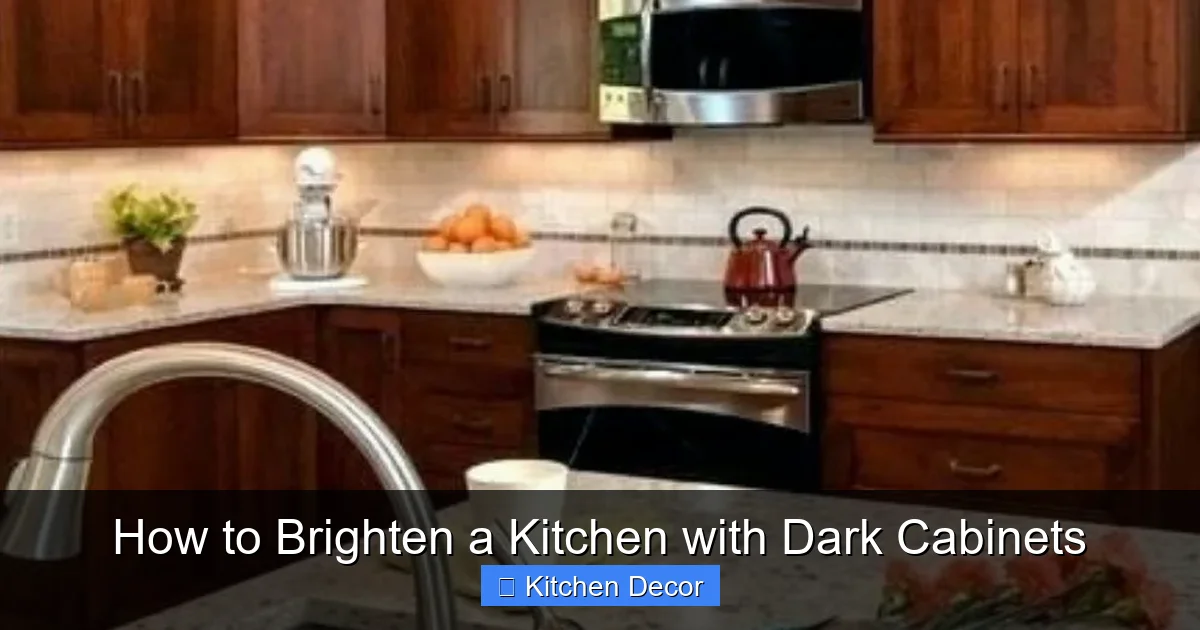
Visual guide about How to Brighten a Kitchen with Dark Cabinets
Image source: i.pinimg.com
Hardware: Shine Bright
This is a relatively small change with a huge impact. Replace any dark, matte cabinet pulls and knobs with polished nickel, chrome, brushed brass, or bronze. The metallic finish acts like tiny mirrors, catching and scattering light. Even if you keep the same style, a switch from oil-rubbed bronze to polished nickel will instantly feel brighter. For a truly seamless look, consider integrated finger-pull hardware (no visible knobs) on your dark cabinets; the clean lines reduce visual weight and feel more modern.
Faucet and Sink: Add More Shine
A stainless steel or polished nickel faucet is a must. It’s a reflective, industrial element that adds brightness. Consider an undermount sink in the same finish to create a continuous, sleek line that doesn’t break up the countertop’s light-reflecting surface.
Flooring: Light and Reflective Options
If you have dark floors, you’re fighting an uphill battle. The ideal is a light, large-format tile or luxury vinyl plank (LVP) with a slight satin finish. Wide-plank, light oak or maple hardwood floors add warmth while keeping things bright. A large, light-colored area rug with a low pile can also help break up a dark floor and add a soft, reflective layer.
Glass and Open Shelving
Replace a few upper cabinet doors with glass fronts. This does two things: it breaks up the massive wall of dark cabinet faces, and it allows light to pass through to the wall behind, creating visual depth. You can style the inside with light-colored dishes or leave them empty. Floating shelves made of light wood or painted white, holding a few curated, light-toned items, are another excellent way to introduce airiness and break the monotony of closed cabinets.
Strategy 4: Accessories and Decor That Lift the Spirit
Once your big surfaces are handled, use accessories to add pops of brightness and personality.
Art and Wall Decor
Hang a large, bright piece of art on the main wall. A landscape with a sky, an abstract with white and yellow, or even a large, framed white or metallic mirror. The frame should be light (white, natural wood, thin metal). Avoid dark, heavy frames.
Textiles: Light and Airy
A window treatment in a sheer, white linen or cotton allows maximum natural light to filter in while providing privacy. If you need more coverage, use a light-colored Roman shade under a sheer curtain. A small, light-colored rug by the sink or a bright tea towel on a hook adds a touch of cheerful color without committing.
Plants and Natural Elements
Bring in life. A few potted herbs on the sunny windowsill (like mint, basil, or parsley) add a vibrant green that feels fresh and bright. A hanging plant in a macramé hanger (like a pothos or spider plant) draws the eye upward and adds organic texture. The green provides a beautiful, natural contrast to dark cabinets and light walls.
Strategy 5: Optimize and Amplify Natural Light
You can’t create windows where none exist, but you can absolutely maximize what you have.
Window Treatments: Keep it Sheer
Ditch heavy drapes. If you have a window, treat it with the simplest, most translucent option possible. A roller shade in a light-filtering fabric, a simple Roman shade in a neutral linen, or even just a valance that doesn’t block the glass. The goal is to let every photon of sunlight enter the room.
Clean, Clean, Clean
This sounds trivial, but it’s critical. Smudged windows, dusty surfaces, and greasy splatter on light fixtures and backsplashes block precious light. Make a regular habit of cleaning your windows inside and out, wiping down light fixtures, and degreasing your backsplash. A clean, bright surface reflects light far better than a dirty one.
Consider a Light Tube or Skylight
If your budget allows and your roof/ceiling configuration permits, installing a solar tube or a small skylight can be a game-changer. These funnel natural daylight directly into the heart of your kitchen, independent of window placement. A solar tube is often less expensive and less intrusive than a full skylight.
Strategy 6: Layout and Decluttering: The Final Touch
A cluttered kitchen feels smaller and darker. A clean, organized one feels open and airy.
The “Clear Counter” Philosophy
Strive for mostly clear countertops. Store small appliances, cutting boards, and utensil containers in cabinets. Limit countertop decor to 1-2 beautiful, light-colored items (a ceramic canister, a vase, a fruit bowl). This creates visual “breathing room” and allows light to bounce off the countertop surface unimpeded.
Cabinet Organization
Inside your dark cabinets, use light-colored shelf liners (white or light gray). When you open a door, you’ll see a bright interior instead of a dark hole, which subconsciously makes the whole kitchen feel brighter. Use clear or light-colored containers for bulk items to maintain a sense of order and brightness within.
Furniture and Seating
If you have a kitchen table or island with dark chairs, consider slipcovers in a light, washable fabric or add light-colored cushions. A small, light-toned bistro chair at the end of an island can break up a dark island base and add a spot of brightness.
Conclusion: Embrace the Drama, Command the Light
Brightening a kitchen with dark cabinets isn’t about canceling out their rich, sophisticated presence. It’s about creating the perfect stage for them to shine. By becoming a virtuoso of light—layering fixtures, choosing reflective surfaces, and painting with high-contrast colors—you transform your kitchen from a potential dungeon into a dramatic, luminous heart of the home. You’ve invested in beautiful, durable cabinets. Now, invest in the light that makes them the star of the show. Start with the highest-impact, lowest-cost changes: swap your hardware, add under-cabinet lighting, and paint the walls a crisp white. Feel the immediate shift in energy. Then, plan your next moves. Your bright, beautiful, dark-cabinet kitchen is not a contradiction—it’s a design triumph waiting to happen.
Frequently Asked Questions
Can I use dark countertops with dark cabinets and still have a bright kitchen?
It’s very challenging. Dark countertops absorb light and create a heavy, monolithic look. For a bright kitchen, you need at least one major light, reflective surface. We strongly recommend light-colored, glossy countertops (white quartz, light marble) to bounce light from your under-cabinet fixtures upward.
What is the best white paint color for walls with dark cabinets?
Look for a “true white” or a white with a slight cool undertone (like Benjamin Moore’s Chantilly Lace or Sherwin-Williams’ High Reflective White). These provide the sharpest, cleanest contrast against dark tones. Avoid warm, creamy whites (yellow/beige undertones) as they can look muddy and make dark cabinets feel dated.
Is it worth the cost to install a skylight or solar tube?
For a kitchen with no natural light and dark cabinets, yes, it can be a transformative investment. A solar tube is a cost-effective way to channel daylight directly into the space. It provides a natural, full-spectrum light that artificial lights can’t perfectly replicate, significantly lifting the mood and brightness all day long.
Should I get light-colored or dark flooring?
For maximum brightness, light-colored flooring is almost always the better choice. Light oak hardwood, large-format pale tile, or a light, satin-finish luxury vinyl plank will reflect light upward. If you must keep dark floors, use a large, light area rug to break up the darkness and add a reflective layer.
How do I prevent my kitchen from looking too stark or clinical with all this light?
Balance is key. Introduce warmth through natural materials: a light wood floor, a woven basket, a brass or bronze faucet/hardware, and textured textiles like linen curtains or a jute rug. These elements add coziness and character, preventing the space from feeling like a sterile hospital room.
What’s the single most effective upgrade I can do for under $200?
Hands down, install LED under-cabinet lighting. A quality plug-and-play kit can be purchased for under $100 and installed in under an hour. It directly eliminates the primary shadow source (the cabinet over the countertop) and makes the entire workspace instantly brighter, cleaner, and more functional.