Mastering salmon at 350°F is simpler than you think. The golden rule is targeting an internal temperature of 125-130°F for medium-rare, which typically takes 12-18 minutes for a standard 1-inch fillet in a 350°F oven. Your exact cook time depends entirely on the salmon’s thickness and cut, not its weight. Investing in a digital instant-read thermometer and a good rimmed baking sheet is non-negotiable equipment for 2026 to achieve consistent, restaurant-quality results without the guesswork.
Key Takeaways
- Thickness is King: Cook time is determined by the thickest part of the salmon fillet or steak, not its total weight. A 1-inch thick piece cooks much faster than a 2-inch thick piece, even if they weigh the same.
- Temperature Over Time: Always use an instant-read thermometer. Aim for 125°F (medium-rare) to 130°F (medium). The salmon will carry over to 130-135°F while resting, achieving perfect doneness without overcooking.
- 350°F is the Sweet Spot: This moderate oven temperature cooks salmon gently and evenly, allowing the fat to render slowly for moist flesh and preventing the exterior from drying out before the center cooks.
- Rest is Non-Negotiable: Let salmon rest for 5-10 minutes after removing it from the oven. This allows juices to redistribute, resulting in flaky, moist fish instead of a dry plate.
- Equipment Matters in 2026: Upgrade to a heavy-duty, conductive rimmed baking sheet (like aluminum or steel) and a reliable digital thermometer. New “smart” oven probes with app alerts are game-changers for precision.
- Skin-On vs. Skinless: Skin-on salmon provides more protection and flavor. Cook skin-side down for most of the time; the skin crisps beautifully and acts as a barrier against direct heat.
- Don’t Crowd the Pan: Ensure at least 1 inch of space between pieces. Overcrowding steams the salmon, leading to rubbery texture and uneven cooking.
📑 Table of Contents
- Why 350°F is Your Salmon’s Best Friend (And How to Get It Right)
- Decoding Your Salmon: Cuts, Thickness, and Why They Matter More Than Weight
- The 2026 Essential Equipment List: Ditch the Guesswork, Upgrade Your Tools
- The Science of 350°F: Why This Temperature is the 2026 Consensus
- Step-by-Step: Your 2026 Master Guide to Perfect Salmon at 350°F
- Troubleshooting 2026: Why Your Salmon Might Be Dry, Undercooked, or Rubbery
- Beyond the Basics: Creative 2026 Twists on 350°F Salmon
- Conclusion: Your Journey to Salmon Confidence Starts Now
Why 350°F is Your Salmon’s Best Friend (And How to Get It Right)
Let’s be real: cooking salmon at home can feel like walking a culinary tightrope. One minute it’s perfect, the next it’s a dry, chalky disappointment. You’ve seen the recipes, the conflicting timings, the vague “cook until opaque” instructions that leave you second-guessing. In 2026, we’re moving past guesswork. The magic number? 350°F. This isn’t just another oven setting; it’s the Goldilocks zone for salmon—not too hot to shock the delicate flesh, not too cool to leave it sitting in its own juices. It provides gentle, enveloping heat that cooks the fish evenly from edge to center, giving you that elusive combination of a barely-set, creamy interior and a tender, flaky exterior. But knowing the temperature is only half the battle. The real secret sauce? Understanding exactly how long to cook your specific piece of salmon at that 350°F mark, and having the right equipment to tell you when it’s done. This guide cuts through the noise. We’re diving deep into the science, the timing, and the 2026 gear that transforms you from a cautious cook into a salmon virtuoso.
Decoding Your Salmon: Cuts, Thickness, and Why They Matter More Than Weight
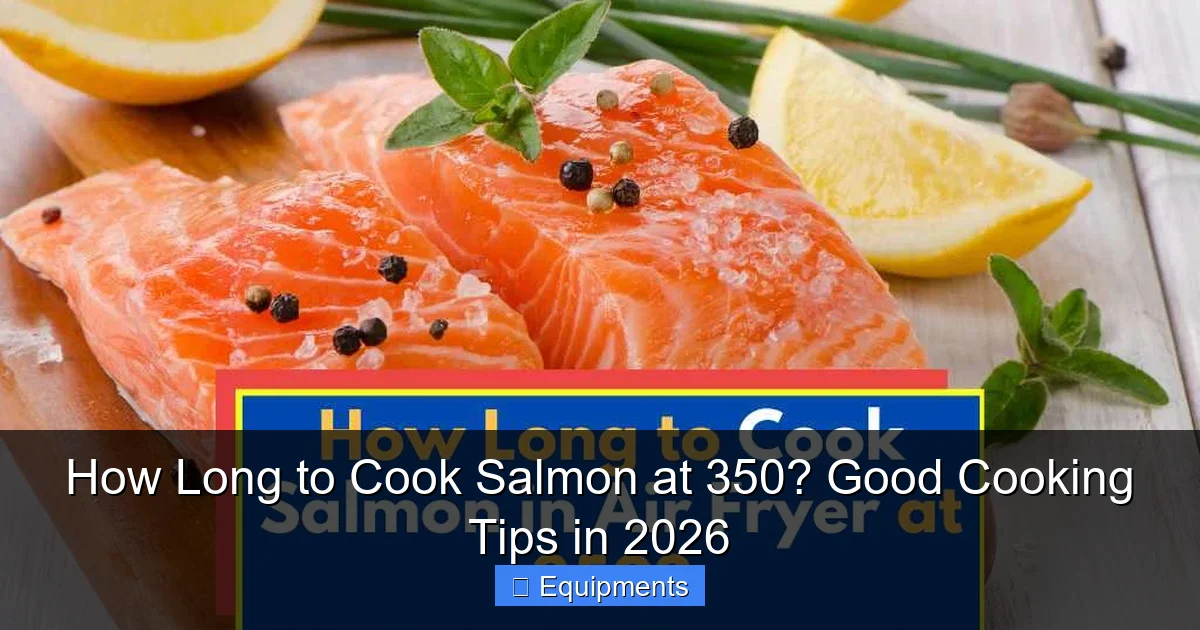
Here’s the first and most critical myth to bust: the weight of your salmon fillet is virtually irrelevant for timing. A 6-ounce fillet could be a thin, wide piece or a short, thick chunk, and they will cook at vastly different rates. The single most important variable is thickness—specifically, the measurement at the thickest point of the piece. This is why you’ll never see a reliable recipe say “cook a 1-pound salmon for X minutes.” It’s why your friend’s perfect salmon might be dry while yours is raw, even if you both used the same “1-pound” recipe. Let’s break down the common cuts you’ll encounter.
Visual guide about How Long to Cook Salmon at 350? Good Cooking Tips in 2026
Image source: backyardapron.com
The Standard Fillet: Your Weeknight Warrior
The Atlantic or Pacific salmon fillet, sold skin-on or skinless, is the most common cut. Thickness can range from a delicate ½-inch for petite portions to a hearty 1½-inch for a centerpiece. For a 1-inch thick, skin-on fillet at 350°F, you’re looking at a baseline of 12-15 minutes. But we’re getting ahead of ourselves. Always measure first.
The majestic Salmon Steak or Crown
Cut from the cross-section of the fish, steaks include the bone and are uniformly thick (usually 1 to 1¼ inches). They’re stunning for presentation. Because they’re symmetrical, they cook more predictably than a tapered fillet. A 1-inch thick steak at 350°F typically needs 14-18 minutes. The bone conducts heat slightly differently, so a thermometer is your best friend here.
The Whole Salmon Side: A Party Centerpiece
Cooking a whole side of salmon (half the fish) at 350°F is a spectacular, low-fuss option for a crowd. Thickness varies dramatically from the thin belly to the thick back. You must roast based on the thickest part, which is usually near the dorsal fin. For a 2-inch thick side, plan for 25-35 minutes. The key is to tent it loosely with foil after the first 15 minutes to prevent the thinner sections from over-browning.
Practical 2026 Tip: Keep a small ruler or the edge of your knife in the kitchen. Before you preheat the oven, measure the thickest part of your salmon in inches. Write it down. That number is your primary timing input. Everything else—oven type, pan color, starting temperature of the fish—is secondary. A cold fillet from the fridge will take 2-3 minutes longer than one brought to room temp. For ultimate precision in 2026, consider a digital kitchen scale with a built-in thickness gauge—some premium models now integrate this, removing all guesswork.
The 2026 Essential Equipment List: Ditch the Guesswork, Upgrade Your Tools
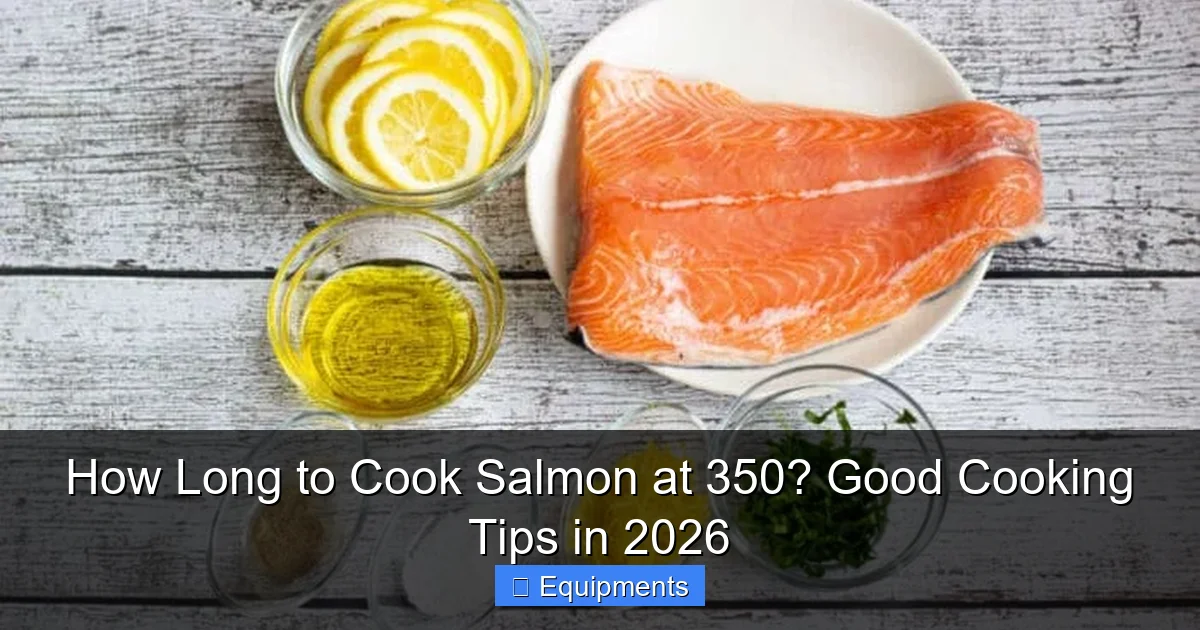
If you’re serious about nailing salmon every single time, your equipment is your co-pilot. The tools you used five years ago might be holding you back. In 2026, technology and materials science have given us smarter, more efficient gear. Let’s build your perfect salmon toolkit.
Visual guide about How Long to Cook Salmon at 350? Good Cooking Tips in 2026
Image source: temeculablogs.com
The Non-Negotiable: Digital Instant-Read Thermometer
This is the single most important piece of equipment you will own for cooking protein. Period. No timer, no visual cue, no finger-poking test can match its accuracy. You’re looking for a model that reads in 2-3 seconds and is waterproof for easy cleanup. In 2026, look for models with probe guards that double as cable organizers and backlit displays for dim ovens. Brands like Thermapen ONE set the standard, but excellent budget options exist. Use it to check the internal temperature at the thickest spot, avoiding the bone if present. Target 125°F for medium-rare, 130°F for medium. Pull it out 5 degrees below your target, as carryover cooking will add 5 degrees in 5-10 minutes on the counter.
The Baking Sheet Revolution: Conductive, Rimmed, and Heavy
Say goodbye to thin, warping cookie sheets. For 2026, invest in a heavy-duty, commercial-grade rimmed baking sheet (often called a “half-sheet pan”). Look for one made from anodized aluminum or heavy-gauge steel. These materials conduct heat evenly and retain it, preventing hot spots that cook one edge faster. The rim is crucial to contain any escaping oils or juices. Pair it with a wire cooling rack that fits inside the pan. Elevating the salmon on a rack allows hot air to circulate underneath, promoting even cooking and a better texture on the bottom. This simple upgrade is a game-changer.
Smart Oven Tech & Probes: The 2026 Game-Changer
The rise of “smart” kitchen appliances isn’t just a gimmick. Many new ovens and countertop models (like advanced air fryer/toaster ovens) come with built-in, leave-in temperature probes that connect to an app or the oven’s display. You set your target internal temperature (e.g., 130°F), insert the probe into the thickest part of the salmon, and the oven automatically switches to a “warm” or “keep warm” setting once that temp is reached. This eliminates the need to open the oven door, check, and guess. It’s the closest thing to a “set-and-forget” perfect salmon. If your oven doesn’t have this, standalone bluetooth leave-in probes (like from Meater or ThermoWorks) are a fantastic 2026 upgrade, sending alerts to your phone.
Parchment Paper vs. Silpat: The Non-Stick Debate
For easy cleanup and to prevent sticking, both are excellent. Parchment paper is disposable and creates a slight cushion, which can slightly slow heat transfer (by about 1-2 minutes). A reusable Silpat (silicone baking mat) sits flush against the hot pan, offering more direct contact and potentially a slightly crispier skin. In 2026, many chefs are opting for reusable, non-stick aluminum foil—it combines the conductivity of metal with easy cleanup. Choose based on your cleanup preference; the cooking time difference is minimal.
The Science of 350°F: Why This Temperature is the 2026 Consensus
You might wonder, why 350°F specifically? Why not 400°F for speed, or 300°F for gentleness? The answer lies in the delicate structure of salmon proteins. Salmon muscle fibers are shorter and more tender than, say, a chicken breast. Cooking them at a high temperature (400°F+) causes the proteins to contract and squeeze out moisture very rapidly. The exterior can become tough and dry before the center even reaches temperature. Conversely, very low temperatures (300°F or below) can leave the fish sitting in its own released liquids for too long, which can result in a steamed, somewhat mushy texture and less flavorful skin.
Visual guide about How Long to Cook Salmon at 350? Good Cooking Tips in 2026
Image source: temeculablogs.com
350°F hits the sweet spot. It’s hot enough to create a gentle sear on the exterior, rendering the fat and crisping the skin if present, but not so hot that it violently denatures the proteins before heat can penetrate. This moderate heat allows the temperature gradient from the surface to the center to be more gradual. The result? A uniform cook from edge to edge. You get that beautiful, opaque, flaky flesh without a dry, overcooked outer ring. It’s the most forgiving temperature for home cooks to achieve consistent results, especially when using the equipment we discussed. In 2026, with better oven calibration and conductive pans, 350°F has emerged as the clear, reliable recommendation from test kitchens and chefs alike for foolproof oven-roasted salmon.
Step-by-Step: Your 2026 Master Guide to Perfect Salmon at 350°F
Armed with the right knowledge and tools, let’s cook. This process is designed for a standard 1-inch thick, skin-on fillet. Adjust times based on your thickness measurement from earlier.
Step 1: Prep & Preheat (The 15-Minute Rule)
Place your oven rack in the center position. Preheat your oven to 350°F. Do not skip this. An oven that’s not fully preheated will lower the temperature when you add the cold salmon, throwing off your timing. While it preheats, pat your salmon fillets very dry with a paper towel. This is non-negotiable for crispy skin and even browning. Moisture on the surface steams the fish. If your salmon has pin bones, remove them now with tweezers. Season generously on all sides with kosher salt and freshly ground black pepper. For 2026 flavor twists, try a light dusting of smoked paprika or furikake.
Step 2: Pan Setup & Placement
Line your heavy-duty rimmed baking sheet with your choice of parchment, Silpat, or reusable foil. If using a wire rack, place it inside the pan. Lightly oil the rack or the foil. Place the salmon fillets on the rack/pan, skin-side down if it has skin, with at least 1 inch of space between each piece. This ensures hot air circulation. If you’re not using a rack, place directly on the lined pan.
3: The Clock & The Thermometer (Your New Best Friends)
Place the pan in the preheated oven. Set a timer for the minimum time based on thickness: for a 1-inch thick piece, set it for 12 minutes. At the 12-minute mark, carefully check the internal temperature by inserting your instant-read thermometer probe into the thickest part, parallel to the cutting board. Do not touch the bone or the pan.
- For Medium-Rare (125°F): Pull immediately. It will carry over to 130°F.
- For Medium (130°F): Pull immediately. It will carry over to 135°F.
- If below 120°F: Return to oven and check every 2-3 minutes.
2026 Pro Tip: If using a smart leave-in probe, insert it now, set your target (130°F), and forget the timer. The app will alert you.
Step 4: The Critical Rest
Once the salmon reaches your target temperature, remove the pan from the oven. Do not cut into it immediately. Transfer the salmon to a plate or cutting board (a wire rack over a plate is ideal to keep the bottom from steaming). Tent loosely with foil and let it rest for 5-10 minutes. This is when the magic happens: the muscle fibers relax, and the juices that were forced to the center during cooking redistribute throughout the fillet. Cutting too soon releases all those precious juices onto your board, leaving the fish dry.
Step 5: Serve & Enjoy
After resting, the skin (if present) should be crisp and release easily from the rack/pan. Serve immediately with a squeeze of lemon, a dab of compound butter, or your favorite sauce. The flesh should be opaque, flake gently with a fork, and be moist throughout.
Troubleshooting 2026: Why Your Salmon Might Be Dry, Undercooked, or Rubbery
Even with a plan, things can go awry. Here’s how to diagnose and fix the most common issues.
“My salmon is dry and flaky.”
Diagnosis: Almost always overcooked. The internal temperature exceeded 135°F, causing the proteins to contract too much and squeeze out moisture. It may also have been a very lean, farmed variety cooked to well-done.
2026 Fix: Use your thermometer religiously. Pull at 125°F for medium-rare next time. If you consistently overshoot, your oven may run hot. Use an independent oven thermometer to verify. Also, consider a shorter cook time by starting with a slightly thicker piece or reducing oven temp to 325°F for a more gentle cook.
“The skin isn’t crispy; it’s soggy.”
Diagnosis: Moisture on the skin, insufficient pan heat, or overcrowding that steams the fish.
2026 Fix: Pat the skin incredibly dry. Use a conductive pan (metal, not glass). Ensure the oven is fully preheated. If using a rack, make sure the skin isn’t sitting in accumulated juices. For extra-crispy skin, you can sear skin-side down in a hot, oiled skillet for 1-2 minutes before transferring the pan to the 350°F oven to finish cooking through.
“It’s undercooked/raw in the center.”
Diagnosis: Thickness was underestimated, oven temperature is low, or the piece was very cold from the fridge.
2026 Fix: Measure thickness accurately. If your piece is over 1.5 inches thick, consider starting it in a hot skillet to form a crust, then finish in the 350°F oven. Bring salmon to room temperature for 20-30 minutes before cooking. Verify your oven’s actual temperature with a separate thermometer.
“It has a white, mushy layer on the surface.”
Diagnosis: This is albumin, a protein that coagulates and is pushed out of the muscle fibers during cooking, especially at higher heats. It’s harmless but unappetizing.
2026 Fix: Cook at a moderate temperature like 350°F, not 400°F+. Brining the salmon for 10-15 minutes in a solution of 1 quart water and 1/4 cup salt before cooking can help denature the proteins and reduce albumin leakage. Also, avoid overcooking.
Beyond the Basics: Creative 2026 Twists on 350°F Salmon
Once you’ve mastered the plain Jane, it’s time to play. The 350°F oven is a canvas for global flavors.
Mediterranean Herb-Crusted
Mix ¼ cup panko breadcrumbs, 2 tbsp chopped fresh dill/parsley/oregano, 1 minced garlic clove, zest of 1 lemon, and 1 tbsp olive oil. Press onto the flesh side of the fillet just before baking. The breadcrumb topping adds texture and protects the surface.
Asian-Glazed with Miso
Whisk together 2 tbsp white miso paste, 1 tbsp mirin, 1 tbsp sake (or water), and 1 tsp honey. Spread over the salmon 15 minutes before baking. The sugars caramelize beautifully at 350°F, creating a sticky, savory-sweet glaze.
“Everything Bagel” Seasoned
The ultimate 2026 shortcut. Generously coat the salmon with everything bagel seasoning (sesame seeds, poppy seeds, dried garlic, onion, salt). The seeds toast perfectly in the oven, adding incredible crunch and flavor.
Pesto-Filled Salmon
Make a horizontal slit along the side of a thick salmon steak or a large fillet. Fill with 2-3 tbsp of store-bought or homemade basil pesto. Secure with a toothpick and bake as usual. The pesto infuses the flesh with herbaceous, cheesy goodness.
Conclusion: Your Journey to Salmon Confidence Starts Now
Cooking perfect salmon at 350°F isn’t about memorizing a single, rigid timer. It’s about understanding the relationship between thickness, temperature, and time. It’s about respecting the ingredient by using the right tools—a conductive pan, a trustworthy thermometer, and maybe even a smart probe. By measuring your fish, targeting an internal temperature of 125-130°F, and allowing it to rest, you remove 95% of the variables that lead to failure. The 350°F oven is your steady, reliable partner in this. Embrace the process. Buy that digital thermometer. Measure that thickness. You have all the information you need. In 2026, there’s no reason for dry salmon. Go forth, cook with confidence, and enjoy every flaky, moist, perfectly cooked bite.
Frequently Asked Questions
Should I cook salmon skin-side down or up at 350°F?
Always start skin-side down if the skin is on. The skin protects the flesh from direct heat, helps render fat for flavor, and gets crispy. You typically do not need to flip it unless you want crispiness on both sides, which is rare. The residual heat will cook the top sufficiently.
Can I cook frozen salmon at 350°F without thawing?
Yes, but it’s not ideal for perfect texture. Cooking from frozen will increase cook time by about 50% and can lead to uneven cooking and more albumin release. For best results, thaw salmon in the refrigerator overnight. If you must cook from frozen, pat it extremely dry and add 5-8 minutes to your estimated time, using a thermometer to verify doneness.
How do I know if my salmon is done without a thermometer?
Look for these visual cues: the flesh should be opaque and flake easily with a fork. It should separate into distinct layers. When you gently press the thickest part with a spoon, it should feel firm but still have a slight give, like the fleshy part of your palm at the base of your thumb. However, a thermometer is infinitely more reliable and is the recommended method for 2026.
Is it better to bake salmon in foil or on a bare pan?
For ultimate ease of cleanup and to create a steamy environment that keeps salmon very moist, bake it in a foil packet (with aromatics like lemon and herbs). For a drier exterior, crisper skin, and better browning, bake it uncovered on a lined or greased pan. The method depends on your desired texture.
What’s the ideal internal temperature for salmon?
The USDA recommends 145°F for safety, but most chefs and food scientists agree that salmon is best at 125-130°F (medium-rare to medium). At these temperatures, the flesh is translucent, buttery, and flaky. It is safe to consume for healthy individuals, as the risk of parasites in farmed and most wild-caught salmon is extremely low. Use your own discretion.
Can I use an air fryer instead of the oven at 350°F?
Yes, but timing changes. An air fryer at 350°F cooks faster due to intense air circulation. A 1-inch fillet might take only 8-10 minutes. Always use a thermometer. The results can be excellent, with a nicely crisped exterior, but you lose the gentle, even heat of a conventional oven for very thick pieces. A hybrid “air fryer toaster oven” is a fantastic 2026 appliance for this task.
Pingback: Should Frozen Salmon Ftom a Bag Be Cook After Hotten Toom Temperture - kitchenandhouseware.com
Pingback: What Temperature to Cook Salmon - kitchenandhouseware.com
Pingback: Salmon Oven Cook Time - kitchenandhouseware.com