An Aga stove is a heat-storage cooker that uses a continuously burning core to radiate steady, gentle heat through its cast-iron body. It features three distinct oven compartments (roasting, baking, simmering) and two hotplates with different temperature zones, all without traditional temperature controls. This design creates a uniquely forgiving and flavorful cooking experience, but requires understanding its always-on nature.
Key Takeaways
- It’s a heat-storage cooker: A heavy cast-iron core is heated 24/7 by a small, constant burner, storing vast thermal energy to radiate gentle, even heat.
- No on/off or temperature knobs: You cook by understanding the fixed heat of each oven and hotplate zone, moving food between them rather than adjusting a dial.
- Three ovens, three jobs: The top oven is for roasting/broiling (high heat), the middle for baking (moderate heat), and the bottom for slow-cooking/simmering (low heat).
- Two hotplates, two heats: The “boiling plate” is the hottest for searing and boiling; the “simmering plate” is cooler for gentle reductions and sauces.
- It heats the kitchen: The radiant warmth is a welcome bonus in cooler climates but can be excessive in warm weather, requiring kitchen ventilation.
- It’s a lifestyle appliance: Cooking is slower, more intuitive, and forgiving, but it demands a shift from modern, fast-cooking habits.
- Fuel types vary: Traditional models run on coal, oil, or gas; modern versions include electric and multi-fuel options with improved efficiency.
📑 Table of Contents
- The Enduring Allure of the Aga: More Than Just a Stove
- A Brief History and the Genius of Cast-Iron Design
- The Heart of the Matter: Heat Storage and Radiant Cooking
- Decoding the Three Oven System: Roasting, Baking, and Simmering
- Mastering the Hotplates: The Boiling and Simmering Zones
- Living with an Aga: Practicalities, Maintenance, and Mindset
- Is an Aga Right for You? The Modern Landscape
- The Unmatched Reward: Flavor and the Joy of Cooking
The Enduring Allure of the Aga: More Than Just a Stove
Step into a kitchen with an Aga, and you feel it immediately. It’s not just the gentle, pervasive warmth on a chilly morning. It’s the solid, reassuring presence of that gleaming, enameled cast-iron body, often in a iconic color like cream, black, or a bold red. It hums with a quiet, constant energy. It’s a focal point, a hearth, a symbol of a certain kind of country living. But beneath its charming, traditional exterior lies a brilliantly simple yet profoundly different engineering philosophy. Understanding how an Aga stove works is the first step to unlocking its magic and mastering its unique culinary potential. It’s not a conventional oven; it’s a heat-storage system, a thermal battery that transforms the act of cooking.
For over a century, the Aga has been synonymous with robust, reliable cooking. Invented by Swedish Nobel Prize-winning physicist Dr. Gustaf Dalén in 1922 after he lost his sight in an accident, his goal was to create a safe, easy-to-use cooker that wouldn’t require constant tending or risk of gas leaks. His solution was this magnificent, always-hot appliance. Today, while modern kitchens are filled with sleek, digital, rapid-heating induction cooktops and convection ovens, the Aga stands apart. It operates on a completely different set of principles, one that rewards patience and intuition. This guide will demystify the inner workings of this legendary cooker, from the physics of its cast-iron heart to the practical art of cooking on its hotplates and in its three ovens.
A Brief History and the Genius of Cast-Iron Design
To truly appreciate how an Aga stove works, a glimpse into its history is essential. Dr. Dalén’s invention was born from necessity and ingenuity. He designed a cooker that used a small, pilot-like burner to heat a massive, central cast-iron core. This core, due to the exceptional thermal mass of cast iron, would absorb and store this heat for hours, even after the burner momentarily cycled off. This stored heat was then radiated steadily and evenly from the surfaces of the cooker—the oven walls and the hotplate lids. There were no complex thermostats, no elements to burn out. It was elegant, fail-safe, and incredibly efficient at its intended task: providing consistent, dry heat for cooking.
Visual guide about How Does an Aga Stove Work
Image source: thekitchenix.com
The Role of Thermal Mass
The secret ingredient in an Aga’s design is thermal mass. Think of it like a thermal battery. Cast iron is incredibly dense and has a high capacity to absorb heat. The Aga’s central column or “firebox” (depending on the model) is a monolithic piece of cast iron, often weighing several hundred kilograms. The small burner, typically running on gas, oil, or electricity, heats this core to a very high temperature (often between 250°C and 300°C or 480°F to 570°F). Once hot, this core takes a long time to cool down. It doesn’t need to be reheated constantly; the burner only kicks in periodically to maintain that core temperature. This stored heat is then gently and continuously radiated outward through the thick enameled surfaces of the ovens and hotplates. This is why an Aga is always warm. It’s not wasting energy heating up from cold every time you cook; it’s perpetually ready, simmering away in the background.
The Iconic Form and Function
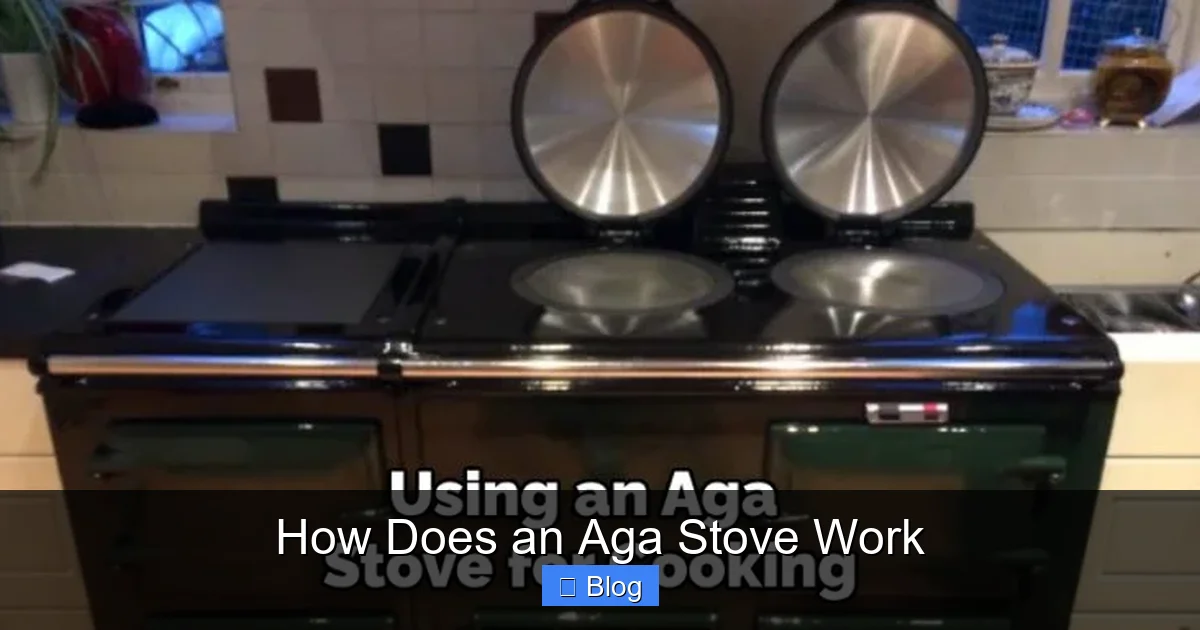
Classic Aga models, like the beloved 6-oven or 4-oven range, are instantly recognizable. Their large, upright, enameled cast-iron structure houses multiple ovens stacked vertically and features heavy, insulated lids that lift to reveal the hotplates beneath. This design isn’t just aesthetic; every element serves a purpose. The thick insulation (historically spun mineral fiber, now often advanced refractory materials) surrounds the core and ovens, ensuring heat is directed outward where it’s needed for cooking and into the kitchen, rather than being lost. The heavy lids seal in the heat when closed, making the hotplates safe to touch and conserving energy. It’s a masterpiece of applied thermodynamics, wrapped in a beautifully functional piece of industrial design.
The Heart of the Matter: Heat Storage and Radiant Cooking
So, what does this stored heat actually do? The fundamental difference between an Aga and a conventional oven is the method of heat transfer. A standard electric or gas oven primarily uses convection—hot air circulated by a fan or natural rise—to cook food. An Aga, with its massive, hot surfaces, uses radiant heat. Imagine the difference between standing in front of a roaring fireplace (radiant heat) and standing in a warm room with a forced-air heater (convective heat).
Visual guide about How Does an Aga Stove Work
Image source: thekitchenix.com
The walls of each Aga oven are hot. They emit infrared radiation that directly penetrates the food, cooking it from the outside in, much like a professional pizza oven. This radiant heat is incredibly even, with no hot spots from a fan or element. It’s also dry heat, which is perfect for creating crispy skins on roast meats and achieving beautiful, even bakes. The temperature in each oven is remarkably stable because it’s governed by the thermal mass of the cast iron, not by a thermostat rapidly switching a heating element on and off. This stability is one of the Aga’s greatest strengths for baking bread, cakes, and soufflés, which hate temperature fluctuations.
The Always-On Principle
The concept of a stove that is never turned off is the single biggest mental shift for new Aga owners. The main burner runs continuously, cycling on and off to maintain the core temperature. This means the ovens and hotplates are always at or near their operating temperature. You don’t preheat an Aga oven in the conventional sense; it’s perpetually preheated. You simply select the correct oven for your task and put the food in. If the roasting oven is a little too fierce for a delicate cake, you move it to the baking oven. Cooking becomes an act of management and placement, not of control. This is why Agas are famed for being forgiving—a few minutes late taking a roast out? The gentle, stored heat will keep it perfect without burning it.
Decoding the Three Oven System: Roasting, Baking, and Simmering
The classic Aga range is defined by its three ovens, each with a specific, fixed temperature profile. This isn’t arbitrary; it’s a direct result of their physical position relative to the central heat source. Understanding these ovens is the cornerstone of how does an Aga stove work in practice.

Visual guide about How Does an Aga Stove Work
Image source: c8.alamy.com
The Top Oven: The Roasting/Broiling Chamber
Located highest, this oven is the hottest, typically ranging from 200°C to 230°C (390°F to 450°F). Its primary purpose is high-heat cooking: roasting meats and vegetables to achieve a caramelized, crispy exterior, and broiling (or grilling, as it’s known in the UK). The intense radiant heat sears the surface of food beautifully. Because it’s so hot, it’s also ideal for cooking pizzas, flatbreads, and anything that benefits from a quick, fierce blast of heat. Practical tip: Use this oven for your Sunday roast chicken, a tray of roasted root vegetables, or to finish a steak with a perfect crust. Always place food on a rack to allow radiant heat to circulate underneath.
The Middle Oven: The Baker’s Dream
Sitting below the roasting oven, this is the moderate-heat zone, usually around 170°C to 190°C (340°F to 375°F). This is the workhorse for baking. The consistent, dry, radiant heat is legendary for producing evenly risen cakes, fluffy scones, and perfectly golden loaves of bread. There’s no fan to deflate a soufflé or dry out a sponge. Many Aga owners swear this is the best baking oven they’ve ever used. Practical tip: This is your go-to for Victoria sponge cake, cookies, pies, and casseroles. Because the heat is so even, you can often bake multiple trays at once without rotation.
The Bottom Oven: The Simmering Haven
The lowest oven is the coolest, maintaining a gentle, slow-cooking temperature, typically between 100°C and 150°C (210°F to 300°F). This is the simmering oven, designed for long, slow cooking: braises, stews, soups, and puddings. A joint of meat or a pot of chili left here for hours will become meltingly tender. It’s also perfect for keeping cooked food warm for ages without overcooking it. Practical tip: Use it for a slow-cooked lamb shoulder, a pot of beans, or to gently reheat a casserole. You can literally put a stew in in the morning and forget about it until dinner.
Mastering the Hotplates: The Boiling and Simmering Zones
Lifting the heavy, insulated lids of an Aga reveals the two iconic hotplates (or “hotplates” in UK terminology). These are not flat, glass-ceramic surfaces; they are thick, cast-iron plates, each with a distinct and fixed heat output. Again, there are no dials. The heat is determined by which plate you use.
The Boiling Plate: The Powerhouse
This is the larger of the two plates and is the hottest. It’s designed for rapid boiling, searing, and stir-frying. Water will come to a rolling boil here surprisingly quickly. The intense, direct radiant heat from the plate is perfect for getting a good sear on a steak in a cast-iron skillet or for a wok hei (breath of the wok) effect. Practical tip: Use the boiling plate for pasta, boiling potatoes, flash-frying vegetables, and preheating pans for a perfect sear. Remember, the heat is intense and constant, so you may need to adjust your technique from a conventional hob—food can cook faster on the outside once the pan is hot.
The Simmering Plate: The Gentle Giant
The smaller plate is significantly cooler, intended for gentle simmering, reducing sauces, and slow cooking in a pan. A pot of stock or a sauce left here will bubble softly without risk of boiling over or scorching. It’s also where you’ll melt chocolate or make custards using a double boiler. Practical tip: This plate is your friend for delicate tasks. Use it for making risotto (the constant, gentle heat is ideal), simmering soups, and melting butter without browning it. A good rule of thumb: if you wouldn’t put it on a “low” setting on an electric hob, it probably belongs on the simmering plate.
Strategic Cooking: The Art of Moving, Not Turning
Cooking on an Aga hotplate is about positional cooking. Because the heat is constant and radiant, you control the cooking speed not by turning a knob down, but by moving the pan. If something is cooking too fast on the boiling plate, slide it over to the simmering plate. If a sauce needs a final boost, move it back. You also learn to use the “off” spot between the plates, which is cooler still, for holding food at a very low temperature. This system encourages you to be present and attentive in a different way, tasting and adjusting by moving your pot rather than twisting a dial.
Living with an Aga: Practicalities, Maintenance, and Mindset
Owning an Aga is a commitment, but one most owners relish. It changes the rhythm of your kitchen and, by extension, your home.
The Perpetual Warmth: A Boon and a Challenge
The most obvious effect of an always-on Aga is the ambient heat it provides. In a cool country kitchen or a chilly hallway, this is a beloved feature—no cold floors, no damp chill. It can even be used to dry clothes or prove bread dough. However, in summer or in a well-insulated modern kitchen, this heat can be too much. Good ventilation, such as an extractor fan or opening windows, becomes essential. Some modern Aga models have “economy” settings or can be turned down to a low “slumber” mode during warm months, but the classic always-on model is just that—always on.
Energy Use and Modern Efficiency
The question of efficiency is complex. An Aga is not a “quick-burst” appliance; its energy consumption is measured in constant, low-level use. A traditional gas or oil Aga might use a similar annual amount of energy to a conventional cooker because it’s always on, but it replaces the need for separate room heating in cooler seasons. Modern electric Agas are highly efficient at converting electricity to heat, and models with programmable timers and better insulation have improved their environmental footprint. The key is viewing it as a whole-kitchen heating system that also cooks, rather than comparing it directly to an oven you use for 30 minutes a day.
Routine Care: A Simple Regimen
Maintaining an Aga is refreshingly straightforward. The heavy lids and doors are designed to contain mess. A daily wipe-down of the enameled surfaces with a soft cloth and a specialist enamel cleaner is usually sufficient. The most important regular task is de-scaling the hotplates. Over time, mineral deposits from boiling water can create a white, crusty layer on the plates, reducing their efficiency. This is easily removed with a specialized de-scaler (like Aga de-scaler or a citric acid-based cleaner) applied while the plates are warm (not scalding hot). The ovens are self-cleaning in a sense—any spills burn off to ash at their high temperatures, which can be brushed out when cool. Annual servicing by a qualified engineer is crucial for gas and oil models to ensure safe and efficient operation of the burner and flue.
Is an Aga Right for You? The Modern Landscape
The traditional coal-fired Aga is a thing of the past for most new installations. Today’s market offers a range of options that address modern needs for fuel choice, control, and efficiency.
Fuel Choices: From Traditional to Electric
Modern Agas are available in several fuel types:
- Natural Gas: The most common and convenient where available.
- LPG (Propane/Butane): For homes off the mains gas grid.
- Electric: Increasingly popular. Modern electric Agas use sophisticated, responsive elements to heat the core. They can often be programmed, have “boost” functions for faster heat-up, and some models allow individual oven control, offering more flexibility while retaining the radiant-heat cooking philosophy.
- Multi-Fuel: Some models can run on gas or electric, offering flexibility.
The Aga Lifestyle: Who It’s For
An Aga is not for everyone. It’s ideal for:
- Families and home cooks who value cooking from scratch and appreciate the ability to keep food warm for hours.
- Country or period homes where its aesthetic and ambient heat are perfect.
- Enthusiastic bakers who will adore the middle oven.
- Those who dislike precision cooking and prefer a more intuitive, forgiving approach.
It’s less ideal for:
- Small, modern, open-plan kitchens where the heat output can be overwhelming.
- People with very fast-paced lives who rely on rapid heating and precise digital controls.
- Eco-conscious users in regions with expensive or fossil-fuel-based electricity unless using a highly efficient model or renewable energy source.
The Unmatched Reward: Flavor and the Joy of Cooking
Ultimately, how an Aga stove works is a story of physics and philosophy. The physics is about thermal mass, radiation, and fixed heat zones. The philosophy is about slowing down, engaging with your food, and trusting the process. The reward is tangible. Food cooked on an Aga—meats with incomparable crusts, breads with perfect crumb, stews that taste like they’ve simmered all day (because they have)—often has a depth of flavor and texture that’s hard to replicate elsewhere. The cooker becomes a partner in the kitchen, a reliable, warm presence that invites you to cook, to bake, to gather. It turns the kitchen into the true heart of the home.
Yes, it requires learning. You’ll have the occasional over-boiled pot on the simmering plate or a slightly too-well-done cake before you master the ovens. But you’ll also discover the joy of putting a cold, seasoned chicken into a hot oven and knowing it will emerge golden and perfect without ever having touched a dial. You’ll appreciate the way a pot of soup stays ready for lunch all afternoon. You’ll understand why, for generations, the Aga has been more than a stove—it’s a way of life.
Frequently Asked Questions
Is an Aga stove energy-efficient?
Efficiency depends on perspective. An always-on Aga uses continuous, low-level energy, which can be comparable to a conventional oven’s annual use if it also provides kitchen heating. Modern electric models with improved insulation and controls are more efficient. Its true efficiency lies in replacing separate heating and cooking appliances and in its ability to cook food perfectly without preheating or waste.
Can you control the temperature of an Aga oven?
Not with a dial. Each oven has a fixed, inherent temperature based on its position. You control cooking by choosing which oven to use (roasting, baking, or simmering) and by moving food between them. For example, if a roast is browning too quickly, you move it to the baking oven. The art is in understanding and using these fixed zones.
Why do people say an Aga is great for baking?
The middle oven provides exceptionally steady, dry, radiant heat with no fan to disturb delicate batters or cause uneven baking. This stable environment is ideal for cakes, soufflés, bread, and pastries, resulting in even rises, perfect crusts, and consistent results that are hard to achieve with conventional ovens that cycle on and off.
Is it safe to have a stove that’s always on?
Yes, by design. The Aga’s burner is a small, controlled pilot flame (in gas/oil models) or element. The heavy, insulated construction contains the heat, and the hotplates are covered by heavy, insulated lids that are safe to touch when closed. It has been safely used in homes for over a century. Regular servicing is essential for gas and oil models.
What fuel types are available for modern Agas?
Modern Agas are available in natural gas, LPG (propane/butane), and electric. Electric models are growing in popularity due to their cleanliness, responsiveness, and the ability to include programmable features. Some models are multi-fuel, offering flexibility.
Can an Aga be used in a small kitchen?
It’s challenging. The Aga’s significant heat output and large footprint can overwhelm a small space, making it hot and uncomfortable. While it can be installed, excellent ventilation is critical, and the kitchen layout must allow for safe circulation around the hot appliance. It’s generally best suited to larger, country-style kitchens.