How Does A Dishwasher Heat Water is an essential topic that provides valuable insights and practical knowledge for anyone interested in learning more about this subject.
Key Takeaways
- Dishwashers heat water internally: A built-in heating element warms water to cleaning temperatures.
- Heating element location: Positioned at the bottom for efficient and even water heating.
- Optimal temperature range: Water is heated to 120-150°F for effective cleaning and sanitation.
- Hot water supply usage: Some models connect to your home’s hot water to save energy.
- Thermostat control: Regulates heating cycles to maintain precise water temperatures.
- Energy-efficient heating: Modern dishwashers heat water only when needed to reduce consumption.
📑 Table of Contents
- How Does a Dishwasher Heat Water
- Inside the Machine: A Tour of Key Components
- The Heating Element: Two Main Designs
- How Heating Integrates with Wash Cycles
- Efficiency, Costs, and Common Misconceptions
- Keeping the Heat Flowing: Maintenance Matters
- The Future of Dishwasher Heating: Innovation on the Horizon
- Conclusion: Knowledge is Power (and Cleaner Dishes)
How Does a Dishwasher Heat Water
Have you ever paused mid-load of dishes and wondered, “How does this thing actually get the water so hot?” It seems like magic. You close the door, press a button, and twenty minutes later, steaming hot dishes emerge. But there’s no visible boiler or hot water heater hooked up to it. The truth is, your dishwasher is a little self-contained heating genius, and understanding how it works can save you money, extend its life, and maybe even get your dishes cleaner. Let’s pull back the curtain on this everyday marvel.
I remember the first time my old dishwasher started leaving dishes lukewarm and slightly gritty. After a frustrating week of hand-washing, I dove into the manual and online forums, only to find confusing technical jargon. My mission here is to translate that jargon into plain English. By the end of this guide, you’ll know exactly where the heat comes from, how it’s controlled, what can go wrong, and how to keep that hot water flowing reliably for years. Forget being a passive user; you’ll become an informed owner.
The Core Question: Where Does the Hot Water Come From?
Unlike your sink, which relies on your home’s central water heater, a dishwasher generates its own heat internally. It takes in cold water from your home’s supply line and then uses an electrical component—called a heating element—to warm it to the precise temperature needed for the selected cycle. This process is tightly controlled by a thermostat and the machine’s main computer board. So, the short answer is: an electric coil does the work, but a sophisticated system decides when and how much to heat. Let’s explore that system piece by piece.
Inside the Machine: A Tour of Key Components
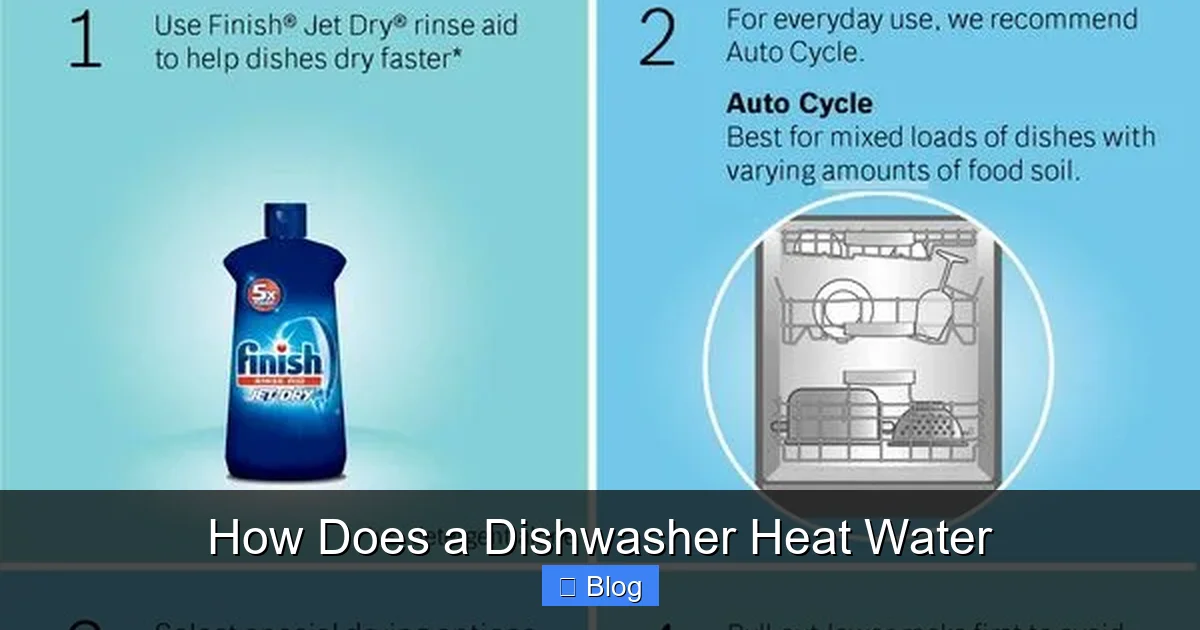
To understand heating, you need to know the cast of characters inside your dishwasher’s metal shell. It’s not just a tub and a spray arm; it’s a coordinated team.
Visual guide about How Does a Dishwasher Heat Water
Image source: vsanalysis.com
The Water Inlet Valve: The Gateway
Everything starts here. This electrically controlled valve opens when a cycle begins, allowing a precise amount of cold water from your home’s plumbing to gush into the machine. Think of it as a bouncer at a club, only letting in the exact number of people (or gallons of water) needed for the party (the wash cycle). If this valve is faulty, you might get no water or too much, but it doesn’t affect temperature directly—that comes next.
The Pump: The Circulator
Once water is in, a pump forces it through the spray arms, creating those powerful jets that blast food off plates. The pump also recirculates the same water throughout the main wash to conserve water and detergent. It’s a workhorse, but again, not the source of heat.
The Heating Element: The Star of the Show
This is the answer to your burning question. Typically, you’ll find it as a circular, coil-like piece of metal (often looking like a thick, black ring) mounted to the bottom of the tub, underneath the lower spray arm. When energized with electricity, the metal—usually made of nickel-chromium (nichrome) or a similar alloy—resists the electrical current and gets extremely hot, much like the element in your electric stove top. This radiant heat directly warms the water in the tub. In some modern designs, the element is hidden (we’ll get to that). It’s the primary, and often sole, source of heat for the wash water and for drying.
The Heating Element: Two Main Designs
Not all heating elements are created equal. There are two primary designs, each with its own pros, cons, and implications for your kitchen.

Visual guide about How Does a Dishwasher Heat Water
Image source: i.ytimg.com
Exposed (or In-Tub) Heating Elements
This is the classic, visible design. You can usually see that circular coil at the bottom of the tub. It’s directly in contact with the water, making it very efficient at heating. The heat radiates directly into the water mass.
- Pros: Highly efficient at heating water quickly. Simple design, often easier and cheaper to replace if it fails.
- Cons: Can be a hazard for plastic items that fall to the bottom and melt against the hot coil. Can also cause a slight “burnt” or “wet dog” smell if food particles settle on the hot element and scorch between cycles. Some find the visible element less aesthetically pleasing.
Practical Tip: If you have an exposed element, be extra vigilant about scraping plates before loading and avoid placing small plastic utensils on the bottom rack where they could slip and touch the element during the wash.
Concealed (or In-Line/Inline) Heating Elements
This modern design hides the heating element, typically inside a separate chamber or along the water path, often near the pump or in the sump (the lowest point where water collects). The water is heated as it passes through this channel, not by direct contact with a coil in the tub.
- Pros: Eliminates the risk of melting plastic items. No exposed coil means fewer places for food debris to collect and burn, reducing odors. Often allows for more flexible and spacious tub designs.
- Cons: Can be slightly less efficient at heating very large volumes of water quickly, as heat transfer is indirect. Replacement can be more complex and costly, sometimes requiring partial disassembly of the machine.
Practical Example: Many European brands (like Bosch, Miele) and newer models from American brands (like certain KitchenAid and Whirlpool lines) favor concealed elements for their quiet operation and safety profile.
How Heating Integrates with Wash Cycles
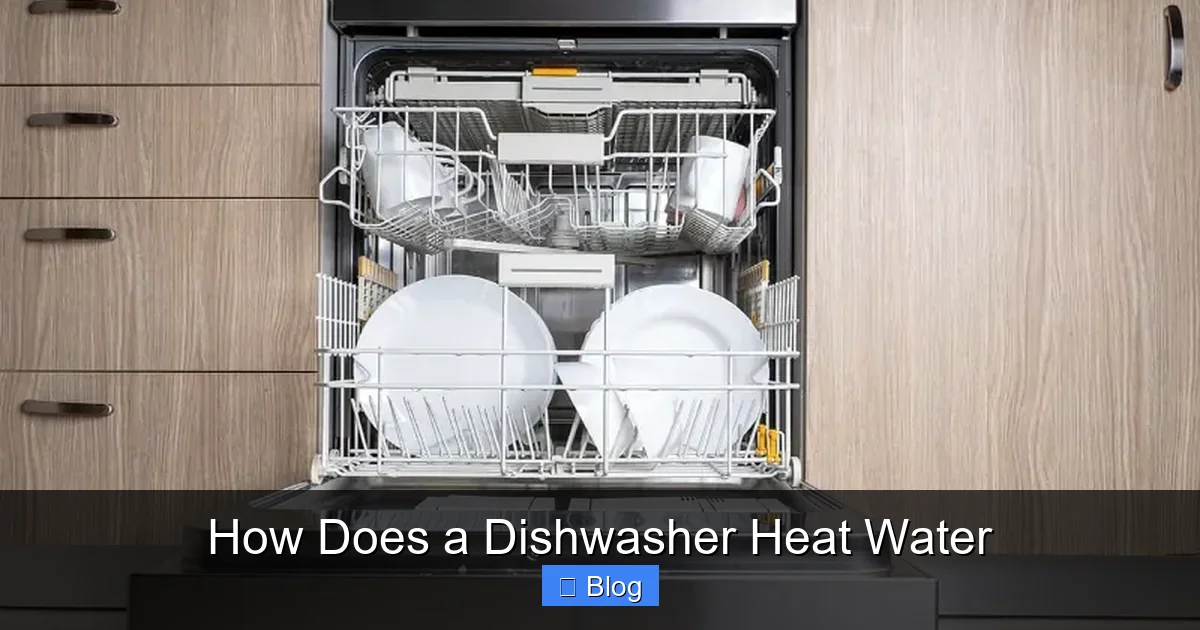
The heating element doesn’t just run constantly. It’s part of a carefully choreographed dance controlled by the dishwasher’s brain, the main control board, and its sensors.
Visual guide about How Does a Dishwasher Heat Water
Image source: powersadvisor.com
The Role of the Thermostat (and Thermistor)
This is the thermostat’s job. A simple thermostat (or a more modern thermistor, which changes resistance with temperature) is a sensor placed in the water or the tub. It constantly monitors the water temperature. The control board receives this data and tells the heating element: “Turn on until we hit 120°F (49°C), then turn off.” If the water cools too much during a long wash, it will kick back on. This ensures consistent cleaning performance and protects your dishes (and the machine) from excessively high heat.
Cycle-Specific Heating: Not All Washes Are Created Equal
Your normal “Eco” or “Light Wash” cycle might only heat water to around 110-120°F (43-49°C), relying more on detergent enzymes and spray action. A “Heavy” or “Pots & Pans” cycle will target 140-150°F (60-66°C) to tackle baked-on grime. The critical Sanitize cycle (often required for baby items or when someone is ill) will crank the water up to at least 150°F (66°C), and sometimes as high as 170°F (77°C), holding it there for a specified time (often the final 10-15 minutes of the cycle) to kill 99.9% of bacteria. The heating element’s workload varies dramatically based on your selection.
Efficiency, Costs, and Common Misconceptions
Heating water is the single biggest energy consumer in a dishwasher’s operation. Understanding this helps you make smart choices.
Energy Usage: It’s All About the Heat
Raising a gallon of water from 60°F to 140°F requires a significant amount of energy. An average dishwasher uses about 1.5 kWh per load, and a large portion of that—often 50-70%—goes directly to the heating element. This is why Energy Star certified dishwashers are so important; they use advanced insulation, smarter soil sensors, and more efficient heating systems (like inline heaters with better heat retention) to reduce this cost.
Debunking the “Boiling” Myth
A common misconception is that dishwashers boil the water. They don’t. Residential dishwashers typically max out between 145°F and 170°F (63-77°C). Water boils at 212°F (100°C) at sea level. While some commercial units might get hotter, your home unit does not boil. The heat, combined with strong detergent and mechanical action, is what cleans. The final rinse is hot to aid in drying through evaporation, not to sterilize via boiling.
| Cycle Type | Approx. Water Temp | Primary Purpose |
|---|---|---|
| Eco / Light Wash | 110-120°F (43-49°C) | Energy saving, lightly soiled loads |
| Normal / Auto | 120-140°F (49-60°C) | Everyday cleaning, balanced performance |
| Heavy / Pots & Pans | 140-150°F (60-66°C) | Baked-on food, tough soils |
| Sanitize / Sani-Rinse | 150-170°F (66-77°C) | Bacteria/virus reduction (meets NSF standards) |
Keeping the Heat Flowing: Maintenance Matters
A failing heating system is a common dishwasher woe. The good news? Much of it is preventable with simple, regular care.
Cleaning the Heating Element (For Exposed Types)
If you have an exposed element, it will accumulate a white, crusty buildup of minerals from hard water and possibly bits of burnt food. This layer acts as insulation, dramatically reducing its efficiency. Every 1-2 months: Remove the bottom rack. Use a soft cloth dampened with white vinegar or a dedicated dishwasher cleaner paste (like those made for heating elements) to gently wipe the coil clean. For tough mineral deposits, a soak with a vinegar-water solution in the empty tub (run a hot cycle) can help dissolve them.
Preventing Mineral Buildup & Extending Lifespan
Mineral scale from hard water is the number one enemy of heating elements, especially exposed ones. It insulates the coil, forcing it to work harder and overheat, which shortens its lifespan.
- Use Rinse Aid: This isn’t just for spot-free drying. Rinse aid reduces water surface tension, helping water sheet off surfaces and minimizing mineral deposits left behind as water evaporates.
- Consider a Water Softener: If you have very hard water (above 10 grains per gallon), a whole-house or point-of-use water softener is the best long-term investment for all your appliances, including your dishwasher’s heater.
- Run Hot Cycles Regularly: Even if you use Eco modes, run an empty cycle with vinegar or a commercial descaler once a month to flush the system.
Troubleshooting: When the Heat Is Gone
Symptoms of a heating problem include: dishes coming out cool and wet, detergent not dissolving completely (you might see powder or gel pods intact), and a lack of steam when you open the door mid-cycle. Before calling a repair person, check these simple things:
- Thermostat Failure: The most common culprit. It might tell the control board the water is already hot when it’s not, or that it’s cold when it’s hot.
- Heating Element Burnout: Visible inspection (for exposed types) might show a broken coil or blisters. A multimeter test for continuity is needed for concealed types.
- Control Board or Relay Issue: The board might not be sending power to the element. This is more complex to diagnose.
- Incoming Water is Too Cold: If your home’s water heater is set very low (below 120°F), the dishwasher has to work much harder and longer to achieve its target temperature, which can sometimes trigger error codes or incomplete cycles.
Pro Insight: A failing heating element can sometimes cause a faint, persistent “burnt” smell even on cold cycles, as it may be shorting or arcing internally. If you smell this, disconnect power and investigate.
The Future of Dishwasher Heating: Innovation on the Horizon
The basic principle of a resistive heating element hasn’t changed much in decades, but new technologies are making dishwashers smarter and more efficient.
Heat Pump Technology
Already common in Europe and entering the premium US market, heat pump dishwashers work like a refrigerator in reverse. They don’t generate heat directly with a coil; instead, they use a refrigerant cycle to capture heat from the surrounding air and the wastewater, then concentrate and reuse it to heat the incoming fresh water. This can reduce the energy used for heating by up to 40-50% compared to conventional electric models, making them incredibly efficient. The trade-off is a longer cycle time and a higher upfront cost.
Smart Integration and Soil Sensors
Modern dishwashers use soil sensors (optical or turbidity sensors) to detect how dirty the water is. This allows the machine to adjust cycle length and, crucially, water temperature. A lightly soiled load might get a shorter, cooler wash, saving energy. A filthy pot will trigger a longer, hotter cycle. This “just-in-time” heating prevents wasted energy and is a key part of meeting stringent Energy Star standards.
Conclusion: Knowledge is Power (and Cleaner Dishes)
So, how does a dishwasher heat water? It does so through a deliberate partnership between a simple but powerful electric heating element and a smart control system that uses thermostats and sensors to apply heat precisely where and when it’s needed. Whether that element is exposed or concealed changes the maintenance routine and safety profile, but the core mission is the same: to transform cold tap water into a sanitizing, grease-cutting, drying agent.
Understanding this process empowers you. You can now choose cycles wisely, knowing that a Sanitize cycle uses significant energy for a critical health function. You can implement a targeted maintenance plan to protect your heater from the silent killer of hard water scale. You can diagnose problems before they become catastrophic failures. And you can appreciate the engineering that turns a simple button press into a symphony of heat, water, and mechanical action that leaves your dishes sparkling.
The next time you load your dishwasher, take a second to appreciate that hidden heating element. It’s a small coil doing a big job, and with a little care, it will keep your kitchen running smoothly for years to come. After all, the secret to perfectly clean dishes isn’t just in the detergent—it’s in the heat.
Frequently Asked Questions
How does a dishwasher heat water?
A dishwasher heats water using an electrical heating element, typically located at the bottom of the tub. This element activates during the wash and rinse cycles to raise the water temperature to the level selected by the user or the machine’s program.
Where is the heating element in a dishwasher?
The primary heating element is usually a circular, coil-like piece of metal mounted on the floor of the dishwasher tub. Some models may also have a secondary “inline” or “flow-through” heater located in the water inlet hose for faster temperature increases.
Does a dishwasher use my home’s hot water or heat its own?
A dishwasher is designed to connect to your home’s cold water supply, but it will also work if connected to hot water. However, it almost always uses its own internal heating element to boost the temperature to the specific, sanitizing level required for effective cleaning, regardless of the incoming water temperature.
How hot does dishwasher water get?
For effective cleaning and sanitation, dishwasher water typically heats to between 120°F and 150°F (49°C to 65°C). The exact temperature is controlled by the machine’s thermostat and varies based on the selected wash cycle, such as a heavy “sanitize” cycle versus an eco-friendly wash.
Is it normal for a dishwasher to have steam?
Yes, it is completely normal to see steam rising from a dishwasher during and immediately after a hot wash or dry cycle. This occurs because the water inside has been heated to a high temperature, and the steam is simply water vapor escaping when the door is opened or through vent areas.
What happens if my dishwasher isn’t heating water?
If your dishwasher isn’t heating water, common causes include a faulty heating element, a broken thermostat, or a problem with the control board. This will result in poorly cleaned dishes and a lack of sanitization, requiring diagnosis and repair by a qualified technician.
Pingback: Does Boiling Water Kills Bacteria - kitchenandhouseware.com