Seasoning a ceramic pan is simple, affordable, and extends its life. Follow our friendly, step‑by‑step guide to create a durable non‑stick coating that makes cooking and cleaning a breeze. With just a few household items, you’ll protect your pan and enjoy better results every meal.
Key Takeaways
- Seasoning is essential: It creates a protective layer that prevents sticking and prolongs the pan’s life.
- Use the right oil: High‑smoke‑point oils like grapeseed, avocado, or refined olive oil work best.
- Heat matters: A moderate temperature (350‑400°F / 180‑200°C) is ideal for forming the coating without damaging the ceramic.
- Clean gently: Avoid abrasive cleaners; warm soapy water and a soft sponge keep the seasoned surface intact.
- Re‑season regularly: After several washes or heavy use, repeat the process to maintain optimal performance.
- Storage tips: Stack pans with a paper towel or cloth between them to avoid scratches.
- Safety first: Always work in a well‑ventilated area and use oven mitts when handling hot pans.
📑 Table of Contents
Why You Should Season a Ceramic Pan
Most people think ceramic cookware is “ready to use” right out of the box. While it does have a naturally slick surface, seasoning adds an extra layer of protection. This extra step:
- Reduces food sticking, especially with proteins like eggs or fish.
- Prevents microscopic cracks that can appear after repeated heating.
- Improves the pan’s resistance to staining from acidic foods.
- Extends the overall lifespan, saving you money in the long run.
Think of seasoning as a gentle “insurance policy” for your favorite kitchen tool. It’s quick, inexpensive, and the results are noticeable the very first time you cook.
What You Need Before You Start
Essential Tools and Ingredients
Gather these items before you begin. Having everything at hand keeps the process smooth and enjoyable.

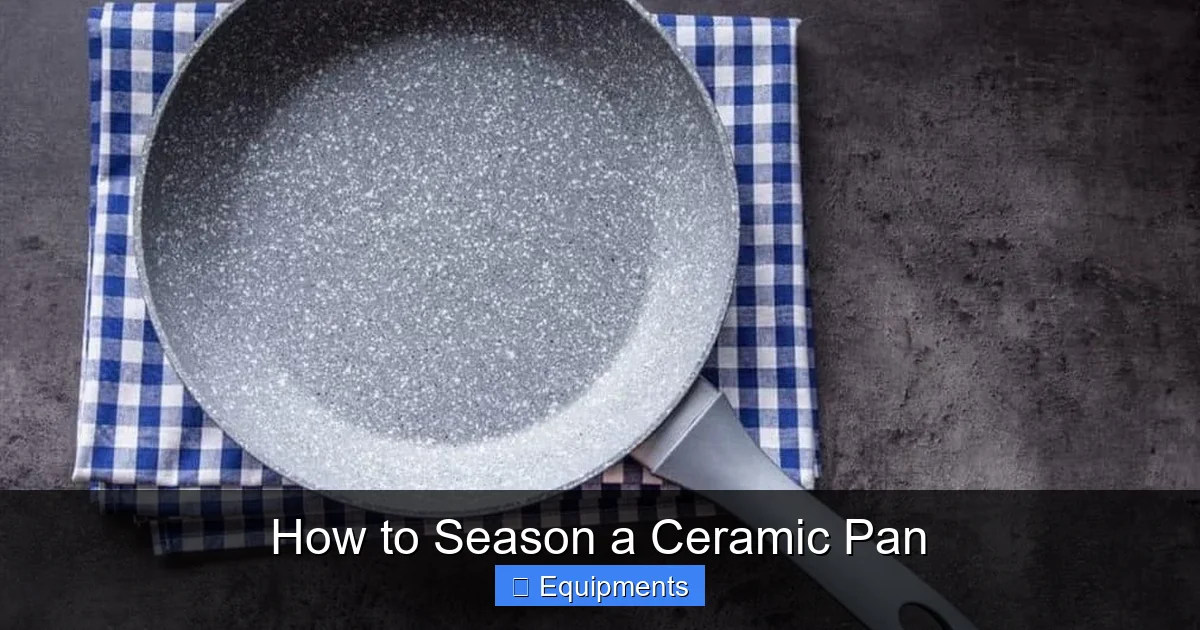
Visual guide about How to Season a Ceramic Pan
Image source: panmastery.com
- Ceramic pan: Clean, dry, and free of any factory coating residue.
- High‑smoke‑point oil: Grapeseed, avocado, refined olive, or canola oil are top choices.
- Paper towels or a lint‑free cloth: For spreading oil evenly.
- Stove or oven: Most people prefer the stovetop for quick seasoning, but the oven works well for a uniform heat.
- Heat‑resistant gloves: Safety first—handle a hot pan with care.
Optional Extras
- Butter or ghee for a richer flavor after the initial seasoning.
- A small brush if you prefer a more precise oil application.
- Seasoning spray for an even thinner oil layer.
Step‑by‑Step Guide: How to Season a Ceramic Pan
Step 1 – Clean the Pan Thoroughly
Even a brand‑new ceramic pan may have a thin protective wax from the manufacturer. Wash it with warm water, a few drops of mild dish soap, and a soft sponge. Rinse well and pat dry with a clean towel. No harsh scouring pads—those can scratch the surface.
Visual guide about How to Season a Ceramic Pan
Image source: panmastery.com
Step 2 – Preheat the Pan
Place the pan on the stovetop over low to medium heat. Let it warm for about 2‑3 minutes. You’re not looking for a sizzling sound, just a gentle warmth that helps the oil spread evenly.
Step 3 – Apply Oil
Pour a small amount of oil—about 1‑2 teaspoons—onto the center of the pan. Using a paper towel, spread the oil in a thin, even coat covering the entire cooking surface, including the sides. The layer should be just enough to give a faint sheen; any excess will cause pooling and smoking.
Step 4 – Heat the Oiled Pan
Increase the heat to medium (around 350‑400°F / 180‑200°C). Let the pan sit for 5‑7 minutes. You’ll notice a light vapor and a faint golden tint. This is the oil polymerizing—forming a semi‑solid, non‑stick film.
If you see smoke, lower the heat immediately. The goal is a gentle “talking” of the oil, not a blazing fire.
Step 5 – Cool and Wipe
Turn off the heat and allow the pan to cool for a few minutes. Using a fresh paper towel, gently wipe away any residual oil. The surface should feel smooth to the touch, with a subtle sheen.
Step 6 – Test the Seasoning
Heat the pan again on low, add a tiny dab of oil, then place a small piece of egg or a slice of bread. If it slides easily without sticking, you’ve succeeded. If it clings, repeat the oil‑heat‑wipe cycle once more.
Maintaining the Seasoned Surface
Everyday Cooking Tips
- Use low to medium heat: Ceramic pans conduct heat efficiently; high heat can degrade the seasoning.
- Avoid metal utensils: Opt for silicone, wood, or plastic tools to protect the coating.
- Add oil before cooking: A thin layer of oil each time reinforces the seasoned layer.
Cleaning Without Damage
After cooking, let the pan cool slightly, then wash with warm, soapy water and a soft sponge. Rinse well and dry immediately. Avoid dishwashers— the harsh detergents and high‑temperature cycles can strip the seasoned film.

Visual guide about How to Season a Ceramic Pan
Image source: panmastery.com
When to Re‑Season
If you notice food sticking more often, or the surface looks dull, it’s time to repeat the seasoning process. A good rule of thumb: re‑season every 4‑6 weeks for daily use, or after any heavy cleaning that removes the oil layer.
Common Mistakes and How to Fix Them
Using Too Much Oil
Excess oil creates a sticky residue that can become gummy when heated. If this happens, scrub the pan gently with a mixture of baking soda and water, rinse, dry, and start the seasoning process again with a thinner oil coat.
Cooking at Extremely High Temperatures
Overheating can cause the ceramic coating to crack and the seasoned layer to break down. Keep the temperature below the smoke point of your chosen oil, and always preheat on low before raising the heat.
Skipping the Cool‑Down Phase
Moving a hot pan straight to a cold surface or washing it immediately can cause thermal shock, leading to micro‑cracks. Let the pan sit for a few minutes after heating before cleaning.
Advanced Techniques: Oven‑Based Seasoning
If you prefer a hands‑off approach, the oven method provides an even, all‑around seasoning.
Procedure
- Preheat your oven to 375°F (190°C).
- Place the clean, dry pan upside‑down on the middle rack. Put a foil‑lined tray on the lower rack to catch drips.
- Rub a very thin layer of high‑smoke‑point oil over the entire interior surface.
- Bake for 45‑60 minutes. The oil will polymerize and bond to the ceramic.
- Turn off the oven and let the pan cool inside before removing.
This method is especially useful for larger pans or when you want a uniform coating without stovetop hotspots.
Storing Your Seasoned Ceramic Pan Properly
Prevent Scratches
When stacking pans, place a paper towel, cloth, or silicone mat between each piece. This barrier protects the seasoned surface from scratches caused by metal edges.
Avoid Moisture Traps
Store the pan in a dry cabinet. If you must keep it covered, use a breathable lid or a cloth cover rather than a tight‑fitting plastic lid that can trap steam.
Conclusion
Seasoning a ceramic pan is a quick, low‑cost habit that pays big dividends in the kitchen. By following the simple steps outlined above—cleaning, applying a thin oil coat, heating, and cooling—you create a durable, non‑stick surface that makes cooking enjoyable and cleanup effortless. Remember to maintain the seasoning with gentle cleaning, low to medium heat, and occasional re‑seasoning. With a little care, your ceramic pan will serve you well for years, delivering consistent performance and delicious results every time.
Frequently Asked Questions
Do I need to season a brand‑new ceramic pan?
While not strictly required, seasoning a new ceramic pan enhances its non‑stick qualities and protects the surface from early wear.
Can I use butter instead of oil for seasoning?
Butter has a lower smoke point and can burn, leaving a sticky residue. It’s best to use a high‑smoke‑point oil for the initial seasoning.
Is it safe to use the dishwasher after seasoning?
No. Dishwasher detergents and high heat can strip the seasoned layer. Hand‑wash with mild soap and a soft sponge instead.
How often should I re‑season my ceramic pan?
Re‑season every 4‑6 weeks for regular use, or whenever you notice food sticking or the surface looking dull.
What oil is best for seasoning a ceramic pan?
High‑smoke‑point oils such as grapeseed, avocado, or refined olive oil work best because they polymerize without burning.
Can I season a ceramic pan on the stovetop and in the oven?
Yes. The stovetop method is faster, while the oven method provides an even coating. Choose the method that fits your schedule and equipment.
Pingback: Is Buffalo Sause a Seasoning Commonly Used to Flavor Chicken Wings - kitchenandhouseware.com
Pingback: Is Soy Sauce Often Added to a Bowl of Pozole? - kitchenandhouseware.com
Pingback: How Long to Cook a 20 Lb Turkey - kitchenandhouseware.com
Pingback: How to Cook Steak in a Frying Pan - kitchenandhouseware.com
Pingback: How to Season a Prime Rib Roast - kitchenandhouseware.com
Pingback: How Long Does It Take to Thaw a Turkey - kitchenandhouseware.com
Pingback: How to Cook a Pork Tenderloin - kitchenandhouseware.com