Forgotten Cookies are an old-fashioned marvel with a uniquely crisp, sandy texture and a rich, buttery flavor. Their magic lies in an unusual method: you bake them once, then return them to the warm oven to “forget” them, creating their signature dry, shattering crunch. With just a few simple pantry ingredients and no fancy mixer required, they are the epitome of effortless, nostalgic baking. Perfect for tea, coffee, or as a light, sophisticated dessert that feels like a delicious secret from the past.
Have you ever baked a cookie and then… deliberately forgotten about it? That’s the charming, almost mischievous secret behind the legendary Forgotten Cookie Recipe (old-fashioned). It sounds like an oxymoron—how can you forget something you’re baking? But that’s precisely the point. This isn’t just a catchy name; it’s the literal, magical instruction that transforms a simple shortbread-like dough into something utterly unique: a cookie that is impossibly crisp, delicately sandy, and vanishes on the tongue with a whisper of butter and sugar.
In a world dominated by thick, chewy chocolate chip cookies and soft, cakey snickerdoodles, the Forgotten Cookie is a quiet rebel. It doesn’t shout for attention with mix-ins or bold flavors. Instead, it seduces with texture and purity. It’s the cookie your grandmother might have made when she had a sudden craving for something light and crisp but didn’t want to drag out the heavy mixer. It’s the kind of recipe that feels like a delicious secret, passed down on a faded index card, promising a treat that seems too simple to be so spectacular.
This article is your deep dive into that secret. We’ll uncover the fascinating history behind this clever bake, break down the science of its signature texture, and, of course, walk through the foolproof steps to make your own batch. Get ready to learn why sometimes, the best thing you can do for your baking is to walk away and forget it.
Key Takeaways
- Unusual Baking Method: The “forgotten” step—turning the oven off and leaving the cookies inside—is the core technique that dehydrates them to a perfect crisp without burning.
- Texture is Everything: These cookies are not chewy or cakey. Their defining feature is a delicate, sandy, melt-in-your-mouth crumb that shatters lightly.
- Simple Pantry Ingredients: The recipe calls for basic staples: butter, sugar, flour, and vanilla. No eggs, no baking powder/soda, no special flours.
- No Mixer Needed: The dough comes together easily by hand or with a simple bowl and spoon, making it accessible for any baker.
- Storage & Longevity: Their low moisture content means they store exceptionally well in an airtight container for weeks, staying crisp.
- Customization Potential: While classic, the base recipe welcomes subtle additions like citrus zest, almond extract, or a sprinkle of coarse sugar before baking.
- A Slice of Baking History: This recipe represents a clever, economical technique from a time before stand mixers, maximizing texture from minimal ingredients.
📑 Table of Contents
- The Curious History of the “Forgotten” Cookie
- Deconstructing the Dough: Why These Ingredients?
- The Sacred Steps: A Foolproof Method
- The Science of the Crunch: Understanding the Texture
- Variations and Customizations: Honoring the Classic
- Storing, Serving, and Savoring
- The Conclusion: A Recipe for Patience and Reward
The Curious History of the “Forgotten” Cookie
The origins of the Forgotten Cookie are shrouded in the same gentle mystery as the cookies themselves. Unlike the chocolate chip cookie, with its documented invention, or the madeleine, with its literary fame, the Forgotten Cookie exists in the realm of oral tradition and community cookbooks. It is widely believed to be an American creation, likely emerging in the early-to-mid 20th century. This was an era of resourcefulness, where home cooks maximized flavor and texture with minimal ingredients and effort.
A Technique Born of Necessity and Ingenuity
The core technique—baking, then leaving in a cooling oven—is a brilliant form of low-and-slow dehydration. Before the advent of powerful stand mixers and food processors, achieving a uniformly fine, crisp cookie dough was more challenging. The “forgotten” step allowed the residual, gentle heat of the oven to slowly draw out any remaining moisture from the baked cookie, crisping it to perfection without the risk of active baking that could lead to browning or burning. It’s a passive-aggressive (in the best way) approach to baking: you do the work, then you let the oven do the rest while you’re doing something else, or nothing at all. The name perfectly captures this “set it and forget it” philosophy.
These cookies have gone by many names: Forget-Me-Not Cookies, Hermit Cookies (not to be confused with the chewy, molasses-spiced hermits), and simply Crispy Butter Cookies. The “Forgotten” moniker, however, has stuck because it’s so descriptively accurate and intriguing. It turns a simple baking step into a story, making the act of making them feel a little bit magical and historically authentic.
Deconstructing the Dough: Why These Ingredients?
The beauty of the Forgotten Cookie recipe lies in its stark simplicity. With only four primary ingredients, each one plays a critical, non-negotiable role. There are no eggs to add moisture and structure, no leavening agents to create rise, and no brown sugar to contribute chewiness. This is a pure expression of fat, sugar, and flour.
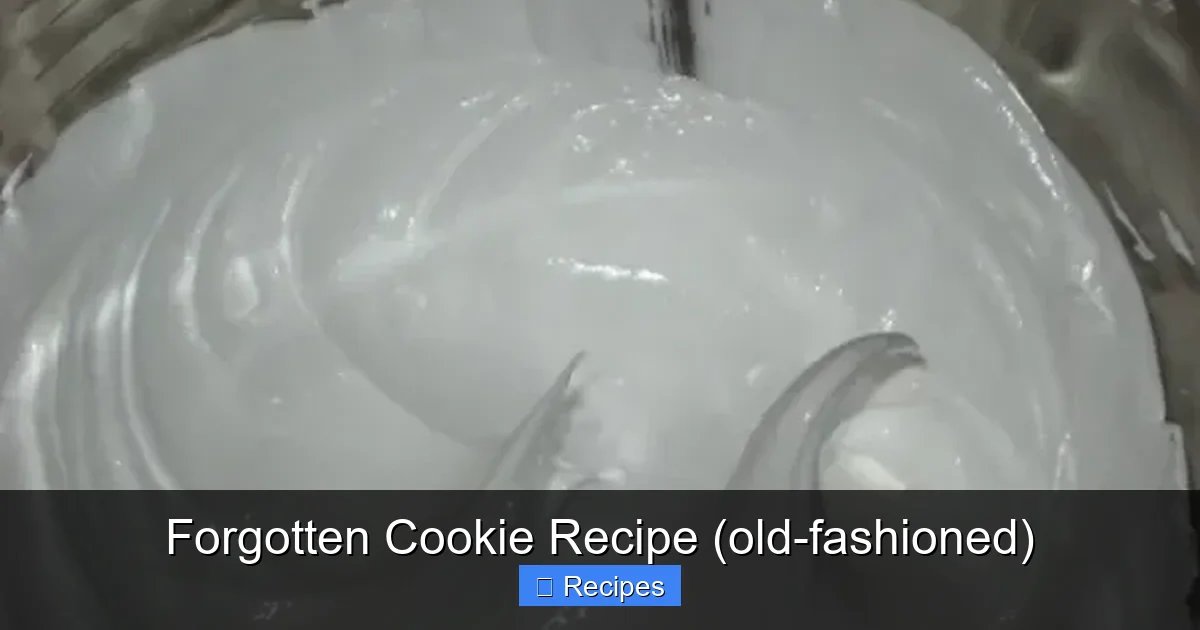
Visual guide about Forgotten Cookie Recipe (old-fashioned)
Image source: forklores.files.wordpress.com
The Star Players: Butter and Sugar
Unsalted Butter: This is the soul of the cookie. You need a high-quality, European-style butter (with about 82% fat) if possible. Its higher fat content and lower water content contribute to a more tender, less watery dough that crisps up beautifully. The butter is creamed with the sugar, a step that incorporates air and begins the dissolution of sugar crystals, which is crucial for the final texture.
Granulated Sugar: Unlike brown sugar, which brings moisture and chew, granulated sugar is 100% sucrose. When creamed with butter, it helps create a light, aerated base. During baking and the “forgetting” phase, this sugar caramelizes slightly on the surface, providing a subtle, clean sweetness and a hint of crispness. It’s the sugar of choice for crisp, sandy textures.
The Foundation: Flour and Flavor
All-Purpose Flour: The workhorse. The gluten in the flour provides just enough structure to hold the cookie together without making it tough. Because the dough is not overworked and there’s no egg to strengthen the gluten, the result is a fragile, shortbread-like crumb. Some bakers swear by substituting 1-2 tablespoons of cornstarch for an even more tender, meltaway result.
Vanilla Extract: The sole flavoring agent in the classic version. A good, pure vanilla extract adds a warm, aromatic depth that complements the butter and sugar without overpowering them. This is where you can get creative—a scraped vanilla bean pod, a teaspoon of bourbon, or a half-teaspoon of finely grated lemon or orange zest can elevate the profile while keeping the spirit of the simple recipe intact.
The Sacred Steps: A Foolproof Method
Making Forgotten Cookies is less about complex technique and more about precise timing and understanding the “forgotten” phase. Let’s walk through it, step by step.
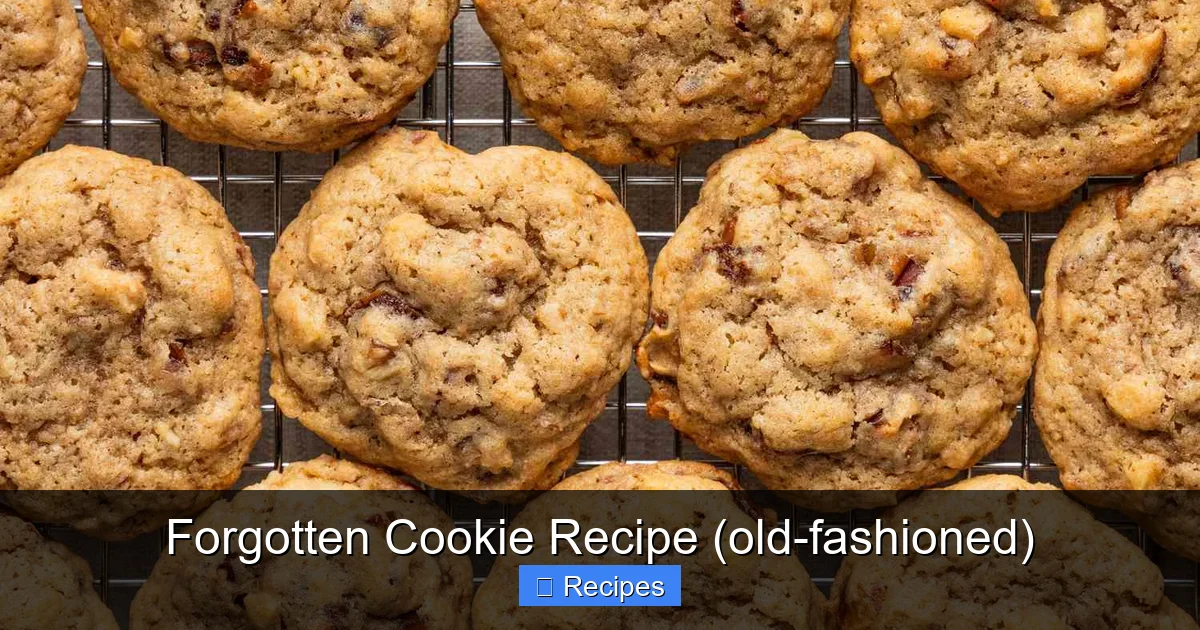
Visual guide about Forgotten Cookie Recipe (old-fashioned)
Image source: simplyrecipes.com
Step 1: Creaming the Butter and Sugar
This is the most important active step. In a medium bowl, using a wooden spoon or a handheld mixer on low speed, beat the softened butter and granulated sugar together until the mixture is very light in color, fluffy, and has increased in volume. This should take about 3-5 minutes by hand or 2-3 minutes with a mixer. You are not just combining them; you are aerating the butter and dissolving the sugar. Scrape down the bowl halfway through. The mixture will look almost white and creamy. This aeration is what will give the cookies their slight lift and airy crispness, not a dense, flat crunch.
Step 2: Incorporating the Dry Ingredients
Sift the all-purpose flour (and optional cornstarch) directly into the bowl with the creamed butter. Add the vanilla extract. Using a rubber spatula, gently fold the flour into the wet mixture until just combined. Do not overmix. A few dry streaks are better than overworking the dough, which can develop gluten and make the cookies tough. The dough will be thick, somewhat crumbly, and will clump together when pressed. It should not be a smooth, sticky batter.
Step 3: Chilling (The Optional but Recommended Pause)
While not always called for in vintage recipes, chilling the dough for 30 minutes to an hour is a pro tip. It allows the butter to firm up slightly, making the dough easier to handle and scoop. More importantly, it gives the flour time to fully hydrate, which can lead to a more even bake and texture. If you’re in a hurry, you can skip it, but chilling yields more consistent results.
Step 4: Portioning and Baking
Preheat your oven to 300°F (150°C). This is a low temperature, essential for slow, even baking without rapid browning. Line a baking sheet with parchment paper. Scoop the dough into small, teaspoon-sized balls (about 1 inch in diameter). Place them on the prepared sheet, leaving about 1.5 inches between each—they will spread very little. Gently flatten each ball slightly with the bottom of a glass or your palm. You can optionally sprinkle a tiny pinch of coarse sugar on top for a decorative crunch.
Bake for 15 minutes. The cookies will be set around the edges and may look just barely golden on the bottom, but the tops will still look soft and pale. This is exactly what you want. They are not done yet.
Step 5: The “Forgotten” Phase (The Main Event)
Here is the crucial, defining instruction. After 15 minutes, turn the oven OFF. Do not open the door. Simply leave the baking sheet inside the oven. Set a timer and WALK AWAY. Let the cookies sit in the cooling oven for at least 1 hour, but preferably 2-3 hours, or even overnight. The residual, gentle heat will slowly and evenly draw out every last bit of moisture from the cookies. They will transform from soft, pale rounds into crisp, golden, delightfully fragile discs. This is the “forgetting.” You are literally forgetting they are in there, letting the oven’s fading heat do its work.
The Science of the Crunch: Understanding the Texture
What happens in that cooling oven is nothing short of food science alchemy. The Forgotten Cookie’s texture is its claim to fame, and it’s all about moisture control and sugar behavior.

Visual guide about Forgotten Cookie Recipe (old-fashioned)
Image source: dine.ca
Dehydration, Not Burning
The low baking temperature (300°F) cooks the dough gently without causing the sugars to caramelize rapidly or the butter to brown. The initial 15-minute bake sets the structure. Then, during the “forgotten” phase, the oven’s residual heat (which will drop from 300°F to perhaps 200°F, then 150°F over a few hours) acts as a dehydrator. It slowly evaporates the water molecules trapped within the cookie’s matrix. Because there’s no egg protein to coagulate into a chewy network and no baking soda to create air pockets, the structure that remains is a dense, fine, crumbly lattice of flour and butter, with sugar crystals interspersed. The result is a cookie that is dry to the touch and shatters with a light bite.
The Role of Fat and Sugar
The high fat content from the butter coats the flour particles, inhibiting gluten formation and creating that “short” (crumbly) texture. As the cookie dries out, the fat becomes more concentrated, contributing to a rich, almost melt-in-your-mouth feel. The granulated sugar, which didn’t fully dissolve during creaming, recrystallizes during the slow cooling. These tiny sugar crystals are what give the cookie its pleasant, granular crunch—a sensation different from the crisp of a Florentine or the snap of a ginger snap.
Variations and Customizations: Honoring the Classic
The classic recipe is perfection, but its simplicity is also its canvas. Because the base flavor is so clean, it pairs exquisitely with subtle enhancements.
Citrus Zest and Extracts
Add the finely grated zest of one lemon or orange to the dough along with the vanilla. The citrus oils are volatile and will infuse the cookies with a bright, aromatic freshness that cuts through the butter. A half-teaspoon of almond extract or a teaspoon of bourbon or brandy can also be stirred in for a warm, nuanced note.
Spiced and Herbal Twists
For a more complex profile, add 1/4 teaspoon of finely ground cardamom or a pinch of freshly grated nutmeg to the flour. A tablespoon of very finely minced fresh rosemary or lavender can also be folded in for an elegant, floral, and savory edge—perfect with a cup of Earl Grey tea.
Decorative Toppings
Before baking, you can press a few grains of coarse sugar (like turbinado) or a tiny sprinkle of flaky sea salt onto the tops of the flattened dough balls. This adds a delightful textural contrast and a hint of salty-sweet flavor. A light dusting of powdered sugar after they’ve cooled gives them a pretty, finished look, though it will eventually absorb into the cookie.
Storing, Serving, and Savoring
One of the greatest advantages of the Forgotten Cookie is its stellar storage life. Their low moisture content makes them resistant to staling.
Storage is Simple
Once completely cooled, store the cookies in an airtight container at room temperature. They will keep their crisp texture for 3-4 weeks. You can layer them between sheets of parchment paper to prevent sticking. There is no need for refrigeration, which can actually introduce moisture and soften them.
Freezing for Future Cravings
Yes, you can freeze them! Place the cooled cookies in a freezer-safe bag or container, separating layers with parchment paper. They will keep well for up to 3 months. Thaw them at room temperature, uncovered. They may lose a tiny fraction of their ultimate crispness but will still be delicious.
Serving Suggestions
These are not a cookie you eat with a glass of milk; they are too delicate and crisp for dunking. Instead, serve them:
- With a cup of strong coffee, espresso, or black tea.
- As an elegant finish to a multi-course meal, like a light alternative to petit fours.
- Crumble them over a bowl of vanilla ice cream or a creamy panna cotta for a textural contrast.
- As a simple, sophisticated treat on a dessert plate with fresh berries.
Their subtle flavor also makes them a wonderful companion to sharper cheeses like aged cheddar or manchego on a cheese board.
The Conclusion: A Recipe for Patience and Reward
The Forgotten Cookie Recipe (old-fashioned) is more than just a set of instructions; it’s a lesson in the quiet magic of baking. It rewards patience over power, subtlety over spectacle, and technique over trend. In an hour of mostly waiting, you create a cookie that feels both timeless and surprising. It’s the kind of bake that makes you feel like a kitchen alchemist, transforming butter, sugar, and flour into something that seems to defy its humble origins.
So, the next time you want a cookie that is crisp, light, and deeply satisfying in its simplicity, reach for this forgotten gem. Cream the butter and sugar until it’s as fluffy as a cloud. Portion the dough with care. Set the timer for 15 minutes, slide the pan into the oven, and then… turn it off. Walk away. Go read a book, tackle a chore, or simply relax. In a few hours, you’ll open that oven door to find a tray of pale golden, impossibly crisp discs—a delicious testament to the power of a little intentional forgetfulness. They’ll disappear quickly, but the memory of their unique texture and the joy of the simple, clever process will last much longer.
Frequently Asked Questions
Why are they called “Forgotten Cookies”?
They are named for the crucial final step: after an initial short bake, you turn the oven off and leave the cookies inside for several hours, essentially “forgetting” about them. This slow dehydration in the cooling oven creates their signature crisp, dry texture.
Can I use salted butter or a different sugar?
You can use salted butter, but you may want to reduce any added salt in the recipe. For best results, stick with granulated sugar; it’s essential for the crisp, sandy texture. Brown sugar will add moisture and chew, changing the cookie’s fundamental character.
My cookies aren’t crispy enough. What went wrong?
The most common reason is not allowing enough time in the “forgotten” phase. The oven must be completely off, and the cookies need at least 2-3 hours (or overnight) to dehydrate fully. Also, ensure your initial bake temperature is 300°F (150°C)—too hot and they may brown before crisping.
Can I make the dough ahead of time?
Yes! You can make the dough, portion it into balls, and freeze them on a baking sheet. Once solid, transfer to a freezer bag. Bake from frozen, adding 1-2 minutes to the initial 15-minute bake time before proceeding with the “forgotten” step.
Are these cookies supposed to be so pale?
Absolutely. They should be very pale golden, almost ivory. They are not meant to be dark or deeply browned. Any significant color change indicates they were baked at too high a temperature or for too long during the active baking phase.
Why is there no baking powder or soda in this recipe?
Leavening agents create rise and a softer, cakier texture. Forgotten Cookies are meant to be dense, flat, and crisp. The tiny amount of air incorporated during the creaming of butter and sugar provides just enough lift. The baking soda/powder is intentionally omitted to achieve the desired sandy, meltaway crunch.