Dill and salmon are a match made in culinary heaven. This aromatic herb cuts through the rich, oily fish with a bright, fresh kick, creating dishes that are both elegant and incredibly simple to make. From a 15-minute pan-sear to elegant cured gravlax, these recipes guarantee flavorful results. Learn the techniques, timing, and pairings that make dill salmon a timeless favorite for any occasion.
Key Takeaways
- Perfect Pairing: Dill’s citrusy, anise-like notes complement salmon’s fattiness beautifully, balancing richness with freshness.
- Versatile Forms: Use fresh dill (stems and fronds), dried dill, or dill-infused sauces like yogurt or mustard to suit any cooking method.
- Method Matters: Baking and poaching retain moisture; grilling adds char; pan-searing creates crispy skin; curing transforms texture and flavor.
- Health Boost: This duo is packed with omega-3s, protein, and antioxidants, making for a nutritious, heart-healthy meal.
- Timing is Key: Salmon cooks fast—generally 10 minutes per inch of thickness at 400°F (200°C). Avoid overcooking for tender, flaky results.
- Prep Smart: Pat salmon dry, season generously, and let it rest after cooking. Store fresh dill like flowers in water in the fridge.
- Beyond the Fillet: These principles work for salmon steaks, whole sides, and even canned salmon for quick salads and patties.
📑 Table of Contents
- The Magic of Dill and Salmon
- Baked Dill Salmon: Effortless Elegance
- Grilled Dill Salmon: Smoky and Charred
- Pan-Seared Dill Salmon: Crispy Skin, Tender Center
- Fresh & No-Cook: Dill Salmon Gravlax
- Creative Twists and Leftover Makeovers
- Mastering the Essentials: Ingredient & Technique Guide
- Conclusion: Your Dill Salmon Journey Begins
The Magic of Dill and Salmon
There are certain food pairings that feel almost destined, and dill with salmon is undoubtedly one of them. It’s a classic for a reason. The fleshy, rich, and slightly oily nature of salmon provides the perfect canvas for dill’s vibrant, grassy, and subtly citrusy flavor. Think of dill as the bright accent that makes the salmon sing, cutting through any potential heaviness and adding a layer of fresh complexity. Whether you’re a novice cook or a seasoned home chef, mastering this combination is a shortcut to impressive, delicious meals.
This isn’t just about tradition; it’s about chemistry and taste. The volatile oils in dill contain compounds like carvone and limonene, which interact wonderfully with the fatty acids in salmon. The result is a harmonious balance that feels both light and satisfying. In this guide, we won’t just give you recipes; we’ll give you the principles. You’ll learn why each method works, how to handle the ingredients for maximum flavor, and how to adapt these ideas to whatever you have in your kitchen. Get ready to fall in love with this duo all over again.
Baked Dill Salmon: Effortless Elegance
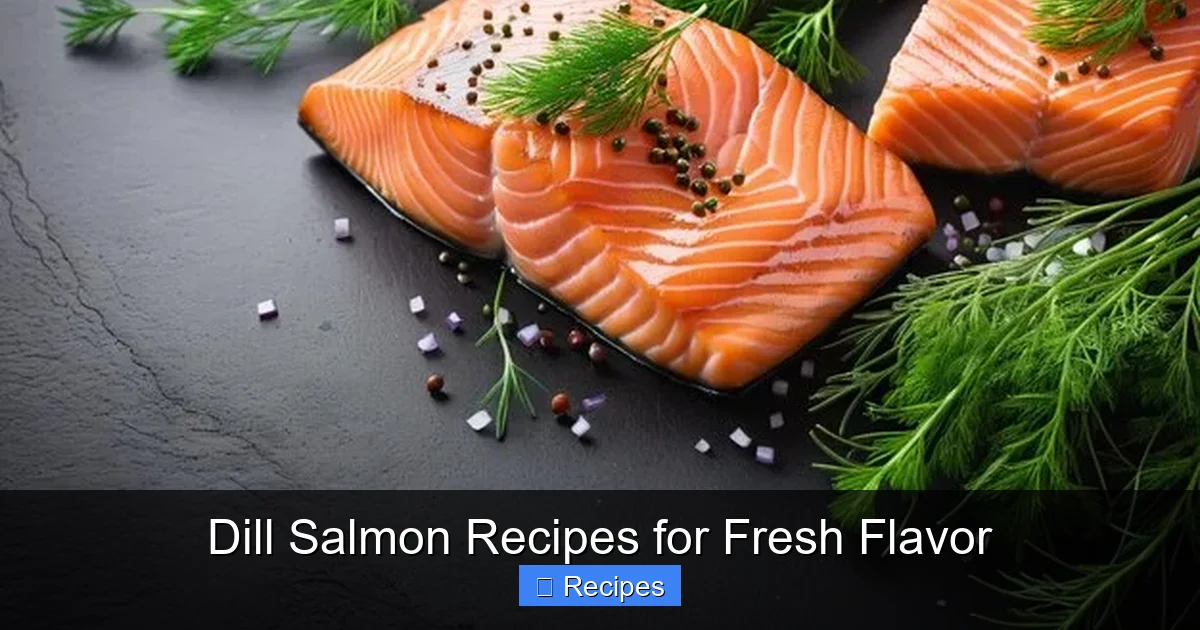
Baking is arguably the easiest and most foolproof method for cooking salmon fillets. It’s hands-off, minimizes odors, and yields consistently moist, tender results. The gentle, even heat of the oven allows the dill to infuse the fish without burning, creating a simple yet stunning dish perfect for weeknights or guests.
Visual guide about Dill Salmon Recipes for Fresh Flavor
Image source: img.freepik.com
Classic Lemon-Dill Baked Salmon
This is your foundational recipe. The acidity of lemon brightens the dish, while dill provides the herbal backbone. A drizzle of olive oil and a sprinkle of salt and pepper are all you need to start.
- Ingredients: 2 salmon fillets (6-8 oz each), skin-on or skinless; 1 lemon (sliced); 2-3 tbsp fresh dill, chopped; 1 tbsp olive oil; Salt and pepper.
- Method: Preheat oven to 400°F (200°C). Place salmon on a parchment-lined baking sheet. Drizzle with oil, season, and scatter half the dill over the top. Place lemon slices on top. Bake for 12-15 minutes, until salmon flakes easily with a fork. Sprinkle with remaining dill before serving.
- Pro Tip: For extra moisture, you can add a couple of tablespoons of water or white wine to the bottom of the baking sheet, creating a mini-steam environment.
Creamy Dill Sauce for Baking
Elevate your baked salmon with a rich, tangy sauce that bakes right on top. This method keeps the fish supremely juicy.
- Make the sauce: Mix ½ cup sour cream or Greek yogurt with 2 tbsp chopped fresh dill, 1 minced garlic clove, 1 tbsp lemon juice, salt, and pepper.
- Apply: Spread the mixture generously over the seasoned salmon fillets before baking.
- Result: The sauce sets slightly and forms a flavorful, creamy crust that protects the fish from drying out.
Grilled Dill Salmon: Smoky and Charred
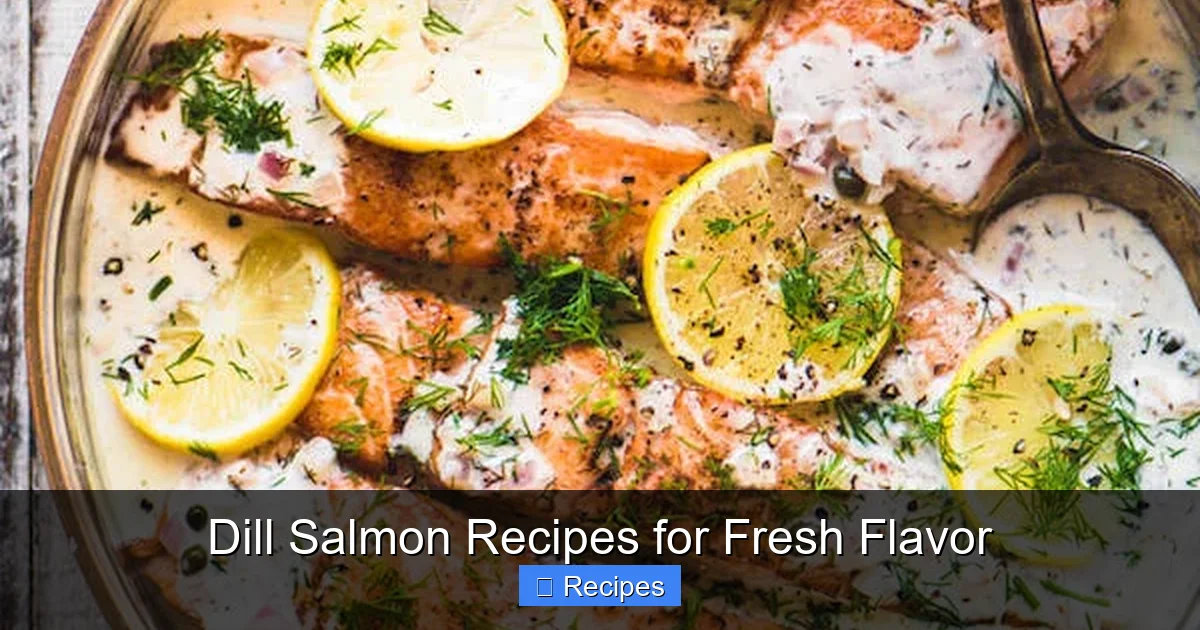
Grilling imparts a smoky, charred flavor that baked salmon can’t match. The high heat creates a delicious crust while keeping the interior tender. The key here is preventing the delicate herb from burning. Using a foil packet or a sturdy herb-based marinade is the secret.
Visual guide about Dill Salmon Recipes for Fresh Flavor
Image source: bestcraftsandrecipes.com
Grilled Salmon in a Dill-Foil Packet
This is the no-mess, no-fuss way to grill. The packet steams the salmon in its own juices while the dill and lemon steam within, infusing every bite.
- Build the packet: Tear a large sheet of heavy-duty foil. Place a salmon fillet in the center. Top with a thick drizzle of olive oil, a generous handful of dill fronds, and several lemon slices. Fold the foil into a sealed packet, leaving room for steam.
- Grill: Place the packet on a preheated grill (medium-high heat). Cook for 10-12 minutes, carefully opening to check for doneness.
- Why it works: The foil protects the dill from direct flame, allowing it to wilt and perfume the fish without turning to ash.
Dill Marinade for the Grill
For direct grilling on grates, a marinade with dill *and* oil is essential to prevent sticking and add flavor.
- Marinade: Whisk ¼ cup olive oil, ¼ cup lemon juice, 2 tbsp chopped dill, 1 tbsp honey or maple syrup, 2 minced garlic cloves, salt, and pepper.
- Process: Marinate the salmon for 15-30 minutes (not longer, as the acid can start to “cook” the surface). Oil the grill grates well. Grill skin-side down first for 4-5 minutes, then flip and cook 3-4 minutes more.
- Tip: Grill marks are a sign of good heat. Let the fish sit undisturbed for the first few minutes to get a clean release from the grates.
Pan-Seared Dill Salmon: Crispy Skin, Tender Center
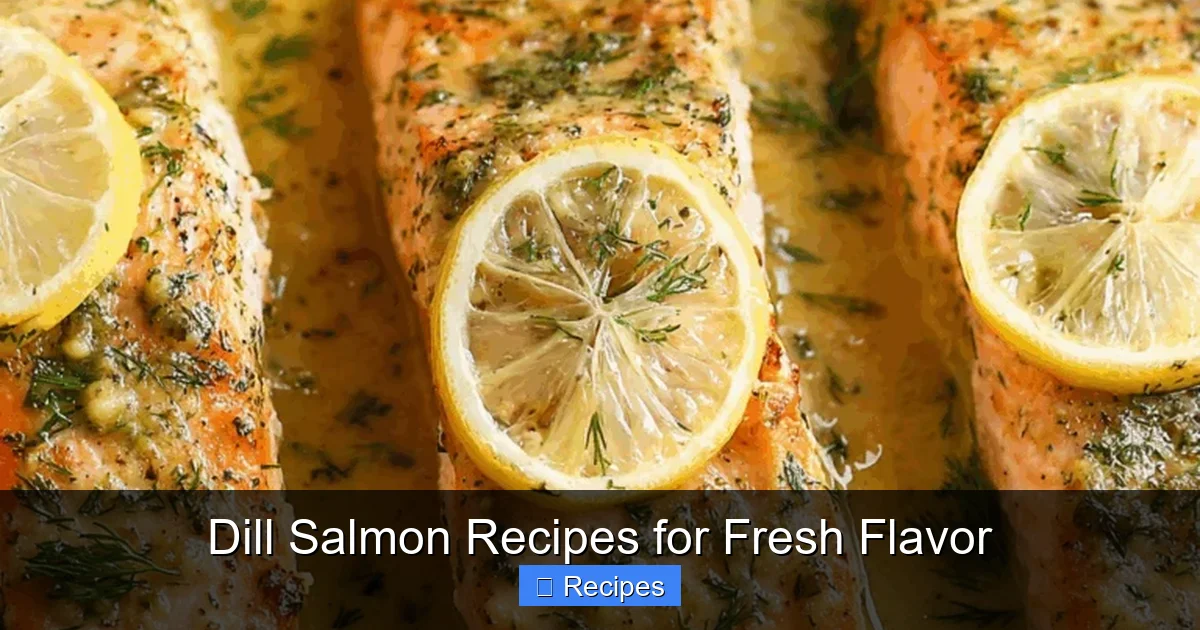
Pan-searing is the method for achieving that coveted, shatteringly crispy skin and a golden crust. It’s fast, uses just one pan, and is perfect for a luxurious dinner in under 20 minutes. The challenge is managing the heat and moisture.
Visual guide about Dill Salmon Recipes for Fresh Flavor
Image source: justinerecipes.com
The Technique for Perfect Crispy Skin
Crispy skin is all about dryness and patience. Follow these steps religiously.
- Dry the Skin: Use a paper towel to pat the salmon skin completely dry. Any moisture is the enemy of crispness.
- Season & Rest: Season the skin side generously with salt and let it sit, skin-side up, for 10-15 minutes. This draws out more moisture.
- Hot Pan, Cold Fish: Heat a heavy, non-stick or cast-iron skillet over medium-high heat with 1 tbsp high-smoke-point oil (like avocado or canola) until shimmering.
- Skin-Side Down First: Place the salmon skin-side down in the pan. Press gently for 10 seconds to prevent curling. Cook 80% of the way on this side (5-7 minutes for a 1-inch fillet), without moving it.
- Finish: Flip and cook for just 1-2 minutes on the flesh side to finish. Transfer to a plate, skin-side up.
Dill Butter Sauce (Beurre Blanc Lite)
Finish your seared salmon with a simple, luxurious pan sauce that incorporates fresh dill.
- In the same pan: After removing salmon, reduce heat to medium. Add 2 tbsp minced shallot, cook 1 minute. Add ¼ cup white wine or lemon juice, scrape up browned bits, and reduce by half.
- Emulsify: Whisk in 2 tbsp cold, cubed butter, one piece at a time, until glossy. Stir in 2 tbsp chopped fresh dill and a squeeze of lemon.
- Serve: Spoon the sauce over the crispy-skinned salmon. The residual heat from the fish will finish melting the butter.
Fresh & No-Cook: Dill Salmon Gravlax
Gravlax is the ultimate make-ahead, no-cook “recipe.” It’s simply salmon cured in a mixture of salt, sugar, and dill. The result is a silky, flavorful, and elegant dish that feels incredibly gourmet with minimal effort. It’s perfect for appetizers, brunch, or a stunning main course.
Basic Gravlax Method
- Cure Mix: Combine ½ cup granulated sugar, ½ cup kosher salt, and a large handful of fresh dill fronds (stems are fine, they’re flavorful).
- Layer: Spread half the dill on a plate or tray. Place a skin-on salmon fillet (1-2 lbs) on top. Pack the remaining cure mix over the top and sides of the salmon. Cover with another layer of dill.
- Cure: Place a weight (like another heavy pan or cans) on top. Refrigerate for 24-48 hours, flipping halfway through.
- Serve: Rinse the salmon briefly under cold water, pat dry, and slice thinly against the grain. Serve with a mustard-dill sauce, on bagels with cream cheese, or with boiled potatoes.
Variations on the Cure
The basic sugar-salt-dill cure is a template for creativity.
- Citrus Twist: Add orange or lemon zest to the cure mix.
- Spiced: Include crushed pink peppercorns, fennel seeds, or juniper berries.
- Spirits: Splash in 2-3 tbsp of aquavit, gin, or vodka for a deeper, more complex flavor.
Creative Twists and Leftover Makeovers
Once you master the core methods, the real fun begins. Dill salmon can be transformed into dozens of other dishes, ensuring no leftovers go to waste and your flavor repertoire keeps expanding.
Dill Salmon Salad & Patties
Flaked cooked salmon (from any method) is a fantastic base for quick meals.
- Salad: Toss flaked salmon with a dollop of Greek yogurt, a huge handful of chopped fresh dill, diced cucumber, red onion, and a squeeze of lemon. Serve over greens or in a sandwich.
- Salmon Cakes: Mix flaked salmon with ½ cup breadcrumbs, 1 egg, 2 tbsp mayo, ¼ cup chopped dill, and lemon zest. Form patties, pan-fry until golden. Serve with a lemon-dill yogurt sauce.
Dill-Infused Oils & Butters
Capture the flavor for future use.
- Dill Butter: Soften 1 stick of butter. Mix in 2 tbsp finely chopped dill, 1 tsp lemon zest, and a pinch of salt. Roll into a log in parchment paper and chill. Slice onto hot grilled or baked salmon.
- Dill Oil: Gently warm 1 cup olive oil with a large bunch of dill for 5 minutes (do not fry). Let cool, strain, and store in the fridge. Drizzle over finished dishes.
Mastering the Essentials: Ingredient & Technique Guide
Great recipes are built on great ingredients and sound technique. This section is your reference for making every dill salmon dish a success, from the market to the plate.
Choosing Your Salmon
- Wild vs. Farmed: Wild salmon (like Sockeye, Coho, King) has a stronger, more complex flavor and firmer texture due to its active life. Farmed (often Atlantic) is milder, fattier, and more consistently available. Both work beautifully with dill; choose based on preference and budget.
- Freshness Signs: Look for firm, resilient flesh that springs back when pressed. It should smell clean and like the ocean, not fishy. If buying whole, eyes should be clear. For fillets, edges should be moist, not dry or brown.
- Frozen is Fine: High-quality frozen salmon is flash-frozen at sea and is an excellent, often more affordable option. Thaw slowly in the refrigerator overnight for best texture.
Working with Fresh Dill
- Fronds vs. Stems: The feathery fronds have the most delicate flavor—use them for garnishing and finishing. The tougher stems are packed with flavor—chop them finely and use them in sauces, marinades, and cooking liquids. Don’t waste them!
- Storage: Treat dill like fresh flowers. Trim the stems, place in a glass with an inch of water, cover loosely with a plastic bag, and refrigerate. Change the water every couple of days. It will stay fresh for over a week.
- Dried Dill: Dried dill weed is less potent than fresh. Use about 1/3 the amount of fresh dill called for (e.g., 1 tbsp fresh = 1 tsp dried). Add it earlier in the cooking process to rehydrate and release its oils. It’s great for rubs and baked dishes.
Doneness & Resting
This is the most critical step for perfect salmon.
- Visual Cue: Salmon is done when the flesh turns from translucent to opaque and flakes easily with a fork. The center should still be slightly translucent if you like it medium.
- Thermometer: For absolute precision, use an instant-read thermometer. 125°F (52°C) for medium-rare, 130°F (54°C) for medium, and 140°F (60°C) for well-done.
- REST: Always let cooked salmon rest for 5-10 minutes before serving or flaking. The internal temperature will continue to rise (carryover cooking), and the juices will redistribute, resulting in moist, tender fish instead of a dry plate.
Conclusion: Your Dill Salmon Journey Begins
Dill and salmon represent a beautiful synergy of simplicity and sophistication. You now have the blueprint—the methods, the science, and the creative sparks—to make this combination a staple in your kitchen. Start with the foolproof baked lemon-dill salmon for a reliable winner. Master the pan-sear for crispy-skin bliss. Try your hand at gravlax for a stunning, make-ahead party trick. Then, mix and match. Use dill butter on grilled steaks, fold flaked salmon into a dill-yogurt salad, or experiment with different citrus and spice in your cure.
The beauty of cooking is making a recipe your own. Trust your palate. If you love dill, add more. Prefer a sharper tang? Increase the lemon. The partnership of dill and salmon is forgiving and rewarding. So, grab some fresh fillets and a vibrant bunch of dill, and start cooking. Fresh flavor is just a few steps away.
Frequently Asked Questions
Can I use dried dill instead of fresh?
Yes, but use about one-third the amount since dried herbs are more concentrated. Add dried dill earlier in cooking (like in a rub or sauce) to allow its flavor to rehydrate. For finishing, fresh dill is always superior for its bright, grassy notes.
What’s the best way to cook salmon so it doesn’t dry out?
The golden rule is to avoid overcooking. Cook to an internal temperature of 125-130°F (52-54°C) for medium, as carryover cooking will bring it up a few degrees. Always let it rest for 5-10 minutes after cooking. Methods with added moisture, like baking in a foil packet or with a sauce, are also very forgiving.
Can I cook salmon from frozen?
Yes, but for best results, thaw it slowly in the refrigerator overnight. You can also use the “cold water method” (sealed in a bag, submerged in cold water for 1-2 hours) or use the frozen fillet directly in baked or foil-packet recipes, adding 5-10 minutes to the cooking time. Pan-searing from frozen is not recommended.
What are good side dishes for dill salmon?
Classic pairings are roasted asparagus, lemon-herb rice or quinoa, a crisp green salad with a vinaigrette, roasted new potatoes, or steamed green beans. The fresh, bright flavor of dill salmon also complements creamy dishes like mashed potatoes or a simple pasta with olive oil.
Is it safe to eat salmon skin?
Absolutely. Salmon skin is edible and highly nutritious, containing more omega-3s and protein than the flesh. It’s delicious when crispy (as in pan-searing). Just ensure the salmon is scaled before cooking. If you prefer not to eat it, you can easily remove it after cooking.
What can I substitute for dill if I don’t have any?
For a fresh, herbal substitute, try tarragon (similar anise note) or a mix of parsley and chives. For a more robust flavor, thyme or rosemary can work, especially with grilled or baked salmon. Fennel fronds offer a very similar mild anise flavor. For gravlax, caraway seeds or mustard seeds can be used in the cure.

Pingback: Easy Lemon Cream Sauce for Salmon - kitchenandhouseware.com