Salmon is the star of the Mediterranean diet. This article provides a collection of simple, flavorful recipes that harness the diet’s power—using olive oil, fresh herbs, citrus, and vegetables. You’ll learn why this combination is a nutritional powerhouse and get practical tips for buying, cooking, and meal-prepping salmon to support long-term health and delicious eating.
Key Takeaways
- Perfect Protein Pairing: Salmon’s rich omega-3 fatty acids and high-quality protein perfectly align with the heart-healthy, anti-inflammatory principles of the Mediterranean diet.
- Flavor is Fundamental: The diet’s hallmark ingredients—extra virgin olive oil, lemon, garlic, fresh herbs, and tomatoes—transform salmon into a vibrant, satisfying meal with minimal effort.
- Versatility is Key: Salmon can be baked, grilled, poached, or pan-seared, making it adaptable to any recipe, from quick weeknight dinners to elegant weekend meals.
- Pantry Power: Keeping staples like good olive oil, canned tomatoes, olives, and dried herbs on hand allows you to create a Mediterranean salmon dish any night of the week.
- Sustainability Matters: Choosing wild-caught or responsibly farmed salmon ensures you’re supporting ocean health while nourishing your own.
- Meal-Prep Friendly: Cooked salmon and Mediterranean sides like quinoa salad or roasted veggies store beautifully, making healthy lunches and dinners effortless.
📑 Table of Contents
- Why Salmon and the Mediterranean Diet Are a Match Made in Heaven
- The Incredible Health Benefits of Your Mediterranean Salmon Plate
- Your Mediterranean Pantry: Essential Ingredients for Salmon Success
- Mastering the Techniques: How to Cook Perfect Mediterranean Salmon
- 5 Must-Try Mediterranean Salmon Recipes
- Making It a Habit: Meal Planning and Smart Shopping
- Conclusion: Your Journey to Flavorful, Healthy Eating Starts Here
Why Salmon and the Mediterranean Diet Are a Match Made in Heaven
Let’s talk about the ultimate power couple in healthy eating: salmon and the Mediterranean diet. This isn’t just a trendy food pairing; it’s a scientifically-backed, flavor-first approach to nourishment that has been celebrated for decades. The Mediterranean diet, inspired by the traditional eating habits of countries bordering the Mediterranean Sea, consistently ranks as one of the healthiest diets in the world. It’s linked to reduced risks of heart disease, stroke, cognitive decline, and more.
So where does salmon come in? Salmon is the ideal protein for this way of eating. It’s a fatty fish, brimming with omega-3 fatty acids (specifically EPA and DHA), which are crucial for brain function, reducing inflammation, and supporting cardiovascular health. Its rich, satisfying flesh pairs effortlessly with the diet’s cornerstone ingredients: extra virgin olive oil, fresh herbs (like dill, oregano, and parsley), citrus (lemon is a classic), garlic, tomatoes, and an abundance of vegetables. The result? Meals that are not just incredibly good for you, but explosively flavorful and never boring. Think of it as health on a plate, where every ingredient has a purpose.
The Incredible Health Benefits of Your Mediterranean Salmon Plate
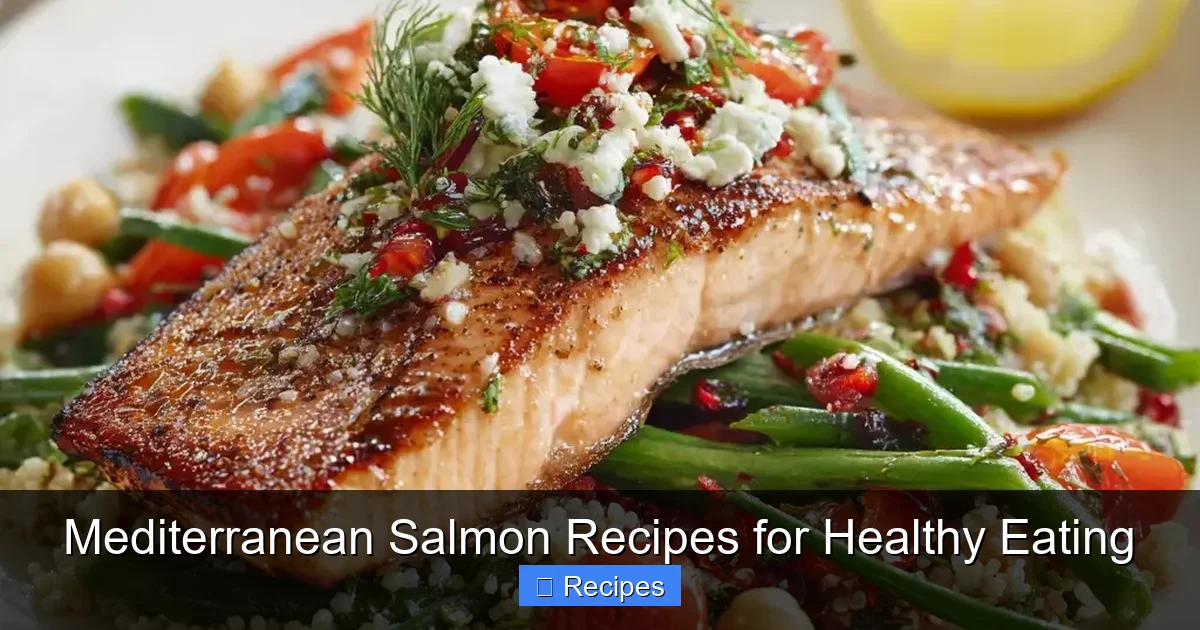
When you serve up a plate of lemon-herb roasted salmon alongside a bright chickpea salad and some grilled zucchini, you’re doing your body a massive favor. Let’s break down the nutritional magic happening in that simple meal.
Visual guide about Mediterranean Salmon Recipes for Healthy Eating
Image source: wawamenu.org
Heart Health & Inflammation Fighter
The omega-3s in salmon are legendary for lowering triglycerides, raising “good” HDL cholesterol, and preventing blood clots. Combined with the monounsaturated fats from olive oil and the antioxidants from vegetables, you create a potent anti-inflammatory cocktail. Chronic inflammation is a root cause of many modern diseases, so this combo is a foundational defense.
Brain & Mood Booster
Your brain is nearly 60% fat, and DHA (from salmon) is a primary structural component. Regular consumption is associated with improved memory, slower cognitive aging, and a lower risk of depression. The antioxidants from colorful veggies like bell peppers and spinach further protect brain cells from oxidative stress.
Complete Protein & Satiety
A single 4-6 oz serving of salmon provides about 25-30 grams of high-quality, complete protein, meaning it has all the essential amino acids your body needs. Protein is the most satiating macronutrient, helping you feel full and satisfied, which naturally supports healthy weight management—a key benefit of the Mediterranean pattern.
A Nutrient-Dense Powerhouse
Beyond omega-3s and protein, salmon is an excellent source of vitamin D (critical for immune function and bone health), selenium (a powerful antioxidant), and B vitamins (for energy metabolism). The accompanying vegetables, legumes, and whole grains round out the meal with fiber, vitamins, and minerals, creating a nutritionally complete package.
Your Mediterranean Pantry: Essential Ingredients for Salmon Success
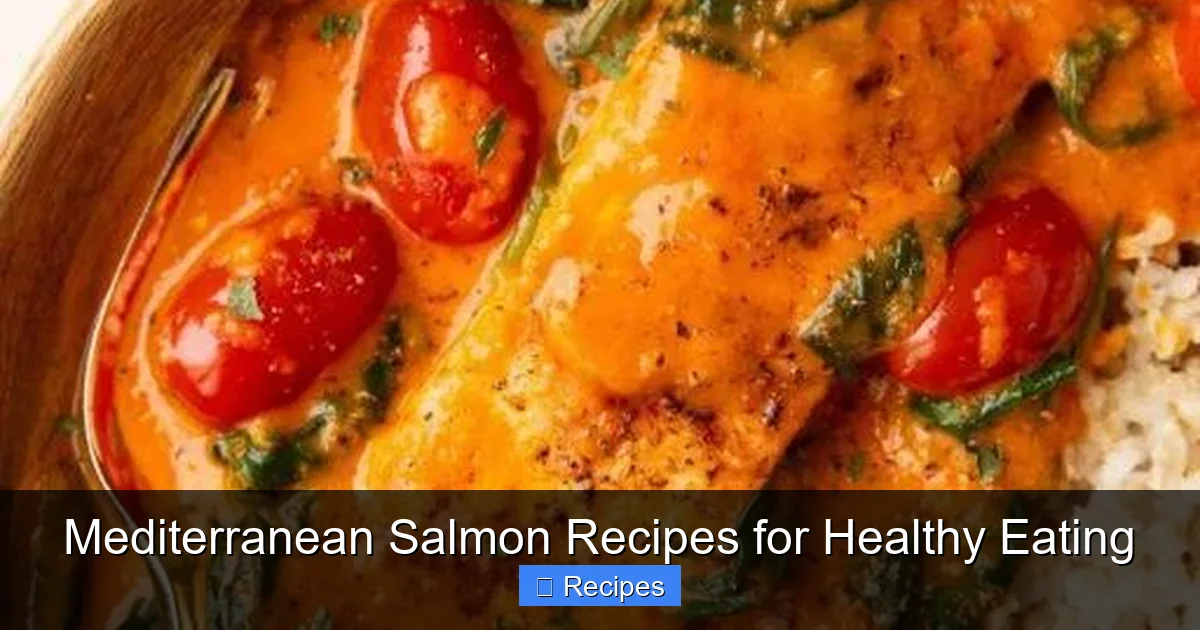
You don’t need a gourmet kitchen to cook this way. With a few key staples, you can whip up a Mediterranean salmon masterpiece any night. Stock your pantry and fridge with these essentials.
Visual guide about Mediterranean Salmon Recipes for Healthy Eating
Image source: kindkitchenrecipes.com
- Extra Virgin Olive Oil (EVOO): The liquid gold. Use a good-quality one for dressings and a standard one for cooking. It’s your primary cooking fat and salad base.
- Fresh Citrus: Lemons are non-negotiable. Their juice brightens everything. Limes and oranges also work beautifully in marinades and dressings.
- Garlic & Onions: The aromatic foundation for almost every savory dish. Keep them on hand.
- Fresh Herbs: Dill, parsley, oregano, thyme, and basil. If fresh isn’t available, high-quality dried herbs (especially oregano) work in a pinch.
- Canned Tomatoes & Tomato Paste: For quick sauces, stews, and braises. Opt for low-sodium or no-salt-added versions.
- Canned Chickpeas, Lentils, or White Beans: Protein and fiber-packed legumes to turn salmon into a hearty bowl or salad.
- Olives & Capers: These briny treasures add a punch of salty, savory flavor (umami) to sauces, salads, and toppings.
- Nuts & Seeds: Almonds, walnuts, and pine nuts. Toast them for salads, grain bowls, or as a crunchy topping for baked salmon.
- Whole Grains: Bulgur, quinoa, farro, and whole-wheat couscous. They cook quickly and soak up delicious juices.
- Seasonings: Good sea salt, black pepper, smoked paprika, and cumin add depth without complexity.
Pro Tip: Always keep a lemon and a head of garlic on your shopping list. They are the fastest way to make any protein, especially salmon, taste Mediterranean.
Mastering the Techniques: How to Cook Perfect Mediterranean Salmon
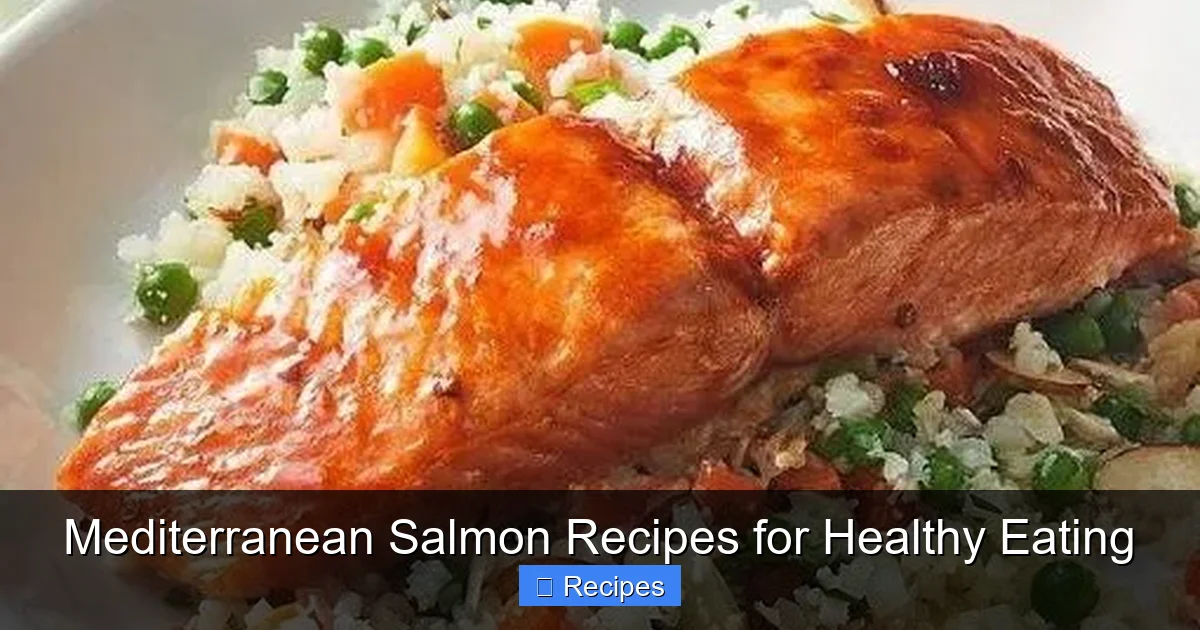
The method you choose influences the final texture and flavor. Here’s a guide to the best techniques for Mediterranean-style salmon.
Visual guide about Mediterranean Salmon Recipes for Healthy Eating
Image source: kindkitchenrecipes.com
Oven-Baking (The Hands-Off Hero)
This is the easiest, most foolproof method for a moist, flaky fillet. Preheat your oven to 400°F (200°C). Place salmon fillets (skin-on or skinless) on a parchment-lined baking sheet. Drizzle with olive oil, lemon juice, and sprinkle with salt, pepper, and herbs (dried oregano or fresh dill are perfect). Bake for 12-15 minutes, until just opaque and flaky. The parchment makes cleanup a breeze. Why it works: Even, gentle heat cooks the fish through without drying it out.
Pan-Searing (For Crispy Skin)
Pat the salmon dry—this is the #1 secret to crispy skin. Heat 1-2 tbsp olive oil in a non-stick or cast-iron skillet over medium-high heat. Place salmon skin-side down and press gently for 10 seconds. Cook without moving for 4-5 minutes until the skin is golden and crisp. Flip and cook 2-3 minutes more on the flesh side. Finish with a squeeze of lemon and a sprinkle of fresh herbs. Why it works: The high heat creates a beautiful Maillard reaction (browning) and shatteringly crisp skin.
Grilling (Smoky Summer Flavor)
Preheat your grill to medium-high. Oil the grates well. Place salmon skin-side down on the grill. Close the lid and cook for 4-6 minutes. Flip carefully and grill 3-4 minutes more. Use a fish spatula! For extra flavor, make a quick skordalia (Greek garlic-herb sauce) or a lemon-oregano marinade to brush on while grilling. Why it works: Grilling adds a wonderful smoky char that complements the herbs and lemon perfectly.
Poaching (Delicate & Moist)
For a supremely tender, delicate texture, poach. In a wide skillet, combine 1 cup water or low-sodium broth with ½ cup white wine, lemon slices, garlic, and herbs (thyme, dill). Bring to a simmer. Gently slide in salmon fillets, cover, and cook for 8-10 minutes. The fish will absorb the subtle aromatics. Why it works: Moist, gentle cooking ensures zero dryness, ideal for a light, elegant meal.
5 Must-Try Mediterranean Salmon Recipes
Ready to cook? These recipes are your starting point—simple, balanced, and bursting with the flavors of the Mediterranean coast.
1. Lemon-Herb Baked Salmon with Roasted Tomatoes & Olives
This is the ultimate weeknight dinner. The acidity of the tomatoes and olives cuts through the richness of the salmon beautifully.
- Ingredients: 2 salmon fillets (6 oz each), 1 cup cherry tomatoes, ¼ cup Kalamata olives (pitted), 2 tbsp chopped fresh oregano (or 1 tsp dried), 3 cloves minced garlic, 3 tbsp extra virgin olive oil, juice of 1 lemon, salt & pepper.
- Method: Preheat oven to 400°F. On a parchment-lined sheet pan, toss tomatoes and olives with 1 tbsp olive oil, half the garlic, and a pinch of salt. Nestle the salmon fillets among the veggies. Drizzle salmon with remaining olive oil, lemon juice, oregano, salt, and pepper. Bake for 12-15 minutes. Serve with a side of lemon-herb quinoa.
2. Greek-Style Grilled Salmon with Tzatziki & Cucumber Salad
Transport yourself to a Greek island with this refreshing combo. The cool, garlicky tzatziki is the perfect counterpoint to the charred fish.
- Ingredients: 2 salmon fillets, 2 tbsp olive oil, 1 tsp dried oregano, juice of ½ lemon. For Tzatziki: 1 cup Greek yogurt, 1 grated cucumber (squeezed dry), 1 minced garlic clove, 1 tbsp chopped dill, 1 tbsp olive oil, salt. For Salad: 1 diced cucumber, 1 cup cherry tomatoes, ¼ cup thinly sliced red onion, 2 tbsp red wine vinegar, 1 tsp dried oregano.
- Method: Marinate salmon in olive oil, oregano, and lemon juice for 15 minutes. Grill as described above. Meanwhile, mix all tzatziki ingredients. Toss salad ingredients with vinegar and oregano. Serve salmon topped with tzatziki and alongside the cucumber salad.
3. Spanish-Style “Pescado a la Plancha” with Romesco Sauce
This Catalan-inspired dish is all about bold, smoky, nutty flavors. Romesco, a roasted red pepper and almond sauce, is a game-changer.
- Ingredients: 2 salmon fillets, 2 tbsp olive oil, flaky sea salt. For Romesco: 1 jar roasted red peppers (drained), ¼ cup toasted almonds, 1 slice bread (toasted), 1 garlic clove, 1 tbsp sherry vinegar or red wine vinegar, ½ tsp smoked paprika, ¼ cup olive oil.
- Method: Make Romesco: Blend all sauce ingredients until smooth. Season with salt. Pat salmon dry, season generously with salt. Heat oil in a skillet over high heat. Sear salmon skin-side down for 4-5 minutes until crispy. Flip and cook 2-3 minutes. Serve salmon atop a generous spoonful of romesco sauce, with extra on the side.
4. Mediterranean Salmon & Chickpea Bowl with Lemon-Dill Dressing
This grain bowl is packed with protein, fiber, and flavor. It’s perfect for meal prep—assemble components separately and combine when ready to eat.
- Ingredients: 2 salmon fillets (cooked via your preferred method, then flaked), 2 cups cooked quinoa or bulgur, 1 can chickpeas (rinsed), 1 cup chopped cucumber, 1 cup halved cherry tomatoes, ½ cup crumbled feta, ¼ cup chopped fresh dill. For Dressing: ¼ cup extra virgin olive oil, juice of 1 lemon, 1 minced garlic clove, 1 tsp dried dill (or 1 tbsp fresh), salt & pepper.
- Method: Whisk dressing ingredients together. In a large bowl, combine quinoa, chickpeas, cucumber, tomatoes, and dill. Add flaked salmon and crumbled feta. Drizzle with dressing and toss gently to combine.
5. One-Pan Mediterranean Salmon with Artichokes & White Beans
Dinner in one pan means minimal cleanup. The artichoke hearts and white beans create a hearty, stew-like base that soaks up the lemony, herby pan juices.
- Ingredients: 2 salmon fillets, 1 tbsp olive oil, 1 can (14 oz) quartered artichoke hearts (drained), 1 can (15 oz) cannellini beans (rinsed), 1 cup chicken or vegetable broth, juice of 1 lemon, 2 cloves minced garlic, 1 tsp dried thyme, ½ tsp red pepper flakes (optional), salt & pepper, fresh parsley for garnish.
- Method: Heat oil in a large skillet with a lid over medium heat. Add garlic and cook 30 seconds. Stir in artichokes, beans, broth, lemon juice, thyme, and red pepper flakes. Season with salt and pepper. Bring to a simmer. Nestle salmon fillets into the mixture, spooning some liquid over the top. Cover and cook for 8-10 minutes, until salmon is cooked through. Garnish with parsley.
Making It a Habit: Meal Planning and Smart Shopping
Knowing the recipes is one thing; making them a regular part of your life is the goal. Here’s how to integrate Mediterranean salmon seamlessly into your weekly routine.
Smart Salmon Shopping
Look for fillets with firm, resilient flesh and a clean, ocean-like smell (never fishy). If buying frozen, ensure it’s solid and not covered in ice crystals, which indicates thawing and refreezing. Sustainability-wise: In the U.S., look for MSC (Marine Stewardship Council) or ASC (Aquaculture Stewardship Council) certifications. Wild-caught Alaskan salmon is generally a top sustainable choice. King (Chinook) and Sockeye are fattier and richer; Coho and Pink are leaner.
The Weekly Prep Blueprint
Dedicate 60-90 minutes on the weekend to set yourself up for success:
- Cook a batch of grains: Quinoa, farro, or brown rice.
- Wash and chop vegetables: Cucumbers, bell peppers, onions, and tomatoes for salads and bowls.
- Make a big dressing: Lemon-olive oil vinaigrette or a herb-y yogurt sauce.
- Marinate or portion salmon: Place individual fillets in zip-top bags with a simple marinade (olive oil, lemon, herbs) for grab-and-go cooking.
During the week, you can then assemble bowls in 5 minutes, pop a marinated fillet in the oven, or quickly pan-sear a piece of salmon.
Balancing Your Plate
Remember the Mediterranean plate model: 1/2 vegetables (a colorful salad, roasted medley, or grilled slices), 1/4 lean protein (your salmon), 1/4 whole grains (quinoa, whole-wheat pita, or barley). Add a serving of legumes (chickpeas, lentils) a few times a week and a handful of nuts or a drizzle of olive oil for healthy fats. This visual guide makes building a balanced meal intuitive.
Conclusion: Your Journey to Flavorful, Healthy Eating Starts Here
Embracing Mediterranean salmon recipes is more than just following a set of instructions; it’s about adopting a philosophy of eating. It’s a commitment to real food—food that is vibrant, minimally processed, and deeply satisfying. The combination of salmon’s nutritional prowess with the Mediterranean diet’s emphasis on plants, healthy fats, and communal enjoyment creates a sustainable, joyful path to long-term health.
You don’t need to be a gourmet chef. Start with the simple baked lemon-herb salmon. Once you taste how easy and delicious it is, try the one-pan version with beans and artichokes. Build your confidence, stock your pantry with those key ingredients, and soon you’ll be intuitively creating your own Mediterranean masterpieces. Your body—and your taste buds—will thank you for it. Here’s to many happy, healthy meals ahead.
Frequently Asked Questions
Can I use frozen salmon for these recipes?
Yes, absolutely. Thaw frozen salmon slowly in the refrigerator overnight for the best texture. If you need to thaw quickly, place the sealed package in a bowl of cold water. Pat it very dry before cooking to ensure a good sear or even bake.
What are the best side dishes to serve with Mediterranean salmon?
The options are endless! Think of the plate model: a big Greek salad, roasted Mediterranean vegetables (zucchini, eggplant, bell peppers), a whole grain like lemon-herb quinoa or couscous, or simply some crusty whole-wheat bread to soak up sauces. A white bean salad or a simple cucumber-yogurt dip (tzatziki) are also fantastic.
How do I know when salmon is cooked perfectly?
The safest way is with a food thermometer. Salmon is perfectly cooked at 125°F (52°C) for medium-rare and 130°F (54°C) for medium. It will look translucent and very moist in the center. Without a thermometer, look for the flesh to become opaque and to flake easily with a fork. It should still look slightly translucent in the very center if you like it medium.
I don’t like the taste of “fishy” salmon. Any tips?
Choose fresher, high-quality salmon. “Fishy” flavors often come from age. Also, the strong flavors of the Mediterranean diet are perfect for this! Use plenty of acid (lemon juice), aromatic herbs (dill, rosemary), garlic, and bold ingredients like olives and sun-dried tomatoes. These flavors dominate and mask any mild fishiness.
Can I substitute another fish, like trout or cod?
Definitely. The Mediterranean flavor profile—olive oil, lemon, herbs, garlic—works beautifully with many fish. Trout is an excellent, fatty substitute. Cod or halibut are leaner white fish; they may cook faster and benefit from a slightly shorter cooking time or a quick marinade to add moisture and flavor.
How long can I store cooked salmon?
Store cooked salmon in an airtight container in the refrigerator for 3-4 days. It’s best eaten within 2 days for optimal flavor and texture. You can flake it and use it in salads, grain bowls, or as a topping for whole-grain toast throughout the week. Reheat gently to avoid drying it out.