This Japanese Furikake Salmon Recipe is your ticket to a stunning, restaurant-quality meal in under 30 minutes. It features a succulent salmon fillet coated in a glossy, umami-packed marinade and topped with crispy, aromatic furikake seasoning that bakes or pan-sears to perfection. It’s incredibly versatile, coming together with minimal prep and using pantry staples, making it ideal for busy weeknights yet elegant enough for guests. Serve it with rice and veggies for a complete, satisfying meal that’s sure to become a family favorite.
Have you ever walked past a Japanese izakaya or bento shop and caught a whiff of something irresistibly savory, crispy, and seafood-kissed? That, my friends, is often the siren call of furikake salmon. It’s a dish that feels both incredibly comforting and excitingly special, a true staple that bridges the gap on a weeknight dinner table. The beauty of this Japanese Furikake Salmon Recipe lies in its beautiful simplicity and the magical transformation of a few humble ingredients. Imagine a flaky, juicy salmon fillet, glistening with a sweet-savory glaze, crowned with a crust of toasted sesame seeds, dried seaweed, and seasonings that crackle with every bite. It’s umami heaven, and it’s surprisingly easy to achieve in your own kitchen.
For a long time, I thought dishes like this were reserved for chefs or required a pantry full of obscure ingredients. How wrong I was! The core concept is brilliantly straightforward: marinate the fish for flavor and moisture, then coat it in furikake and cook. The result is a protein that is moist on the inside, encased in a deliciously textured, aromatic crust. Whether you bake it for hands-off ease, pan-sear for maximum crispiness, or pop it in an air fryer for speed, this Japanese Furikake Salmon Recipe delivers consistent, mouthwatering results. It’s the kind of recipe that makes you feel like a culinary hero with minimal effort, and that’s exactly what we’re going to explore together. So, grab your salmon and let’s dive into the world of crispy, golden, furikake-topped perfection.
Key Takeaways
- Effortless Elegance: This dish looks and tastes impressive but requires only basic cooking skills and about 30 minutes from start to finish.
- Furikake is Key: The Japanese seasoning blend furikake provides the signature crispy texture and savory, salty, slightly sweet flavor that defines this dish.
- Versatile Cooking Methods: You can achieve fantastic results by baking, pan-searing, air frying, or grilling the salmon, offering flexibility for any kitchen setup.
- Flavor Through Marinating: A quick marinade in soy sauce, mirin, and sake (or alternatives) deeply seasons the salmon and keeps it moist during cooking.
- Customizable & Forgiving: The recipe adapts easily to different types of furikake, salmon cuts, and dietary needs, and the seasoning is hard to over-apply.
- Perfect for Meal Prep: Cooked furikake salmon stores and reheats beautifully, making it an excellent make-ahead protein for lunches and dinners throughout the week.
📑 Table of Contents
The Magic of Furikake: More Than Just a Seasoning
Before we get to the recipe, we need to understand the star of the show: furikake. For those new to Japanese ingredients, furikake (振り掛け) literally means “sprinkle over.” It’s a dry, multi-purpose seasoning blend designed to be sprinkled on rice, vegetables, fish, or salads to add instant flavor, texture, and visual appeal. While recipes vary, a classic furikake typically contains a base of toasted sesame seeds (both white and black), shredded nori (dried seaweed), sugar, salt, and often dried fish flakes like bonito or dried salmon. Some modern versions include dried egg, vegetables, or even wasabi.
What Makes Furikake So Special for Salmon?
Salmon, with its rich, fatty flesh, is a perfect canvas for furikake. The seasoning’s salty-sweet profile complements the fish’s natural oiliness without overpowering it. The sesame seeds toast and crisp up during cooking, creating a delightful crunch that contrasts beautifully with the tender salmon. The nori adds a deep, oceanic umami note that ties everything back to its Japanese roots. Essentially, furikake does the heavy lifting of seasoning and texturizing in one sprinkle. It’s the shortcut to achieving that complex, layered flavor you might otherwise need a long marinade or glaze for.
Store-Bought vs. Homemade Furikake
You can absolutely use store-bought furikake for this Japanese Furikake Salmon Recipe, and that’s what I do 90% of the time for convenience. Brands like Kewpie, Mizkan, or Nagatanien make excellent, widely available versions. Look for one labeled “salmon” or “sake” furikake if you can, as they often have a slightly sweeter profile that pairs wonderfully. However, making your own is a fun project that allows you to control saltiness, sweetness, and ingredient quality. A basic homemade version involves toasting sesame seeds, crumbling nori, and mixing with sugar, salt, and a touch of MSG-free dashi powder. For this recipe, store-bought is perfectly acceptable and ensures great results every time.
Ingredients and Tools: Your Flavor Foundation
Gathering your ingredients is the first step to success. This Japanese Furikake Salmon Recipe is forgiving, but using quality components will elevate your dish from good to unforgettable. Here’s what you’ll need, broken down by category.
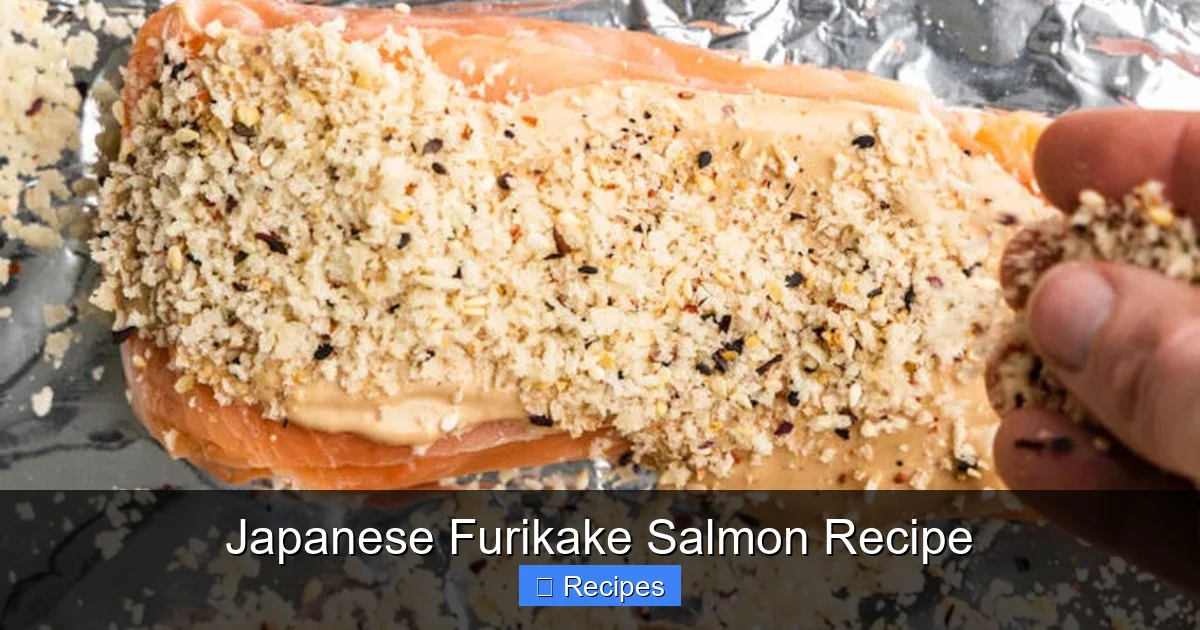
Visual guide about Japanese Furikake Salmon Recipe
Image source: myeverydaytable.com
The Star: Choosing and Prepping the Salmon
Opt for center-cut salmon fillets, about 1 to 1.5 inches thick. This thickness ensures the fish stays moist and doesn’t overcook too quickly. Skin-on fillets are preferable because the skin protects the flesh and gets deliciously crispy. If you buy skinless, that’s fine too—just adjust cooking time slightly. Always pat the salmon very dry with paper towels before marinating; this helps the seasoning adhere and promotes better browning. For two generous servings, you’ll need about 12-16 ounces (340-450g) of salmon.
The Marinade: Building Layers of Flavor
The marinade is a simple yet powerful trio that tenderizes and seasons the fish:
- Soy Sauce: Use regular or low-sodium soy sauce (koikuchi shoyu). It provides the essential salty, savory base.
- Mirin: This sweet Japanese rice wine is crucial. It adds a subtle sweetness, glossy sheen, and helps tenderize the fish. If you don’t have mirin, a small amount of sake or even a splash of dry white wine with a pinch of sugar can substitute, but mirin is ideal.
- Sake: Japanese cooking sake (not drinking sake) adds depth and helps eliminate any fishy odor. You can substitute with more mirin or a dry sherry, but omit if you need an alcohol-free version—just add an extra teaspoon of sugar.
The Crown: Furikake and Finishing Touches
For the topping, you’ll need about 2-3 tablespoons of your chosen furikake. Have some neutral oil (like canola or vegetable) on hand for pan-searing, or a drizzle of sesame oil for extra aroma. For garnish, consider thinly sliced scallions (green onions) and a few extra toasted sesame seeds.
Essential Tools
- A non-reactive dish (glass or ceramic) for marinating.
- A baking sheet lined with parchment paper or foil if baking.
- A good skillet (cast iron or stainless steel is ideal for pan-searing).
- Paper towels for drying the salmon.
The Foolproof Preparation: Marinating and Topping
This Japanese Furikake Salmon Recipe comes together in two main phases: marinating and applying the furikake topping. The process is quick but makes all the difference. Let’s walk through it step-by-step.
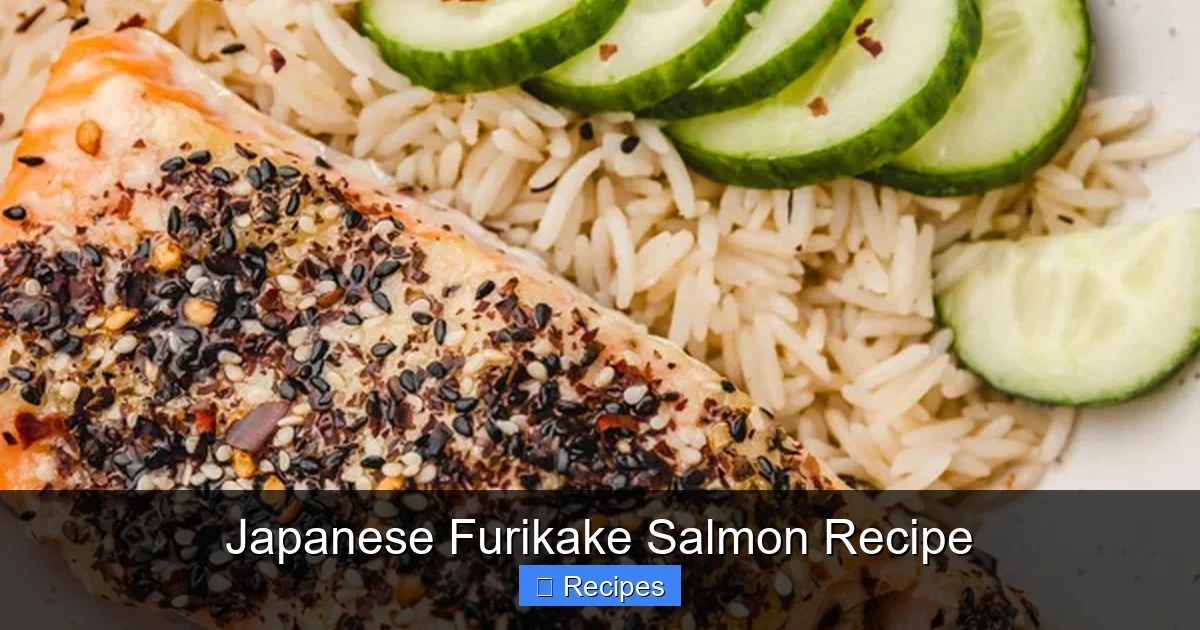
Visual guide about Japanese Furikake Salmon Recipe
Image source: thedinnerbite.com
Step 1: Prep and Pat Dry
Take your salmon fillets out of the refrigerator about 10 minutes before starting to take the chill off—this helps them cook more evenly. Using a sharp knife, check for any pin bones and remove them with tweezers. Then, thoroughly pat the salmon dry on all sides with paper towels. This is a non-negotiable step for a good sear or crisp skin.
Step 2: Whisk the Marinade
In a small bowl, whisk together 1.5 tablespoons soy sauce, 1 tablespoon mirin, and 1 teaspoon sake. This ratio is a great starting point. If your soy sauce is very salty or you prefer less saltiness, reduce the soy sauce to 1 tablespoon and increase mirin to 1.5. Taste a tiny drop—it should be balanced, not overly salty.
Step 3: Marinate for Depth
Place the dried salmon fillets in your marinating dish. Pour the marinade over them, turning to coat evenly. For the best flavor, let them marinate for at least 15 minutes at room temperature, or up to 30 minutes. You can also marinate them in the refrigerator for up to 2 hours, but bring them back to room temp before cooking. Don’t marinate longer than that, as the soy sauce can start to “cook” the fish and make it mushy.
Step 4: Apply the Furikake
This is the fun part! Take the salmon out of the marinade, letting any excess drip off. Place the fillets on a plate or your prepared baking sheet. Generously sprinkle the furikake over the top and sides of each fillet, pressing it gently with your fingers to help it adhere. The furikake will toast and crisp during cooking, so a good coating is key. If you’re pan-searing, you’ll apply the furikake right before it goes in the hot pan.
Cooking Methods: From Oven to Stovetop
One of the best things about this Japanese Furikake Salmon Recipe is its adaptability. Here are the top three methods, each with its own advantages.
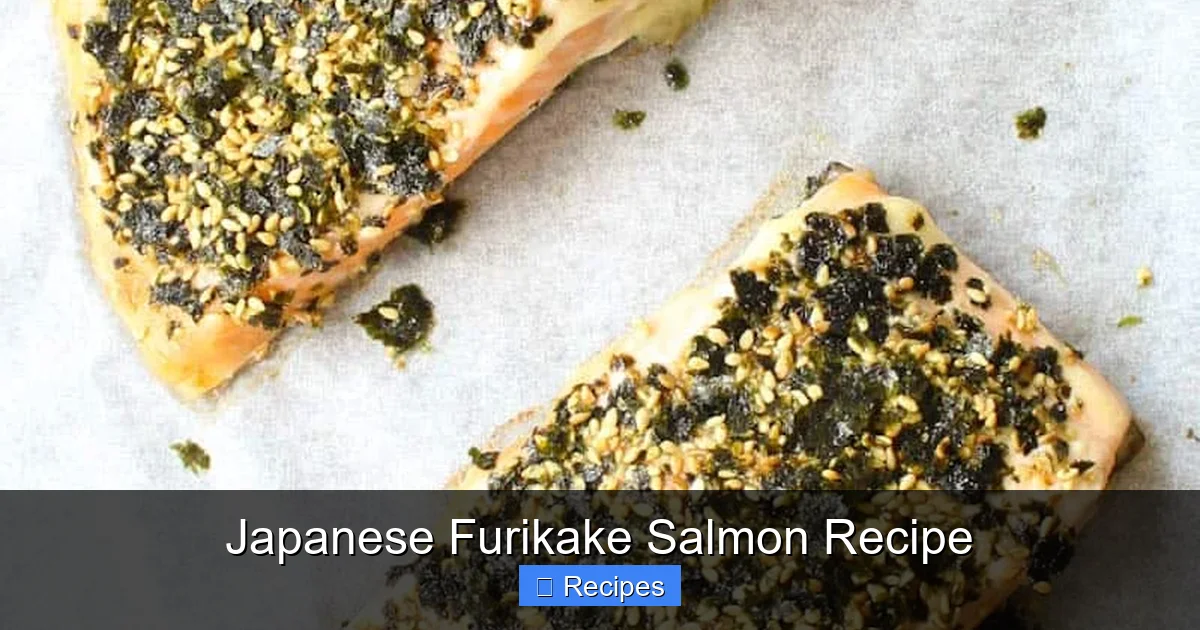
Visual guide about Japanese Furikake Salmon Recipe
Image source: aisforappleau.com
Method 1: Oven-Baked (The Easiest)
This is my go-to for a hands-off, no-fuss dinner. Preheat your oven to 400°F (200°C). Line a baking sheet with parchment paper for easy cleanup. Place the furikake-topped salmon fillets on the sheet, skin-side down if they have skin. Bake for 12-15 minutes, depending on thickness. The salmon is done when it flakes easily with a fork and the furikake is golden and crisp. The oven provides even heat and keeps your kitchen cool.
Method 2: Pan-Seared (For Maximum Crisp)
For an incredible, shatteringly crisp skin and furikake crust, the skillet is king. Heat 1-2 tablespoons of neutral oil in a non-stick or cast-iron skillet over medium-high heat until shimmering. Place the salmon fillets in the pan skin-side down (if applicable) and press gently for 10 seconds to prevent curling. Cook without moving for 4-5 minutes until the skin is golden brown and the furikake on top begins to toast. Carefully flip and cook for another 3-4 minutes on the flesh side. If your fillets are thick, you can finish them with a lid on for a minute to cook through.
Method 3: Air Fryer (Quick and Efficient)
Preheat your air fryer to 380°F (190°C). Lightly spray the basket with oil. Place the salmon fillets in the basket without overcrowding. Cook for 8-10 minutes, shaking the basket halfway through. The air fryer circulates hot air, making the furikake exceptionally crispy and the salmon perfectly cooked in record time. Perfect for small portions or when you don’t want to heat up your oven.
Serving, Storing, and Delicious Variations
Your Japanese Furikake Salmon is cooked—now let’s make it a complete meal and explore how to tweak the recipe.
Classic and Modern Serving Ideas
The most traditional way is simply over a bowl of steamed white rice (donburi), with the salmon’s juices soaking in. Add a side of pickled vegetables (tsukemono) and miso soup for a authentic Japanese meal. For a lighter option, serve it over a bed of mixed greens or quinoa. I love flaking the salmon over a bowl of soba or udon noodles with a splash of the pan juices and some steamed broccoli.
Simple Garnishes That Elevate
- Scallions: Thinly sliced green onions add fresh color and bite.
- Extra Toasted Sesame Seeds: For an extra nutty crunch.
- Yuzu Kosho: A citrus-chili paste for a bright, spicy kick.
- Japanese Mayo: A drizzle of Kewpie mayo adds creaminess.
- Lemon or Yuzu Wedges: A squeeze of citrus cuts through the richness.
Fun Variations to Try
Once you master the base, have fun with it:
- Spicy Furikake Salmon: Mix 1/2 teaspoon of shichimi togarashi (Japanese seven-spice blend) or a pinch of cayenne into your furikake before sprinkling.
- Honey-Miso Glaze: Add 1 teaspoon of white miso paste and 1/2 teaspoon of honey to your marinade for a deeper, sweeter flavor.
- Citrus Zest Boost: Add the zest of half a yuzu or lemon to the marinade for a bright, aromatic note.
- Protein Swap: This method works brilliantly with chicken thighs, thick-cut tofu, or even pork chops. Adjust cooking times accordingly.
Storing and Reheating Like a Pro
Leftovers are a gift! Let the salmon cool completely, then store it in an airtight container in the refrigerator for up to 3 days. To reheat, the best method is a gentle warm in a toaster oven or regular oven at 300°F (150°C) for 8-10 minutes, which helps re-crisp the furikake. The microwave will make it soggy, so avoid it if possible. You can also enjoy it cold, flaked over a salad or rice bowl.
Conclusion: Your New Weeknight Warrior
This Japanese Furikake Salmon Recipe is more than just a set of instructions; it’s a template for delicious, stress-free cooking. It teaches you the value of a good marinade, the transformative power of a single seasoning blend, and the joy of a meal that feels both exotic and comfortingly familiar. Whether you’re cooking for one, feeding a family, or trying to impress dinner guests, this dish delivers every time. The crispy, savory, umami-packed topping clinging to tender, flaky salmon is a combination that never gets old. So, don’t be intimidated by Japanese ingredients—grab a bottle of furikake, some fresh salmon, and give it a try. You’ll likely find it rotating into your weekly menu, a reliable and rewarding dish that brings a touch of culinary magic to your table with very little effort. Kyo ryori no tanoshimi, or the joy of home cooking, is truly what this is all about. Happy cooking!
Frequently Asked Questions
What exactly is furikake, and can I make it myself?
Furikake is a dry Japanese seasoning blend typically made from toasted sesame seeds, dried seaweed (nori), sugar, salt, and sometimes dried fish. You can absolutely make it at home by toasting sesame seeds, crumbling nori, and mixing with sugar and salt, but high-quality store-bought versions are convenient and delicious for this recipe.
Can I use frozen salmon for this recipe?
Yes, but it must be completely thawed and patted very dry. Thaw salmon overnight in the refrigerator for best results. Proper drying is crucial to help the marinade and furikake stick and to achieve a good sear or crisp in the oven.
How long should I marinate the salmon?
Marinate for 15-30 minutes at room temperature, or up to 2 hours in the refrigerator. Avoid marinating longer than 2 hours, as the soy sauce can start to break down the fish’s texture and make it mushy.
What is the best cooking method for beginners?
The oven-baking method is the most foolproof and requires the least active time. It cooks evenly, is hard to overcook, and keeps your kitchen cool. Simply preheat to 400°F (200°C) and bake for 12-15 minutes.
Is this dish spicy?
The base recipe is not spicy; it’s savory, sweet, and umami-rich. However, some furikake blends contain chili or you can add a spice like shichimi togarashi. Always check the furikake package if you are sensitive to spice.
Can I make this recipe without alcohol (sake/mirin)?
Yes. Substitute the sake with an equal amount of water or more mirin. If omitting both, add 1/2 teaspoon of sugar to the marinade to replace the sweetness, and a splash of rice vinegar or lemon juice for a bit of acidity. The flavor will be slightly different but still tasty.
Pingback: Swordfish Steak Recipe - kitchenandhouseware.com