Successfully transitioning off a juice cleanse is more important than the cleanse itself. In 2026, the focus is on a mindful, phased reintroduction of whole, easily digestible foods to avoid shocking your system. Prioritize hydration, plant-based fibers, and fermented foods while using simple kitchen tools to prepare nutrient-dense meals. This strategic approach solidifies your cleanse benefits and sets a sustainable foundation for long-term wellness.
Key Takeaways
- Phase Your Reintroduction: Start with liquids and purees, then soft solids, before returning to regular solid foods over 5-7 days to prevent digestive distress.
- Embrace Easily Digestible Plants: Your first foods should be steamed vegetables, sprouted seeds, and gentle broths to provide fiber without irritation.
- Hydration is Non-Negotiable: Continue drinking ample water, herbal teas, and diluted coconut water to support your body’s increased metabolic activity.
- Introduce Probiotics Early: Fermented foods like sauerkraut and coconut yogurt on day 3 help repopulate gut bacteria depleted during the cleanse.
- Avoid Common Pitfalls: Steer clear of heavy, processed, sugary, and high-fat foods for at least the first week to maintain your cleanse momentum.
- Leverage 2026 Kitchen Tech: Use modern equipment like high-speed blenders and food processors to effortlessly create digestible, nutrient-packed meals.
- Listen to Your Body: Your personal reintroduction pace may vary; use bloating or energy levels as your guide to adjust the plan.
📑 Table of Contents
- The Critical Transition: Why Your Post-Cleanse Plate Matters More Than Ever in 2026
- Phase 1: The First 24-48 Hours – Liquid & Near-Liquid Foundations
- Phase 2: Days 3-5 – Introducing Soft Solids & Gentle Fiber
- Phase 3: Days 6-7 – Building Simple, Balanced Meals
- Foods to Strictly Avoid for the First 2 Weeks
- Essential 2026 Equipment for a Flawless Post-Cleanse Kitchen
- Mindful Eating: The Final, Non-Negotiable Ingredient
- Conclusion: Your Cleanse Was the Reset; This is Your New Foundation
The Critical Transition: Why Your Post-Cleanse Plate Matters More Than Ever in 2026
You did it! You completed your juice cleanse. You feel lighter, clearer, and maybe even a little euphoric. You’ve flushed your system and given your digestive tract a well-deserved rest. But now, the real, and arguably more important, work begins: the reintroduction of solid food. How you break your cleanse in 2026 isn’t just about satisfying hunger; it’s a strategic process to lock in your cleanse benefits, prevent painful rebound effects, and build a truly sustainable relationship with food. Jumping back into a standard diet is the single most common reason people undo all their hard work, experiencing bloating, fatigue, and even weight regain. This guide is your definitive roadmap, blending timeless physiological principles with the latest 2026 wellness trends and equipment to ensure your transition is smooth, smart, and successful.
The goal of the post-cleanse phase is twofold: to gently wake up your digestive system and to continue nourishing your body with the highest quality, most bioavailable nutrients. Your gut microbiome, which took a holiday during the juice-only period, needs to be carefully reacquainted with fiber and complex carbohydrates. Your metabolism, now running on a cleaner fuel, needs consistent, whole-food energy to maintain its efficiency. And your body, having been in a mild state of autophagy (cellular cleanup), thrives when supported with antioxidants and phytonutrients from real food. This isn’t a restrictive diet; it’s a celebration of food in its most potent, healing form.
The Science of the Gentle Start
After days of liquid nutrition, your digestive enzymes are at a low ebb. The mucosal lining of your intestines has been resting. Introducing dense, hard-to-break-down foods immediately is like asking a hibernating bear to run a marathon—it’s a shock to the system. This shock can manifest as cramping, gas, diarrhea, or constipation. It can also trigger inflammation, which negates the anti-inflammatory effects of your cleanse. The phased approach, therefore, is about respecting your body’s current state and providing a scaffold of easily digestible nutrients that gradually rebuild your digestive capacity. Think of it as re-calibrating your internal engine with the right fuel grade.
Phase 1: The First 24-48 Hours – Liquid & Near-Liquid Foundations
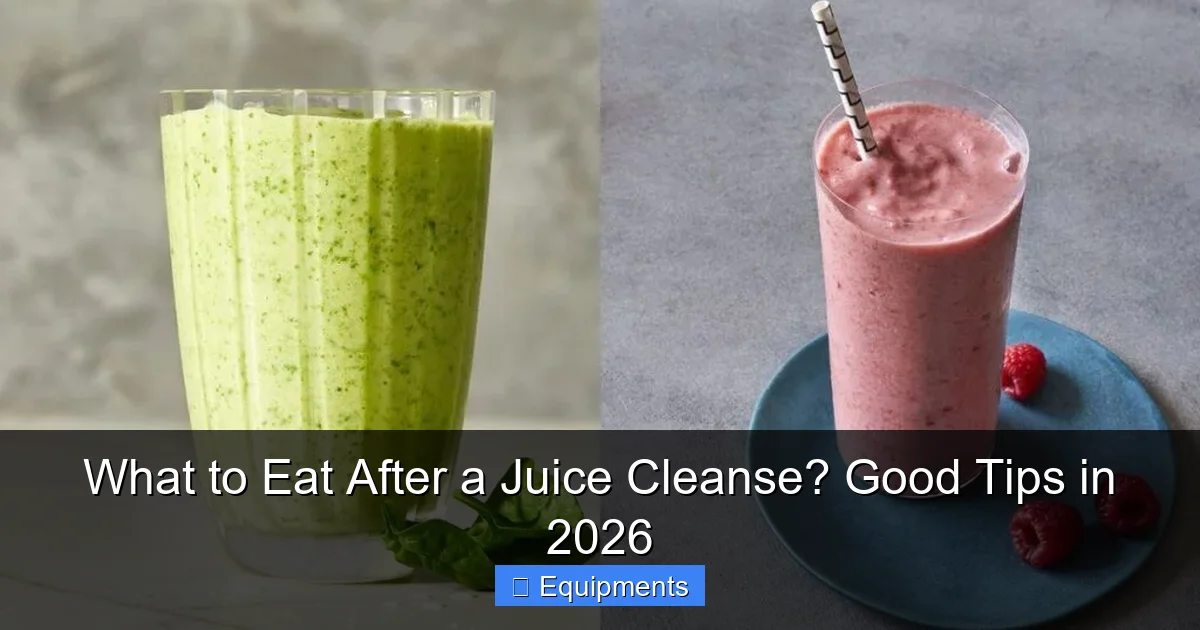
Your first meals back should be almost indistinguishable from the cleanse itself in terms of consistency. The focus is on hydration and minimal digestive effort.
Visual guide about What to Eat After a Juice Cleanse? Good Tips in 2026
Image source: juicerdiary.com
What to Eat & Drink
Stick to warm, soothing liquids and very thin purees. Think of these as your “bridge” foods.
- Diluted Fresh Vegetable Broth: homemade, low-sodium, and warm. It provides electrolytes and a savory comfort without fiber. Sip it slowly.
- Pureed Vegetable Soups: Blended soups made from steamed or boiled carrots, zucchini, squash, or spinach. Use your high-speed blender (a 2026 staple for any wellness kitchen) to achieve a perfectly smooth, velvety texture. No chunks!
- Coconut Water: Natural, unsweetened coconut water is excellent for replenishing electrolytes and potassium lost during the cleanse.
- Herbal Teas: Ginger, peppermint, or chamomile teas. They are hydrating, soothing, and can aid digestion. Drink them warm, not hot.
- Aloe Vera Juice (food-grade): A small amount (2-4 oz) can soothe the intestinal lining. Ensure it’s de-colorized and purified for internal use.
Equipment Spotlight: The Immersion Blender
For this phase, an immersion blender is your secret weapon. Unlike a countertop blender, it allows you to puree soups directly in the pot, making cleanup effortless and encouraging you to make small, fresh batches. In 2026, models with variable speed controls and stainless steel shafts are standard, ensuring a perfectly smooth consistency every time.
Phase 2: Days 3-5 – Introducing Soft Solids & Gentle Fiber
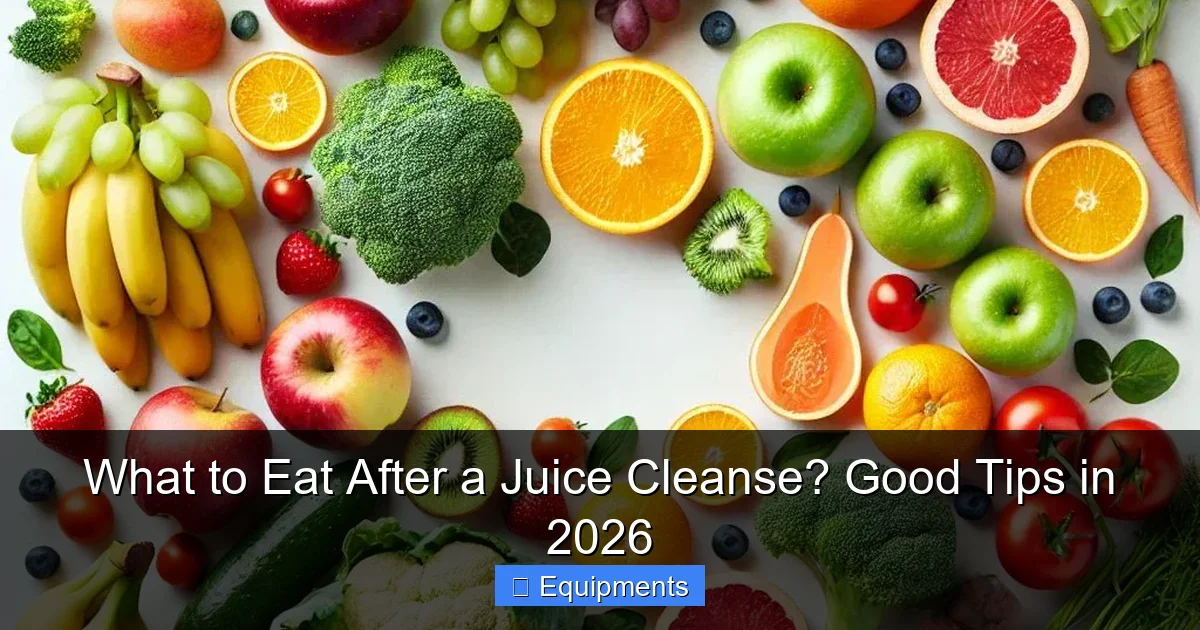
Now, you can begin to introduce some texture. The key is cooked, soft, and peeled vegetables. Fiber is crucial, but it must be introduced gently to avoid overwhelming your now-sensitive gut.
Visual guide about What to Eat After a Juice Cleanse? Good Tips in 2026
Image source: juiceinstitute.com.au
The Best “First Solid” Foods
- Steamed & Peeled Vegetables: Think zucchini, yellow squash, peeled carrots, and spinach. Steaming makes them incredibly soft and breaks down some of the fibrous structures. Peel them to remove the toughest part of the fiber (the skin) for now.
- Ripe Avocado: The ultimate post-cleanse food. It’s packed with healthy fats, fiber, and potassium, and its creamy texture is incredibly easy to digest. Start with ¼ to ½ an avocado.
- Bananas: Especially ripe ones with brown spots. They are rich in prebiotics (food for good gut bacteria) and potassium, and their pectin fiber helps normalize digestion.
- Steamed Apple Sauce: Plain, unsweetened. Apples contain pectin and are soothing. Steaming them makes them even easier to handle than raw.
- Sprouted Seeds: A tablespoon of soaked and sprouted flax or chia seeds. Soaking and sprouting activates enzymes that “pre-digest” the seeds, making their nutrients and fiber far more bioavailable and gentle. Start very small.
- Mung Bean Sprouts: These are exceptionally easy to digest and provide a boost of plant-based protein and enzymes.
Sample Day 3 Meal Plan
- Breakfast: A small bowl of pureed banana and avocado with a sprinkle of soaked chia seeds.
- Lunch: A large bowl of warm, blended carrot-ginger soup.
- Snack: A few spoonfuls of plain, unsweetened coconut yogurt (introducing probiotics).
- Dinner: Steamed zucchini and spinach, mashed with a little avocado oil or the avocado itself.
Equipment Spotlight: The Modern Food Steamer
2026 has seen the rise of smart, multi-tiered bamboo and stainless steel steamers. Steaming is the perfect cooking method for this phase—it retains maximum nutrients without creating harmful acrylamides (found in some fried/roasted foods) and produces the soft texture you need. Digital models with timers and automatic shut-off take the guesswork out of perfectly cooked vegetables.
Phase 3: Days 6-7 – Building Simple, Balanced Meals
By now, your system should be handling soft fibers well. It’s time to build complete, balanced meals that include a clean protein, a healthy fat, and a complex carbohydrate from a vegetable source.

Visual guide about What to Eat After a Juice Cleanse? Good Tips in 2026
Image source: irp-cdn.multiscreensite.com
The New Plate Composition
Aim for this simple ratio on your plate:
- 50% Non-Starchy Vegetables: Now you can include lightly steamed or raw (if tolerated) greens like kale, broccoli, and bell peppers. Prepare them by massaging kale with a little lemon juice to break down fibers.
- 25% Clean Protein: Introduce gentle proteins like steamed white fish (cod, tilapia), organic poached chicken breast, or a small portion of lentils (well-cooked and skinless). For plant-based, try tofu (non-GMO) or a small serving of hummus made from peeled, soaked chickpeas.
- 25% Healthy Fats & Complex Carbs: This comes from your vegetables (sweet potato, beet), a drizzle of olive oil or avocado, or a few soaked nuts/seeds.
Sample Day 6 Meal Plan
- Breakfast: A smoothie made with coconut milk, a handful of spinach, ½ banana, and a scoop of plant-based protein powder (pea or hemp).
- Lunch: A large salad with massaged kale, steamed broccoli, 3 oz of poached chicken, and ¼ avocado, dressed with lemon juice and olive oil.
- Dinner: Baked cod with a side of steamed asparagus and a small baked sweet potato.
Why This Balance Works
This combination prevents blood sugar spikes (from carbs alone), provides sustained energy (from fats and protein), and delivers a broad spectrum of vitamins and minerals. The protein and fat also signal satiety hormones, helping you avoid overeating now that your stomach capacity may be smaller from the cleanse.
Foods to Strictly Avoid for the First 2 Weeks
Certain foods are like kryptonite to your post-cleanse system. Keep them out of your diet for at least 14 days to protect your progress.
The “Do Not Consume” List
- Processed & Packaged Foods: Chips, crackers, frozen meals. They are high in sodium, unhealthy fats, and additives that will cause immediate inflammation and water retention.
- Refined Sugars & Artificial Sweeteners: Candy, soda, pastries, and “diet” foods. Sugar will cause a dramatic blood sugar crash and feed harmful gut bacteria. Artificial sweeteners disrupt the microbiome.
- Heavy, Saturated Fats: Fried foods, fatty cuts of red meat, full-fat dairy. These are extremely difficult to digest and can cause severe discomfort and sluggishness.
- Dairy (for most people): Even if you tolerate it normally, dairy can be a common irritant post-cleanse. Reintroduce it last, after week 2, and start with fermented, low-lactose options like kefir or yogurt.
- Gluten & Highly Processed Grains: Hold off on bread, pasta, and cereals for at least 10 days. When you do reintroduce grains, start with easily digestible, gluten-free options like quinoa or oats.
- Alcohol & Caffeine: Both are major toxins and dehydrators. Your liver is in a sensitive state. Give it a full two weeks to recover before considering these.
The 2026 Trend: “Functional Foods” Over “Fortified Foods”
Instead of reaching for processed foods with added vitamins, focus on whole “functional foods” that naturally provide benefits. For example, choose turmeric and ginger for their anti-inflammatory properties, or blueberries for antioxidants. This aligns with the 2026 consumer shift towards clean-label, nutrient-dense eating rather than synthetic supplementation.
Essential 2026 Equipment for a Flawless Post-Cleanse Kitchen
Having the right tools makes preparing these specific, gentle foods not just possible, but easy and even enjoyable. This is where the “Equipments” category truly shines. Invest in these items to set yourself up for success.
1. High-Speed Blender (The Powerhouse)
Beyond smoothies, your blender is for making Creamy Vegetable Soups, nut milks, and dressings. Look for models in 2026 with thermal control (can blend hot soups safely) and self-cleaning cycles. A variable speed control is essential for achieving that perfect, lump-free puree for Phase 1.
2. Food Processor with S-Blade
Ideal for making homemade hummus, energy balls with soaked dates and nuts, and finely chopping vegetables for salads without over-processing them. It’s faster than a knife and gives you more texture control than a blender.
3. Precision Kitchen Scale
During reintroduction, portion control is key. A digital scale helps you accurately measure servings of protein (3-4 oz), fats (1 tbsp), and carbs (½ cup cooked). This prevents accidental overeating, which can shock your digestive system. 2026 models sync with health apps for effortless tracking.
4. Steam Oven or Advanced Steamer
As mentioned, steaming is the hero cooking method. A countertop steam oven (like those from top brands) can steam multiple vegetables and proteins simultaneously, preserving nutrients and flavor without oil. Some even have “vegetable presets” for perfect doneness.
5. Glass Storage Containers with Vent Lids
Meal prep is your best friend. Having pre-portioned, gently cooked meals ready to grab prevents you from reaching for forbidden foods when hungry. Glass is non-toxic, and vented lids allow for easy steaming/reheating without sogginess.
6. Cold-Pressed Juicer (For a Maintenance Juice)
Once fully reintroduced (after 2 weeks), you might want to maintain a “clean eating” habit with a daily green juice. A masticating or cold-pressed juicer (the 2026 standard) yields more nutrients and less foam than centrifugal models. Use it to make one small, 8-oz vegetable-forward juice as a nutrient booster, not a meal replacement.
Mindful Eating: The Final, Non-Negotiable Ingredient
No piece of equipment can replace the practice of mindful eating. This is your most powerful tool.
How to Practice Post-Cleanse Mindfulness
- Chew Thoroughly: Aim for 30-40 chews per bite. Your juices were pre-digested; now your teeth and saliva must do the first work. This reduces digestive burden immensely.
- Eat Without Distraction: No phones, TV, or computers. Focus on the flavors, textures, and smells. This improves digestion and satiety signaling.
- Honor Hunger Cues: Eat when you feel true physical hunger, not emotional or habitual hunger. Your cleanse may have reset these cues—listen to them.
- Stop at 80% Full: This Japanese concept (“Hara Hachi Bu”) is perfect post-cleanse. Your stomach is smaller; eating past comfort will cause bloating.
Tracking Your Response
Keep a simple food and symptom journal for the first two weeks. Note what you ate and how you felt 30 minutes, 2 hours, and the next morning after. This is the best way to identify any personal sensitivities (e.g., “I feel bloated after lentils”) and tailor the plan perfectly to your unique body.
Conclusion: Your Cleanse Was the Reset; This is Your New Foundation
Completing a juice cleanse is a powerful act of self-care, a metaphorical “reboot” for your body. But the true transformation—the lasting change—happens in the days and weeks that follow, as you consciously choose foods that support your cleansed state rather than undermine it. The principles are simple: go slow, prioritize plants, hydrate relentlessly, and use food as your pharmacy. The 2026 tools and trends—from smart steamers to the focus on functional, whole foods—are here to make that process easier, more delicious, and more effective than ever before.
Remember, this post-cleanse period is not a punishment; it’s a privilege. It’s the opportunity to build a new, profound awareness of how food truly makes you feel. By treating your body with this level of respect and attention during the reintroduction phase, you turn a temporary cleanse into a permanent upgrade. You’re not just breaking a fast; you’re launching a new, more vibrant chapter of your health journey, one gentle, mindful bite at a time.
Frequently Asked Questions
How long should I wait before eating solid food after a juice cleanse?
You should wait at least 24-48 hours before introducing any solid food. Start with liquids and very thin purees (Phase 1). The full transition back to regular solid meals should take 5-7 days, listening to your body’s signals throughout.
What are the first signs I’m reintroducing food too quickly?
Watch for immediate bloating, gas, cramping, diarrhea, or sudden fatigue and brain fog. These are clear signals your digestive system is overwhelmed. If this happens, revert to the previous phase’s foods for another day before proceeding.
Can I eat fruit during the reintroduction phase?
Yes, but with caution. Start with low-fiber, low-acid fruits like ripe bananas and peeled apples (steamed or raw). Avoid high-fiber fruits like berries or acidic fruits like oranges and pineapple for the first week. Introduce them one at a time after day 5.
Is it okay to have coffee or tea on day one?
Avoid caffeine entirely for the first 72 hours. Your body is in a sensitive, detoxified state. Caffeine is a stimulant and a diuretic that can dehydrate you and irritate your digestive lining. Reintroduce organic coffee or black tea very slowly after day 4, if at all.
How important are fermented foods like sauerkraut or yogurt after a cleanse?
Extremely important. A juice cleanse can reduce microbial diversity in your gut. Introducing probiotic-rich fermented foods (like coconut yogurt, sauerkraut, or kimchi) around day 3 helps repopulate beneficial bacteria, improving digestion and immune function. Start with 1-2 teaspoons per day.
Do I really need all that kitchen equipment, or can I just use a pot and knife?
While you *can* manage with basics, the right equipment (like a good blender and steamer) dramatically increases your success rate. It makes preparing the required soft, smooth, and properly cooked foods effortless, removing barriers and frustration. This consistency is key to sticking with the plan and protecting your cleanse investment.