Cooking frozen chicken in an air fryer is a game-changer for quick, healthy meals. You can achieve perfectly cooked, juicy, and crispy results straight from the freezer without the hassle of thawing. The key is adjusting cook times, using proper temperature settings, and employing a few smart techniques like shaking the basket and using a meat thermometer. This method saves time, reduces mess, and locks in flavor better than traditional ovens.
Raise your hand if you’ve ever stared at a pack of frozen chicken breasts in the freezer, sighed, and ordered takeout instead. The classic dilemma: you want a healthy, home-cooked meal, but the thought of planning ahead to thaw chicken feels like an insurmountable chore. What if I told you that chore is completely obsolete? Welcome to the era of the air fryer—your new best friend for turning rock-solid frozen chicken into a succulent, crispy, restaurant-quality dish in under 30 minutes. In 2026, this isn’t just a trick; it’s a kitchen revolution backed by smarter appliance tech and perfected techniques. Forget the soggy, unevenly cooked results of the past. We’re diving deep into the science, the steps, and the pro-tips that will make you wonder why you ever thawed chicken at all.
The beauty of this method lies in its simplicity and efficiency. The air fryer’s powerful convection fan circulates super-heated air at high speed around the food. This rapidly heats the exterior, creating a golden, crispy skin while simultaneously cooking the interior. When you start with frozen chicken, the appliance works a bit harder to penetrate the ice core, but this actually helps by keeping the outer layers from overcooking while the center catches up. The result? Meat that is paradoxically both crispy on the outside and incredibly juicy inside—a texture combination that’s hard to achieve with other frozen-cooking methods. By 2026, air fryers have become even more precise, with models featuring dedicated “Frozen Protein” presets and humidity sensors that automatically adjust for moisture. But even with a basic model, mastering these principles will give you flawless results. Let’s get started.
Key Takeaways
- No Thawing Required: You can cook chicken safely and deliciously directly from frozen, saving significant time.
- Temperature is Critical: Always cook frozen chicken to a safe internal temperature of 165°F (74°C), verified with a meat thermometer.
- Adjust Cook Times: Frozen chicken needs 30-50% more cooking time than fresh, depending on the cut and size.
- Shake for Even Cooking: Open the air fryer halfway through to shake or flip pieces for uniform crispiness and doneness.
- Season After or Smartly: Basic seasoning before cooking works, but for deeper flavor, season after cooking or use wet rubs that adhere to frozen surfaces.
- Rest for Juiciness: Let cooked chicken rest for 5-10 minutes before slicing to allow juices to redistribute.
- Air Fryer Model Matters: Newer 2026 models with advanced presets and moisture control features yield even better results.
📑 Table of Contents
Why the Air Fryer is the Ultimate Tool for Frozen Chicken
Before we get to the “how,” let’s appreciate the “why.” The air fryer isn’t just a gimmicky countertop oven; it’s uniquely suited for the challenge of frozen poultry. Understanding its mechanics will help you troubleshoot and achieve perfection.
The Science of Convection and Frozen Food
Traditional ovens rely on radiant heat, which can be slow to penetrate frozen food, often leading to a dry exterior by the time the center thaws and cooks. An air fryer uses rapid convection. The heating element and powerful fan work together to create a whirlwind of hot air (typically 300°F to 400°F / 150°C to 200°C). This moving air heats the frozen surface almost instantly, creating a seal that helps lock in internal moisture. As the ice crystals melt, the hot air continues to cook the meat evenly from all sides. The perforated basket allows any released liquid (from the melting ice) to drip away and be vaporized by the heating element, preventing stewing and promoting crispiness. In 2026, many models include a “dehydrate” or “crisp” function that further enhances this effect for frozen items.
Time and Energy Efficiency
Think about the energy and time cost of preheating a large oven for 15-20 minutes, then baking frozen chicken for 45+ minutes. An air fryer preheats in 2-3 minutes and cooks faster due to its smaller chamber and efficient air circulation. You’re looking at total cook times of 15-25 minutes for most cuts. This uses a fraction of the electricity, keeping your kitchen cooler in the summer—a significant plus. For busy households in 2026, this means a real, whole-food meal can be on the table faster than a frozen pizza.
Health and Safety Advantages
Using an air fryer requires little to no added oil, making it a healthier alternative to pan-frying. More importantly from a food safety perspective, cooking from frozen eliminates the risk of bacterial growth that can occur during a prolonged, improper thaw in the refrigerator or on the counter. The rapid, all-around heat of the air fryer brings the chicken through the “danger zone” (40°F-140°F / 4°C-60°C) much quicker than a slow refrigerator thaw, providing a safer cooking process.
Essential Preparation: Before You Hit Start
Success starts before the chicken even goes in the basket. A little prep goes a long way in ensuring a great outcome.
Visual guide about How to Cook Frozen Chicken in Air Fryer? Good Tips in 2026
Image source: fryit.co
Choosing the Right Frozen Chicken
Not all frozen chicken is created equal. For the best air fryer results:
- Look for individually quick-frozen (IQF) pieces: These are separated and not clumped together in a solid block, ensuring even cooking.
- Avoid heavily breaded or battered varieties: While you can cook them, the coating often becomes soggy before the interior cooks. Save these for a conventional oven.
- Check for added solutions: Some frozen chicken is injected with a saltwater solution (broth). This can make it more prone to drying out. If possible, choose plain frozen chicken with just skin or no coating for the most control.
- Pat dry if possible: If there’s excess ice or frost, quickly pat the pieces with a paper towel. This helps seasoning adhere and promotes better browning.
Seasoning Strategies for Frozen Surfaces
Seasoning frozen chicken is tricky because the icy surface repels dry spices. You have a few effective options:
- The Pre-Cook Oil & Spice Rub: Lightly coat the frozen pieces with a high-smoke-point oil (avocado, canola) using an oil sprayer or brush. This creates a sticky surface. Immediately sprinkle on your dry spices (paprika, garlic powder, onion powder, salt, pepper). Some will stick, and the rest will adhere as the surface thaws and cooks.
- The Post-Cook Seasoning (Recommended for Depth): Cook the chicken plain or with just salt. Once it’s hot and crispy, toss it in a bowl with a sauce, glaze, or a more complex spice blend. The hot surface will absorb flavors beautifully. Think teriyaki glaze, buffalo sauce, or a sprinkle of everything bagel seasoning.
- Wet Rubs and Marinades: These adhere best. Apply a paste of oil and spices, or a thin layer of BBQ sauce or yogurt-based marinade directly to the frozen pieces before cooking.
Preheating: To Do or Not To Do?
This is a common debate. For frozen chicken, preheating is highly recommended. It gives the air fryer a blast of initial high heat that helps “sear” the exterior immediately, preventing that dreaded steamed, rubbery skin. Set your air fryer to 360°F (180°C) and let it run empty for 3-5 minutes. In 2026, many new models have a “Frozen” preset that automatically handles preheating and adjusts time. If yours does, use it! If not, a manual preheat is your friend.
Step-by-Step Cooking Guide by Chicken Cut
Different cuts have different densities and require tailored approaches. Here are the definitive 2026 guidelines for popular frozen chicken cuts. Always remember the golden rule: internal temperature of 165°F (74°C) is non-negotiable.
Visual guide about How to Cook Frozen Chicken in Air Fryer? Good Tips in 2026
Image source: savaskitchen.com
Frozen Chicken Breasts (Bone-In vs. Boneless)
Bone-in breasts are more forgiving and juicier but take longer. Boneless is quicker but can dry out if overcooked.
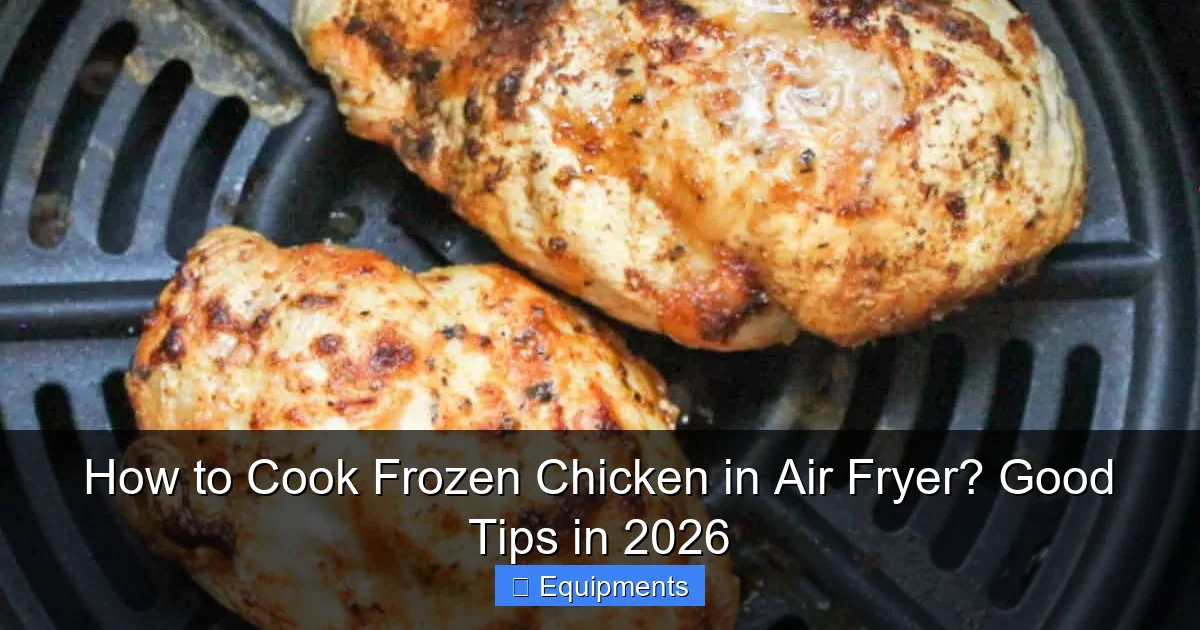
- Boneless, Skinless Breasts: Preheat air fryer to 380°F (190°C). Place frozen breasts in a single layer, not touching. Cook for 18-24 minutes, flipping or shaking the basket at the 10-minute mark. Check temperature at 18 minutes. They are done when juices run clear and thermometer reads 165°F. Let rest 5 minutes before slicing.
- Bone-In, Skin-On Breasts: Preheat to 360°F (180°C). The bone acts as an insulator, so start lower to cook the meat near the bone through without burning the skin. Cook for 25-32 minutes, flipping halfway. The skin should be golden and crisp. Rest 8-10 minutes.
Pro Tip 2026: For extra-crispy skin on bone-in breasts, pat the skin *very* dry after patting the rest of the bird, and rub with a tiny bit of baking powder (1/4 tsp per breast) mixed with salt. This draws out moisture during cooking.
Frozen Chicken Thighs & Drumsticks
These dark meat cuts are more forgiving and flavorful due to higher fat content. They are arguably the best cut for air frying from frozen.
- Boneless Thighs: Preheat to 380°F (190°C). Cook for 16-20 minutes, shaking basket at 10 minutes. They will stay juicy even if cooked a minute or two past 165°F.
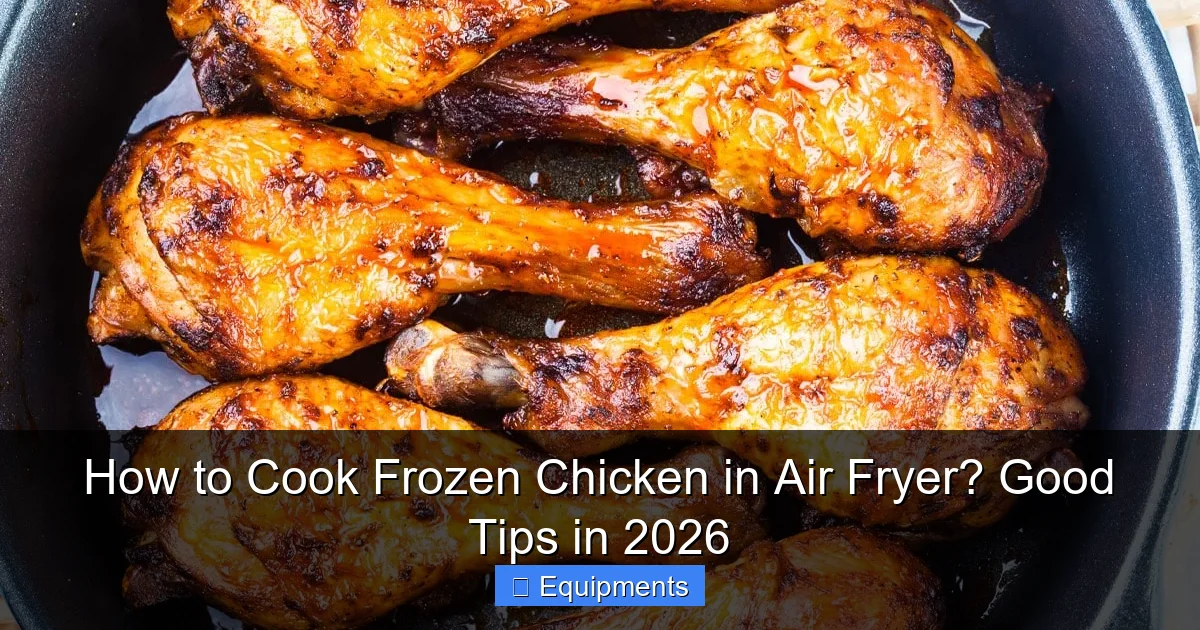
- Bone-In Thighs & Drumsticks: Preheat to 360°F (180°C). Arrange in a single layer. Cook for 22-28 minutes, flipping halfway. The meat should pull away from the bone slightly when done. Rest for 5 minutes.
Pro Tip 2026: Place a piece of parchment paper with holes punched in it under the chicken to catch drips and make cleanup easier, without blocking air flow.
Frozen Chicken Wings
Wings have a high skin-to-meat ratio, making them perfect for air frying. The goal is shatteringly crisp skin.
- Separate Wings: If your frozen wings are whole, separate them into drumettes and flats before cooking for even results.
- Method: Preheat to 400°F (200°C). Pat wings extremely dry. Toss with a little oil and salt. Arrange in a single layer with space between them. Cook for 25-30 minutes, shaking the basket vigorously every 8-10 minutes. They are done when deeply golden, crispy, and internal temp hits 165°F.
Pro Tip 2026: For ultimate crisp, after the first 15 minutes, increase the temperature to 425°F (220°C) for the final 5-8 minutes. Watch closely to prevent burning.
Frozen Chicken Tenders & Nuggets
These are usually pre-breaded. The key is getting the coating crispy without drying the small interior.
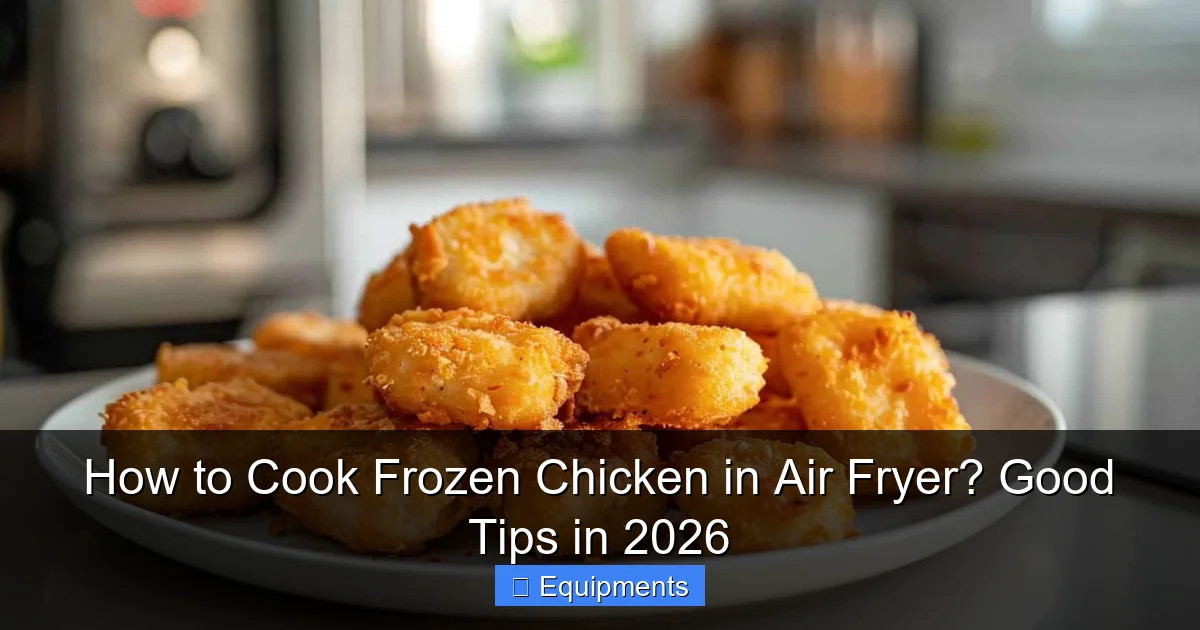
- Method: Do not preheat. Place frozen tenders in a single layer in a cold air fryer basket. Set to 400°F (200°C) and cook for 10-12 minutes. Shake basket halfway. The cold start helps the coating set before the inside cooks too fast.
- Check: Cut one open to ensure the interior is white and reaches 165°F.
Advanced Techniques and 2026 Pro Tips
Now that you have the basics down, let’s elevate your game with strategies used by home chefs and influencers in 2026.
Visual guide about How to Cook Frozen Chicken in Air Fryer? Good Tips in 2026
Image source: easypeasyrecipe.com
The “Double-Cook” Method for Maximum Crisp
For particularly thick cuts or if you adore extra-crunchy skin, use this technique:
- Cook the frozen chicken as directed until it reaches 165°F internally (it will not be very crispy yet).
- Remove from the air fryer and let rest for 5 minutes.
- Lightly spray or brush the surface with oil.
- Return to the air fryer (no need to reheat) at 400°F (200°C) for 3-5 minutes until the skin is your desired crispness.
This separates the “cooking through” phase from the “crisping” phase for perfect results every time.
Using Accessories for Better Results
Modern air fryer accessories in 2026 are designed to solve common problems:
- Racks: Use a rack to elevate pieces, allowing hot air to circulate underneath for all-around crispiness, especially useful for thighs or drumsticks.
- Skewers: Thread small pieces (like tenders or cubed breast) onto skewers for easy flipping and even cooking.
- Parchment Liners with Holes: These prevent small pieces from falling through the grate and make cleanup a breeze. Ensure they don’t block air vents.
Batch Cooking and Meal Prep
Your air fryer is a meal prep powerhouse. Cook a large batch of frozen chicken breasts or thighs on the weekend. Let them cool, then store in meal prep containers. They reheat beautifully in the air fryer at 350°F (175°C) for 3-5 minutes, staying moist. Use them in salads, wraps, soups, and grain bowls all week.
Leveraging Smart Air Fryer Features (2026 Edition)
If you’re shopping for a new air fryer in 2026, look for these features that specifically enhance frozen food cooking:
- Dedicated “Frozen Chicken” or “From Frozen” Preset: These programs automatically set the optimal time and temperature for common cuts.
- Smart Probe/Internal Thermometer: Some high-end models include a wireless probe that monitors the internal temperature and alerts you or adjusts cooking time when the target is reached. This is the ultimate set-and-forget tool for perfect safety and juiciness.
- Humidity Control/Venting: Advanced models can actively manage steam release, ensuring a crisper exterior by preventing excess moisture buildup.
- App Integration with Frozen Food Database: Scan the barcode of your frozen chicken package, and the companion app can send the perfect cooking program directly to your air fryer.
Common Mistakes and How to Avoid Them
Even with the best intentions, a few pitfalls can lead to disappointing results. Here’s how to sidestep them.
Overcrowding the Basket
This is the #1 mistake. Air needs to flow freely around every piece. If you pack the basket, you’ll get steamed, soggy chicken. Cook in batches if necessary. It’s better to have two perfect batches than one poorly cooked one.
Skipping the Shake or Flip
Because the air flow isn’t perfectly uniform, pieces on the bottom or edges can cook faster. Shaking the basket or flipping pieces halfway through is non-negotiable for even browning and cooking.
Not Using a Meat Thermometer
Guessing by time and color is unreliable, especially with frozen chicken. The size and ice content of each piece varies. A good instant-read thermometer is the only way to guarantee safety and perfect doneness. Invest in one; it’s the most important tool for this job.
Underestimating Rest Time
Cutting into chicken immediately releases all the precious juices onto your cutting board. Letting it rest for 5-10 minutes after cooking allows the muscle fibers to relax and reabsorb the juices, resulting in a much more tender bite.
Using Too Much Sauce Too Early
Sugary sauces (BBQ, honey mustard) will burn in the high, dry heat of the air fryer if applied at the start. Always apply them in the last 3-5 minutes of cooking, or toss with the cooked chicken afterward.
Conclusion: Your Path to Perfect Frozen Chicken
Cooking frozen chicken in an air fryer isn’t a compromise; it’s a superior method for speed, texture, and flavor. By understanding the why—the powerful convection, the importance of temperature—and mastering the how—proper prep, cut-specific timing, and essential techniques like shaking and resting—you transform a convenience food into a gourmet-quality meal. The tips and adjustments for 2026, from leveraging smart presets to employing the double-cook method, ensure you’re always getting the best possible outcome from your appliance. So, the next time your meal plan goes awry or you need dinner in 15 minutes, don’t reach for the phone. Reach into your freezer. You have the knowledge now to turn that frozen block of potential into a crispy, juicy, and utterly satisfying main event. Your future self, enjoying a delicious meal without the wait, will thank you.
Frequently Asked Questions
Can you cook frozen chicken directly in the air fryer without thawing?
Yes, absolutely. This is one of the air fryer’s greatest strengths. You can cook chicken breasts, thighs, wings, and tenders straight from frozen. Just be sure to increase the cooking time by about 30-50% compared to fresh chicken and always verify the internal temperature reaches 165°F (74°C) with a meat thermometer.
What temperature should I use for frozen chicken in the air fryer?
For most cuts, a temperature between 360°F and 400°F (180°C-200°C) is ideal. Start with 380°F (190°C) for boneless cuts like breasts and tenders to get a good sear. Use 360°F (180°C) for bone-in pieces like thighs and drumsticks to ensure the meat near the bone cooks through without burning the skin. Always preheat for best results.
How do I prevent frozen chicken from drying out in the air fryer?
Prevent dryness by not overcooking. Use a meat thermometer and pull the chicken out as soon as it hits 165°F (74°C). Let it rest for 5-10 minutes before cutting. For boneless, skinless breasts, consider brining them in a saltwater solution for 30 minutes before freezing (or buying pre-brined), or cooking at a slightly lower temperature (370°F) for a longer time. Applying a light coat of oil before cooking also helps retain moisture.
Should I season frozen chicken before or after cooking?
Both work, but for deeper, more even flavor, seasoning after cooking is often better. If you season before, use a wet rub, oil-based spice paste, or lightly coat with oil first to help dry spices stick to the icy surface. For simple salt and pepper, applying it before is fine. For complex sauces or glazes, toss the cooked chicken in them while it’s hot.
How do I know when frozen chicken is done cooking in the air fryer?
The only reliable way is to use an instant-read meat thermometer. Insert it into the thickest part of the meat, avoiding bone. The internal temperature must read 165°F (74°C). For bone-in pieces, check both the meaty part and the area near the bone. Visual cues like clear juices and no pink meat are helpful but not as foolproof as a thermometer.
Can I stack or layer frozen chicken pieces in the air fryer basket?
No, you should never stack or overcrowd the pieces. The air fryer relies on unobstructed hot air circulation to cook and crisp food. If pieces are touching or layered, they will steam instead of fry, resulting in soggy, unevenly cooked chicken. Cook in a single layer with space between pieces, in batches if necessary.
Pingback: How to Tell If Chicken Is Bad - kitchenandhouseware.com