Green tomatoes are a versatile kitchen treasure, not a garden problem. Whether you fry them to crispy perfection, pickle them for tangy snacks, or ripen them naturally on the counter, these unripe fruits offer endless culinary possibilities. With the right techniques and essential equipment, you can easily transform your harvest into delicious, satisfying meals all year round.
Hey there, fellow gardener and home cook! Have you ever looked out at your tomato plants as summer winds down and felt a pang of frustration? There they are, dozens of beautiful, firm green tomatoes, stubbornly refusing to turn that juicy red before the first frost hits. Your initial thought might be to pull them out and compost them. But hold on! Before you discard that potential bounty, let’s chat. Those green tomatoes are not a problem; they are a brilliant opportunity. In 2026, the movement to use every part of the harvest is stronger than ever, and green tomatoes are the star of the show for many clever cooks. They bring a delightful tartness and a wonderfully firm, meaty texture that red tomatoes just can’t match. This guide is your complete companion to unlocking the magic of green tomatoes. We’ll walk through everything from the simple science of why they stay green to the absolute best ways to cook, preserve, and enjoy them. Get ready to turn your end-of-season dilemma into your favorite culinary adventure.
Key Takeaways
- Green tomatoes are perfectly safe and nutritious to eat, offering a unique tart flavor and firm texture ideal for many cooking methods.
- You can easily ripen green tomatoes indoors using simple methods like a paper bag with a banana or apple, or by placing them on a sunny windowsill.
- Frying is the classic and most beloved preparation, but success depends on the right batter, proper oil temperature, and a good heavy skillet.
- Preserving through pickling or canning allows you to enjoy your green tomato harvest long after the season ends, with endless flavor variations.
- Green tomatoes shine in global cuisines, from Mediterranean baked dishes to Indian stir-fries, proving their incredible versatility beyond the Southern fry.
- Investing in a few key pieces of equipment, like a sharp chef’s knife, a heavy-bottomed pan, and a reliable canning setup, dramatically improves your green tomato results.
- Store unripe green tomatoes properly in a cool, dry place and use them within a few weeks for the best texture and flavor development.
📑 Table of Contents
- The Nature of Green Tomatoes: More Than Just Unripe Fruit
- Ripening Strategies: From Green to Red on Your Counter
- The Art of Frying: Achieving Crispy, Golden Perfection
- Preserving the Harvest: Pickling and Canning for Year-Round Enjoyment
- Beyond Frying: Baking, Roasting, and Grilling Green Tomatoes
- Global Inspirations: Green Tomatoes Around the World
- Essential Equipment for Green Tomato Success in 2026
The Nature of Green Tomatoes: More Than Just Unripe Fruit
First, let’s clear the air. Is a green tomato just a red tomato that didn’t get enough sun? Not exactly. While it’s true that many tomato varieties will eventually ripen to red, yellow, or purple, the green stage is a distinct phase with its own chemical makeup and culinary personality. A green tomato has not yet developed the high levels of sugars and the soft, juicy texture of its ripe counterpart. Instead, it’s firmer, more tart, and contains different compounds that make it ideal for certain cooking methods.
Why Do Some Tomatoes Stay Green?
There are a few reasons your tomatoes might be staying green when fall arrives. The most common is simply the season. As temperatures drop, especially with cool nights, the ripening process slows dramatically. Tomatoes need consistent warmth (above 55°F/13°C at night) to convert chlorophyll to lycopene, the pigment that makes them red. Another possibility is the variety. Some heirloom and certain modern varieties are “green-when-ripe,” meaning they are meant to be eaten at the green stage and will have a sweeter, less acidic flavor than a standard green tomato. But for the classic tart green tomato, you’re likely dealing with a standard variety like Better Boy or Celebrity that just ran out of growing time. Knowing this helps you choose your method: if you have a true green-when-ripe variety, you might enjoy it sliced raw with a sprinkle of salt. For the tart, firm types, cooking is the way to go.
The Nutritional Profile: A Hidden Gem
Don’t let the color fool you; green tomatoes pack a nutritional punch. They are an excellent source of vitamins A and C, which support immune function and skin health. They also contain a good amount of dietary fiber and minerals like potassium and magnesium. Interestingly, they contain a compound called tomatine, which is found in higher concentrations in unripe fruit. While tomatine can be mildly toxic in very large quantities (think eating bushels of raw green tomatoes), it is completely neutralized by cooking. In fact, some research suggests tomatine may have health benefits. So, cooking your green tomatoes not only makes them delicious but also ensures they are perfectly safe to enjoy in generous portions.
Ripening Strategies: From Green to Red on Your Counter
Before we dive into cooking, let’s address the elephant in the room: what if you *want* a ripe red tomato? You don’t have to cook every single green one. Ripening them indoors is a simple, low-effort process that can yield sweet, juicy results for salads and sandwiches. This is a great first step to manage your harvest.
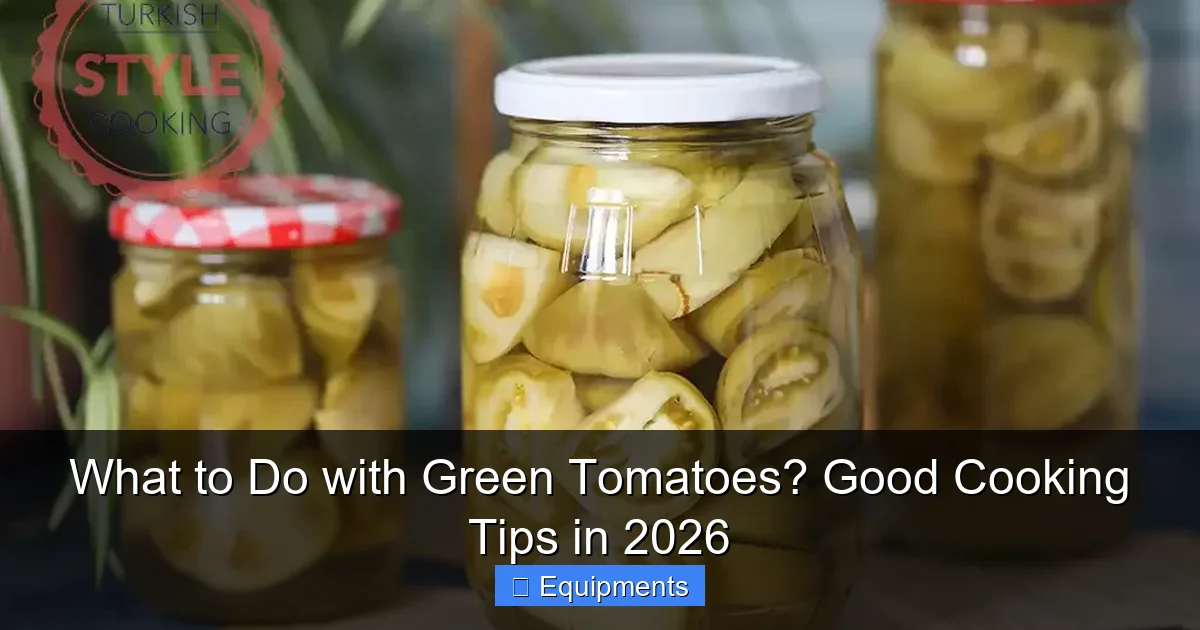
Visual guide about What to Do with Green Tomatoes? Good Cooking Tips in 2026
Image source: turkishstylecooking.com
The Paper Bag Method (With a Secret Weapon)
This is the gold standard. Place your firm green tomatoes in a single layer in a brown paper bag. The bag traps ethylene gas, a natural plant hormone that promotes ripening. Here’s the 2026 pro tip: add a ripe banana or a ripe apple to the bag. These fruits emit a large burst of ethylene, dramatically speeding up the process. Fold the top of the bag loosely and store it in a warm, dark spot, like on top of the refrigerator or in a pantry. Check daily. In 3-7 days, you’ll start to see color changes and a slight give when gently pressed. Once they have a little color and soften slightly, move them to the counter to finish ripening fully. Never use a plastic bag; it traps moisture and can cause mold.
The Windowsill Approach
For a slower, more natural approach, simply place your green tomatoes stem-side up on a sunny windowsill. The warmth and light will encourage ripening. This method works best for tomatoes that are already showing a hint of color (blush) and in a warm room. It takes longer—often 1-2 weeks—and you must rotate them occasionally for even ripening. The benefit is a very even, flavorful result. If your tomatoes are very dark green and hard, the paper bag method is more effective.
When to Harvest for Ripening
For the best chance at successful indoor ripening, harvest your tomatoes before a hard frost. Pick them when they are mature green, meaning they have reached full size and the blossom end has started to soften very slightly. They should feel heavy for their size. Avoid any with soft spots, cracks, or bruises, as these will rot instead of ripen. Gently twist or cut them from the vine, leaving a small piece of stem attached.
The Art of Frying: Achieving Crispy, Golden Perfection
Let’s be honest, this is why most of you are here. The iconic Southern fried green tomato is a dish of legend. The contrast between the shatteringly crisp, golden crust and the tangy, soft interior is pure magic. Achieving it at home is absolutely doable, but it relies on a few key principles that separate good from unforgettable.
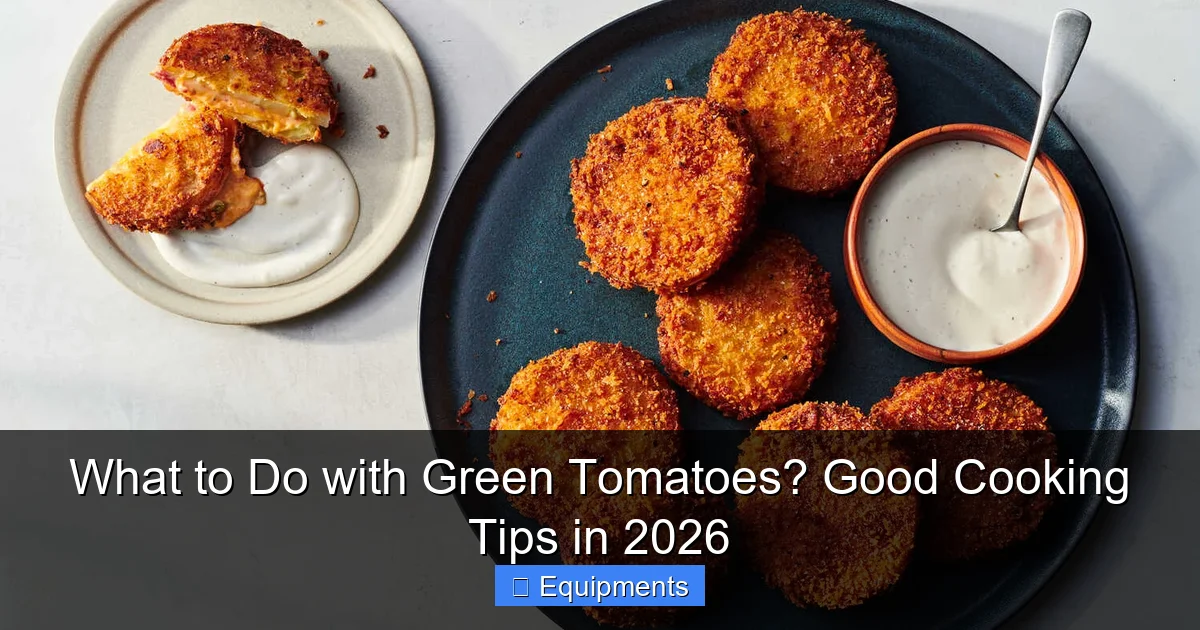
Visual guide about What to Do with Green Tomatoes? Good Cooking Tips in 2026
Image source: static01.nyt.com
Choosing Your Tomato and Prep
Select firm, medium-sized green tomatoes. They should not be rock-hard, but should give very slightly to gentle pressure. Slice them into uniform ½-inch thick rounds. Consistency is key for even cooking. Pat the slices completely dry with a paper towel. Any surface moisture will make your coating soggy and cause dangerous splatters in the hot oil. This dry step is non-negotiable for a crisp finish.
The Perfect Coating System
We’re using a two-step coating: flour, then egg wash, then breading. This creates a sturdy, shaggy crust that adheres well.
- Step 1 – Dry Rub: In a shallow dish, season all-purpose flour generously with salt and black pepper. Dredge each tomato slice in the flour, shaking off excess. This initial layer absorbs moisture and gives the egg wash something to grip.
- Step 2 – Egg Wash: In a second shallow dish, whisk 2-3 large eggs with a tablespoon of water or buttermilk. The water thins it; buttermilk adds a subtle tang and tenderness.
- Step 3 – The Breading: This is where you get creative. The classic is plain, fine cornmeal (not coarse polenta). For extra crunch, use a mix of half cornmeal and half panko breadcrumbs. For a Southern twist, add a pinch of cayenne and garlic powder to your breading mix. Press each floured, egg-washed slice firmly into the breading, ensuring an even coat on both sides. Let them rest on a wire rack for 5 minutes before frying; this helps the coating set.
Oil Temperature and Frying Technique
This is the most critical step. You need a heavy-bottomed skillet or a dedicated deep fryer. A cast-iron skillet is ideal for its excellent heat retention. Pour oil to a depth of about ½-inch. Use oils with a high smoke point: peanut, canola, or vegetable oil are traditional and reliable. Heat the oil to 350°F (175°C). Use a deep-fry or candy thermometer for accuracy. No thermometer? Drop a single breadcrumb into the oil; it should sizzle vigorously and turn golden in about 15 seconds. Fry the tomatoes in a single layer without crowding the pan, for 2-3 minutes per side, until deeply golden brown. Overcrowding drops the oil temperature, leading to greasy, soggy results. As they finish, transfer them to a wire rack set over a baking sheet (not paper towels) to drain. This keeps the bottom crust crisp. Season immediately with flaky sea salt. Serve hot, with a side of buttermilk or remoulade sauce for dipping.
Preserving the Harvest: Pickling and Canning for Year-Round Enjoyment
What if you have more green tomatoes than you can fry? Preserving is the answer. Pickling transforms their tartness into a complex, tangy, sweet, and spicy condiment that’s fantastic on burgers, in salads, or as a snack straight from the jar. Canning ensures you have a taste of summer all winter long.
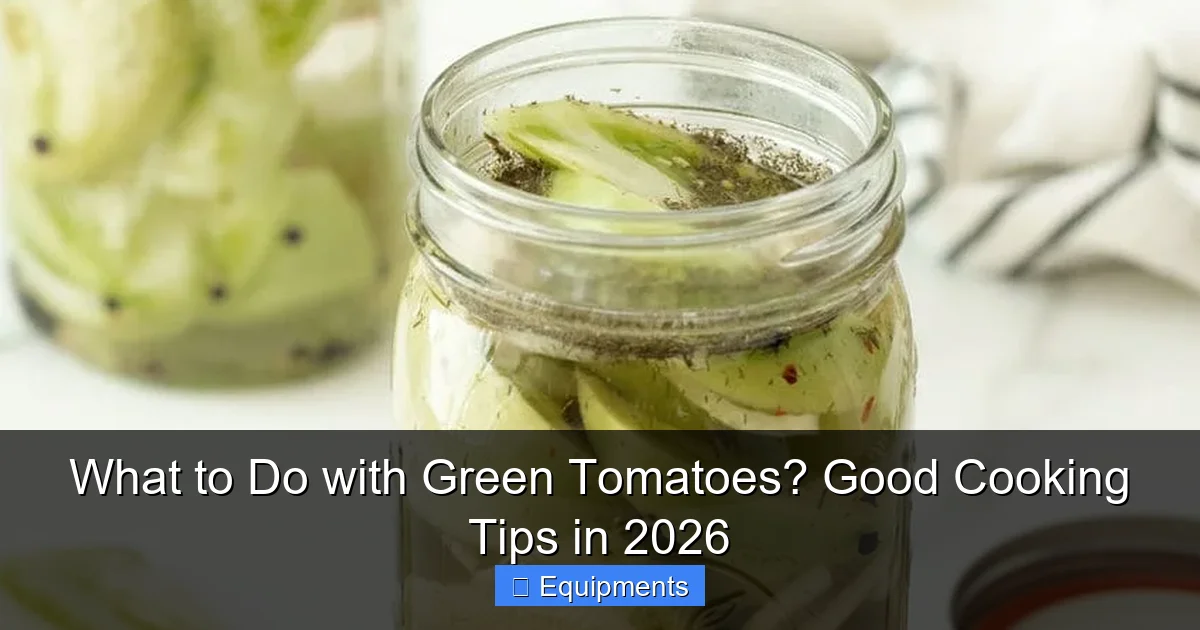
Visual guide about What to Do with Green Tomatoes? Good Cooking Tips in 2026
Image source: foodieandwine.com
Quick-Pickled Green Tomatoes: The Easy Win
This is the fastest way to preserve. You don’t need a canner; a clean mason jar and fridge space are enough. Create a brine by combining 1 cup white vinegar (5% acidity), ½ cup water, 2 tablespoons sugar, and 1 tablespoon kosher salt in a small saucepan. Add flavorings: a clove of garlic, a few peppercorns, a sliced onion, a bay leaf, and a pinch of red pepper flakes. Bring to a simmer, stirring to dissolve salt and sugar. Pack clean, sliced or quartered green tomatoes into a hot, sterilized jar. Pour the hot brine over them, leaving ½-inch headspace. Tap the jar to release air bubbles, seal, and refrigerate. They’re ready to eat in 24 hours and keep for 3 months in the fridge.
Safe Water Bath Canning for Shelf-Stable Pickles
For a shelf-stable product that doesn’t require fridge space, you must use a water bath canner. The process is the same as above for the brine and packing, but you must use a tested, reliable recipe from a source like the National Center for Home Food Preservation to ensure the correct acidity for safety. Process the filled jars in a rolling boil for the time specified (usually 10-15 minutes for pint jars). Properly sealed jars will “pop” as they cool and can be stored in a cool, dark pantry for up to a year. Always inspect seals and contents before eating; discard any jars that are unsealed, leaking, or have cloudy brine.
Creative Brine Ideas for 2026
Move beyond the standard dill. Try a sweet and spicy brine with brown sugar, cinnamon sticks, and whole cloves. Or a Mediterranean brine with olive oil, lemon slices, oregano, and Kalamata olives. You can also add other vegetables to the jar: okra, onions, and jalapeños make a fantastic “pickled garden” mix. The firm texture of green tomatoes holds up beautifully to long-term brining.
Beyond Frying: Baking, Roasting, and Grilling Green Tomatoes
Frying is king, but the kingdom of green tomato cookery is vast. Their firmness makes them exceptional candidates for dry-heat cooking methods where you want them to hold their shape.
Green Tomato Tarts and Galettes
Think of a green tomato like a firm apple in a dessert. Slice them thinly and toss with a little sugar, cinnamon, and a squeeze of lemon. Layer them into a pre-baked tart shell with a thin layer of almond cream or sweetened cream cheese. Bake until the slices are tender and the edges are caramelized. The result is a stunning, surprisingly sweet-tart dessert that will have your guests guessing. A rustic galette is even easier—fold a sheet of puff pastry or pie dough around the sliced, seasoned tomatoes and bake.
Roasted Ratatouille or Stews
Dice green tomatoes and roast them alongside eggplant, zucchini, and bell peppers for a rustic, chunky ratatouille. The green tomatoes will soften but not disintegrate, adding a pleasant bite. They are also fantastic in hearty stews and chilis, added in the last 20 minutes of cooking. Their tartness brightens rich, meaty flavors and helps balance the dish.
Grilled Skewers with a Kick
Cube green tomatoes and alternate them on skewers with chunks of onion, bell pepper, and even halloumi or tofu. Brush with an oil-based marinade of olive oil, lemon juice, oregano, and smoked paprika. Grill over medium-high heat, turning occasionally, until lightly charred and tender. The grilling adds a wonderful smoky dimension that complements their natural tang perfectly.
Global Inspirations: Green Tomatoes Around the World
The love for green tomatoes isn’t just an American South phenomenon. Many cultures have their own traditional ways of using them, offering a world of inspiration.
Mediterranean Stuffed Green Tomatoes
In Greece and Turkey, you’ll find gemista or dolma-style stuffed vegetables. Use large, firm green tomatoes. Cut a thin slice off the top and scoop out some of the flesh to create a cavity. Mix the scooped-out tomato pulp with cooked rice, herbs (dill, mint, parsley), onion, and maybe some minced meat. Pack the mixture into the tomato shells, top with a slice of tomato or a drizzle of olive oil, and bake until tender. It’s a stunning, complete vegetarian main course.
Indian Green Tomato Thoran
This is a quick, flavorful stir-fry from Kerala. Finely chop green tomatoes and sauté them with mustard seeds, curry leaves, sliced onions, grated coconut, and turmeric. It’s a dry, spiced vegetable dish (thoran) that’s perfect with rice and dal. The tart tomato cuts through the richness of the coconut and spices beautifully.
Mexican Salsa Verde with Green Tomatoes
While traditional salsa verde often uses tomatillos, green tomatoes make a fantastic, more accessible substitute. Roast or boil green tomatoes, onions, and jalapeños until softened. Blend with cilantro, lime juice, and salt for a vibrant, tangy salsa. It’s excellent on tacos, with grilled chicken, or as a dip with chips. The firm texture of the green tomato gives the salsa a lovely body.
Essential Equipment for Green Tomato Success in 2026
Having the right tools can make the difference between a frustrating mess and a joyful cooking session. Since we’re focusing on the “Equipments” category, let’s dive deep into what you really need to build a fantastic green tomato toolkit.
Knives and Cutting Boards
Start with a sharp, comfortable chef’s knife. A dull knife will crush the tomato’s flesh instead of slicing it cleanly, leading to uneven cooking and a messy work area. An 8-inch knife is a great all-purpose size. Pair it with a sturdy, stable cutting board. Wood or heavy plastic are best. Have a separate board for produce if you also handle raw meat. A good knife and board are the foundation of all your prep work, from slicing for frying to dicing for salsas.
Pans for Frying and Sautéing
For frying, a heavy-bottomed cast-iron skillet or a deep, heavy stainless steel skillet is non-negotiable. The heavy bottom distributes heat evenly, preventing hot spots that burn the coating before the tomato cooks through. It also retains heat well when you add the cold tomato slices, keeping the oil temperature stable. Aim for a 10 or 12-inch size. For sautéing for salsas or stews, a good sauté pan with straight sides works well.
Thermometers: The Secret Weapon
Two thermometers will upgrade your game immensely. A deep-fry or candy thermometer is essential for perfect frying. Clip it to the side of your pan to monitor the oil temperature constantly. A digital instant-read thermometer is invaluable for checking the internal temperature of fried tomatoes if you’re breading them with a thicker coating (though they are best eaten immediately) and for ensuring your pickling brine reaches a proper simmer.
Canning and Preservation Gear
If you’re preserving, invest in a standard water bath canner (a large, deep pot with a rack) or a pressure canner if you plan to can low-acid foods (note: pickled tomatoes are high-acid and safe for water bath). You’ll need mason jars with new lids and bands (always use new lids for safety), a jar lifter, a funnel, and a headspace tool. A dehydrator is another fantastic piece of equipment for green tomatoes. You can make crispy green tomato chips or leather. Slice them thin, toss with a little salt and oil, and dehydrate until crisp.
Maintenance: The 2026 Mindset
The best equipment is well-maintained. Season your cast-iron skillet after every use. Keep your knives sharp with a honing steel and periodic sharpening. Clean your canning equipment thoroughly and check for rust or damage. Taking care of your tools ensures they will serve you well for years of green tomato cooking.
So, there you have it. Your garden’s green tomatoes are not a burden; they are an invitation to get creative in the kitchen. From the satisfying sizzle of a perfect fry to the complex tang of a homemade pickle, the possibilities are truly endless. The key is to start simple. Maybe try frying a few slices for dinner tonight. If you’re overwhelmed, make a batch of quick-pickles—they require almost no effort and transform over a few days. As you gain confidence, experiment with a global recipe or a baked tart. Remember, every great cook started with a single, perfectly crispy green tomato slice. Now go forth, equip yourself with the right tools, and turn that end-of-season green into your most delicious secret ingredient. Happy cooking!
Frequently Asked Questions
Are green tomatoes safe to eat?
Yes, fully green, unripe tomatoes from standard varieties are perfectly safe to eat when cooked. Cooking neutralizes a compound called tomatine. However, avoid eating very large quantities of raw green tomatoes, as the tomatine can cause mild stomach upset in some people. Always cook them for best flavor and safety.
How long does it take to ripen green tomatoes indoors?
It depends on the method and the tomato’s maturity. Using the paper bag method with a banana or apple, it typically takes 3 to 7 days. On a sunny windowsill, it can take 1 to 2 weeks. Check daily for color changes and slight softening. Tomatoes that already have a blush of color will ripen faster than very dark green, hard ones.
What’s the best oil for frying green tomatoes?
The best oils have a high smoke point to handle the 350°F frying temperature without breaking down. Peanut oil is the classic choice for its flavor and high smoke point. Canola oil and vegetable oil are excellent, neutral-flavored, and readily available. Avoid olive oil for deep frying, as its smoke point is too low.
Can I substitute green tomatoes for red tomatoes in recipes like sauces or salads?
You can, but expect a different result. Green tomatoes are much tarter and firmer. In a cooked sauce, they will yield a tangier, less sweet result and may require more cooking to break down. In a fresh salad, raw green tomato slices are very tart and firm, which some people enjoy with salt, but they lack the juicy sweetness of ripe red tomatoes. They are best used in recipes specifically designed for their unique texture and flavor.
How should I store green tomatoes before I’m ready to use them?
Store unripe green tomatoes in a cool, dry, dark place with good air circulation, like a pantry or basement. Do not refrigerate them, as cold temperatures halt the ripening process and can cause mealy texture. Store them stem-side up in a single layer if possible, and use them within 2-3 weeks for best results. Check regularly for any that are starting to soften and use those first.
What are the main health benefits of eating green tomatoes?
Green tomatoes are a good source of vitamins A and C, which support immune health and vision. They also provide dietary fiber and minerals like potassium. The compound tomatine, more prevalent in green tomatoes, is being studied for potential antioxidant and anti-inflammatory benefits. Cooking them makes these nutrients more available and ensures they are safe to consume in normal culinary amounts.