An immersion blender, or stick blender, is a versatile kitchen powerhouse designed for blending, pureeing, and emulsifying directly within any container. Its primary use is for processing hot liquids safely on the stovetop, like soups and sauces, without transferring them. It excels at creating smooth beverages, fluffy batters, creamy dressings, and perfect baby food, offering unmatched convenience and control for countless culinary tasks.
Key Takeaways
- Soups & Sauces Mastery: Its #1 use is pureeing hot soups and sauces directly in the pot, eliminating messy transfers and ensuring safety.
- Beverage & Smoothie Expert: Perfect for single-serve smoothies, protein shakes, milkshakes, and cocktails right in your glass or mixing cup.
- Baking & Batter Buddy: Gently mixes cake batters, pancake mix, and whipped cream without over-developing gluten for tender results.
- Emulsification Pro: Creates stable, creamy emulsions like mayonnaise, aioli, and vinaigrettes with minimal effort.
- Baby Food & Puree Specialist: Makes fresh, smooth, and safe purees for infants by processing cooked vegetables and fruits directly in the cooking pot.
- Quick Cleanup Champion: The wand-style design means fewer parts to wash and minimal appliance clutter compared to a countertop blender.
- Versatile Attachments: Many models include chopper cups for nuts/herbs and whisk attachments for eggs/cream, dramatically expanding functionality.
📑 Table of Contents
- What Are Immersion Blenders Used For? The Ultimate Kitchen Multi-Tool
- 1. The King of the Pot: Soups, Sauces, and Purees
- 2. Beverage Boss: Smoothies, Shakes, and Cocktails
- 3. Baking & Batters: Gentle Mixing for Tender Results
- 4. Emulsification & Dressings: The Mayo & Aioli Maestro
- 5. Baby Food & Healthy Purees: Fresh, Safe, and Simple
- 6. Beyond the Basics: Chopping, Whisking, and More
- Choosing the Right Immersion Blender for Your Needs
- Conclusion: The Unassuming Hero of Your Kitchen
What Are Immersion Blenders Used For? The Ultimate Kitchen Multi-Tool
You’ve seen it—that long, sleek, wand-like tool with a spinning blade at the end, often tucked in a kitchen drawer. The immersion blender, also called a stick blender or hand blender, is one of the most underrated and versatile gadgets in modern cooking. Unlike its bulky countertop cousin, this deceptively simple tool brings the blade to your food, not the other way around. Its genius lies in its simplicity and direct application, transforming everyday ingredients with minimal fuss and maximum control. But what exactly are immersion blenders used for? The answer is: almost anything that needs blending, pureeing, or emulsifying in a pot, bowl, or glass. Let’s dive deep into the surprising and practical world of immersion blender uses, turning you from a curious owner into a confident wielder of this culinary magic wand.
1. The King of the Pot: Soups, Sauces, and Purees
This is the undisputed, classic use case that makes immersion blenders a non-negotiable tool for many home cooks. The ability to process hot liquids directly in the cooking vessel is a game-changer for safety, efficiency, and cleanup.
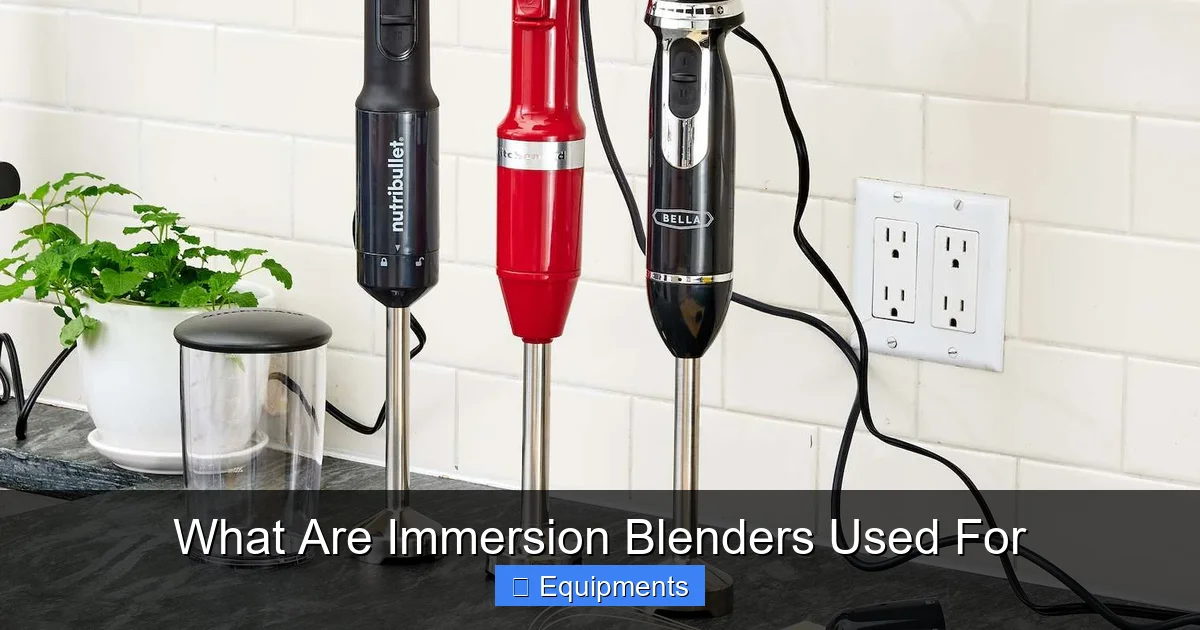
Visual guide about What Are Immersion Blenders Used For
Image source: allrecipes.com
Why It’s Perfect for Hot Liquids
With a traditional countertop blender, you must carefully transfer scalding hot soup from the pot to the blender jar, blend in batches (a serious burn hazard), then pour it back. An immersion blender eliminates this dangerous and messy step. You simply place the blade into the pot of cooked vegetables or broth and blend right there. The blender’s motor stays safely outside the pot, and the long shaft keeps your hands far from the hot liquid.
Practical Examples & Tips
- Creamy Tomato Basil Soup: After simmering canned tomatoes, onions, and garlic, immersion blend until perfectly smooth. Add fresh basil and cream at the end.
- Potato Leek Soup: Achieve a velvety texture without any potato chunks. For a rustic feel, leave some texture by pulsing briefly.
- Butternut Squash Soup: Blend roasted squash and carrots directly in the Dutch oven. No need for a food processor.
- Homemade Tomato Sauce: Break down canned whole tomatoes and sautéed aromatics into a chunky or smooth sauce without transferring.
- Gravy & Pan Sauces: Deglaze a pan with wine or broth, then use the immersion blender to emulsify butter and flour into a lump-free, glossy gravy right in the pan.
Pro Tip: For the smoothest results, tilt the pot slightly so ingredients pool at one side, submerge the blade fully, and move it slowly in a up-and-down and circular motion. Always ensure the blade is fully submerged before turning it on to avoid splatter.
2. Beverage Boss: Smoothies, Shakes, and Cocktails
Forget the big blender for a single-serving smoothie. The immersion blender is your go-to for quick, personal drinks. Its smaller blending container (often a tall measuring cup or the included beaker) is easier to clean and store.
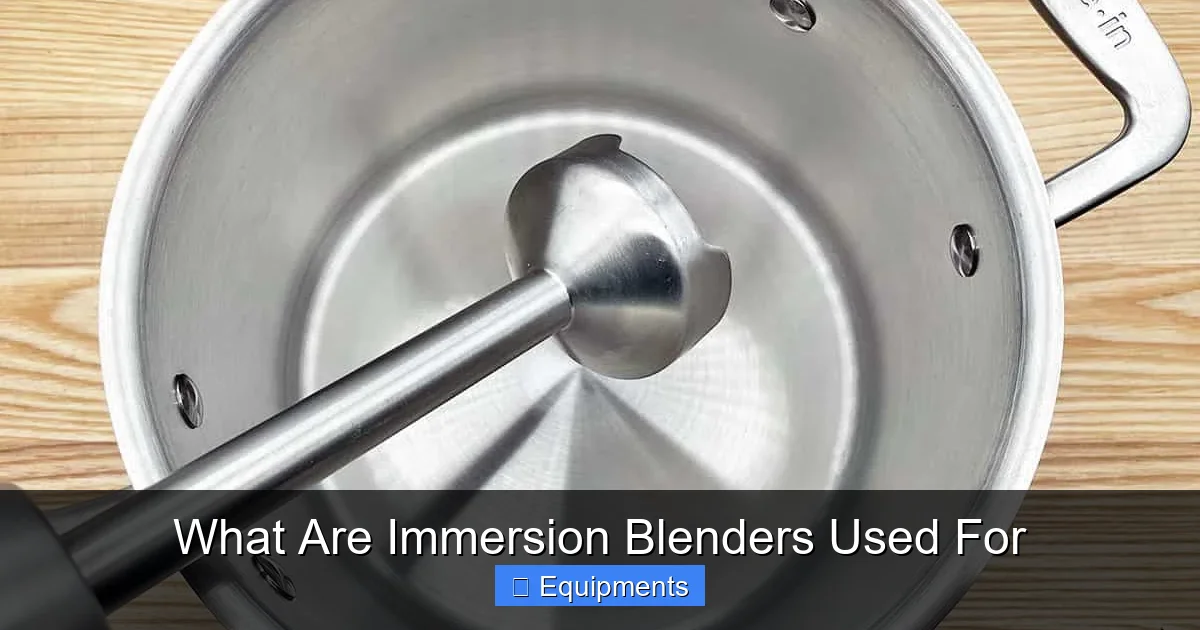
Visual guide about What Are Immersion Blenders Used For
Image source: prudentreviews.com
Perfect for Single Servings
Dropping a few ice cubes, a banana, some spinach, protein powder, and milk into a tall glass or the blender’s beaker is all it takes. The powerful motor on modern models can easily crush ice and frozen fruit for a thick, satisfying texture.
Practical Examples & Tips
- Morning Green Smoothie: Blend kale, mango, banana, and yogurt in your drinking glass for an on-the-go breakfast with no extra pitcher to wash.
- Protein Shakes: Mix protein powder with milk or water without the clumping that can happen when shaking by hand. Add ice for a frosty texture.
- Milkshakes: Create thick, creamy diner-style milkshakes with ice cream and milk in under 30 seconds.
- Frozen Cocktails: Whip up frozen margaritas, piña coladas, or mudslides for a party. The small batch size is perfect for testing recipes.
- Frothy Coffee: Blend hot coffee with a splash of milk and a pinch of sugar for a quick, frothy café-style drink.
Pro Tip: Add liquid first, then softer ingredients, and finally ice or frozen fruit on top. This helps the blade move freely and blend evenly. Start on low speed and increase to high to prevent the contents from flying out.
3. Baking & Batters: Gentle Mixing for Tender Results
This is a secret weapon for bakers. The immersion blender’s gentle, yet thorough, mixing action is ideal for batters where over-mixing is the enemy of tenderness. It incorporates ingredients without developing excess gluten.
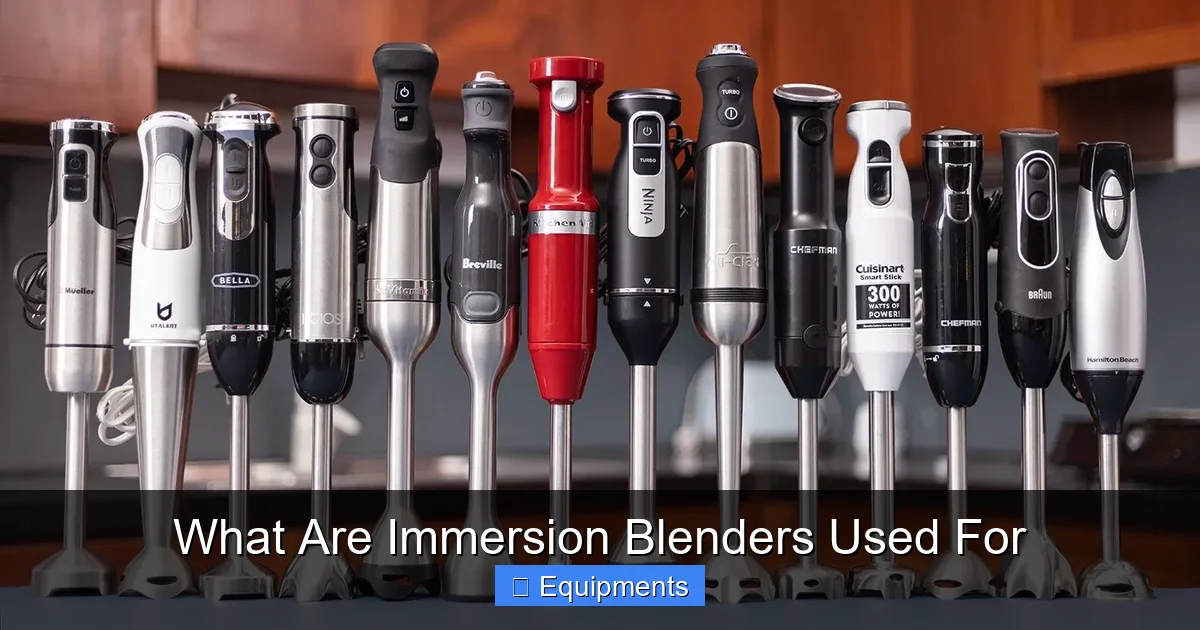
Visual guide about What Are Immersion Blenders Used For
Image source: cdn.shouldit.com
When to Reach for Your Stick Blender
For tasks that require aeration and combination without vigorous agitation, the immersion blender, especially with its whisk attachment, is unparalleled. It’s faster than a spoon and more controlled than a stand mixer for small batches.
Practical Examples & Tips
- Cake & Muffin Batters: After whisking dry and wet ingredients separately, use the immersion blender on low speed to combine them just until incorporated. This yields a more tender crumb than over-mixing with a spoon.
- Pancake & Waffle Batter: Easily blend flour, eggs, milk, and melted butter. Lumps are fine, but the blender ensures no dry pockets of flour.
- Whipped Cream: With the whisk attachment, you can whip small batches of cream, egg whites, or even aquafaba (chickpea water) to stiff peaks quickly and cleanly.
- Frostings: Blend butter and powdered sugar for a quick American buttercream, or make a smooth cream cheese frosting without lumps.
- Quick Breads & Muffins: Mix zucchini bread or banana muffin batter efficiently, ensuring moist, evenly textured results.
Pro Tip: Use the whisk attachment for incorporating air. For batters, use the standard S-shaped blade and pulse on low. Stop as soon as the ingredients are combined. Scrape the sides of the bowl with a spatula if needed, but blend minimally.
4. Emulsification & Dressings: The Mayo & Aioli Maestro
Creating a stable emulsion—where two liquids that don’t normally mix (like oil and vinegar/water) become one—is where the immersion blender absolutely shines. Its design creates a powerful vortex that pulls ingredients down into the blade, forcing them to combine seamlessly.
The Science of the Vortex
When you place the blade head in a narrow container (like a wide-mouth mason jar), it creates a mini-tornado. This vortex continuously pulls the oil from the top down into the water-based mixture (egg yolk, lemon juice, mustard) at the bottom, breaking it into tiny droplets that stay suspended. The result is a thick, creamy, unbreakable emulsion.
Practical Examples & Tips
- Homemade Mayonnaise: The holy grail. Crack an egg, add lemon juice, mustard, and salt in a jar. With the immersion blender running, slowly drizzle in oil through the lid’s opening (or just pour it in if using a wide jar). Watch it magically thicken into perfect mayo.
- Aioli & Flavored Mayos: Add roasted garlic, sun-dried tomatoes, or herbs to your mayo base for custom sauces.
- Vinaigrettes: Make a quick, emulsified vinaigrette that won’t separate in the salad bowl. Perfect for Caesar or French dressings that require a creamy texture.
- Hollandaise Sauce: While trickier, you can make a small batch of hollandaise by blending egg yolks and lemon juice, then slowly streaming in melted butter.
- Pesto & Thin Sauces: While a food processor is better for thick pesto with nuts, an immersion blender can emulsify oil and basil leaves for a smoother, greener sauce.
Pro Tip: Use a container that’s just wide enough for the blender head. Too wide, and the vortex won’t form properly; too narrow, and you can’t add oil slowly. A standard wide-mouth pint or quart mason jar is ideal. Ensure all ingredients are at room temperature to prevent breaking the emulsion.
5. Baby Food & Healthy Purees: Fresh, Safe, and Simple
For parents, an immersion blender is a sanity-saving tool for making fresh, nutritious baby food. It allows you to cook vegetables or fruits in one pot (steaming, boiling, or roasting) and then puree them to any desired consistency without transferring.
From Family Meal to Baby Meal
Cook a batch of carrots, sweet potatoes, or peas for the family. Once tender, use the immersion blender right in the pot to create a smooth puree for your infant. You can leave it slightly lumpy for older babies. This method is faster, uses fewer dishes, and is more sanitary than transferring hot food to a separate processor.
Practical Examples & Tips
- Steamed Veggie Purees: Steam broccoli, cauliflower, or green beans in a basket over a pot. Add a splash of cooking water or breast milk/formula to the pot, then blend directly.
- Fruit Mashes: Cook apples or pears until soft, then blend for a smooth applesauce or pear puree.
- Meat & Protein: Blend cooked chicken, lentils, or beans with a bit of broth to create smooth, protein-packed purees.
- Texture Control: Easily adjust consistency by adding more or less liquid (water, broth, milk) as you blend.
- Batch Cooking: Make large batches, portion into ice cube trays, freeze, and pop out single servings for quick meals.
Pro Tip: For a super-smooth texture, pass the puree through a fine-mesh sieve after blending, especially for seeds or skins. Always cool purees thoroughly before serving or storing. Label and date all homemade baby food.
6. Beyond the Basics: Chopping, Whisking, and More
Many immersion blender kits come with additional attachments that transform it from a puree machine into a multi-purpose kitchen assistant. These accessories unlock a whole new range of immersion blender uses.
Common Attachments and Their Uses
- Chopper/Grinder Cup: A small, lidded cup with a blade. Perfect for mincing garlic, ginger, shallots, or herbs without creating a paste. Also great for grinding nuts, seeds, or coffee beans, making breadcrumbs, or chopping chocolate.
- Whisk Attachment: As mentioned, this is fantastic for whipping cream, egg whites, and aquafaba. It’s also excellent for quickly mixing pancake batter or beating eggs for scrambled eggs without over-beating.
- Blending Beaker/Measuring Cup: The tall, narrow cup that often comes with the blender is ideal for single-serve drinks and for emulsions, as it creates the perfect vortex.
- S-Blade (Standard):strong> The workhorse for all the pot-based pureeing and blending tasks.
Creative & Unexpected Uses
Think outside the recipe! Use your immersion blender to:
- Rehydrate dried mushrooms in hot water, then blend them into a paste for sauces.
- Make homemade nut butters (in the chopper cup) from roasted nuts.
- Blend hummus or black bean dip directly in the serving bowl.
- Quickly mix powdered drink mixes like hot chocolate or malted milk without lumps.
- Emulsify a quick Caesar dressing with anchovies and egg yolk.
Pro Tip: Always check your manufacturer’s guidelines for what attachments are dishwasher safe. The motor unit should never be submerged. Wipe it with a damp cloth. The shafts and blades are usually dishwasher safe on the top rack, but hand washing prolongs their life.
Choosing the Right Immersion Blender for Your Needs
Not all immersion blenders are created equal. To maximize its uses, you need to select a model suited to your cooking style. Key factors include power, speed settings, shaft design, and included attachments.
Power and Speed
Power is measured in watts. For most home tasks (soups, smoothies, dressings), 200-300 watts is sufficient. If you plan to crush a lot of ice, make nut butters, or process very thick doughs, look for models in the 300-500+ watt range. Multiple speed settings (low/high or variable) offer more control for delicate tasks like whisking versus crushing ice.
Shaft and Blade Design
A stainless steel shaft is durable and rust-resistant. Some have a reinforced stainless steel jacket over a plastic core for extra strength. The blade design matters: a standard S-shaped blade is versatile, while a multi-blade or “pan-style” blade can be more efficient for emulsifying. Consider the length—a longer shaft (12+ inches) is essential for deep pots or stockpots.
Comfort and Ergonomics
You’ll be holding this tool, so a comfortable, non-slip grip is crucial. A lightweight model reduces fatigue. A twist-lock or easy-release mechanism for attachments is a convenient feature.
Our Recommendation for Versatility
For the home cook who wants to tackle all the uses listed above, seek a model with: at least 250 watts, two speed settings (low/high), a stainless steel shaft, a standard S-blade, a chopper/grinder cup, and a whisk attachment. Brands like Breville, KitchenAid, Braun, and Cuisinart offer reliable, well-reviewed options in this category.
Conclusion: The Unassuming Hero of Your Kitchen
So, what are immersion blenders used for? In short: they are used for transforming ingredients with unparalleled convenience, safety, and precision. They are the tool that lets you turn a pot of cooked vegetables into a silky soup without ever leaving the stove. They are the secret to perfect, lump-free mayonnaise in a jar. They are the quick solution for a morning smoothie without the clutter of a full-sized blender. They empower you to make fresh, wholesome baby food with minimal effort and dishes.
The immersion blender’s true power is not in replacing every other appliance in your kitchen, but in seamlessly filling the gaps where larger, less agile tools fall short. It brings the processing power directly to your cooking, saving time, reducing cleanup, and opening up a world of culinary possibilities from simple weeknight soups to elegant emulsified sauces. If you don’t own one, consider adding this unassuming hero to your arsenal. If you do, we hope this guide has inspired you to explore its full potential beyond the occasional soup. Happy blending!
Frequently Asked Questions
Can an immersion blender crush ice?
Yes, most modern immersion blenders can crush ice for smoothies and frozen drinks, but it depends on the motor power. Models with 300 watts or more handle ice best. Always add liquid first and start on low speed to prevent strain.
Is it safe to use an immersion blender in hot liquids?
Absolutely, and this is its primary advantage. The motor stays safely above the pot, and the long shaft keeps your hands away from hot liquids. Just ensure the blade is fully submerged before turning it on to avoid splashing.
How do I clean an immersion blender?
>The blending shaft and attachments are usually dishwasher safe (top rack). The motor unit should never be submerged; simply wipe it with a damp cloth. For quick cleaning, fill a glass with soapy water, blend for 30 seconds, then rinse.
What’s the difference between an immersion blender and a countertop blender?
The key difference is design and use case. An immersion blender is a wand that you insert into any container, ideal for hot soups, small batches, and direct-pot blending. A countertop blender has a fixed jar and is better for large volumes, crushing hard ingredients (like ice for many people), and dry grinding.
Can I use an immersion blender for dry ingredients?
Yes, with the included chopper/grinder cup attachment. It’s excellent for mincing garlic, grinding nuts, making breadcrumbs, or chopping chocolate. Do not use the standard S-blade in an empty pot or dry container, as it will damage the blade and create a mess.
How powerful should an immersion blender be?
For most cooking tasks like soups, sauces, and dressings, 200-250 watts is adequate. For frequent ice crushing, nut butter, or heavy doughs, aim for 300-500+ watts. Higher wattage generally means more torque and durability for tough jobs.