Learn the essential steps to cook boudin sausage like a pro in 2026. This guide breaks down the best methods—steaming, boiling, baking, and grilling—using the right equipment for perfect results every time. We’ll cover critical tips on internal temperature, resting times, and common pitfalls to avoid, ensuring your boudin is juicy, flavorful, and safely cooked. Discover modern kitchen tools and techniques to elevate this classic Cajun delicacy.
Key Takeaways
- Boudin is a pre-cooked sausage: Most commercial boudin is fully cooked during manufacturing; you are primarily reheating it to enhance texture and flavor without drying it out.
- Steaming is the gold standard: It preserves maximum moisture and prevents the casing from splitting, making it the preferred method for authentic, juicy boudin.
- Internal temperature is non-negotiable: Use a reliable instant-read thermometer to ensure the center reaches 165°F (74°C) for safe consumption, regardless of the cooking method.
- Gentle heat is key: Avoid high temperatures that can cause the casing to burst and the rice filling to become grainy. Low-and-slow is the rule.
- Resting is crucial: Let cooked boudin rest for 5-10 minutes before slicing. This allows juices to redistribute, preventing a dry bite.
- Equipment matters: A dedicated steamer basket, a heavy pot with a tight lid, or a sous vide circulator can dramatically improve results over makeshift methods.
- Flavor is in the finish: Finish boudin on a grill or in a hot pan for a few minutes to develop a crispy, smoky skin without overcooking the interior.
📑 Table of Contents
Introduction: The Allure of the Perfect Boudin
There’s something magical about a perfectly cooked link of boudin. That snap of the natural casing giving way to a steaming, savory blend of pork, rice, and aromatic spices is a cornerstone of Cajun and Creole cuisine. But achieving that ideal balance—a moist, hot interior with a casing that’s pliant but not soggy—trips up many home cooks. In 2026, the principles remain timeless, but our tools and understanding have evolved. This comprehensive guide will walk you through every step, from selecting the right boudin to mastering multiple cooking techniques with modern equipment. Whether you have a rustic cast iron pot or a smart kitchen appliance, you’ll learn how to honor this traditional sausage while leveraging today’s best practices for guaranteed success.
What Exactly is Boudin? A Quick Primer
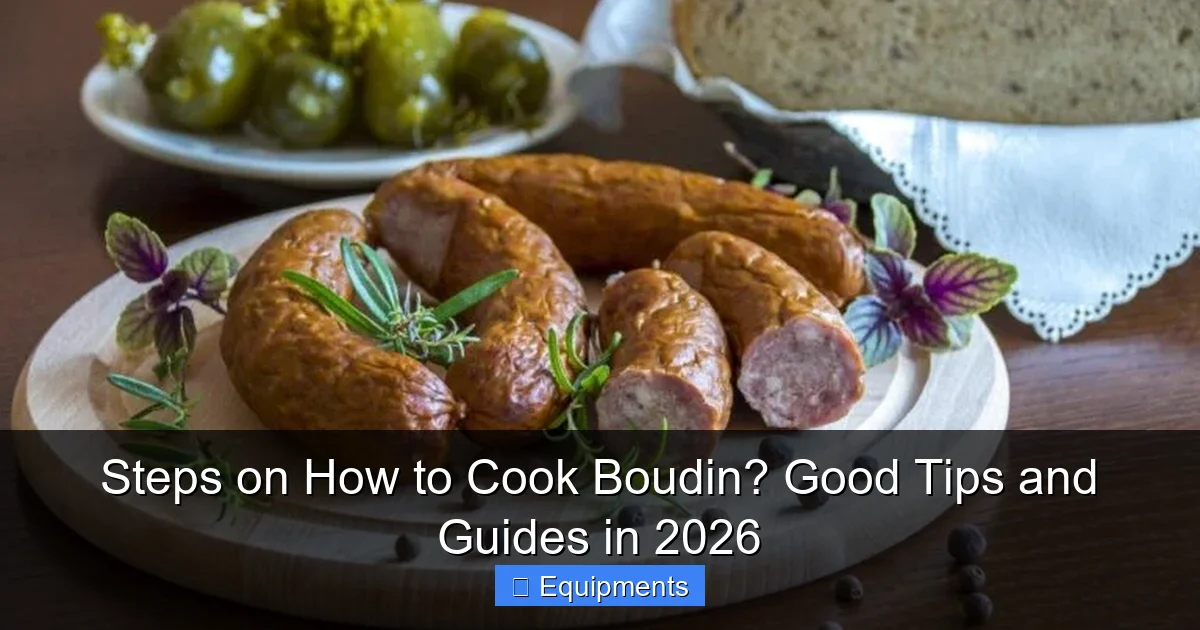
Before we talk cooking, let’s clarify what we’re dealing with. Boudin (pronounced “boo-DAN”) is a sausage with French origins, deeply embedded in Louisiana culture. The most common type is boudin blanc, a white sausage made from pork, rice, onions, and a complex blend of spices like thyme, sage, and white pepper. It’s distinct from boudin noir (blood sausage). Crucially, virtually all store-bought and commercially prepared boudin is fully cooked during production. This means your goal at home is reheating and finishing, not cooking from raw. This distinction is the most important tip of all—it explains why aggressive cooking leads to dry, crumbly results. You are gently warming it through while optionally crisping the exterior.
Visual guide about Steps on How to Cook Boudin? Good Tips and Guides in 2026
Image source: cookinguides.com
Fresh vs. Frozen: Does It Matter?
Yes, significantly. Fresh boudin from a local butcher or specialty shop has a shorter shelf life and a more delicate texture. It requires more careful, gentle reheating. Frozen boudin, which is what most of us encounter, has ice crystals that can damage the casing and meat structure if not thawed properly. The best practice is to thaw frozen boudin slowly in the refrigerator overnight. If you’re in a hurry, you can use the cold water method (sealed in a bag, submerged for 30-45 minutes), but never thaw at room temperature. For equipment, a reliable refrigerator and a sealed container or zip-top bag are your essentials here.
Essential Equipment for Flawless Boudin in 2026
The category is “Equipments” for a reason. Having the right tools transforms boudin from a gamble to a science. In 2026, we have a fantastic range of traditional and high-tech options. The core principle is moist, even, controlled heat.
Visual guide about Steps on How to Cook Boudin? Good Tips and Guides in 2026
Image source: cookinguides.com
The Non-Negotiable: An Instant-Read Thermometer
This is your single most important piece of equipment. Do not guess. Digital instant-read thermometers (like those from Thermapen or Thermoworks) provide an accurate reading in 2-3 seconds. You will use it for every method to verify the center has reached a safe 165°F (74°C). Probe thermometers with cords for continuous monitoring are also excellent, especially for baking or grilling.
Steaming Setups: From Basic to Brilliant
- Traditional Steamer Basket: A bamboo or stainless steel basket that fits inside a pot. Simple, effective, and promotes excellent circulation.
- Electric Steamer: A dedicated appliance with tiers and a timer. Perfect for cooking multiple links evenly without monitoring water levels. Many 2026 models have smart presets for sausages.
- Sous Vide Circulator: The ultimate precision tool. Set it to 160°F (71°C), bag the boudin (with a little butter or oil), and cook for 45-60 minutes. This results in unparalleled, uniform juiciness from edge to center. Finish with a quick sear or grill for texture.
Pots and Pans for Boiling and Baking
A heavy-bottomed pot with a tight-fitting lid is ideal for the simmering method. It distributes heat evenly and prevents rapid boil-overs. For baking, a rimmed baking sheet lined with parchment or foil is essential for easy cleanup. A wire rack set on the sheet elevates the links, allowing hot air to circulate for more even heating.
The Grill Pan or Outdoor Grill
For that coveted smoky, charred skin, you’ll need a grill. A cast iron grill pan on the stovetop works wonders. If using an outdoor gas or charcoal grill, set it up for indirect heat (coals to one side) to avoid flare-ups that can burn the casing. A clean grill grate is critical to prevent sticking.
Safety & Maintenance Note: Always consult your equipment’s user manual for specific guidelines and safety instructions. For comprehensive kitchen appliance policies and warranties, refer to our terms and conditions page.
Step-by-Step: The Four Best Methods to Cook Boudin
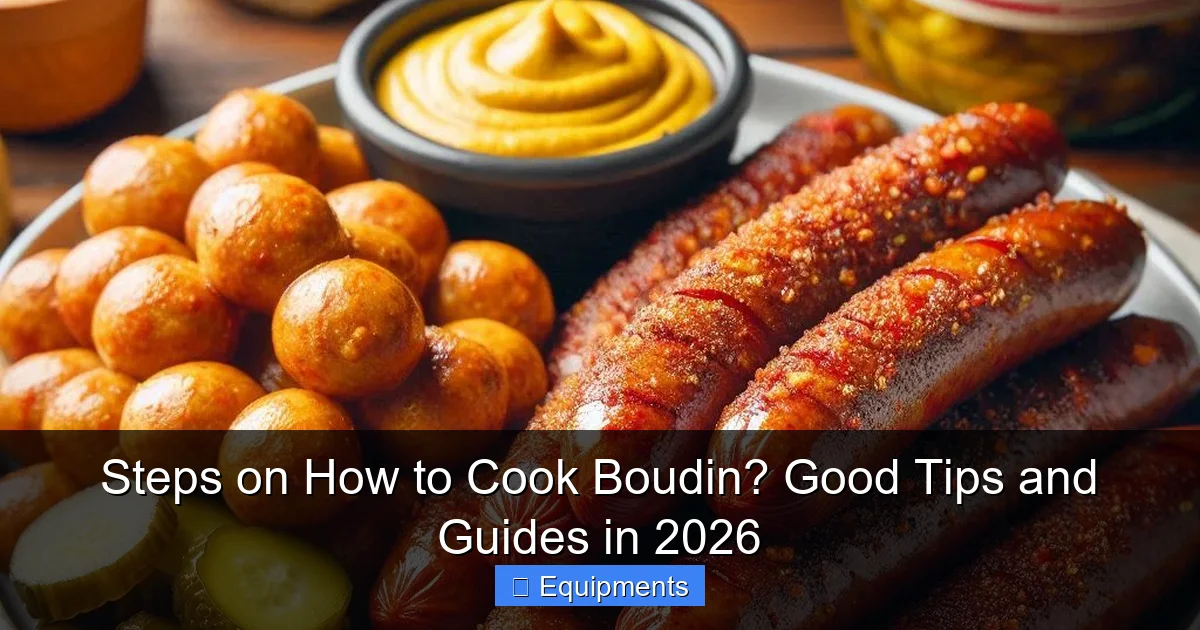
Here we dive into the practical application. Each method has its strengths. Steaming is the most foolproof for moisture. Boiling is fastest. Baking offers hands-off convenience. Grilling provides the best texture. Choose based on your desired outcome and available equipment.
Visual guide about Steps on How to Cook Boudin? Good Tips and Guides in 2026
Image source: cookinguides.com
Method 1: Steaming (The Champion Method)
This is the preferred technique for purists. Steam provides gentle, enveloping heat that warms the boudin through without leaching any flavor into water.
- Prepare your steamer: Fill your pot with about 1-2 inches of water—ensure it doesn’t touch the bottom of the steamer basket. Bring to a steady simmer.
- Arrange the boudin: Place links in the steamer basket in a single layer, not touching. This allows steam to circulate freely. If using a multi-tier bamboo steamer, stagger the links on each layer.
- Steam: Cover tightly and steam for 15-20 minutes for fresh boudin, or 20-25 minutes for frozen (thawed). You’re looking for the links to be piping hot throughout.
- Verify and rest: Insert your thermometer into the thickest part. It must read 165°F (74°C). Remove from heat, cover, and let rest for 5-10 minutes.
Pro Tip for 2026: Add aromatics to the steaming water! Toss in a few slices of onion, a garlic clove, or a sprig of thyme. The steam will carry subtle flavors into the casing.
Method 2: Simmering (The Quick & Classic Method)
Simmering in liquid is a traditional and very effective method, especially if you plan to serve the boudin with a side of the flavorful cooking liquid as a dipping sauce.
- Create a poaching liquid: In your heavy pot, combine enough water or beer to fully submerge the boudin. Add flavor boosters: a chopped onion, bell pepper, celery stalk (the “Cajun holy trinity”), a bay leaf, and a teaspoon of Cajun seasoning.
- Bring to a simmer: Heat the liquid over medium-high until it reaches a gentle simmer with small bubbles breaking the surface. Do not let it boil vigorously.
- Add and cook: Gently add the boudin links. Reduce heat to low, cover, and simmer for 15-20 minutes (fresh) or 20-25 minutes (thawed frozen).
- Check temperature and serve: As always, verify with a thermometer. You can serve directly from the pot, or for a crispier skin, remove and pat dry before a quick grill or pan-sear.
Common Mistake: Boiling instead of simmering. A rolling boil will agitate the links, potentially cracking the casing and making the rice filling grainy.
Method 3: Baking (The Hands-Off, Oven-Based Method)
Ideal for cooking a large batch or when your stovetop is occupied. The key is low temperature and moisture retention.
- Preheat and prep: Preheat your oven to 300°F (150°C). Line a rimmed baking sheet with parchment paper for easy cleanup. Place a wire rack on the sheet.
- Arrange and moisten: Place boudin links on the rack. Lightly spray or brush them with a little oil, water, or beer. This creates a humid environment in the oven and prevents the skins from drying out.
- Bake: Place in the oven and bake for 25-35 minutes, depending on size and whether frozen. The low heat gently warms the entire link.
- Optional crisp finish: If you desire a browner, crisper skin, switch the oven to broil for the final 2-3 minutes, watching constantly to prevent burning.
- Thermometer check: Ensure the center hits 165°F (74°C) before removing.
Equipment Insight: A convection oven, if you have one, is a great asset here. The fan circulates air for more even heating, reducing the need to rotate the pan.
Method 4: Grilling (For the Ultimate Crispy Skin)
This method delivers the most dramatic results: a smoky, charred, crackling exterior with a steamy interior. It requires the most attention.
- Pre-cook gently: Because direct grill heat is intense, it’s safest to pre-heat your boudin using one of the gentler methods above (steaming or baking) until it’s almost fully heated through (about 150°F internal temp). This ensures you won’t have to keep it on the grill long enough to split the casing.
- Prepare the grill: Preheat your grill to medium-low heat (around 300-325°F). Set it up for indirect heat if possible. Clean the grates thoroughly and oil them well to prevent sticking.
- Grill for texture: Place the pre-cooked boudin on the cooler side of the grill or directly over low heat. Grill for just 2-4 minutes total, turning frequently. The goal is to brown and crisp the skin, not to cook the interior further.
- Serve immediately: Grilled boudin waits for no one. Transfer to a platter and serve hot off the grill.
2026 Trend: Pellet grills and smokers offer incredible temperature control for this step. Use a mild wood like pecan or apple for a subtle smoke flavor that complements, not overwhelms, the boudin’s spices.
Pro Tips and Troubleshooting for 2026
Even with a perfect recipe, small details make the difference between good and great. Here’s your arsenal of advanced knowledge.
The Golden Rules: Temperature and Resting
We’ve hammered on the thermometer, but it bears repeating. 165°F (74°C) is the magic number. Invest in a good thermometer and use it religiously. Equally important is the rest. After removing boudin from heat, let it sit, loosely tented with foil, for 5-10 minutes. This allows the intensely hot juices to settle and redistribute. Slicing into it immediately causes those precious juices to run out onto the cutting board, leaving the meat dry.
Preventing a Split Casing
A split casing is the boudin cook’s nightmare. It’s usually caused by:
- Rapid temperature change: Going from frozen to high heat. Always thaw first.
- Pricking the casing: Never pierce boudin before cooking. Unlike some fresh sausages, its high rice content will leak out through any hole, creating a messy, dry result.
- Overcooking: Prolonged high heat forces moisture and steam out violently. Stick to low, gentle methods.
If a link does split slightly, it’s not a disaster. Serve it as is, or for a dramatic presentation, slice it open and serve the filling in a bowl with a spoon (“boudin in a bowl”).
Flavor Infusion and Finishing Touches
Boudin is flavorful on its own, but you can elevate it. During steaming or simmering, add a splash of apple cider vinegar or a few peppercorns to the liquid. After cooking, a light drizzle of honey or a sprinkle of flaky sea salt can add a delightful sweet/savory contrast. For a true 2026 gourmet touch, serve with a side of homemade pepper jelly or a tangy mustard aioli.
Conclusion: Embrace the Process
Cooking boudin beautifully is less about complex techniques and more about respecting the product. Remember, you are reheating a cooked sausage. Your mission is to bring it to a safe, hot temperature while protecting its delicate moisture and texture. By using a thermometer, choosing a gentle method like steaming, and allowing it to rest, you will achieve that perfect snap and juicy interior every single time. The equipment you use—whether a simple pot or a sous vide machine—is just a tool to execute this principle. In 2026 and beyond, the joy of sharing a plate of perfectly cooked boudin with a cold beer and good company remains one of life’s simple, profound pleasures. Now, go forth and cook with confidence!
Frequently Asked Questions
Can I cook boudin directly from frozen?
It’s not recommended for best results. Thawing slowly in the refrigerator overnight preserves the casing integrity. If necessary, you can use the cold water thawing method, but avoid microwave thawing which can partially cook and toughen the edges.
What is the absolute best way to cook boudin for a beginner?
Steaming is the most forgiving method. It’s nearly impossible to overcook or dry out the boudin using a steamer basket, making it the ideal starting point for mastering the process.
How can I tell if boudin is fully cooked without a thermometer?
While a thermometer is best, a fully heated boudin will be steaming hot throughout when you cut into it. The casing will be firm but pliant, not rubbery. The rice filling should be hot and moist, not cool or gritty. However, guessing risks undercooking, so a thermometer is highly advised.
What are the best traditional side dishes to serve with boudin?
Classic accompaniments include a simple green salad with a French dressing, pickled okra, cornbread or French bread for sopping up juices, and a side of baked beans. A cold lager or a crisp white wine pairs beautifully.
My boudin casing keeps splitting. What am I doing wrong?
You are likely applying too much heat too quickly. Ensure your boudin is fully thawed. Use a low simmer or gentle steam, never a rolling boil or high grill heat. Also, never prick the casing before cooking.
Can I reheat leftover cooked boudin?
Yes, but do so gently. The best method is a quick steam or a very low bake (275°F) until just heated through. Reheating in a microwave often makes the casing tough and the rice filling tough and dry.