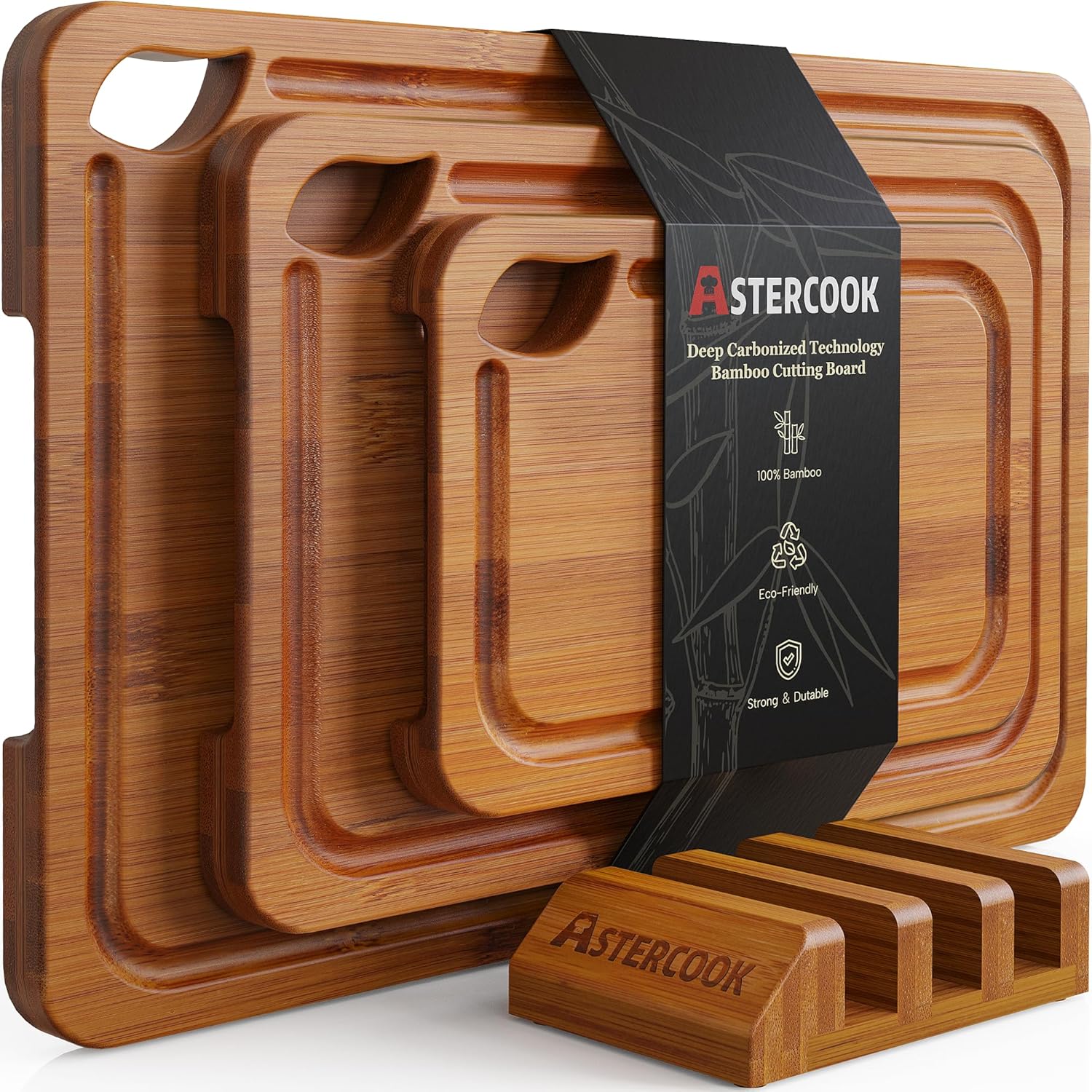
A stainless steel cutting board is a durable, hygienic, and long-lasting choice for any kitchen. It resists bacteria, won’t absorb odors, and is incredibly easy to clean. Whether you are prepping vegetables, slicing meat, or assembling sandwiches, this kitchen essential offers a reliable food-safe surface that lasts for years.
A stainless steel cutting board is one of the most practical and hygienic tools you can add to your kitchen workspace. Unlike wooden or plastic boards that stain, crack, and absorb odors over time, stainless steel offers a sleek, non-porous surface that stands up to daily use with ease.
Whether you are a professional chef or a home cook who loves meal prep, choosing the right cutting board material matters more than most people realize. The surface you cut on affects food safety, knife performance, and how quickly you can clean up after cooking. That is exactly why more and more people are making the switch to stainless steel kitchenware for their cutting needs.
In this guide, we will walk you through everything you need to know about stainless steel cutting boards. You will learn about the key benefits, how they compare to other materials, what to look for when buying one, and how to keep your board in top shape for years to come. Let us dive in.
Key Takeaways
- Hygienic and Bacteria-Resistant: Stainless steel does not harbor bacteria like wood or plastic, making it one of the safest cutting board materials for food prep.
- Extremely Durable: A stainless steel cutting board resists warping, cracking, and staining, giving you years of reliable use without replacement.
- Easy to Clean: You can wash it by hand, toss it in the dishwasher, or sanitize it with simple household cleaners.
- Versatile for All Tasks: From chopping vegetables to slicing raw meat, stainless steel handles every kitchen job with ease.
- Non-Porous Surface: Unlike wood or plastic, stainless steel does not absorb liquids, juices, or odors from your food.
- Requires Proper Care: While low maintenance, using the right cleaner and avoiding harsh abrasives keeps your board looking new.
- Great for Professional and Home Kitchens: Chefs and home cooks alike prefer stainless steel for its performance and sanitation standards.
📑 Table of Contents
- What Is a Stainless Steel Cutting Board?
- Benefits of Using a Stainless Steel Cutting Board
- Stainless Steel Cutting Board vs. Other Materials
- How to Choose the Best Stainless Steel Cutting Board
- How to Clean and Maintain Your Stainless Steel Cutting Board
- Common Mistakes to Avoid with Stainless Steel Cutting Boards
- Expert Tips for Getting the Most Out of Your Stainless Steel Cutting Board
- Conclusion
What Is a Stainless Steel Cutting Board?
A stainless steel cutting board is a flat, rigid food preparation surface made from durable stainless steel alloy. It is designed specifically for chopping, slicing, dicing, and mincing ingredients in a kitchen setting. The material is non-porous, meaning it does not absorb liquids, bacteria, or food particles into its surface.
These boards come in various thicknesses, sizes, and finishes. Some feature built-in handles or grooves to catch juices, while others are plain and minimalist. You can find them in home kitchens, restaurant kitchens, and even food processing facilities. Their popularity continues to grow because they meet strict hygiene standards and deliver consistent performance.
Why Material Choice Matters for Food Safety
The material of your kitchen cutting board directly impacts food safety. Wood and plastic boards develop tiny grooves and cuts over time where bacteria can hide and multiply. Stainless steel, on the other hand, provides a smooth, non-porous surface that you can sanitize easily. This makes it a top choice for anyone serious about kitchen hygiene.
Benefits of Using a Stainless Steel Cutting Board
There are many reasons why a stainless steel cutting board has become a favorite among home cooks and professionals alike. Here are the key benefits that set it apart from other cutting board materials.
Exceptional Durability
One of the biggest advantages of a stainless steel board is its long lifespan. It does not warp, crack, or split like wood. It does not develop deep knife scars the way plastic does. A quality stainless steel board will serve you for many years without needing replacement.
Superior Hygiene
Stainless steel is naturally resistant to bacteria and mold. You can scrub it with hot water and soap, run it through the dishwasher, or sanitize it with a bleach solution. Because the surface is non-porous, there is no place for bacteria to hide. This makes it one of the safest options for food preparation surfaces, especially when handling raw meat or poultry.
No Odor Absorption
Have you ever noticed that your plastic or wooden cutting board starts to smell like garlic or onion even after washing? Stainless steel does not absorb odors at all. After a quick wash, your board smells completely fresh. If you ever deal with stubborn smells, you can learn more about how to remove onion smell from cutting board for other board types.
Easy to Clean and Maintain
Cleaning a stainless steel board is straightforward. A quick wipe with a damp cloth and mild dish soap does the job. You do not need special oils or conditioners like you would for a wooden board. The smooth surface also makes it easy to rinse off juices and food particles completely.
Ideal for Different Food Types
A stainless steel board handles a wide range of foods beautifully. Whether you are chopping fresh fruits and vegetables, slicing bread, or preparing raw meat, the hard surface keeps your ingredients stable and your knife sharp. For dedicated meat prep, consider a best cutting board for meat and poultry to keep your workspace organized and safe.
Stainless Steel Cutting Board vs. Other Materials
Not all cutting boards are created equal. Each material has its strengths and weaknesses. Here is how stainless steel stacks up against the most common alternatives.
| Feature | Stainless Steel | Wood | Plastic |
|---|---|---|---|
| Durability | Excellent | Good | Fair |
| Bacteria Resistance | Excellent | Moderate | Moderate |
| Odor Absorption | None | High | Moderate |
| Knife Friendliness | Moderate (harder on blades) | Excellent | Good |
| Ease of Cleaning | Very Easy | Moderate | Easy |
| Lifespan | Many years | 5-10 years | 1-3 years |
| Weight | Heavy | Medium | Light |
As you can see, stainless steel wins in most categories, especially when it comes to durability and hygiene. The only real downside is that it can be harder on your knife edges compared to wood or plastic. However, many cooks find this trade-off worth it for the sanitation benefits.
For those who want a dedicated board for fruits and veggies, check out our guide on the best cutting board for fruits and vegetables. And if you want to keep your board stable while cutting, non-slip pads for cutting boards are a great accessory to consider.
How to Choose the Best Stainless Steel Cutting Board
Not all stainless steel cutting boards are the same. When shopping for one, there are several factors to keep in mind to make sure you get the best board for your needs.
Thickness Matters
Thicker boards are more stable and durable. A board that is at least 3mm thick will resist bending and denting. Thinner boards may slide around on your countertop, which can be frustrating and unsafe during food prep.
Size and Shape
Choose a size that fits your workspace and handles the volume of food you typically prepare. Larger boards give you more room for chopping and are great for meal prep sessions. Smaller boards work well for quick tasks like slicing a single onion or cutting a piece of bread.
Edge Design
Some stainless steel boards come with raised edges or juice grooves. These features help catch liquids and prevent them from spilling onto your countertop. If you frequently cut juicy fruits or raw meat, a board with a raised edge is a smart choice.
Finish Type
Look for a brushed or matte finish, as these are easier to clean and hide scratches better than a polished mirror finish. A brushed finish also provides a slightly better grip for your knife, which improves cutting control.
Weight and Portability
Stainless steel boards are heavier than plastic or wood options. This is actually a plus because the weight keeps the board stable while you cut. However, if you need to move your board around frequently, consider the weight before purchasing.
How to Clean and Maintain Your Stainless Steel Cutting Board
One of the best things about a stainless steel board is how easy it is to care for. With just a few simple habits, your board will stay clean and looking great for many years.
Daily Cleaning Routine
After each use, rinse your board with warm water and dish soap. Use a sponge or soft brush to remove any food residue. For a deeper clean, you can wash it in the dishwasher. Stainless steel is dishwasher safe, but hand washing helps preserve the finish longer.
Removing Stains and Discoloration
Over time, you may notice some discoloration on your board, especially from berries, turmeric, or tomato-based foods. This is purely cosmetic and does not affect hygiene. A paste made from baking soda and water can remove most surface stains. Simply apply the paste, let it sit for a few minutes, and scrub gently with a soft cloth.
Dealing with Rust Spots
Although stainless steel is rust-resistant, it is not completely rust-proof. If you notice small rust spots, rub them with a lemon half sprinkled with salt. This natural method removes rust without damaging the board. Keeping your board dry after washing also helps prevent rust from forming.
Protecting Your Knife Edges
Because stainless steel is a hard surface, it can dull your knives faster than wood or plastic. To protect your blades, use a sharp knife and avoid pressing down too hard. You can also place a damp towel under your board to add a slight cushion, which reduces the impact on your knife edge.
Storage Tips
When not in use, store your board in a dry place. If you want to display it, consider how to hang cutting board on wall for a stylish and space-saving storage solution. Hanging your board also helps it dry completely between uses, which is great for preventing moisture buildup.
Common Mistakes to Avoid with Stainless Steel Cutting Boards
Even though stainless steel boards are low maintenance, there are a few mistakes that can shorten their lifespan or affect performance. Here is what to watch out for.
- Using abrasive cleaners: Harsh scouring pads or bleach-based cleaners can scratch the surface and dull the finish. Stick to mild dish soap and a soft sponge.
- Skipping the drying step: Leaving your board wet after washing can lead to water spots and, in some cases, rust. Always dry your board thoroughly with a clean towel.
- Cutting directly on a bare counter: Never use your stainless steel board as a cutting surface on top of a countertop without a towel underneath. The hard surface can scratch your counter and slide around during use.
- Ignoring knife sharpness: A dull knife requires more force, which increases wear on the board and is more dangerous. Keep your knives sharp for cleaner cuts and less board damage.
- Using the board for hot items: Stainless steel can handle heat, but placing hot pots or pans directly on the board can cause warping over time. Always use a trivet or hot pad for hot items.
Expert Tips for Getting the Most Out of Your Stainless Steel Cutting Board
Here are some practical tips from experienced cooks and kitchen professionals to help you get the best performance from your stainless steel cutting board.
1. Use it as a serving platter too. Stainless steel boards look great on the table. You can serve cheese, appetizers, or sliced fruits directly on the board for a clean, modern presentation.
2. Keep a separate board for raw meat. Even though stainless steel is hygienic, cross-contamination is still a concern. Having a dedicated board for raw meat and poultry keeps your other boards safe for vegetables and bread.
3. Season your board occasionally. While you do not need to oil a stainless steel board like wood, rubbing a thin layer of food-grade mineral oil on the surface can help maintain the finish and prevent water spots.
4. Pair it with the right knife. Ceramic or high-carbon steel knives work well on stainless steel surfaces because they stay sharp longer and glide smoothly across the hard surface.
5. Replace when needed. Even the best stainless steel board will eventually show deep knife marks or dents. When the surface becomes too uneven for comfortable cutting, it is time to replace it with a new one.
Conclusion
A stainless steel cutting board is a smart investment for any kitchen. It offers unmatched durability, superior hygiene, and effortless cleaning that you will not get from wood or plastic alternatives. Whether you are preparing a simple weeknight dinner or hosting a big meal, this kitchen essential delivers reliable performance every single time.
The key to getting the most out of your board is choosing the right size and thickness for your needs, following a simple cleaning routine, and avoiding common mistakes like using abrasive cleaners or leaving the board wet. With proper care, your stainless steel cutting board will serve you well for many years to come.
Make the switch today and experience the difference that a high-quality, food-safe cutting surface can make in your daily cooking. Your kitchen, your knives, and your family will all thank you.
Frequently Asked Questions
Can you put a stainless steel cutting board in the dishwasher?
Yes, stainless steel cutting boards are dishwasher safe. However, hand washing with warm soapy water helps preserve the finish and prevents water spots over time. If you do use the dishwasher, place the board on the top rack to avoid excessive heat exposure.
Are stainless steel cutting boards bad for knives?
Stainless steel is harder than wood or plastic, so it can dull knife edges faster. However, using a sharp knife and proper cutting technique minimizes this effect. Many cooks find the trade-off worth it for the hygiene and durability benefits.
How do you remove deep knife marks from a stainless steel cutting board?
Deep knife marks are difficult to remove completely from stainless steel. You can try rubbing the surface with a paste of baking soda and water, or use a stainless steel cleaner designed for kitchen surfaces. If the marks are very deep, the board may need to be replaced for best performance.
Is a stainless steel cutting board food safe?
Yes, stainless steel is one of the most food-safe cutting board materials available. It is non-porous, does not absorb bacteria or chemicals, and can be sanitized easily. Most health and food safety organizations recommend non-porous surfaces for food preparation.
Can you use a stainless steel cutting board for bread?
Absolutely. Stainless steel works great for slicing bread. The hard, flat surface provides stability and keeps the bread from slipping while you cut. Just be gentle with your knife to avoid unnecessary wear on the board surface.
What is the best thickness for a stainless steel cutting board?
A thickness of at least 3mm is recommended for stability and durability. Thicker boards, around 5mm or more, offer even better performance and resist bending or warping. The ideal thickness depends on your countertop space and how heavy you want the board to be.