Unlock the vibrant world of raw salmon with simple, stunning sushi and poke recipes you can master at home. The key is starting with exceptional, sushi-grade salmon and focusing on clean, bold flavors. This guide covers everything from essential safety and knife techniques to creative bowl builds and classic rolls, making it easy to enjoy restaurant-quality dishes safely and affordably.
Key Takeaways
- Safety is non-negotiable: Always use properly frozen, sushi-grade salmon to eliminate parasites, and keep everything impeccably cold to prevent bacteria growth.
- Quality is everything: The flavor and texture of your final dish are 90% dependent on the quality of the raw salmon you purchase. Seek out trusted fishmongers.
- Simplicity shines: Perfectly seasoned rice and pristine fish are the foundations. Don’t overcomplicate; let high-quality ingredients speak for themselves.
- Customization is key: Both sushi and poke are incredibly flexible. Use your favorite sauces, veggies, and textures to build a dish that suits your taste.
- Sharp tools are essential: A razor-sharp, dedicated knife is critical for clean cuts that don’t tear or crush your delicate salmon.
- Poke is a gateway: Bowl-style poke is more forgiving and customizable than traditional rolled sushi, making it a perfect starting point for beginners.
- Balance your flavors: Aim for a harmony of salty, sweet, acidic, and umami elements in every bite, whether in a roll or a bowl.
📑 Table of Contents
- The Allure of the Perfect Slice: Why Raw Salmon?
- Foundation First: Sourcing & Safety with Raw Salmon
- Mastering the Art of Sushi with Raw Salmon
- The World of Poke: Customizable Raw Salmon Bowls
- Beyond the Basics: Advanced Techniques & Creative Combinations
- The Supporting Cast: Sauces, Sides, and Presentation
- Conclusion: Your Journey with Raw Salmon Starts Now
The Allure of the Perfect Slice: Why Raw Salmon?
Let’s be honest, there’s something magical about a perfect piece of raw salmon. That rich, buttery texture, the deep coral hue, the clean, ocean-fresh taste—it’s a culinary experience that feels both luxurious and deeply satisfying. For too long, many of us have thought of sushi and poke as restaurant-only indulgences, complex arts best left to the masters. But what if we told you that with a few key principles and the right ingredients, you could create stunning raw salmon recipes in your own kitchen? It’s true. The journey to homemade sushi and poke is less about impossible knife skills and more about respect for the ingredient and a few foundational techniques. This guide will demystify the process, turning your kitchen into a destination for fresh, vibrant, and healthy dishes that celebrate the incredible versatility of raw salmon.
We’re going to explore two beloved formats: the structured elegance of sushi, from nigiri to maki rolls, and the freeform, customizable joy of a poke bowl. Both share a common DNA—the star is the fish—but offer wildly different experiences in preparation and presentation. Whether you’re aiming for a beautiful platter for guests or a quick, nourishing bowl for lunch, understanding the core concepts will empower you to create with confidence. So, sharpen your knives, find your trusted fish source, and let’s dive into the delicious world of raw salmon recipes.
Foundation First: Sourcing & Safety with Raw Salmon
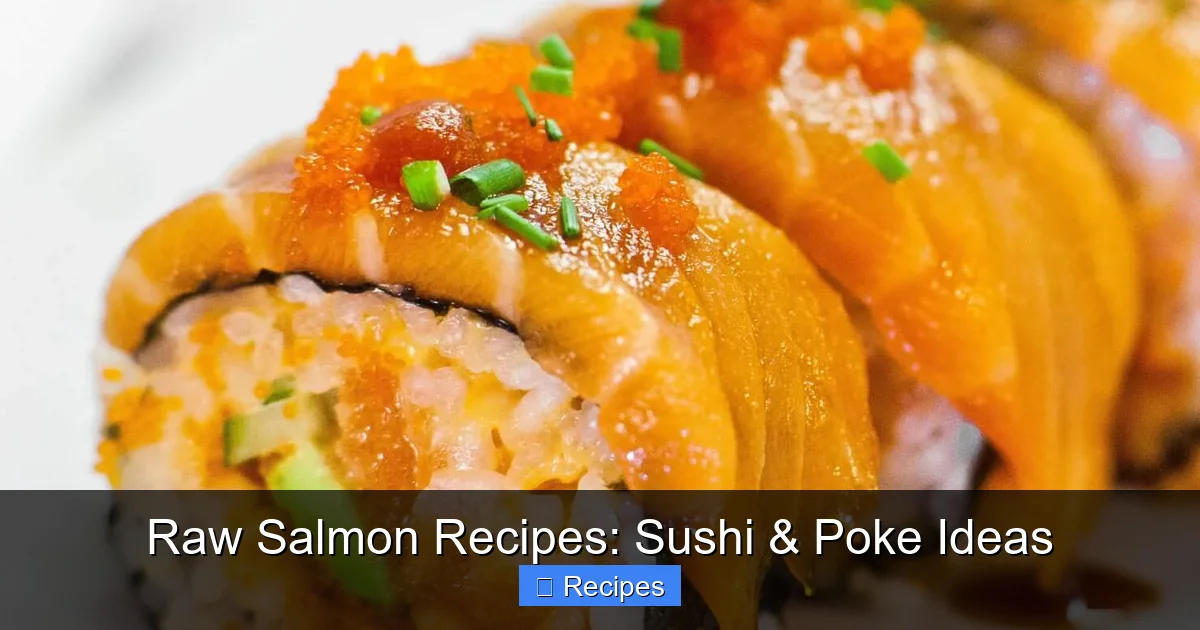
Before we talk about rolling or bowl-building, we must talk about the most critical step: the salmon itself. This is non-negotiable. The term “sushi-grade” or “sashimi-grade” is not a regulated USDA term, but it signifies fish that has been handled and frozen according to specific protocols to kill parasites. Wild-caught salmon from colder waters (like Pacific salmon: King, Sockeye, Coho, Pink, Chum) is traditionally preferred for raw consumption due to lower parasite loads and firmer texture. However, high-quality, responsibly farmed Atlantic salmon that has been properly frozen is also widely used and can be excellent.
Visual guide about Raw Salmon Recipes: Sushi & Poke Ideas
Image source: tatyanaseverydayfood.com
The Freezing Protocol: Your Safety Guarantee
To be safe for raw consumption, salmon must be frozen at -4°F (-20°C) or below for at least 7 days, or flash-frozen at -31°F (-35°C) for 15 hours. This process kills any potential parasites. Reputable suppliers and fishmongers who specialize in sushi-grade fish will have followed this protocol. Never use regular supermarket salmon that hasn’t been explicitly labeled for raw consumption. It has not been treated to eliminate parasites and poses a health risk. When you buy, ask questions: “Is this fish sushi-grade?” “Has it been previously frozen?” A good vendor will know and be proud of their product.
How to Identify & Store Premium Salmon
Look for fillets with firm, elastic flesh that springs back when pressed. The color should be vibrant—a deep orange-red for Sockeye, a lighter coral for Coho or farmed Atlantic. Avoid any fillets with dull, brownish spots, a mushy texture, or an overly fishy, ammonia-like smell. It should smell clean and like the ocean. Once purchased, keep it cold. Store it in the coldest part of your refrigerator, ideally on a bed of ice, and use it within 24 hours for peak freshness. For longer storage, wrap it tightly and freeze it yourself, but note that home freezers may not get cold enough for the parasite-killing protocol, so it’s best consumed after cooking if frozen at home.
Mastering the Art of Sushi with Raw Salmon
Sushi is often where the intimidation factor peaks, but breaking it down reveals a simple, beautiful system. At its heart, nigiri (fish atop a bed of rice) and maki (rolled sushi) rely on two pillars: perfectly seasoned sushi rice and precise, gentle handling of the fish. Let’s build from the ground up.

Visual guide about Raw Salmon Recipes: Sushi & Poke Ideas
Image source: recipes.net
The Non-Negotiable: Perfect Sushi Rice
You cannot make good sushi with bad rice. This sticky, seasoned, cooled rice is the canvas. Use short-grain Japanese rice (like Koshihikari). Rinse it thoroughly until the water runs clear to remove excess starch. Cook it in a rice cooker or pot with a 1:1.1 rice-to-water ratio. The magic is in the seasoning: a mixture of rice vinegar, sugar, and salt, gently folded into the hot rice and then fanned to cool it quickly to room temperature. This gives the rice its signature tang and glossy sheen. Practice this until it’s second nature; it’s the foundation of every roll.
Nigiri: Elegance in a Single Bite
Nigiri is the purest expression of fish and rice. The goal is a harmonious bite where the rice supports, but never overwhelms, the fish. Wet your hands in vinegared water to prevent sticking. Form a small, oblong mound of rice, about 1.5 inches long, using gentle pressure. It should be firm enough to hold its shape but not compacted. Place a slice of salmon (about 1/8 inch thick) over the rice. The classic technique is to place two fingers on the fish and three on the rice, applying a light, even pressure as you slide the piece off your fingers. A tiny dab of wasabi between the fish and rice is traditional but optional. For a stunning presentation, try salmon nigiri with a dot of ikura (salmon roe) on top, or a thin slice of lemon or shiso leaf for color.
Maki Rolls: Building Your Own Creations
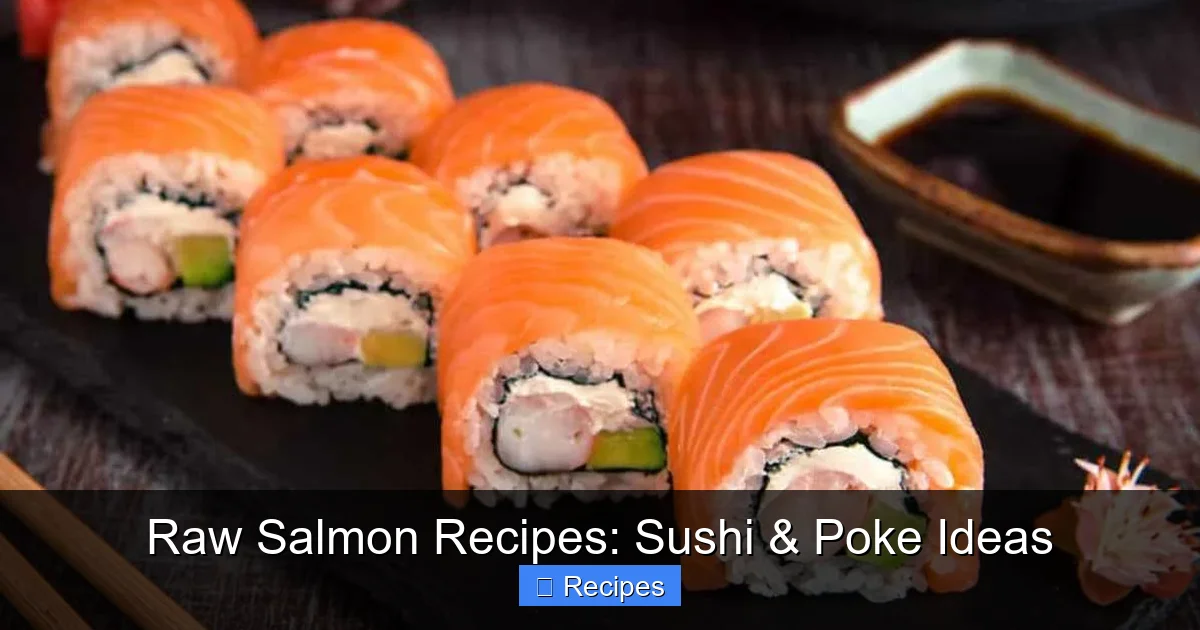
Rolling is a skill that comes with practice. You’ll need a bamboo mat (makisu) and plastic wrap. Place a sheet of nori (seaweed), shiny side down, on the mat. With wet hands, spread a thin, even layer of rice over the nori, leaving the top 1-inch bare. Arrange your fillings in a line across the center. For a classic salmon roll (sake maki), use strips of raw salmon and cucumber. For a richer roll, add avocado. Lift the edge of the mat with your thumbs and roll it over the fillings, applying gentle pressure. Use the mat to shape the roll into a firm cylinder. The key is even pressure and not overstuffing. To slice, dip a very sharp knife in vinegared water between cuts for a clean edge. Serve with soy sauce, wasabi, and pickled ginger.
The World of Poke: Customizable Raw Salmon Bowls
If the structured nature of sushi feels daunting, poke (pronounced poh-kay, meaning “to cut”) is your liberating, creative playground. Originating from Hawaii, poke bowls are deconstructed, flavor-forward, and endlessly adaptable. The base is typically cubed raw fish (the “poke”) tossed in a marinade, served over rice or greens, and topped with an array of textures and flavors. It’s a one-bowl meal that’s healthy, fresh, and spectacularly delicious.
Visual guide about Raw Salmon Recipes: Sushi & Poke Ideas
Image source: ichisushi.com
Curing & Marinating: The Flavor Foundation
While you can simply cube and serve raw salmon, a brief cure or marinade elevates it immensely. A classic soy-mirin marinade combines soy sauce, mirin (sweet rice wine), a touch of sesame oil, and grated ginger or garlic. Let the cubed salmon (1-inch pieces) bathe in this for 15-30 minutes—no longer, or it will start to “cook” the fish. For a tropical twist, try a ponzu-based marinade (citrus-soy sauce) with lime juice and chopped cilantro. Or go for a sesame-ginger glaze with toasted sesame seeds. The acid in citrus-based marinades can slightly firm the fish, which some prefer. Experiment!
Building the Ultimate Poke Bowl
The beauty of poke is the layering. Start with your base: sushi rice is classic, but you can use brown rice, quinoa, or even a bed of mixed greens for a low-carb option. Add your marinated salmon cubes. Then, go wild with toppings. Think in categories: Crunch (cucumber, edamame, crispy fried onions, toasted nuts); Creaminess (avocado, cubed mango); Umami & Salt (ikura, tobiko, chopped nori, crumbled furikake); Fresh Herbs (scallions, cilantro, mint); Heat (thinly sliced jalapeño, a drizzle of spicy mayo or sriracha). Finish with a final drizzle of your chosen sauce and a sprinkle of sesame seeds.
Beyond the Basics: Advanced Techniques & Creative Combinations
Once you’ve mastered nigiri and a basic poke bowl, the horizon expands. You can play with textures, presentations, and global flavor influences.
Textural Play: Cured, Smoked, and Seared
Not all “raw” preparations are truly raw. A quick cure with salt and sugar (like a gravlax) firms the salmon and intensifies flavor. You can also use cold-smoked salmon (lox) for a different, saltier profile in nigiri or bowls. For a hybrid technique, try aburi nigiri: lightly sear the top of your nigiri slice with a kitchen torch for a few seconds. The heat barely cooks the surface, creating a warm, slightly fatty, caramelized top while the center remains cool and raw—a sensational contrast.
Global Flavor Inspirations for Poke
Break from the traditional Hawaiian or Japanese templates. How about a Mediterranean Poke? Marinate salmon in lemon, olive oil, and oregano, then top with chopped cucumber, Kalamata olives, crumbled feta, and a dollop of tzatziki. Or a Mexican-Inspired Poke with a lime-cumin marinade, topped with black beans, corn, pico de gallo, and avocado. The framework is the same—protein + base + toppings—but the flavor profile is entirely new. This is where your creativity can truly run wild.
The Supporting Cast: Sauces, Sides, and Presentation
The right accompaniments can transform your raw salmon dish from great to unforgettable. They add essential layers of flavor and visual appeal.
Essential Condiments & Sauces
Always have high-quality soy sauce (or tamari) and freshly grated wasabi on hand. For a more complex soy, try nikiri: a reduced soy sauce with mirin, sake, and kombu (dried kelp). Spicy mayo (mayo mixed with sriracha or chili oil) is a poke bowl staple. A simple yuzu kosho (citrus-chili paste) or ponzu (citrus-soy) can brighten any dish. For drizzles, have toasted sesame oil and toasted sesame seeds ready. A quick ginger-scallion sauce (finely chopped ginger and scallion in a bit of soy and oil) is a brilliant, fresh topping.
Perfect Sides and Beverage Pairings
Keep sides simple to let the salmon shine. A light cucumber salad (sunomono) with rice vinegar, a small dish of miso soup, or some edamame sprinkled with sea salt are ideal. For a heartier meal, add a small portion of gyoza (dumplings). Beverage pairings should be clean and refreshing. Japanese beers (like Asahi or Sapporo) are classic. For non-alcoholic, try genmaicha (roasted brown rice tea) or a crisp, dry white wine like a Sauvignon Blanc or Albariño. Avoid heavily oaked or tannic drinks that can clash with the delicate fish.
Conclusion: Your Journey with Raw Salmon Starts Now
Creating stunning raw salmon recipes at home is a rewarding adventure that blends a little knowledge with a lot of delicious fun. Remember, the journey begins and ends with the fish. Invest time in finding a trustworthy source for sushi-grade salmon, respect the safety protocols, and treat the ingredient with care. Start with the fundamentals: master the rice for sushi, embrace the customizable bowl for poke. Don’t be afraid to make imperfect rolls—they’ll still taste incredible. As your confidence grows, experiment with marinades, global flavors, and textural contrasts. The world of raw salmon is vast and vibrant, offering a healthier, incredibly flavorful path to memorable meals. So, grab your sharp knife, source that beautiful fillet, and get chopping. Your perfect bowl or platter of fresh, vibrant, homemade raw salmon awaits.
Frequently Asked Questions
Is it safe to eat raw salmon from the grocery store?
Only if it is specifically labeled “sushi-grade” or “sashimi-grade” from a reputable fishmonger or specialty market. Regular supermarket salmon has not been frozen to the required standards to kill parasites and should not be consumed raw.
What is the best type of salmon for sushi and poke?
Wild-caught Pacific salmon (Sockeye, King, Coho) is traditionally favored for its firm texture and lower parasite risk. However, high-quality, sushi-grade farmed Atlantic salmon that has been properly frozen is also excellent, often with a richer, fattier profile.
Do I need special equipment to make sushi at home?
Minimally, you need a very sharp knife and a bamboo sushi mat (makisu) for rolls. A rice cooker is highly recommended for perfect rice. For poke, you really only need a good knife and cutting board. Everything else is customizable based on your recipe.
How long can I store raw salmon after I’ve bought it?
Sushi-grade salmon should be kept extremely cold (on ice if possible) and used within 24 hours for optimal safety and quality. If you cannot use it immediately, it’s best to cook it thoroughly instead of storing it for later raw use.
Can I use frozen salmon for raw recipes?
Yes, but only if it was frozen according to FDA parasite-killing guidelines (-4°F/-20°C for 7 days, or flash-frozen). This is why buying “sushi-grade” frozen salmon from a trusted supplier is a safe and common practice.
What are some good vegetarian substitutes for salmon in poke bowls?
For a similar “meaty” texture, try marinated tofu, tempeh, or king oyster mushrooms. For a pop of “roe,” use capers or seasoned chickpeas. For richness, ripe avocado or mango are fantastic, sweet additions that mimic the buttery feel of salmon.
Pingback: Sushi Rolling Technique - kitchenandhouseware.com
Pingback: Sushi Rolling Technique - kitchenandhouseware.com
Pingback: Can Fish Be Eaten Raw - kitchenandhouseware.com