Transform your pantry staple into delicious, nutritious meals in minutes! Canned salmon is a versatile, protein-packed ingredient perfect for busy cooks. These simple recipes—from salads to hearty chowders—require minimal effort and deliver maximum flavor. Unlock the potential of this underrated hero with our foolproof, chef-tested ideas.
Key Takeaways
- Pantry Powerhouse: Canned salmon is a shelf-stable, affordable source of omega-3s, protein, and calcium (when bones are included), making it a smart nutritional choice.
- Incredibly Versatile: It seamlessly replaces cooked salmon in any recipe, working beautifully in salads, pastas, patties, soups, and bowls for lunch or dinner.
- Speed & Convenience: These recipes are designed for minimal prep and cook time, often coming together in 15-30 minutes—faster than cooking fresh salmon.
- Budget-Friendly: Using canned salmon significantly reduces the cost of salmon dishes, allowing you to enjoy this premium fish regularly without breaking the bank.
- Safety & Quality: The canning process ensures safety and locks in nutrients. Always check cans for dents or bulges, and review our terms and conditions for product guidelines.
- Flavor is Key: Proper seasoning with acids (lemon, vinegar), herbs, and aromatics is essential to brighten the mild, sometimes earthy, canned flavor and create balanced dishes.
- Minimal Waste: These recipes use the entire can, including the nutrient-rich soft bones (if present), ensuring nothing goes to waste and boosting calcium intake.
📑 Table of Contents
- Why Your Pantry Deserves a Canned Salmon Star
- Essential Tools & Pantry Staples for Success
- Recipe 1: The Ultimate 10-Minute Salmon Salad
- Recipe 2: One-Pot Creamy Salmon Pasta
- Recipe 3: Crispy Pan-Fried Salmon Patties (Salmon Cakes)
- Recipe 4: Hearty 20-Minute Salmon Chowder
- Recipe 5: Global-Inspired Salmon Power Bowls
- Smart Storage & Food Safety
- Your Pantry’s New Best Friend
Why Your Pantry Deserves a Canned Salmon Star
Let’s be real: when you think of quick protein, your mind probably jumps to chicken thighs or a can of beans. But what if I told you there’s a superhero in your pantry aisle that’s packed with omega-3 fatty acids, high-quality protein, and even bone-building calcium? I’m talking about the humble, sometimes overlooked, can of salmon. It’s not just for survivalist bunkers or college dorms anymore. Today’s canned salmon is a culinary secret weapon for anyone who wants to eat healthily without spending hours in the kitchen.
The beauty of canned salmon lies in its simplicity. It’s pre-cooked, flaky, and ready to mingle with other ingredients the moment you pop the lid. Unlike its fresh counterpart, there’s no worrying about doneness, no fishy smell lingering in your kitchen, and no hefty price tag. It’s the ultimate equalizer in the world of seafood, bringing the benefits of wild-caught salmon to every weeknight. Whether you’re a busy parent, a student on a budget, or just someone who appreciates a good 20-minute meal, these quick and easy canned salmon recipes will become your new go-to. We’re moving far beyond the basic salmon salad sandwich here, friends. Get ready for creamy pastas, crispy patties, and soul-warming chowders that will have everyone wondering what your magical kitchen secret is.
Nutritional Power in a Can
Don’t let the can fool you. This is not a compromise. The canning process actually preserves the fish’s nutrients remarkably well. A single 3-ounce serving provides a significant dose of selenium, vitamin D, and B vitamins. Most importantly, it’s one of the best food sources of anti-inflammatory omega-3s EPA and DHA. Many brands also include the soft, edible bones, which are an excellent source of calcium—a bonus for bone health. It’s a complete protein, meaning it contains all nine essential amino acids your body needs. For those watching their intake, it’s generally lower in contaminants than some larger, longer-lived fish species. In short, you’re getting a nutritional heavyweight in a convenient, accessible package.
Debunking the “Fishy” Myth
The biggest hesitation people have with canned fish is the flavor. “It tastes too fishy,” they say. The key is in the preparation and pairing. High-quality canned salmon (look for wild-caught, BPA-free cans when possible) has a clean, mild flavor. Its earthiness is easily tamed with bright acids like lemon juice or vinegar, fresh herbs like dill or parsley, and aromatic vegetables like onion and celery. Think of it as a blank canvas. Our recipes are designed to build layers of flavor so that the salmon shines as a savory, umami-rich component rather than the sole star. You might just find you prefer the convenience and texture in certain dishes!
Essential Tools & Pantry Staples for Success
Before we dive into the recipes, let’s set up your station. Having a few basic tools and ingredients on hand will make these canned salmon recipes feel truly effortless. This isn’t about special equipment; it’s about smart preparation.
Visual guide about Quick and Easy Canned Salmon Recipes
Image source: aboutamom.com
Your Minimalist Toolkit
You likely already own everything you need. A good can opener is non-negotiable—consider a side-cutting model to avoid sharp edges. A medium mixing bowl, a sturdy fork for flaking, and a large skillet or saucepan are your primary workhorses. For patties or salmon cakes, a cookie scoop or measuring cup helps portion evenly. A microplane or fine grater is a game-changer for incorporating fresh lemon zest, which adds an incredible amount of brightness. Finally, a set of basic kitchen shears can be handy for quickly mincing herbs or opening stubborn packages.
Building Your Flavor Foundation
These recipes rely on a few key pantry and fridge staples to elevate the canned salmon. Always keep these on hand:
- Acids: Fresh lemons and limes are best, but good-quality vinegar (apple cider, white wine, or rice vinegar) is a reliable backup.
- Aromatics: Yellow onion, garlic, and celery form the flavor base for almost every savory dish.
- Herbs: Dried dill, parsley, and chives are fantastic, but having a pot of fresh herbs on a windowsill takes dishes to the next level.
- Creamy Elements: Mayonnaise, Greek yogurt, or cream cheese add richness and help bind mixtures like salmon salad or patties.
- Crunch & Texture: Toasted nuts (almonds, walnuts), breadcrumbs (Panko for extra crisp), and fresh vegetables like bell peppers or cucumber provide essential contrast to the soft fish.
With your toolkit ready and pantry stocked, you’re minutes away from a stellar meal. For more comprehensive kitchen gear guides, be sure to explore our full resource library, detailed in our terms and conditions section.
Recipe 1: The Ultimate 10-Minute Salmon Salad
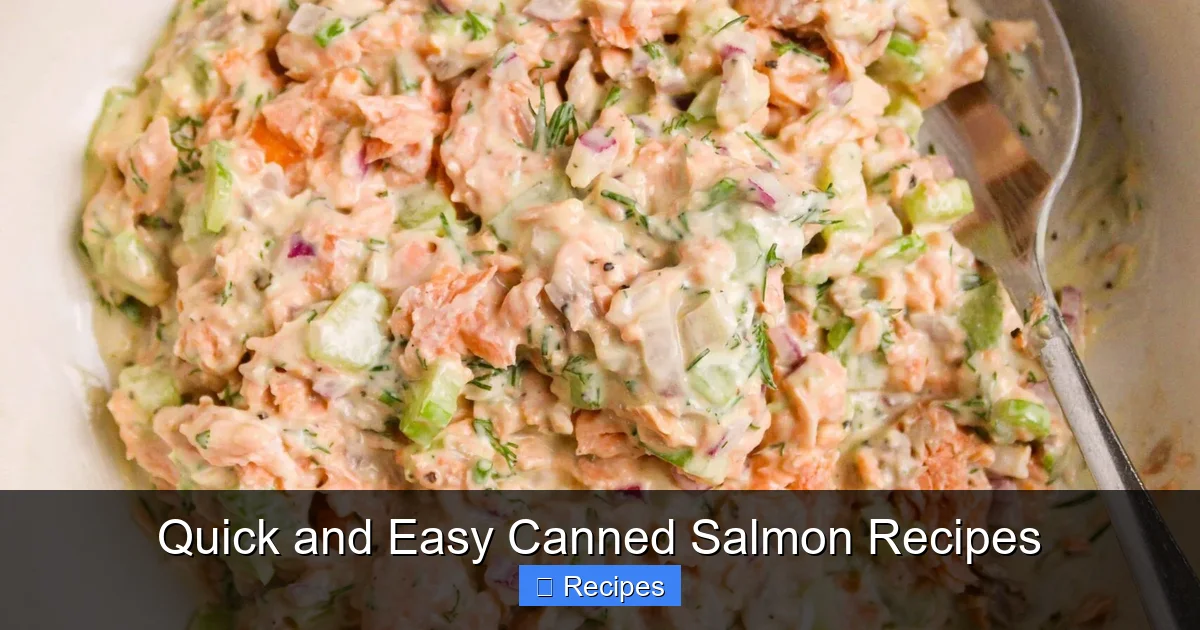
This isn’t your grandmother’s canned salmon salad, though we have immense respect for her version. This is a modern, vibrant, and texture-packed upgrade that works as a sandwich filling, a lettuce cup stuffing, or a cracker topper. It’s the fastest recipe in the book and the ultimate template for customization.
Visual guide about Quick and Easy Canned Salmon Recipes
Image source: i.pinimg.com
Classic Creamy & Crunch
Yield: 2-3 servings | Active Time: 10 minutes
In a medium bowl, flake one 14.75-ounce can of salmon (skin and bones removed, if desired, but they are nutritious!). Add 1/4 cup of finely diced celery, 2 tablespoons of finely diced red onion, and 1 tablespoon of chopped fresh dill or 1 teaspoon of dried dill. For the creamy binder, stir in 1/4 cup of high-quality mayonnaise or for a lighter option, 1/4 cup of plain Greek yogurt. Squeeze in the juice of half a lemon (about 1 tablespoon), add 1 teaspoon of Dijon mustard, and season generously with salt and freshly cracked black pepper. Gently fold everything together until well combined. Taste and adjust—maybe it needs more lemon? More salt? Let it sit for 5 minutes for the flavors to meld, then serve immediately on whole-grain toast, in a croissant, or over a bed of greens.
Avocado Lime Twist
For a dairy-free, ultra-creamy version, replace the mayo/yogurt with 1/2 of a ripe avocado, mashed. Use the same lemon juice but add the zest of one lime for a tropical note. Stir in 1/4 cup of finely chopped red bell pepper for sweetness and color. This version is fantastic served in a jicama or butter lettuce cup for a fresh, low-carb lunch.
Pro Tip: The Dill Dilemma
Fresh dill is ideal, but if you only have dried, crush it between your palms before adding to release the oils. Don’t have dill? Try a teaspoon of chopped fresh tarragon or a 1/2 teaspoon of dried tarragon. The goal is an herbaceous note to cut through the richness.
Recipe 2: One-Pot Creamy Salmon Pasta
Imagine a creamy, comforting pasta dish that feels indulgent but comes together in the time it takes to boil water. This one-pot wonder uses the canned salmon to infuse the sauce with deep, savory flavor, making it taste like you simmered a fish stock for hours. It’s elegant enough for a dinner party but easy enough for a Tuesday.

Visual guide about Quick and Easy Canned Salmon Recipes
Image source: unexpectedlydomestic.com
The Base Method
Yield: 3-4 servings | Active Time: 20 minutes
Bring a large pot of well-salted water to a boil and cook 12 ounces of short pasta (like penne, fusilli, or farfalle) according to package directions. While the pasta cooks, heat 1 tablespoon of olive oil in a large skillet over medium heat. Add 1/2 cup of finely diced onion and cook until softened, about 4 minutes. Stir in 2 minced garlic cloves and cook for 30 seconds until fragrant. Reduce heat to low and add 1 cup of chicken or vegetable broth, 1/2 cup of heavy cream or half-and-half, and the flaked meat from a 14.75-ounce can of salmon. Bring to a very gentle simmer. Once the pasta is al dente, use a ladle to transfer about 1 cup of the starchy pasta water to the skillet, then drain the pasta and add it directly to the sauce. Toss vigorously over low heat for 2-3 minutes until the sauce coats the pasta beautifully. The starch from the pasta water will emulsify the sauce, making it silky and thick. Finish with a big handful of chopped fresh parsley and a crack of black pepper.
Lemon-Dill Variation
For a brighter, spring-like version, swap the heavy cream for an equal amount of full-fat coconut milk. Add the zest of one lemon along with 2 tablespoons of fresh lemon juice to the sauce. Stir in 2 tablespoons of chopped fresh dill at the very end. This pairs wonderfully with a sprinkle of red pepper flakes.
Common Pitfall: Overcooking the Salmon
Since the salmon is already cooked, you’re just warming it through. Adding it to the sauce at the end and tossing quickly prevents it from becoming tough or falling apart into tiny bits. Keep the heat low and move fast during the final toss.
Recipe 3: Crispy Pan-Fried Salmon Patties (Salmon Cakes)
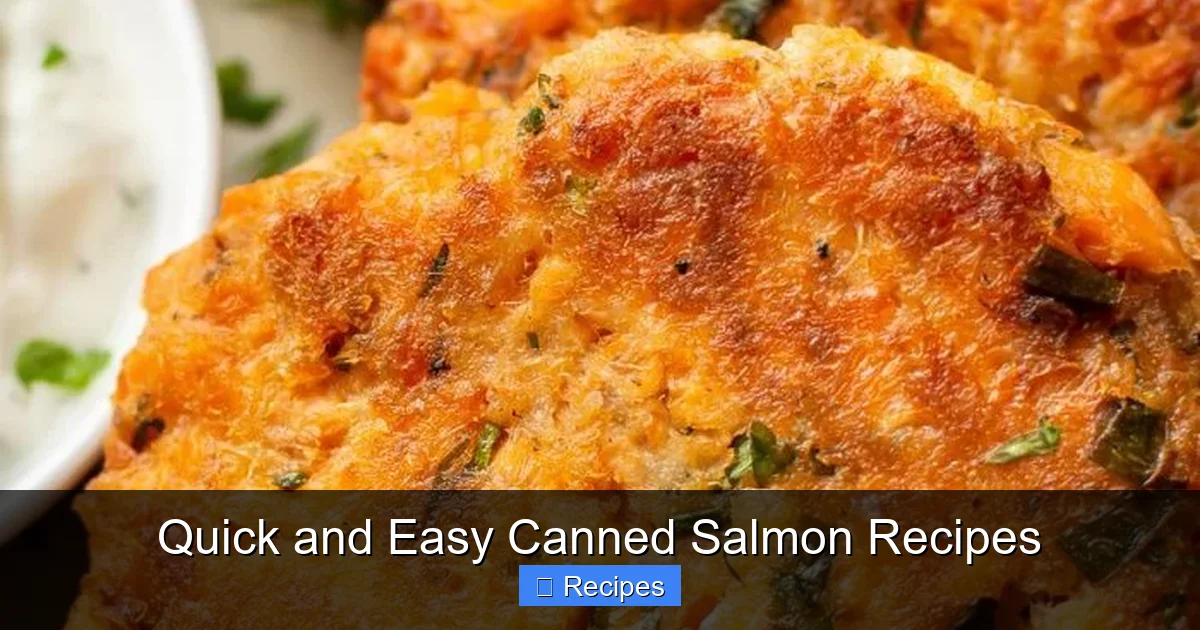
These are the ultimate crowd-pleaser. Crispy on the outside, tender and flaky on the inside, and packed with flavor. They’re perfect as a main course with a simple salad, as a burger substitute, or even as a fancy appetizer with a dollop of sour cream. The secret to patties that hold together is in the binding ratio and proper chilling.
The Binding Blueprint
Yield: 4-5 patties | Active Time: 25 minutes (+ 30 minutes chilling)
In a large bowl, combine 2 cans (14.75 oz each) of flaked salmon, skin and bones removed. Add 1/2 cup of fine panko breadcrumbs (they get crispier than regular breadcrumbs), 1/4 cup of finely chopped red bell pepper, 1/4 cup of finely chopped cilantro or parsley, 1 finely diced green onion, 1 large egg, 1 tablespoon of Dijon mustard, 1 tablespoon of Worcestershire sauce (optional but adds depth), and the juice of one lime. Season with 1/2 teaspoon of smoked paprika, 1/4 teaspoon of garlic powder, and salt and pepper. Mix gently but thoroughly until all ingredients are incorporated. The mixture should be moist but hold its shape when pressed. If it’s too wet, add another tablespoon of breadcrumbs. Form into 4-5 evenly sized patties, about 3/4-inch thick. Place on a parchment-lined plate, cover, and refrigerate for at least 30 minutes. This is crucial—it firms up the mixture and prevents breakage.
Heat 2 tablespoons of oil (a mix of olive and vegetable works well) in a large non-stick or cast-iron skillet over medium-high heat. Pan-fry the patties for 4-5 minutes per side, until deeply golden brown and crispy. Do not overcrowd the pan. Transfer to a paper towel-lined plate to drain briefly. Serve immediately with a simple sauce (see below).
Essential Dipping Sauces
- Lemon-Herb Aioli: Mix 1/2 cup mayo, 1 minced garlic clove, 1 tablespoon lemon juice, 1 tablespoon chopped dill, salt, and pepper.
- Spicy Sweet Chili Sauce: Use store-bought or mix equal parts sweet chili sauce and lime juice with a pinch of red pepper flakes.
- Classic Tartar Sauce: Combine mayo, chopped dill pickles or cornichons, a bit of their juice, and a dash of paprika.
Pro Tip: The Panko Advantage
Panko breadcrumbs are larger and flakier than standard breadcrumbs. They create a shatteringly crisp crust that doesn’t get soggy as quickly. If you only have regular breadcrumbs, toast them in a dry pan for a few minutes first to dry them out and add a nutty flavor.
Recipe 4: Hearty 20-Minute Salmon Chowder
Chowder is the ultimate comfort food, but traditional versions can be heavy and time-consuming. This version is a lighter, quicker take that still delivers all the creamy, potato-y, seafood satisfaction. Using canned salmon means you get that classic chowder flavor without the 45-minute simmer. It’s a perfect meal to warm you up on a chilly evening.
Quick Stovetop Method
Yield: 4 servings | Active Time: 20 minutes
In a large Dutch oven or heavy pot, heat 1 tablespoon of bacon fat or olive oil over medium heat. Add 1 diced yellow onion and 2 diced celery ribs; cook until softened, about 5 minutes. Stir in 2 minced garlic cloves and cook for 1 minute. Add 4 cups of chicken or vegetable broth, 2 cups of diced Yukon Gold potatoes (about 1/2-inch cubes), and 1 cup of diced carrots. Bring to a boil, then reduce heat to a simmer. Cover and cook for 10-12 minutes, until the potatoes are just tender. Gently stir in 1 can (14.75 oz) of flaked salmon, being careful not to break it up too much. Reduce heat to low. In a small bowl, whisk 1 cup of heavy cream or whole milk with 2 tablespoons of cornstarch until smooth. Slowly pour this slurry into the pot while stirring constantly. Simmer gently for 3-5 minutes, stirring occasionally, until the chowder has thickened. Stir in 1 cup of fresh or frozen corn kernels and heat through. Finish with 2 tablespoons of chopped fresh thyme, salt, and plenty of black pepper. Ladle into bowls and serve with oyster crackers or crusty bread.
Dairy-Free & Lighter Option
For a dairy-free version, omit the cream slurry. Instead, stir in a 14-ounce can of full-fat coconut milk after the potatoes are cooked. Let it heat through gently (do not boil). The coconut milk adds richness with a slightly different, but still delicious, flavor profile. You could also use a cashew cream for a more neutral taste.
Don’t Skip the Bacon Fat
If you can, use bacon fat to sauté the aromatics. It adds a profound, smoky, savory depth that mimics the traditional clam chowder base. If you don’t have it, use olive oil and add 1/4 teaspoon of smoked paprika to the onions as they cook for a similar effect.
Recipe 5: Global-Inspired Salmon Power Bowls
Bowl meals are the perfect vehicle for canned salmon recipes because they are infinitely customizable, balanced, and visually stunning. The canned salmon becomes the protein anchor around which you build your flavor adventure. Here are two wildly different, equally delicious, templates.
Mediterranean-Style Bowl
Base: 1 cup cooked quinoa or couscous.
Salmon Prep: Flake one can of salmon. Toss with 1 tablespoon of lemon juice, 1 teaspoon of dried oregano, 1/4 cup of chopped cucumber, 1/4 cup of chopped Kalamata olives, and 2 tablespoons of crumbled feta cheese.
Assembly: Start with the warm grain base. Top with the lemon-oregano salmon mixture. Add a scoop of plain Greek yogurt (as a tzatziki substitute), roasted cherry tomatoes, thinly sliced red onion, and a handful of baby spinach or arugula. Drizzle with extra virgin olive oil and a squeeze of lemon. Garnish with fresh dill.
Asian-Inspired Ginger-Sesame Bowl
Base: 1 cup cooked brown rice or soba noodles.
Salmon Prep: In a bowl, mix flaked salmon from one can with 1 tablespoon of soy sauce (or tamari), 1 teaspoon of toasted sesame oil, 1 teaspoon of grated ginger, 1 teaspoon of rice vinegar, and 1 teaspoon of honey or maple syrup. Stir in 2 tablespoons of finely chopped scallions and 1 tablespoon of toasted sesame seeds.
Assembly: Place the rice in a bowl. Top with the ginger-sesame salmon. Add quick-pickled cucumbers (thinly sliced cucumber tossed in 1 tbsp rice vinegar, 1 tsp sugar, pinch of salt), shredded carrots, a handful of edamame, and a soft-boiled or jammy egg. Garnish with more scallions, sesame seeds, and a drizzle of sriracha mayo (mix mayo and sriracha to taste).
Pro Tip: The Power of the Jammy Egg
A jammy soft-boiled egg (6-7 minutes in boiling water, then ice bath) adds a rich, creamy, savory element to any bowl. It’s a simple make-ahead component that elevates the entire meal. Peel and store in the fridge for up to 3 days.
Smart Storage & Food Safety
Understanding how to handle canned salmon properly ensures your meals are always safe and tasting their best. The rules are simple but important.
Before Opening: The Visual Check
Always inspect your can before opening. Do not use any can that is severely dented (especially on the seams), bulging, rusted, or leaking. These are signs of potential compromise and possible botulism risk, which is extremely rare but serious. A slight dent on the body is usually okay, but when in doubt, throw it out. Store unopened cans in a cool, dry place like a pantry. For optimal flavor and nutrient retention, use within 3-5 years of purchase, though they remain safe indefinitely if the can is intact. Always refer to the manufacturer’s “best by” date on the can.
After Opening: The 3-Day Rule
Once you pop the lid, treat canned salmon like any other perishable cooked food. Transfer the contents to an airtight glass or plastic container—do not store it in the opened metal can, as the metal can leach a metallic taste. Refrigerate promptly. The USDA recommends consuming opened canned salmon within 3-5 days for best quality and safety. If you don’t plan to use it within that window, you can freeze it! Portion it into freezer-safe bags or containers, label with the date, and use within 2-3 months. Thaw in the refrigerator overnight. The texture may become slightly more crumbly after freezing, making it perfect for salmon salad, patties, or pasta sauces where it will be mixed in.
Understanding the Bones
Many popular brands (like Bumble Bee, Chicken of the Sea) include the soft, edible bones. They are completely safe to eat and are a fantastic source of calcium. They have a soft, chalky texture that breaks apart easily when flaked with a fork. If the texture bothers you, simply pick them out while flaking—it only takes a few seconds. But consider embracing them for the nutritional boost! Our product guidelines and storage tips are detailed in our terms and conditions document for your reference.
Your Pantry’s New Best Friend
We’ve covered a lot of ground, from the undeniable nutritional benefits to the sheer convenience of having a quick and easy canned salmon recipe in your back pocket. The takeaway is clear: this ingredient is not a last resort; it’s a first choice for smart, healthy cooking. It democratizes access to omega-3s and high-quality protein, fitting seamlessly into any budget and schedule. By mastering a few simple techniques—proper flaking, smart seasoning with acids and herbs, and understanding binding for patties—you unlock a universe of meals.
These recipes are your launchpad. Once you make the creamy pasta or the crispy patties, you’ll start to see possibilities everywhere. Toss it into a morning omelet. Blend it into a salmon spread for a party platter. Stir it into a fried rice. The flexibility is unparalleled. So, next time you’re staring at an empty fridge at 6 PM, don’t despair. Reach for that can, channel your inner quick chef, and serve up something truly special. Your future self—the one who just enjoyed a delicious, healthy meal in under 30 minutes—will thank you. Happy cooking!
Frequently Asked Questions
Is canned salmon as healthy as fresh salmon?
Yes, absolutely. The canning process preserves the omega-3 fatty acids, protein, and key vitamins and minerals like selenium and vitamin D very effectively. In fact, the edible bones in many brands provide a calcium bonus you don’t always get with fresh fillets. It’s a nutritionally equivalent, often more affordable, and more convenient option.
How do I choose a good brand of canned salmon?
Look for brands that specify “wild-caught” and “BPA-free lining” if possible. Pink salmon is more common and milder, while sockeye (red) salmon has a richer flavor and deeper color. Check the can for any dents, bulges, or rust. Trusted national brands like Bumble Bee, Chicken of the Sea, and Wild Planet are widely available and reliable.
Can I eat the little bones in canned salmon?
Yes! The bones in canned salmon are soft and fully edible. They have been softened during the canning process and are an excellent source of calcium. They are perfectly safe and nutritious. If you dislike the texture, you can easily pick them out while flaking the fish, but you’ll be missing out on a key nutrient.
How long does canned salmon last once opened?
After opening, transfer the salmon to an airtight container and refrigerate it promptly. It will stay fresh and safe to eat for 3-5 days. For longer storage, you can freeze it in an airtight container or freezer bag for up to 2-3 months. Thaw in the refrigerator before using, noting that the texture may become more crumbly, which is ideal for salads and patties.
What’s the best way to flake canned salmon?
Open the can and drain any excess liquid (you can save this for soups or stocks). Dump the contents into a mixing bowl. Use a fork to gently separate the large chunks and break them down to your desired size. For salads or patties, you’ll want smaller, even flakes. For chowder or pasta, you can leave them in larger, chunkier pieces. Be gentle to avoid turning it into mush.
Are these canned salmon recipes good for meal prep?
Many of them are excellent for meal prep! The salmon salad, salmon patties (cooked), and the ginger-sesame salmon mixture can all be made 2-3 days ahead and stored in the fridge. Assemble bowls or pack salads for easy grab-and-go lunches. The cooked patties also freeze well; layer between parchment paper in an airtight container and reheat in a skillet or oven.
