Prime Rib Roast Cook Time
Home & Kitchen Writer at Kitchen and Houseware · Home Economics & Culinary Arts Certificate · 6+ years testing everyday cookware, kitchen storage solutions, and practical home organization routines
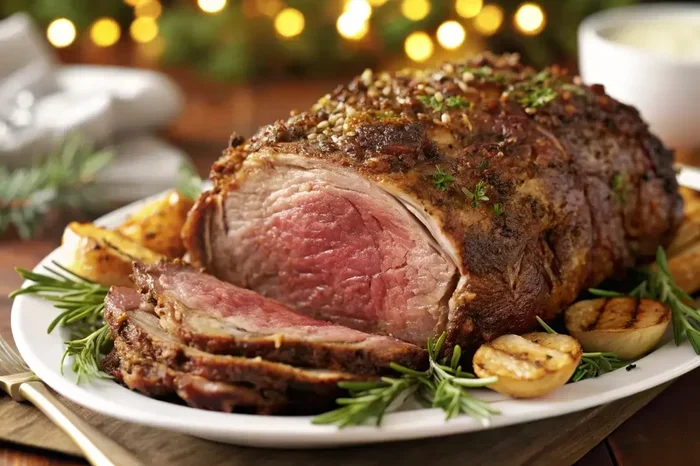
Knowing the right prime rib roast cook time is the key to serving a perfectly juicy and flavorful centerpiece. This guide breaks down simple timing charts, temperature settings, and easy tricks so you can cook with confidence.
Key Takeaways
- Prime rib roast cook time depends on weight: A general rule is 15 to 17 minutes per pound at 325°F for a great result.
- Internal temperature matters most: Aim for 120°F for rare, 130°F for medium-rare, and 140°F for medium doneness.
- Resting is essential: Let the roast rest for 15 to 20 minutes after cooking so juices redistribute evenly.
- Searing first adds flavor: A quick sear at high heat creates a delicious crust before slow roasting.
- Use a meat thermometer: Guessing leads to dry meat, so always rely on a thermometer for accuracy.
- Low and slow works best: Cooking at 325°F gives tender results, while higher temps can dry the roast.
📑 Table of Contents
- Prime Rib Roast Cook Time Made Simple
- How Long to Cook Prime Rib Roast by Weight
- Best Oven Temperature for Prime Rib
- Prime Rib Cook Time for Different Doneness Levels
- Step-by-Step Guide to Cooking Prime Rib
- Common Prime Rib Cooking Mistakes
- Quick Tips for Perfect Prime Rib Every Time
- Expert Insights on Prime Rib Timing
- Prime Rib Cook Time Compared to Other Roasts
- Conclusion
Prime Rib Roast Cook Time Made Simple
Cooking a prime rib roast feels intimidating the first time. You stand over the oven, wondering if it will come out dry or perfect. The good news is that getting the prime rib roast cook time right is easier than most people think.
A few basic rules make all the difference. You need to know the weight of your roast, the right oven temperature, and the target internal temperature. Once you have those details, you can cook a show-stopping roast every single time.
This guide walks you through everything step by step. We cover timing charts, temperature choices, resting times, and common mistakes. By the end, you will feel ready to tackle this classic dish with confidence.
How Long to Cook Prime Rib Roast by Weight
The prime rib roast cook time mainly depends on how heavy your roast is. Heavier roasts need more time, but the relationship is pretty straightforward. Below is a simple chart you can follow.
Prime Rib Roast Timing Chart
| Roast Weight | Cook Time at 325°F | Internal Temp for Medium-Rare |
|---|---|---|
| 2-3 lbs | 45-60 minutes | 120-130°F |
| 3-4 lbs | 1 to 1.5 hours | 120-130°F |
| 4-5 lbs | 1.5 to 2 hours | 120-130°F |
| 5-7 lbs | 2 to 2.5 hours | 120-130°F |
| 7-10 lbs | 2.5 to 3.5 hours | 120-130°F |
These times work for a standard bone-in prime rib roast cooked at 325°F. Boneless roasts may cook slightly faster, so keep an eye on the internal temperature. Always use a meat thermometer instead of guessing by time alone.
Best Oven Temperature for Prime Rib
Choosing the right oven temperature shapes both the cook time and the final texture. Most home cooks get the best results at 325°F. This moderate heat cooks the roast evenly without drying out the outer edges.
Low and Slow at 250°F
Some cooks prefer a low-temperature method. Roasting at 250°F takes longer but produces extremely tender meat. You will need to add about 20 to 25 percent more time. This approach works great if you want to set it and forget it.
Starting High at 450°F
Another popular method starts with a high-heat sear. You roast at 450°F for the first 15 to 20 minutes, then drop the temperature to 325°F. This creates a beautiful brown crust early on. It also shortens the overall time slightly. Many home cooks swear by this technique for holiday dinners.
Prime Rib Cook Time for Different Doneness Levels
Doneness depends on the internal temperature, not just the clock. Pulling the roast out at the right moment makes the difference between juicy and dry. Here is a quick reference for prime rib roast cook time and temperature goals.
Temperature Guide by Doneness
- Rare: 115-120°F internal, pull from oven at about 105°F
- Medium-Rare: 125-130°F internal, pull from oven at about 120°F
- Medium: 135-145°F internal, pull from oven at about 130°F
- Medium-Well: 145-155°F internal, pull from oven at about 145°F
Remember that the roast continues cooking after you take it out. This is called carryover cooking. The temperature will rise another 5 to 10 degrees while it rests. So pulling it out a little early saves you from overcooking.
Step-by-Step Guide to Cooking Prime Rib
Follow these steps for a foolproof roast. Each step builds on the last to give you the best result.
Step 1: Prepare the Roast
Take the roast out of the fridge about one hour before cooking. Let it come to room temperature. This helps it cook more evenly. Pat it dry with paper towels and season generously with salt, pepper, and garlic.
Step 2: Sear the Roast
Preheat your oven to 450°F. Place the roast on a rack in a roasting pan. Sear it for 15 to 20 minutes until the outside turns golden brown. This step locks in flavor and sets up a great crust.
Step 3: Lower the Heat and Roast
Drop the oven temperature to 325°F. Continue roasting based on the timing chart above. Insert a meat thermometer into the thickest part of the roast. Check the temperature often toward the end.
Step 4: Rest the Roast
Remove the roast from the oven when it is about 5 to 10 degrees below your target temperature. Tent it loosely with foil. Let it rest for 15 to 20 minutes. The juices will settle, and the roast will be much easier to slice.
Common Prime Rib Cooking Mistakes
Even experienced cooks make mistakes with prime rib. Avoiding these pitfalls helps you nail the prime rib roast cook time every time.
Mistake 1: Skipping the Rest
Some people want to slice immediately. This releases all the juices onto the cutting board. A proper rest makes the meat noticeably juicier. Give it at least 15 minutes before cutting.
Mistake 2: Cooking Straight from the Fridge
A cold roast takes longer to cook evenly. The outside can overcook while the inside catches up. Letting it warm up first saves time and improves results.
Mistake 3: Guessing Doneness
Timing charts are helpful but not perfect. Every oven runs slightly different. A meat thermometer removes the guesswork. It is the single most important tool for success.
Mistake 4: Opening the Oven Too Often
Checking on the roast constantly lets heat escape. This adds time and uneven cooking. Limit oven openings to temperature checks near the end of cooking.
Quick Tips for Perfect Prime Rib Every Time
These small tips add up to a much better roast. Keep them in mind for your next cooking session.
- Buy a bone-in roast: The bone adds flavor and protects the meat from drying out.
- Season ahead: Rub salt into the roast the night before for deeper flavor.
- Use a roasting rack: It allows heat to circulate evenly around the roast.
- Save the drippings: They make an incredible gravy or sauce.
- Slice against the grain: This keeps each slice tender and easy to chew.
Expert Insights on Prime Rib Timing
Professional chefs often share a simple rule for prime rib roast cook time. They say to plan for about 15 minutes per pound at 325°F for medium-rare. This works as a reliable baseline for most home kitchens.
Chefs also recommend tying the roast with kitchen twine if it has irregular edges. This creates a uniform shape that cooks evenly. A uniform roast avoids the problem of thin parts drying out while thick parts finish cooking.
Another chef trick is to place a few sprigs of fresh rosemary and thyme under the roast. The herbs infuse the meat with subtle flavor during cooking. You can remove them before serving.
Prime Rib Cook Time Compared to Other Roasts
Different roasts need different approaches. Understanding how prime rib compares helps you plan your kitchen schedule better.
| Roast Type | Weight | Cook Time | Temperature |
|---|---|---|---|
| Prime Rib | 4-5 lbs | 1.5 to 2 hours | 325°F |
| Beef Chuck Roast | 3-4 lbs | 2.5 to 3.5 hours | 300°F |
| Filet Mignon | 1-2 lbs | 20 to 30 minutes | 400°F |
| Standing Rib Roast | 6-8 lbs | 2.5 to 3 hours | 325°F |
As you can see, prime rib falls in the middle for cooking time. It does not take as long as a chuck roast, which needs low heat for breaking down connective tissue. But it takes longer than a thin filet. Plan your oven schedule accordingly when serving multiple dishes.
Conclusion
Mastering the prime rib roast cook time takes a little planning and a meat thermometer. Follow the timing chart, choose the right temperature, and give the roast time to rest. Avoid the common mistakes that trip up even experienced cooks.
With these tips, your prime rib will be tender, juicy, and full of flavor. You do not need to be a professional chef to serve a perfect roast. Start with these guidelines and adjust based on your own kitchen experience. Soon, cooking prime rib will feel like second nature.
Frequently Asked Questions
How long to cook prime rib roast at 350°F?
At 350°F, plan for roughly 16 to 18 minutes per pound for medium-rare. A 4-pound roast takes about 1 hour and 45 minutes. Always check the internal temperature with a thermometer.
Do I need to sear prime rib before roasting?
Searing is not required but highly recommended. A quick sear at 450°F creates a flavorful crust. It also shortens the overall cook time slightly. Many cooks find it worth the extra step.
How long should prime rib rest after cooking?
Let the roast rest for 15 to 20 minutes under a loose foil tent. This allows the juices to redistribute throughout the meat. Cutting too early causes juices to run out and leaves the roast drier.
What is the best temperature for a juicy prime rib?
Cook to an internal temperature of 120°F for rare or 130°F for medium-rare. Pull the roast out about 5 to 10 degrees early because carryover cooking will raise the temperature further. This method gives the juiciest result.
Can I cook prime rib the day before serving?
Yes, you can cook it a day ahead and refrigerate it. Slice the roast, then reheat gently in the oven at 250°F. Add a splash of beef broth to keep it moist. This method actually lets the flavors develop more.
How do I know when prime rib is done without a thermometer?
A thermometer is the most reliable tool. Without one, press the roast firmly. It should feel firm but still have some give for medium-rare. The juices should run pink, not clear. This method is less precise but works in a pinch.