Opening a pressure cooker doesn’t have to be a gamble. Follow these simple, safety‑first steps to release steam, unlock the lid, and serve your meal without burns or mess. Whether you’re a beginner or a seasoned cook, this guide covers everything you need to know.
Key Takeaways
- Safety first: Always check the pressure release valve and let steam escape before touching the lid.
- Know your cooker: Different models ( stovetop, electric, modern vs. vintage) have unique release mechanisms.
- Cool‑down matters: Allow the cooker to depressurize naturally when time permits for best results.
- Never force the lid: If it won’t open, keep the cooker off the heat and double‑check the valve.
- Maintenance tips: Clean the gasket and valve regularly to ensure smooth opening every time.
- Emergency release: Learn the quick‑release method for when you need food fast or something goes wrong.
- Practice makes perfect: A few trial runs with water will build confidence and keep you safe.
📑 Table of Contents
- Introduction: Why Opening a Pressure Cooker Correctly Is Crucial
- 1. Understanding How a Pressure Cooker Works
- 2. Preparing to Open: Safety First
- 3. Step‑by‑Step Guide: How to Open a Pressure Cooker
- 4. Practical Tips for Everyday Use
- 5. Maintaining Your Pressure Cooker for Easy Opening
- Conclusion: Mastering the Art of Opening a Pressure Cooker
Introduction: Why Opening a Pressure Cooker Correctly Is Crucial
Pressure cookers are fantastic kitchen helpers. They cut cooking time, lock in flavor, and keep nutrients intact. But the moment the timer dings, many people pause, unsure of the safest way to open the pot. A rushed or improper opening can lead to scalding steam, a blown gasket, or even a ruined dish.
This article walks you through the entire process of how to open a pressure cooker with confidence. We’ll cover the science behind pressure, the different types of release methods, step‑by‑step instructions, common problems, and maintenance tricks that keep your cooker humming for years.
1. Understanding How a Pressure Cooker Works
1.1 The Basics of Pressure Cooking
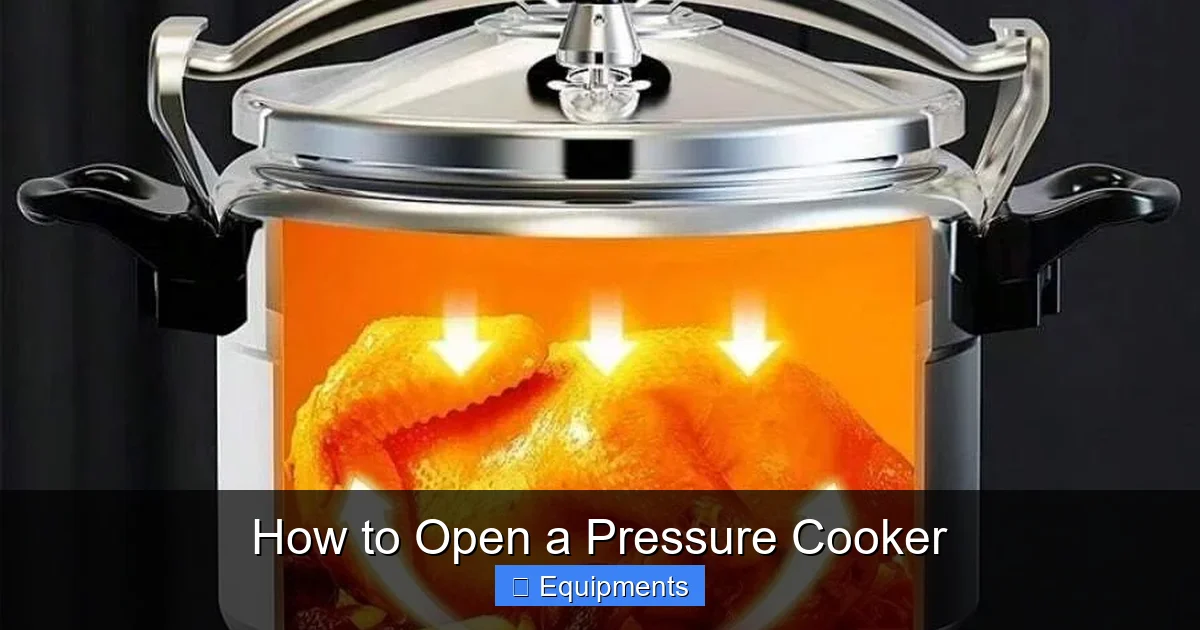
Inside a sealed pot, water turns into steam. Because the steam can’t escape, pressure builds up. Higher pressure raises the boiling point of water to about 120 °C (250 °F), cooking food faster. The cooker’s safety valve, gasket, and locking lid keep that pressure contained until you’re ready to release it.
Visual guide about How to Open a Pressure Cooker
Image source: img.ltwebstatic.com
1.2 Key Parts That Affect Opening
- Gasket (seal ring): A rubber or silicone ring that creates an airtight seal.
- Pressure regulator/valve: Releases excess steam to maintain a safe pressure level.
- Locking mechanism: Prevents the lid from being removed while pressure remains.
- Quick‑release button (electric models): Opens the valve instantly at the push of a button.
1.3 Safety Features You Should Know
Modern cookers come with multiple safety layers: a pressure indicator, a secondary safety valve, and a lid‑unlock interlock. Knowing what each does helps you troubleshoot if the lid won’t budge.
2. Preparing to Open: Safety First
2.1 Turn Off the Heat
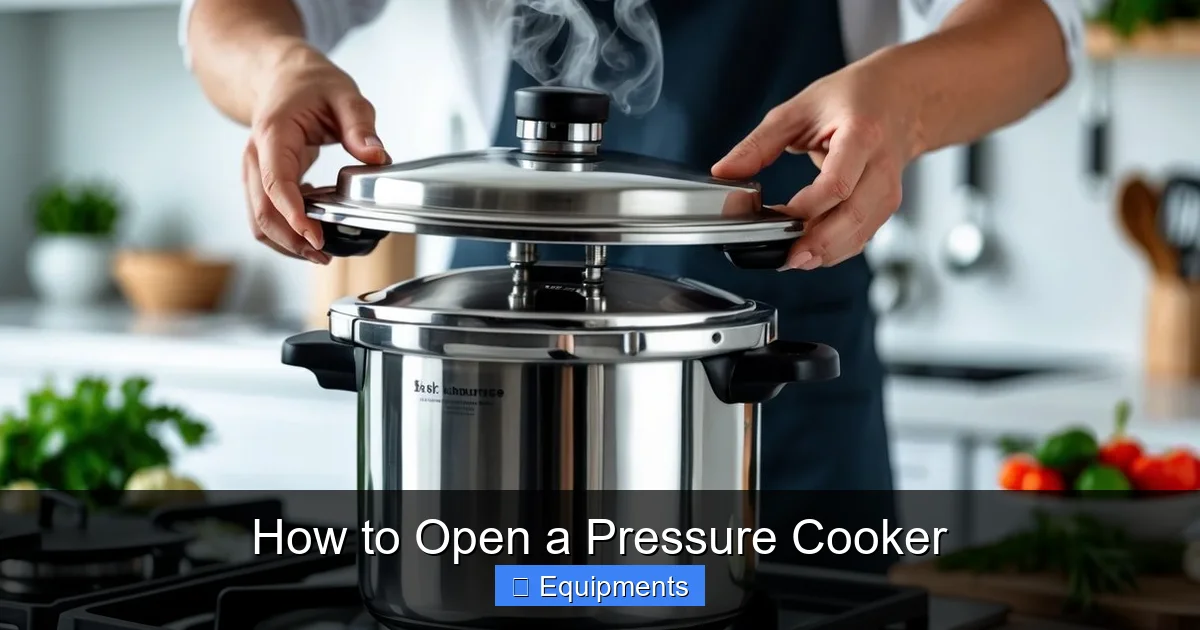
Immediately after cooking, switch off the burner or unplug the electric unit. Leaving the heat on while you try to open the lid can cause a sudden surge of steam.
Visual guide about How to Open a Pressure Cooker
Image source: koala.sh
2.2 Keep Hands Clear of the Valve
The valve releases hot steam at temperatures over 200 °F. Use a kitchen towel or oven mitt to protect your fingers.
2.3 Check the Pressure Indicator
Most stovetop models have a small metal pin that rises when pressure is present. Wait until the pin drops before proceeding.
2.4 Choose the Right Release Method
There are three main ways to release pressure:
- Natural Release (NR): Let the cooker sit; pressure drops on its own.
- Quick Release (QR): Open the valve to let steam escape rapidly.
- Cold‑Water Release (CWR): Run cold water over the cooker’s body (stovetop only) to speed up NR.
3. Step‑by‑Step Guide: How to Open a Pressure Cooker
3.1 Identify Your Cooker Type
Before you start, know whether you have a stovetop, electric, or multicooker. The steps differ slightly, especially for the release button.
Visual guide about How to Open a Pressure Cooker
Image source: static.vecteezy.com
3.2 Stovetop Pressure Cookers
- Turn off the burner. Move the pot off the heat source.
- Allow natural release (if time permits). This may take 10‑15 minutes for larger batches.
- If you need food fast, use quick release. Locate the pressure regulator (usually a small knob or lever on the lid).
- Place a wooden spoon or heat‑proof utensil over the valve. This prevents steam from blasting out.
- Turn the regulator clockwise (or push the button) to open. Steam will hiss out; keep your face and hands to the side.
- Watch the pressure indicator. When the pin drops, the pressure is low enough to unlock.
- Unlock the lid. Most lids have a turn‑to‑unlock lever; rotate it counter‑clockwise.
- Lift the lid away from you. Open it slowly to let any remaining steam escape.
3.3 Electric Pressure Cookers (e.g., Instant Pot)
- Press “Cancel” or “Off”. The unit will stop heating.
- Check the “Pressure” indicator. It glows while pressure remains.
- Choose the release method on the control panel:
- “Natural Release” – just wait.
- “Quick Release” – press the steam release handle.
- When the indicator turns off, rotate the lid lock. Most electric models have a small knob or lever that turns ¼ turn.
- Open the lid away from you. A slight hiss may occur; stay cautious.
3.4 Multicookers with Both Functions
Multicookers combine stovetop and electric features. Follow the manufacturer’s guide, but the core steps remain: depressurize, unlock, then lift.
3.5 Troubleshooting: What If the Lid Won’t Open?
- Steam still inside? Wait an extra 5‑10 minutes; the pressure may be lingering.
- Gasket is misaligned? Gently press the gasket back into place and try again.
- Locking mechanism stuck? Tap the lock lightly with a wooden spoon to free it.
- Persistent pressure indicator? Turn the cooker upside down briefly; sometimes the sensor resets.
4. Practical Tips for Everyday Use
4.1 Test Your Cooker With Water
Before cooking a big batch, fill the pot with 2 cups of water, seal, and bring to pressure. Then practice the release steps. This “dry run” builds confidence and checks that the gasket and valve work.
4.2 Keep the Gasket Clean
Food particles can cause the lid to stick. After each use, wash the gasket with warm, soapy water, rinse well, and dry completely.
4.3 Store the Cooker Properly
Leave the lid slightly ajar when storing to prevent the gasket from flattening.
4.4 Use the Right Amount of Liquid
Too little liquid means the cooker may not build enough steam, leaving the valve closed and the lid locked. Follow the recipe’s minimum liquid requirement (usually 1‑1.5 cups).
4.5 Avoid Overfilling
Most cookers have a “max fill” line (usually 2/3 full). Overfilling can block the vent, causing excess pressure and a stubborn lid.
5. Maintaining Your Pressure Cooker for Easy Opening
5.1 Inspect the Gasket Regularly
Look for cracks, hardening, or discoloration. Replace the gasket every 12‑18 months, or sooner if you notice leaks.
5.2 Clean the Valve and Regulator
Remove any food residue that may block steam flow. A small brush or toothpick works well.
5.3 Lubricate the Locking Mechanism
Occasionally wipe the lock with a dab of food‑grade silicone spray. This keeps the metal moving smoothly.
5.4 Check for Warped Lids
If the lid doesn’t sit flat, it may be warped from repeated high‑heat cycles. A warped lid can prevent a proper seal and make opening unpredictable.
Conclusion: Mastering the Art of Opening a Pressure Cooker
Knowing how to open a pressure cooker safely is as important as knowing how to use it. By respecting the pressure, following the step‑by‑step release methods, and keeping your equipment in good shape, you’ll avoid burns, save time, and enjoy perfectly cooked meals every time. Practice with water, stay calm, and always let the steam speak before you lift the lid. Happy cooking!
Frequently Asked Questions
Can I open a pressure cooker while it’s still under pressure?
No. Opening a pressurized cooker can cause hot steam to blast out, leading to burns. Always release pressure first using natural or quick release.
What’s the difference between natural release and quick release?
Natural release lets the cooker depressurize on its own, which is gentle and preserves texture. Quick release opens the valve to let steam escape rapidly, useful when you need food fast.
My pressure cooker’s lid won’t unlock even after the steam stops. What should I do?
Give it a few more minutes, check that the pressure indicator has dropped, and make sure the valve is fully open. If it still won’t budge, gently tap the lock with a wooden spoon.
Is it safe to run cold water over a stovetop pressure cooker to speed up cooling?
Yes, but only if the cooker is on a sturdy, heat‑resistant surface. Direct water on the handle or electric parts can cause damage.
How often should I replace the gasket?
Replace the gasket every 12‑18 months, or sooner if you see cracks, hard spots, or if steam leaks during cooking.
Can I use a pressure cooker to can foods?
Only pressure canners are approved for canning low‑acid foods. Regular stovetop or electric pressure cookers are not designed for safe home canning.