Pork Loin Temperature When Done
Home & Kitchen Writer at Kitchen and Houseware · Home Economics & Culinary Arts Certificate · 6+ years testing everyday cookware, kitchen storage solutions, and practical home organization routines
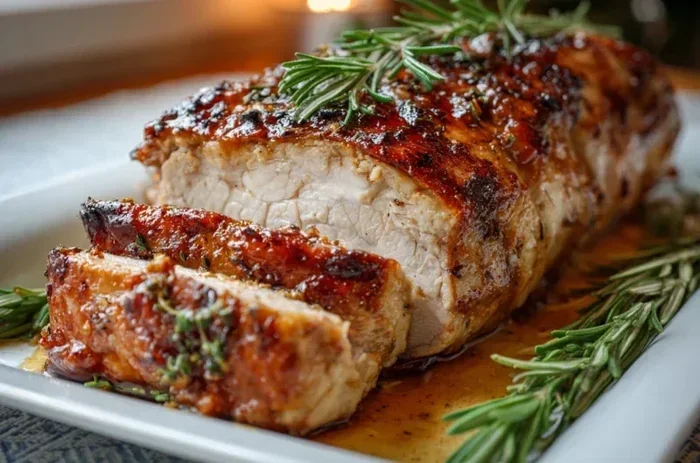
The pork loin temperature when done is the key to perfectly cooked, juicy pork every time. The USDA recommends cooking pork loin to an internal temperature of 145°F with a three-minute rest for safe eating. This guide covers everything you need to know about achieving the right pork loin temperature when done, from oven settings to resting times and common mistakes to avoid.
There is nothing quite like a perfectly cooked pork loin. It is juicy, tender, and full of flavor. But getting to that perfect point takes a little know-how. The pork loin temperature when done is the single most important factor in whether your roast turns out dry or delicious. Many home cooks struggle with this cut because it can go from perfectly pink to overcooked in just a few minutes. That is why understanding the right temperature matters so much.
Whether you are roasting pork loin in the oven, grilling it on a summer day, or searing it in a pan, the target temperature stays the same. The USDA recommends cooking all pork cuts to an internal temperature of 145°F, followed by a three-minute rest. This might surprise some people who grew up cooking pork until it was completely white. The truth is, modern pork is safe to eat at a lower temperature, which means juicier results on your plate. In this guide, we will walk you through everything you need to know about the pork loin temperature when done, including how to check it, why it matters, and the most common mistakes to avoid.
Key Takeaways
- Safe Temperature: The USDA recommends pork loin reach 145°F internally for safe consumption.
- Use a Thermometer: A digital meat thermometer is the most reliable way to check doneness.
- Rest Time Matters: Always rest pork loin for at least three minutes after cooking.
- Cooking Method Affects Temp: Oven, grill, and pan-sear all have slightly different approaches to reaching the right pork loin temperature when done.
- Avoid Overcooking: Pulling pork loin off heat at 145°F prevents dry, tough meat.
- Pink Is Safe: A slightly pink center is perfectly fine and indicates juiciness.
- Weight Matters: Cooking time varies based on pork loin size and starting temperature.
📑 Table of Contents
Understanding Pork Loin Temperature When Done
The pork loin temperature when done is not just a number on a thermometer. It represents the sweet spot where safety meets flavor. At 145°F, pork is fully cooked but still retains its natural juices. This is what food scientists and chefs agree on as the ideal pork loin doneness temperature. Going beyond 160°F often leads to dry, tough meat that nobody wants to eat.
What Is the Safe Internal Temperature for Pork Loin?
The USDA recommended pork temperature for all cuts, including pork loin, is 145°F. This is measured at the thickest part of the meat, not touching bone or fat. At this temperature, harmful bacteria are destroyed, making the pork safe to eat. The three-minute rest period after removing the meat from heat allows the temperature to stabilize and continue killing any remaining pathogens.
Many people still believe pork must be cooked to 160°F or higher. That old standard came from a time when pork had higher parasite risks. Today, modern farming and processing have made that concern largely obsolete. The safe pork cooking temperature of 145°F is backed by decades of research. Trust your thermometer, not old myths.
Why Getting the Right Temperature Matters
Temperature control is everything when cooking pork loin. Here is why it matters so much:
- Juiciness: Pork loin cooked to 145°F stays moist and tender. Overcooked pork loses its juices quickly.
- Safety: The USDA recommended pork temperature ensures harmful bacteria are eliminated.
- Texture: The right pork loin temperature when done gives you a firm but tender slice.
- Flavor: Properly cooked pork has a natural sweetness that overcooked pork loses completely.
- Appearance: A slightly pink center looks appealing and signals freshness.
The difference between 145°F and 160°F might seem small, but the impact on your pork loin is huge. Think of it like baking a cake. A few extra minutes in the oven can turn a moist cake into a dry brick. The same principle applies to pork.
Pork Loin Temperature When Done by Cooking Method
Different cooking methods can affect how you reach the pork loin temperature when done. Each method has its own approach, but the target internal temperature remains the same. Let us look at the most popular ways to cook pork loin.
Oven-Baked Pork Loin Temperature
Oven roasting is the most common way to cook pork loin. For oven-baked pork loin, preheat your oven to 400°F for a hot sear followed by a gentler cook. Some recipes start at a higher temperature and then reduce to 350°F. The key is to use a pork thermometer to monitor the internal temperature as it approaches 145°F.
If your oven runs cool or hot, you may need to increase oven temperature or adjust cooking times accordingly. Every oven behaves differently, and understanding your oven’s quirks helps you hit the target pork loin roast temperature more consistently.
For detailed guidance on timing and temperature, check out our complete guide on how long to cook pork roast in oven at 375. This resource covers timing per pound and oven-specific tips that apply directly to pork loin.
Grilled Pork Loin Temperature
Grilling pork loin adds a smoky flavor that many people love. When grilling, aim for indirect heat rather than placing the loin directly over high flames. The pork loin temperature when done on a grill should still be 145°F. However, grilling can create hot spots, so rotate the meat occasionally for even cooking.
Always let the grill preheat fully before placing the pork loin on. A clean, well-oiled grate prevents sticking and promotes those beautiful grill marks. Use a pork thermometer inserted into the thickest part, avoiding the grill grate itself.
Pan-Seared Pork Loin Temperature
Pan-searing is a great method for smaller pork loin cuts or medallions. Sear the meat on high heat for about three minutes per side to develop a golden crust. Then reduce the heat and continue cooking until the pork loin internal temperature reaches 145°F. Pan-searing works well for thinner cuts that cook quickly.
The pork loin searing technique locks in juices and creates a flavorful exterior. For best results, pat the pork dry before searing and use a heavy-bottomed pan like cast iron.
Cooking Time and Temperature Chart for Pork Loin
Understanding how long to cook pork loin at different temperatures helps you plan your meals better. The table below breaks down common cooking scenarios for pork loin.
| Cooking Method | Oven Temp | Time Per Pound | Target Internal Temp |
|---|---|---|---|
| Oven Roast | 400°F then 350°F | 20-25 minutes | 145°F |
| Slow Cooker | Low setting | 6-8 hours | 145°F |
| Grill (Indirect) | 350-375°F | 20-25 minutes | 145°F |
| Pan Sear | Stovetop | 4-6 minutes per side | 145°F |
| Deep Fry | 350°F oil | 8-10 minutes total | 145°F |
These times are approximate. The actual pork loin cooking time varies based on the starting temperature of the meat, the thickness of the cut, and your specific equipment. Always rely on a thermometer rather than the clock alone.
For boneless pork loin, the cooking time tends to be slightly shorter because there is no bone to conduct heat through unevenly. A boneless pork loin that weighs about two pounds will typically reach the target pork loin temperature when done in about 40 to 50 minutes at 400°F.
How to Check Pork Loin Doneness
Knowing when your pork loin has reached the right pork doneness temperature is a skill every cook should develop. There are several methods, but some are far more reliable than others.
Using a Meat Thermometer
A digital meat thermometer is the gold standard for checking pork doneness. Insert it into the thickest part of the loin, making sure the probe does not touch bone, fat, or the pan. Wait about 15 seconds for the reading to stabilize.
The pork loin internal temperature should read 145°F for safe, juicy results. If you are using an instant-read thermometer, pull the pork loin from the oven when it reads about 140°F. The temperature will continue to rise during the resting period, a phenomenon called carryover cooking.
Probe thermometers that stay in the meat throughout cooking are also a great option. They let you monitor the pork loin temperature when done without opening the oven door repeatedly, which can cause heat loss.
Visual and Touch Tests
While a thermometer is the most accurate tool, you can also use visual and touch cues. At 145°F, pork loin will be firm on the outside but still slightly pink in the center. This pink color is perfectly safe and actually indicates juiciness.
Press the center of the loin with your finger. It should feel firm but still give slightly, similar to the fleshy part of your palm when your hand is relaxed. If it feels very firm and springy, the pork may be overcooked. If it feels soft and squishy, it needs more time.
Keep in mind that touch and visual tests are less reliable than a thermometer, especially for cooks who are just learning. Practice both methods together to build your confidence over time.
Resting Your Pork Loin
Resting is one of the most overlooked steps in cooking pork loin. Many people pull the meat out and immediately start slicing. That is a mistake. Resting allows the juices to redistribute throughout the meat, resulting in a much more tender and flavorful bite.
Why Resting Is Essential
When pork loin cooks, the heat pushes the juices toward the center. If you cut into it right away, those juices run out onto the cutting board instead of staying in the meat. Resting gives the proteins time to relax and reabsorb those juices.
The pork loin rest time should be at least three minutes, which also aligns with the USDA’s safety recommendation. During this time, the internal temperature remains stable or even rises slightly, which is called carryover cooking. This is why pulling the pork at 140°F can result in a final temperature of 145°F after resting.
How Long to Rest Pork Loin
For a standard pork loin roast, rest it for three to five minutes. Larger roasts may need up to ten minutes. Tent the meat loosely with aluminum foil to keep it warm without trapping too much steam, which can soften the crust.
During the rest period, you can prepare your sides or make a simple pan sauce from the drippings. This makes the most of your cooking time and keeps the meal flowing smoothly.
Common Mistakes When Cooking Pork Loin
Even experienced cooks can make mistakes with pork loin. Here are the most common ones and how to avoid them.
Overcooking the Pork Loin
Overcooking is the number one enemy of pork loin. When the internal temperature climbs past 155°F, the meat starts losing significant moisture. By 160°F, the pork loin can become dry and chalky. The difference between 145°F and 160°F is the difference between tender and tough.
To avoid overcooking, set a timer and check the temperature frequently as the pork nears the target. Remember that carryover cooking will raise the temperature by 5 to 10 degrees after you remove the meat from the heat source.
Skipping the Rest Period
Skipping the rest means losing valuable juices. That juicy, tender pork loin you worked so hard to cook ends up dry on the plate. Always give your pork loin the full three-minute rest minimum. It makes a noticeable difference in every slice.
Not Letting the Meat Come to Room Temperature
Starting with a cold pork loin straight from the refrigerator leads to uneven cooking. The outside overcooks while the inside is still raw. Take the pork loin out about 20 to 30 minutes before cooking to let it reach room temperature. This simple step promotes more even pork loin oven temperature distribution throughout the meat.
Ignoring the Thermometer
Relying solely on cooking times is a gamble. Ovens vary, pork loins vary in thickness, and starting temperatures vary. A pork thermometer removes all the guesswork. It is the single best tool you can invest in for consistent results.
Delicious Pork Loin Recipe Ideas
Once you master the pork loin temperature when done, the fun really begins. There are so many ways to prepare and serve pork loin. Here are some ideas to inspire your next meal.
For tender, flavorful results, try a boneless pork loin roasted with garlic, rosemary, and olive oil. The simple seasoning lets the natural pork flavor shine. If you prefer something with a bit of sweetness, a maple-Dijon glaze adds a beautiful caramelized crust.
Leftover pork loin makes incredible sandwiches, salads, and stir-fries. Slice it thin and toss it into a wrap with your favorite veggies. For more recipe inspiration, check out these boneless pork chop recipes that use similar techniques and flavor profiles.
Looking for quick weeknight options? Center-cut pork loin chops are perfect for fast, satisfying dinners. Explore these center cut pork chop recipes for weeknights for easy, delicious meals your whole family will love.
Whether you are cooking for a special occasion or a busy Tuesday dinner, mastering the pork loin temperature when done opens up a world of possibilities. The pork loin is a versatile cut that works with virtually any seasoning or cooking style.
Conclusion
The pork loin temperature when done is really not complicated. Remember the target: 145°F internal temperature, followed by a three-minute rest. Use a reliable thermometer, avoid overcooking, and always let your pork loin rest before slicing. These simple steps will transform your pork cooking from hit-or-miss to consistently excellent.
Pork loin is a forgiving and delicious cut when treated right. Once you nail the pork loin temperature when done, you will never look back. Your meals will be juicier, safer, and more flavorful. So grab your thermometer, fire up the oven, and enjoy the process. A perfectly cooked pork loin is one of the most satisfying things you can prepare at home.
Frequently Asked Questions
What is the safe internal temperature for pork loin?
The USDA recommends pork loin reach an internal temperature of 145°F for safe eating. This temperature ensures harmful bacteria are destroyed while keeping the meat juicy and tender. Always use a meat thermometer to verify the temperature at the thickest part of the cut.
Can pork loin be a little pink in the middle?
Yes, a slightly pink center is perfectly safe and normal at 145°F. The old belief that pork must be completely white is outdated. The USDA recommended pork temperature of 145°F allows for a pink center, which actually indicates juiciness and better flavor.
How long does it take to cook pork loin per pound?
At 400°F, a pork loin typically takes about 20 to 25 minutes per pound. However, this varies based on the starting temperature of the meat and your specific oven. Always rely on the internal pork loin temperature when done of 145°F rather than the clock alone.
Should I cover pork loin while cooking?
Covering pork loin with foil during the last portion of cooking helps retain moisture. Some cooks start uncovered for a crispy exterior and then cover for the final 10 to 15 minutes. Either approach works well as long as the pork loin internal temperature reaches 145°F.
How do I know if pork loin is done without a thermometer?
Without a thermometer, you can use the touch test. Press the center of the loin with your finger. It should feel firm but still give slightly, similar to the base of your thumb when your hand is relaxed. However, a pork thermometer remains the most reliable and accurate method for checking doneness.
Can you overcook pork loin?
Yes, overcooking is the most common mistake with pork loin. When the internal temperature exceeds 160°F, the meat loses significant moisture and becomes dry and tough. To avoid this, pull the pork loin from heat at 140°F and let carryover cooking bring it up to the safe pork loin temperature when done of 145°F during the rest period.
=== CONCLUSION ===
Mastering the pork loin temperature when done is the foundation of great pork cooking. The target of 145°F, combined with a proper rest period, delivers safe, juicy, and flavorful results every single time. Use a thermometer, trust the process, and avoid the common pitfalls of overcooking and skipping the rest. With these guidelines, your pork loin will be the star of every meal you serve.



