Want a hotter oven without buying a new one? We break down easy adjustments, calibration tricks, and maintenance tips that let you safely raise your oven’s temperature for perfect baked goods every time. Follow these proven methods and never worry about under‑cooked pies again.
Key Takeaways
- Calibrate before you tweak: A properly calibrated oven is the foundation for any temperature increase.
- Use the right tools: An oven thermometer and a digital probe give you accurate readings.
- Adjust the thermostat safely: Learn how to change the temperature setting on both analog and digital models.
- Improve airflow: Proper rack placement and a clean interior help heat circulate evenly.
- Consider external factors: Altitude, kitchen temperature, and door seals affect oven heat.
- Regular maintenance matters: Cleaning, checking seals, and replacing worn parts keep temps consistent.
- Know when to upgrade: If adjustments fail, a new oven may be the most efficient solution.
📑 Table of Contents
- Introduction: Why Oven Temperature Matters
- 1. Diagnose the Problem: Is Your Oven Really Too Cool?
- 2. Calibrate Your Oven: The Safest Way to Raise Temperature
- 3. Practical Adjustments to Boost Heat
- 4. Maintenance Tips to Keep the Heat Up
- 5. When Simple Fixes Aren’t Enough: Advanced Solutions
- Conclusion: Bake With Confidence
Introduction: Why Oven Temperature Matters
Imagine pulling a golden‑brown loaf out of the oven, only to discover the middle is doughy. Or a pizza that looks perfect on the outside but never gets that crispy crust you love. The culprit is often the oven temperature—not the recipe, not the ingredients, but the heat inside the box.
Most home cooks assume the temperature they set on the dial is the temperature the food actually experiences. In reality, ovens can be off by 25 °F (or more) due to calibration drift, worn‑out thermostats, or even the way the door seals. Raising the temperature a little—safely and correctly—can turn a mediocre bake into a masterpiece.
This guide will walk you through the entire process: from checking the current temperature, to making precise adjustments, to keeping your oven running hot and steady for years. Think of it as a friendly chat with a seasoned baker who just wants you to get the best results without buying a new appliance.
1. Diagnose the Problem: Is Your Oven Really Too Cool?
1.1. Get an Accurate Oven Thermometer
The first step is to verify the temperature with a reliable tool. A cheap oven thermometer can be off by 10 °F, so invest in a digital oven thermometer with a probe that can be left inside during baking.
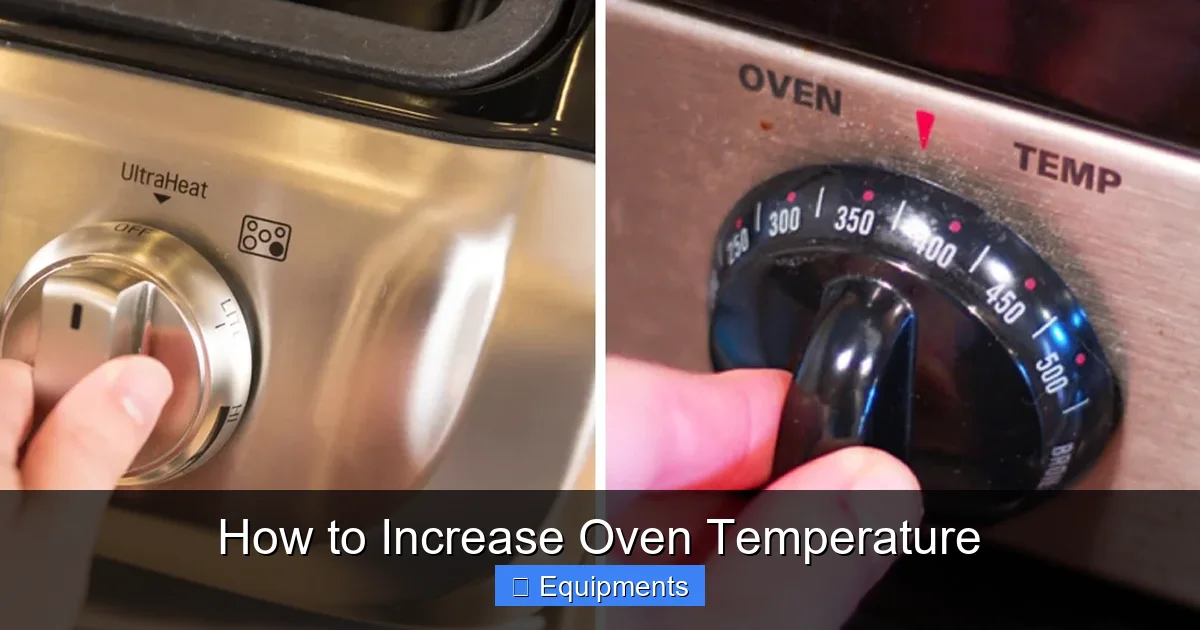
Visual guide about How to Increase Oven Temperature
Image source: thekitchenix.com
- Place the thermometer on the middle rack.
- Preheat to the temperature you plan to use (e.g., 350 °F).
- After the oven signals it’s ready, wait another 5–10 minutes, then read the thermometer.
If the reading is 25 °F or more below what you set, you have a clear case for increasing the temperature.
1.2. Check for Common Culprits
Before you start fiddling with the thermostat, look for easy fixes:
- Door seal: A cracked or warped gasket lets heat escape.
- Racks and pans: Dark metal pans absorb heat, while glass dishes can cool the air.
- Kitchen temperature: A cold kitchen (especially in winter) can pull heat away from the oven.
2. Calibrate Your Oven: The Safest Way to Raise Temperature
2.1. How Calibration Works
Calibration is simply telling the oven’s thermostat “the current temperature is actually X degrees, so adjust your control accordingly.” Most modern ovens have a built‑in calibration mode; older models require a manual tweak of the thermostat screw.
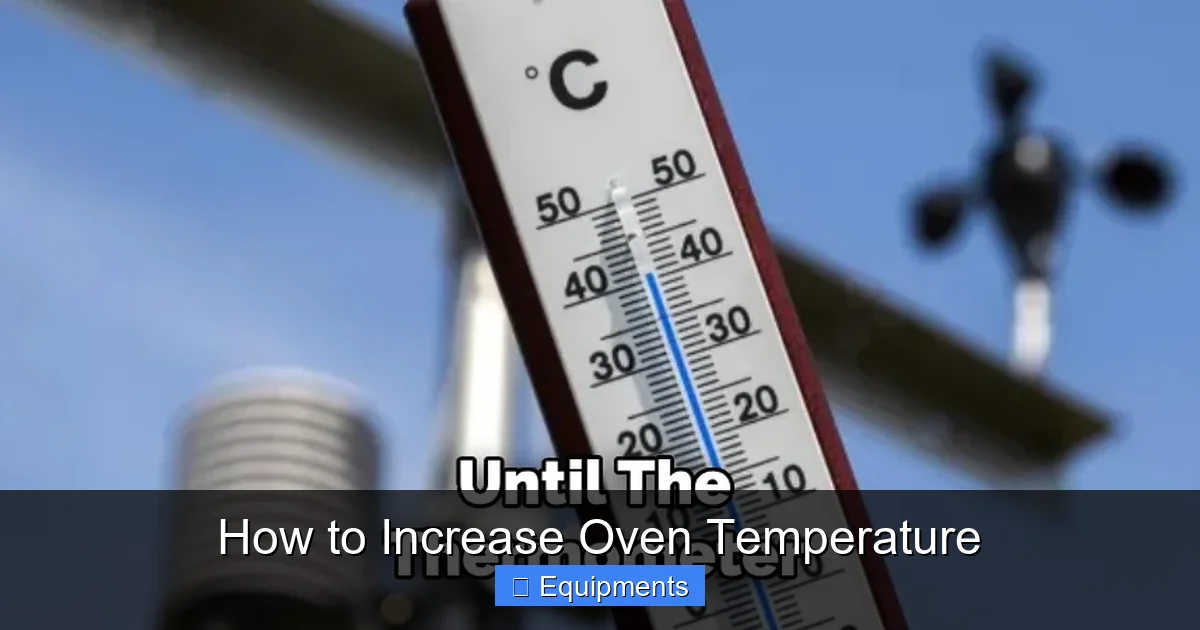
Visual guide about How to Increase Oven Temperature
Image source: thekitchenix.com
2.2. Calibrating Digital Ovens
- Press the “Bake” button and set the temperature to 350 °F (or any standard).
- Wait for the oven to preheat, then open the door and insert the digital thermometer.
- Close the door, let the oven stabilize for 10 minutes, then read the thermometer.
- Find the “Calibration” or “Offset” setting in the user manual (often accessed by holding the “Timer” button).
- Enter the difference between the set temperature and the actual temperature (e.g., if you set 350 °F and the thermometer reads 325 °F, enter +25).
- Save the setting and run a second test to confirm.
2.3. Calibrating Analog Ovens (Thermostat Screw)
Analog ovens use a mechanical thermostat with a small screw hidden behind the control knob.
- Locate the screw—usually under the knob or behind a removable panel.
- Turn the screw clockwise to raise the temperature, counter‑clockwise to lower it.
- Make tiny adjustments (¼ turn at a time), then re‑test with your oven thermometer.
- Repeat until the oven reads within 5 °F of the desired temperature.
3. Practical Adjustments to Boost Heat
3.1. Raise the Set Temperature
If calibration brings you within 10 °F of the target, simply increase the dial by 10–15 °F for the next bake. Most recipes have a built‑in tolerance, so a slight bump won’t ruin delicate items.
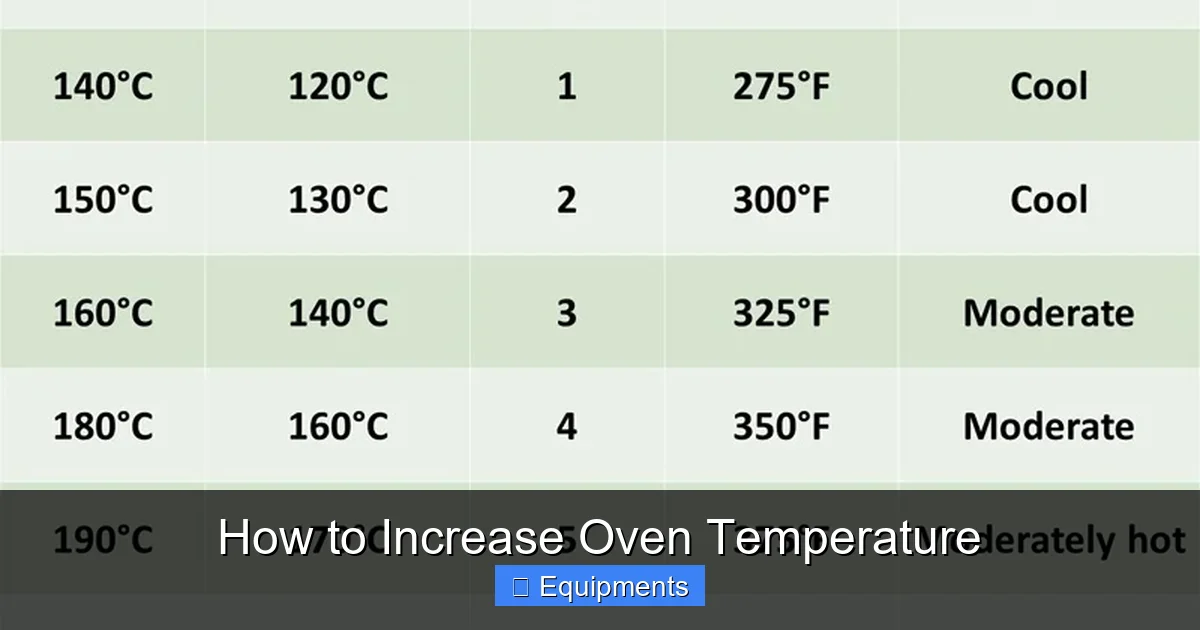
Visual guide about How to Increase Oven Temperature
Image source: moorlandseater.com
3.2. Use Convection Wisely
Convection ovens circulate hot air, effectively raising the oven’s temperature by about 25 °F. If you have a convection setting, you can lower the recipe temperature by 25 °F while still achieving a hotter environment.
3.3. Optimize Rack Placement
Heat rises, so the top rack is hotter than the bottom. For items that need a crisp top (like gratins), place them on the upper rack. For even baking (cookies, cakes), use the middle rack and avoid overcrowding.
3.4. Preheat Longer
Even after the oven beeps, the interior may still be stabilizing. Add an extra 5–10 minutes of preheating for a more consistent temperature, especially for large roasts.
4. Maintenance Tips to Keep the Heat Up
4.1. Clean the Oven Interior
Built‑up grease and food debris act as insulation, preventing heat from reaching the cavity. A monthly wipe‑down with a mild cleaner keeps the oven efficient.
4.2. Inspect and Replace Door Gaskets
Check the gasket for cracks or brittleness. A compromised seal can lose up to 15 °F of heat. Replacement gaskets are inexpensive and easy to install.
4.3. Check the Heating Elements
Both the bake (bottom) and broil (top) elements should glow evenly. Dark spots or uneven heating indicate a failing element that may need replacement.
4.4. Keep the Vent Clear
Most ovens have a vent at the back or bottom. Dust and lint can block airflow, reducing temperature. Vacuum the vent area quarterly.
5. When Simple Fixes Aren’t Enough: Advanced Solutions
5.1. Install an External Temperature Probe
Some bakers attach a separate probe that plugs into a smart controller, allowing precise temperature control independent of the oven’s built‑in thermostat.
5.2. Upgrade to a More Precise Thermostat
Older ovens often use a simple bimetallic thermostat. Upgrading to an electronic thermostat can improve accuracy by up to 10 °F.
5.3. Consider a Professional Service Call
If you’ve tried calibration, cleaning, and part replacement without success, the control board may be faulty. A qualified technician can diagnose and fix the issue, often for less than the cost of a new oven.
Conclusion: Bake With Confidence
Raising your oven temperature isn’t about turning a dial to “max” and hoping for the best. It’s a systematic process of checking, calibrating, adjusting, and maintaining. By following the steps in this guide, you’ll gain control over your oven’s heat, achieve consistent results, and extend the life of your appliance.
Remember: the best baker is the one who knows her tools inside out. Keep a thermometer handy, schedule regular maintenance, and don’t be afraid to tweak the settings a little. Your next loaf, pizza, or cake will thank you with perfect browning, rise, and flavor.
Frequently Asked Questions
Why does my oven temperature seem lower than the setting?
Most ovens drift over time due to worn thermostats, loose door seals, or buildup of food residue. An inaccurate reading is usually fixed by calibrating the oven and cleaning the interior.
Can I permanently increase the oven temperature without damaging it?
Yes. By calibrating the thermostat and making small adjustments (5–15 °F), you can safely raise the effective temperature. Avoid setting the oven to its absolute maximum for everyday use.
Do I need a special thermometer for oven calibration?
A digital oven thermometer with a probe is ideal because it stays in the oven during preheat and provides an accurate, hands‑free reading.
How often should I check my oven’s temperature accuracy?
Check at least twice a year, or whenever you notice uneven baking, longer cooking times, or a noticeable difference between the set temperature and the results.
What if my oven still won’t heat higher after calibration?
Inspect the heating elements, door gasket, and vent for damage or blockage. If those are fine, the thermostat or control board may need replacement, which is best handled by a professional.
Is it worth buying a new oven if I can’t increase the temperature?
If the oven is old, inefficient, or has multiple failing components, a new, energy‑efficient model may save you money in the long run. However, try all calibration and maintenance steps first—they often solve the problem at a fraction of the cost.
Pingback: T Bone Temperature Chart - kitchenandhouseware.com
Pingback: Steak Temperature Chart Filet Mignon - kitchenandhouseware.com
Pingback: Beef Temperature Chart - kitchenandhouseware.com
Pingback: Filet Mignon Temperature Medium Rare - kitchenandhouseware.com
Pingback: Filet Temperature Chart - kitchenandhouseware.com
Pingback: Filet Mignon Temperature Chart Printable - kitchenandhouseware.com
Pingback: Filet Mignon Roast Oven Temperature - kitchenandhouseware.com
Pingback: Beef Temperature Chart Medium - kitchenandhouseware.com