One Teaspoon
Home & Kitchen Writer at Kitchen and Houseware · Home Economics & Culinary Arts Certificate · 6+ years testing everyday cookware, kitchen storage solutions, and practical home organization routines
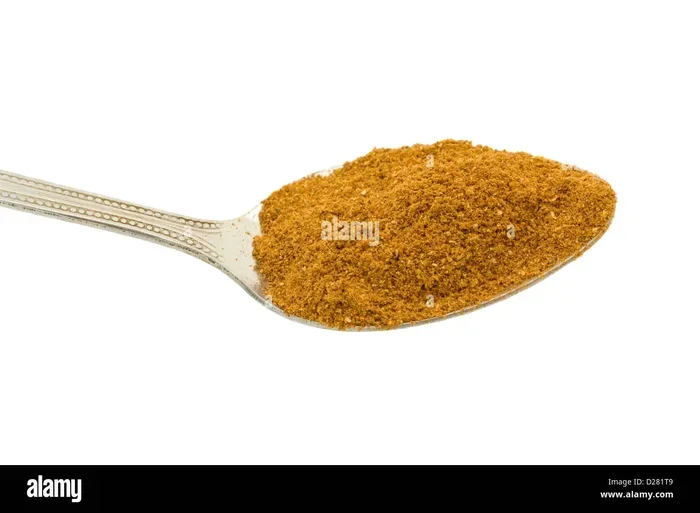
One teaspoon is a small but mighty unit of measurement that plays a big role in cooking, baking, and even medicine. Understanding how much one teaspoon holds can save your recipes from going wrong and help you portion ingredients with confidence. Whether you are a beginner cook or a seasoned baker, knowing the basics of one teaspoon will make your time in the kitchen smoother and more enjoyable.
Have you ever stared at a recipe and wondered exactly how much one teaspoon really means? Maybe the recipe said to add one teaspoon of salt, and you tossed in a pinch without thinking. Or perhaps you were baking something delicate and needed one teaspoon of baking powder, but you were not sure if you had the right amount.
The truth is, one teaspoon is one of the most commonly used measurements in the kitchen. It shows up in baking recipes, spice blends, sauces, marinades, and even health tonics. Despite its small size, one teaspoon can make a huge difference in how a dish turns out. Too much or too little can change the flavor, texture, and even the chemistry of what you are cooking. In this guide, we will break down everything you need to know about one teaspoon and why it matters so much in the kitchen.
Key Takeaways
- One teaspoon equals about 5 milliliters and is a fundamental unit of measurement used in recipes worldwide.
- One teaspoon of different ingredients can vary in weight, so knowing the conversion matters for accuracy.
- One teaspoon is commonly used for spices, leavening agents, liquids, and seasonings in everyday cooking.
- One teaspoon can be measured using standard measuring spoons, household items, or simple visual cues.
- One teaspoon plays a key role in portion control, especially when managing salt, sugar, or oil intake.
- One teaspoon is also used in health and wellness contexts, such as measuring supplements or remedies.
📑 Table of Contents
What Exactly Is One Teaspoon?
Let us start with the basics. One teaspoon is a unit of volume measurement used in cooking and baking. In the United States, a standard teaspoon holds about 5 milliliters of liquid. That is roughly the size of the tip of your finger from the knuckle down. When people refer to one teaspoon in a recipe, they mean a level, rounded, or heaping measurement depending on the ingredient.
A one teaspoon measurement is part of the standard set of measuring spoons found in most kitchens. You will typically find sets that include 1/4 teaspoon, 1/2 teaspoon, one teaspoon, and tablespoons. These tools are designed to give you consistent and reliable measurements every time you cook or bake.
How Big Is One Teaspoon Visually?
Sometimes you do not have measuring spoons on hand. In those moments, it helps to know what one teaspoon looks like in real life. Here are some handy visual comparisons:
- The tip of your index finger from the first knuckle to the tip holds roughly one teaspoon.
- A standard bottle cap from a soda or water bottle is close to one teaspoon in volume.
- One teaspoon of water is about the size of a small marble.
- A pinch between your thumb, index finger, and middle finger is roughly 1/8 teaspoon, so you would need about eight pinches to equal one teaspoon.
These visual cues are not perfect, but they can help in a pinch. For baking, though, always reach for proper measuring spoons. Baking is a science, and accuracy with one teaspoon of an ingredient can be the difference between a perfect rise and a flat cake.
How Much Does One Teaspoon Weigh?
Here is where things get interesting. One teaspoon is a volume measurement, but different ingredients weigh different amounts. So one teaspoon of sugar does not weigh the same as one teaspoon of salt or flour. This distinction matters a lot when you are following a recipe closely.
For example, one teaspoon of granulated sugar weighs about 4 grams. One teaspoon of table salt weighs around 6 grams. And one teaspoon of all-purpose flour comes in at roughly 2.5 grams. As you can see, the same volume can mean very different weights depending on what you are measuring.
Common Weights for One Teaspoon of Popular Ingredients
- One teaspoon of salt: about 6 grams
- One teaspoon of sugar: about 4 grams
- One teaspoon of baking powder: about 4 grams
- One teaspoon of cinnamon: about 2.6 grams
- One teaspoon of honey: about 7 grams
- One teaspoon of olive oil: about 4.5 grams
- One teaspoon of vanilla extract: about 4 grams
Keep this in mind when you are scaling recipes up or down. If a recipe calls for one teaspoon of an ingredient and you want to double it, you need two teaspoons, not just a bigger scoop. Understanding the weight of one teaspoon of common ingredients will help you become a more confident and precise cook.
When to Use One Teaspoon in Cooking
One teaspoon shows up in a surprising number of recipes. It is one of those measurements that chefs and home cooks reach for every single day. Let us look at the most common uses for one teaspoon in the kitchen.
Seasoning and Spices
Spices are potent, and a little goes a long way. When a recipe calls for one teaspoon of cumin, paprika, or garlic powder, it is giving you just enough flavor without overpowering the dish. Adding one teaspoon of a strong spice like cayenne pepper can bring gentle heat to a soup or stew without making it unbearable.
If you are seasoning a piece of chicken or a pot of rice, one teaspoon of salt is often the right amount for a single serving. This is also where one teaspoon of herbs like dried oregano or thyme can brighten up a simple weeknight dinner.
Baking and Leavening
Baking is where one teaspoon really earns its reputation. Leavening agents like baking powder and baking soda are typically measured in teaspoons. Using one teaspoon too much baking powder in a cake can cause it to rise too fast and then collapse. Too little, and your baked goods will come out dense and flat.
One teaspoon of vanilla extract is another staple in baking. It adds warmth and depth to cookies, muffins, and cakes without dominating the flavor. Many frosting recipes also call for one teaspoon of almond extract or lemon zest to add a subtle twist.
Marinades and Sauces
When you are making a marinade, one teaspoon of soy sauce, vinegar, or honey can balance the flavors beautifully. A blend of one teaspoon of olive oil and one teaspoon of lemon juice makes a simple dressing for salads or grilled vegetables.
For barbecue sauces and glazes, one teaspoon of mustard or Worcestershire sauce adds complexity without stealing the spotlight. These small measurements build layers of flavor that make homemade dishes taste restaurant-quality.
One Teaspoon and Health: Portion Control Matters
One teaspoon is not just a cooking tool. It also plays an important role in health and nutrition. Many dietary guidelines recommend limiting certain ingredients, and one teaspoon is the perfect measuring tool for this.
Salt Intake
The American Heart Association recommends no more than 2,300 milligrams of sodium per day, which is about one teaspoon of table salt. Keeping track of how much salt you add to your food using one teaspoon as a benchmark can help you manage your blood pressure and heart health.
Sugar Consumption
The World Health Organization suggests limiting added sugars, and one teaspoon of sugar equals about 4 grams. A can of soda might contain 10 teaspoons of sugar, which is a shocking amount when you see it laid out in one teaspoon increments. Using one teaspoon as a visual reference can help you make better choices about sweetened drinks and snacks.
Medicine and Supplements
One teaspoon is also used in health contexts for measuring liquid medicines, supplements, and home remedies. Always use a proper measuring spoon for medications, not a kitchen spoon from your drawer. The size of a kitchen teaspoon can vary, and dosing accuracy is critical when it comes to your health.
Tips for Measuring One Teaspoon Accurately
Measuring one teaspoon correctly is easier than you think, but it does require a little attention to detail. Here are some practical tips to get it right every time:
- Use proper measuring spoons. Do not use regular spoons from your drawer. They are not standardized and can give you too much or too little. A proper set of measuring spoons is a small investment that pays off in better recipes.
- Level it off. For dry ingredients, fill the spoon and sweep off the excess with a straight edge like a knife. This gives you a true level one teaspoon measurement.
- Do not pack it down. Unless the recipe specifically says to pack the ingredient, keep it loose. Pressing flour or sugar into the spoon can add extra weight and throw off your recipe.
- Measure over the bowl. Hold the measuring spoon over your mixing bowl so any spills go right back in. This keeps your workspace clean and your measurements accurate.
- Use a small bowl for sticky ingredients. Honey, molasses, and peanut butter stick to spoons. Lightly spray the spoon with cooking spray first, or use a silicone measuring spoon set that releases ingredients easily.
Quick Tips for Better Measuring
- Keep your measuring spoons clean and dry between uses.
- Store them in a labeled holder so you always grab the right size.
- If you are measuring one teaspoon of a dry ingredient and the recipe says “heaping,” use a little more than a level spoonful.
- When in doubt, weigh your ingredient on a kitchen scale for the most accurate result.
Common Mistakes People Make with One Teaspoon
Even experienced cooks make mistakes when measuring one teaspoon. Here are some of the most common errors and how to avoid them:
- Using a tablespoon instead of a teaspoon. This is one of the biggest kitchen blunders. A tablespoon is three times larger than a teaspoon. Always double-check which spoon the recipe calls for before adding an ingredient.
- Confusing level with heaping. A level teaspoon is flat across the top. A heaping teaspoon piles the ingredient up. Using a heaping measurement when the recipe wants a level one can add too much of a strong spice or leavening agent.
- Using the same spoon for different ingredients. This leads to cross-contamination. If you measure salt and then use the same spoon for sugar, your recipe will taste off. Always use a clean spoon for each ingredient.
- Guessing instead of measuring. It is tempting to eyeball one teaspoon when you are in a hurry. But in baking especially, guessing can lead to disappointing results. Take the extra few seconds to measure properly.
These mistakes are easy to make but even easier to avoid. With a little mindfulness, measuring one teaspoon will become second nature in no time.
One Teaspoon Conversions You Should Know
Sometimes a recipe uses a measurement system you are not used to. Knowing how to convert one teaspoon into other units can save you from confusion and mistakes.
- One teaspoon = 5 milliliters (ml)
- One teaspoon = 1/3 tablespoon
- One teaspoon = 1/6 fluid ounce
- One teaspoon = approximately 4.2 grams of water
- One teaspoon = 1/48 cup
These conversions are handy when you are adapting international recipes or working with metric measurements. Keep a cheat sheet on your fridge or saved in your phone for quick reference.
One teaspoon might seem like a tiny measurement, but its impact on your cooking and baking is enormous. From seasoning a simple soup to leavening a birthday cake, one teaspoon is the quiet hero of every kitchen. Understanding what one teaspoon means, how much it weighs, and when to use it will elevate your cooking skills and help you create delicious meals with confidence. Keep your measuring spoons handy, follow these tips, and you will never second-guess one teaspoon again.
And remember, precision in the kitchen starts with the smallest measurements. The next time a recipe calls for one teaspoon of something, take a moment to measure it properly. Your taste buds will thank you. If you are looking for more kitchen essentials, check out our guide on the best one cup coffee maker without pods for your morning brew, or explore our picks for the best small frying pan for one egg to make perfect single servings every time. For those who need kitchen tools that are easy to handle, our article on best kitchen aids for one-handed people has some great options to simplify your cooking experience.
Frequently Asked Questions
How much is one teaspoon in grams?
The weight of one teaspoon in grams depends on the ingredient. One teaspoon of water weighs about 4.2 grams, while one teaspoon of salt weighs around 6 grams. Always check the specific weight for the ingredient you are measuring to get the most accurate result.
Can I use a regular spoon to measure one teaspoon?
It is not recommended. Regular spoons from your drawer are not standardized and can vary in size significantly. Using a proper measuring spoon ensures your one teaspoon measurement is accurate, which is especially important in baking and medicine.
How many milliliters are in one teaspoon?
One teaspoon equals approximately 5 milliliters. This is the standard conversion used in both cooking and medicine, making it easy to convert between the two measurement systems when you are following a recipe or dosage instructions.
Is one teaspoon the same as a tablespoon?
No, one teaspoon is much smaller than a tablespoon. One tablespoon equals three teaspoons. This is one of the most common mix-ups in the kitchen, so always double-check which measurement your recipe calls for before adding an ingredient.
Why is one teaspoon so important in baking?
Baking is a science, and small measurements like one teaspoon of baking powder or baking soda can change the texture and rise of your baked goods. Using too much or too little can result in a dense cake or a cookie that spreads too much. Precision matters.
What household item equals one teaspoon?
A standard bottle cap from a soda or water bottle is close to one teaspoon in volume. The tip of your index finger from the first knuckle to the tip is also roughly one teaspoon. These visual cues are helpful when you do not have measuring spoons on hand, but they are not as precise as proper tools.
=== CONCLUSION ===
One teaspoon is a small but essential part of every kitchen. Whether you are seasoning a dish, baking a cake, or measuring a health supplement, understanding what one teaspoon means and how to measure it accurately will serve you well every day. Keep this guide handy, invest in a good set of measuring spoons, and approach every recipe with confidence. The difference between a good meal and a great one often comes down to something as simple as one teaspoon.