Unlock your Ninja Blender’s full potential with our 2026 guide. Learn setup, model-specific features, and smart tech like app connectivity and auto-clean cycles. Master basic to advanced techniques for smoothies, soups, nut butters, and more. Plus, get essential maintenance tips to keep your blender running strong for years. Whether you’re a beginner or pro, these actionable tips ensure perfect results every time.
Congratulations on joining the Ninja Blender revolution! In 2026, these machines are smarter, stronger, and more versatile than ever. But with great power comes a learning curve. That’s where we come in. This guide is your friendly companion to unlocking every feature, from basic blending to app-controlled wizardry. No more confusing buttons or wasted ingredients—just delicious results.
We’ll walk you through setup, model-specific quirks, and pro techniques that even seasoned users miss. Think of this as your personal Ninja masterclass. By the end, you’ll not only know how to use your Ninja Blender but also love it. Let’s dive in!
Key Takeaways
- Setup Matters: Proper assembly and safety checks prevent issues and ensure optimal performance from the start.
- Know Your Model: Ninja offers various series (Professional, Foodi, etc.) with unique features—understand yours to use it effectively.
- Layering is Key: For smooth blending, add liquids first, then soft ingredients, and finally hard items like ice.
- Smart Features Save Time: 2026 models include app-controlled presets and auto-clean cycles—use them for consistency and convenience.
- Maintenance Extends Life: Regular cleaning, blade inspection, and seal replacement keep your blender safe and efficient.
- Safety First: Never overfill, avoid hot liquids without venting, and always handle blades with care.
📑 Table of Contents
- Why Ninja Blenders Remain a Kitchen Powerhouse in 2026
- Unboxing and First-Time Setup: Don’t Skip These Steps
- Decoding Your Ninja: Model Types and Core Components
- Mastering the Basics: From Smoothies to Soups
- Unlocking 2026’s Smart Features: Apps, Presets, and Auto-Clean
- Maintenance Made Easy: Cleaning, Storage, and Troubleshooting
- Pro Tips for Longevity and Performance
- Creative Recipes to Try Beyond the Basics
- Safety First: What Every Ninja Owner Must Know
Why Ninja Blenders Remain a Kitchen Powerhouse in 2026
Ninja has spent years refining its blenders, and 2026 models showcase why they’re a top choice. They combine brutal power with smart technology that adapts to your needs. Unlike basic blenders, Ninja’s Auto-iQ system senses resistance and adjusts speed automatically. This means perfect smoothies without stopping to scrape the sides.
Another standout is the modular design. You can switch between single-serve cups and large pitchers with the same base. This versatility saves counter space and money. Plus, the 2026 lineup includes quieter motors and dishwasher-safe parts—big wins for daily use.
Learning how to use a Ninja Blender in 2026 isn’t just about pressing buttons. It’s about leveraging these innovations. For example, the new Ninja app offers guided recipes that send settings directly to your blender. You’ll never guess at speed or time again. Whether you’re making a protein shake or a warm soup, the machine handles the details.
Durability is another key factor. Ninja blenders are built to last, with reinforced pitchers and stainless steel blades that tackle ice and frozen fruit effortlessly. In a world of disposable appliances, this longevity makes Ninja a smart investment. So, if you’re wondering how to use Ninja Blender equipment to its fullest, start by appreciating its engineering. This mindset helps you treat the machine right, avoiding common mistakes that shorten its life.
Unboxing and First-Time Setup: Don’t Skip These Steps
Unboxing your Ninja Blender is exciting, but rushing setup can cause problems later. Let’s get it right the first time.
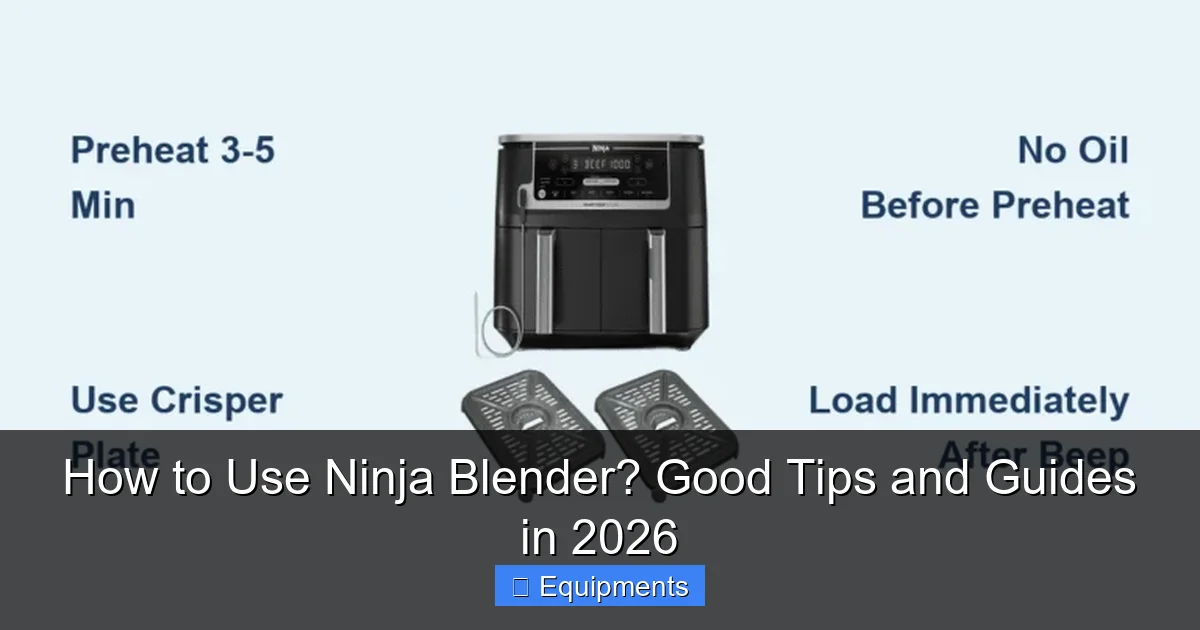
Visual guide about How to Use Ninja Blender? Good Tips and Guides in 2026
Image source: ninjachoice.blog
What’s in the Box?
Your Ninja should include: the motor base, a pitcher (or single-serve cups), a lid with sealed cap, blade assembly, and any tamper tools. Check for a quick-start guide and warranty card. If anything’s missing, contact customer service before proceeding.
Step-by-Step Assembly
First, wash all removable parts with warm, soapy water. Rinse and dry thoroughly. Then, attach the blade assembly to the pitcher. You’ll hear a click when it’s locked—this is crucial for safety. Place the lid on the pitcher, ensuring the sealed cap is either on or off as needed for your recipe. Finally, sit the pitcher on the motor base, aligning the tabs. A secure fit prevents leaks and ensures the blender starts.
Safety Checks Before First Use
Always verify the pitcher is locked into the base. If it’s not, the blender won’t power on—a built-in safety feature. Also, confirm the lid is firmly in place. For hot liquids, use the vented lid cap to release steam. Never operate the blender without the lid.
Run an empty cycle first to clear any manufacturing residue. Add a cup of warm water and a drop of dish soap, then blend on low for 30 seconds. Discard the water and rinse. This step also familiarizes you with the controls. You’re now ready to blend! Remember, proper setup is the foundation of how to use Ninja Blender safely and effectively.
Decoding Your Ninja: Model Types and Core Components
Ninja blenders come in various families, each with strengths. Knowing your model prevents frustration and helps you use the right techniques.
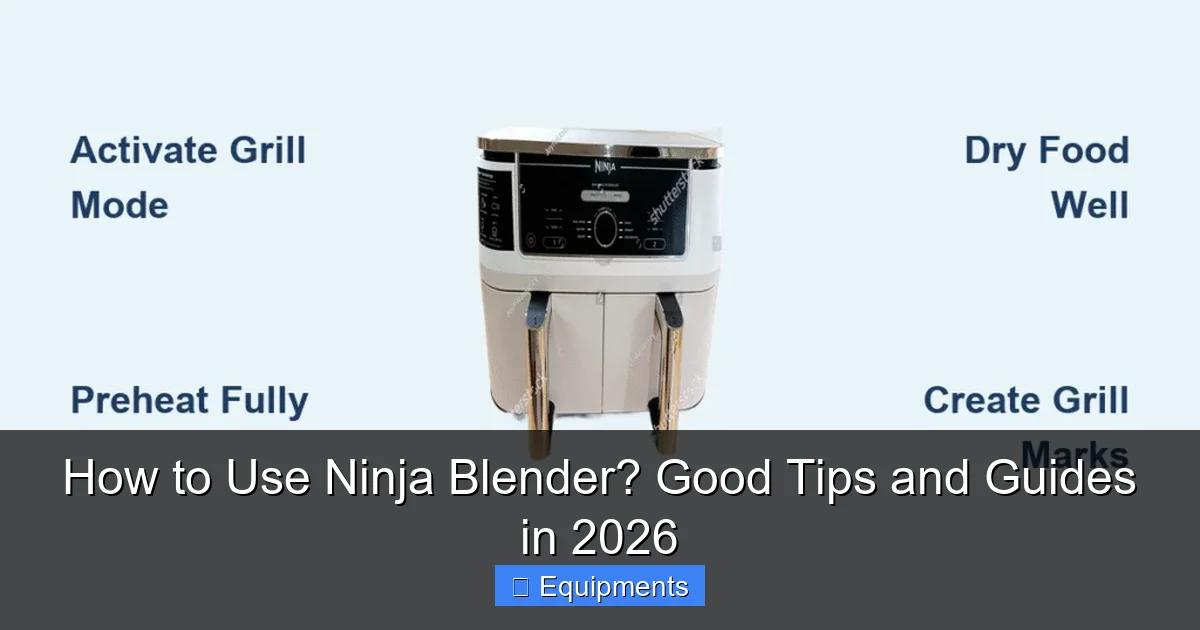
Visual guide about How to Use Ninja Blender? Good Tips and Guides in 2026
Image source: ninjachoice.blog
Popular Series in 2026
The Ninja Professional Plus is the workhorse: powerful, simple controls, great for families. The Ninja Foodi adds cooking functions like steaming and pressure cooking via accessory pots. Nutri Ninja models focus on single-serve smoothies with compact cups. The Ninja Breast is designed for baby food, with steaming and pureeing capabilities. Check your model number on the base or manual to identify features.
Blade Systems: Stacked vs. Single-Tier
Stacked blades (two sets) are ideal for crushing ice and frozen fruit. They pull ingredients down for even blending. Single-tier blades work best for liquids and soft mixes like soups. Your model’s blades are not interchangeable—using the wrong type can damage the pitcher or yield poor results.
Control Panels and Presets
Basic models have manual speed dials. Advanced 2026 versions feature Auto-iQ presets: Smoothie, Soup, Ice Cream, etc. These programs automatically adjust speed and time. Some include a “One-Touch Start” for quick pulses. The display may show error codes if something’s wrong—keep your manual handy to decode them.
Understanding these components is step one in how to use Ninja Blender gear correctly. For instance, if your model has a “Dough” preset, use it for bread mixing—it pulses gently to avoid overworking gluten. Misusing presets leads to disappointing textures.
Mastering the Basics: From Smoothies to Soups
With your Ninja set up, it’s time to blend. These fundamental techniques work for any model.
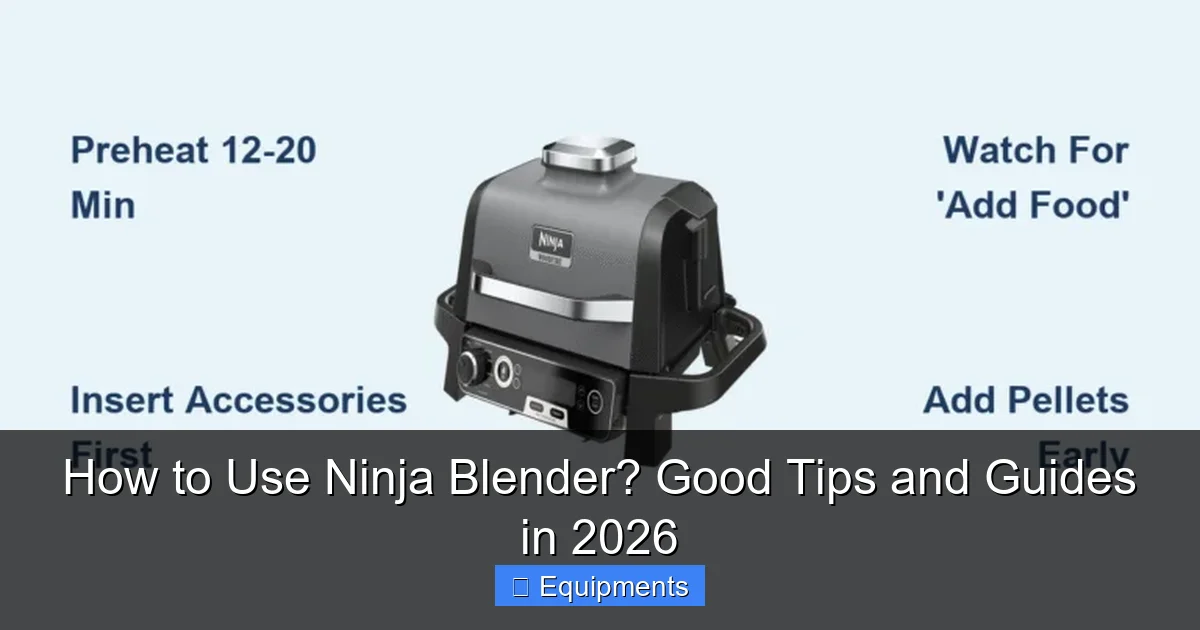
Visual guide about How to Use Ninja Blender? Good Tips and Guides in 2026
Image source: ninjachoice.blog
Perfect Smoothie Technique: Layer Like a Pro
The order you add ingredients matters. Always start with liquids (water, milk, juice)—about 1 cup. This lubricates the blades and prevents jamming. Next, add soft ingredients: yogurt, banana, spinach. Finally, add hard or frozen items: ice, frozen berries. This layering ensures even blending and protects the motor.
For a thick smoothie, use the “Ice Crush” preset or manual pulse. If the mixture gets stuck, stop and scrape the sides with a tamper (if your model includes one). Never use a utensil while the blender is running. A pro tip: freeze overripe bananas for creamier texture without ice.
Hot Soup Safety: Why Your Ninja Can Handle It
Yes, you can blend hot soups directly in your Ninja—but with caution. Always use the vented lid cap to release steam pressure. Fill the pitcher only halfway to allow expansion. Start on the lowest speed, then gradually increase. The soup will be hot; use oven mitts when handling the pitcher. Let it cool slightly before serving to avoid burns.
For best results, cook ingredients until very soft, then blend in batches if making a large pot. The Ninja’s powerful motor handles heat well, but continuous blending of hot liquids can stress the seals over time. Alternate blending with rests if processing a big batch.
Crushing Ice and Frozen Fruit
Crushed ice is a breeze with stacked blades. Add ice up to the max line, then use the “Ice Crush” preset or pulse on high for 10-15 seconds. For frozen fruit, add a splash of liquid to help blades move. Don’t overfill—this strains the motor. If you hear straining noises, stop and let the motor cool.
These basics form the core of how to use Ninja Blender for everyday meals. Once comfortable, move to advanced features.
Unlocking 2026’s Smart Features: Apps, Presets, and Auto-Clean
2026 Ninja blenders bring tech that feels futuristic but is surprisingly simple. Let’s explore.
Connecting to the Ninja App: Step-by-Step
Download the “Ninja Kitchen” app from your app store. Create an account, then enable Bluetooth on your phone. Place your blender base near your phone and press the “Connect” button on the blender’s panel (usually a Bluetooth icon). Follow on-screen prompts to pair. Once connected, browse recipes, watch tutorials, and even send custom programs to your blender.
The app also tracks usage and suggests maintenance. For example, it might remind you to clean the blades after 10 uses. This connectivity transforms how to use Ninja Blender equipment from a tool to a kitchen assistant.
Using One-Touch Presets for Consistent Results
Presets are pre-programmed cycles for specific tasks. Select “Smoothie” and the blender will start slow, ramp up, then stop when the perfect texture is reached—usually 45 seconds. “Soup” runs longer at medium speed to emulsify and heat via friction. “Ice Cream” churns frozen ingredients into a creamy dessert without ice cream maker.
Experiment: use “Dough” for mixing pancake batter (it pulses to avoid overmixing). Each preset optimizes speed and time, so you get consistent results without guesswork. This is a game-changer for how to use Ninja Blender in 2026, especially for beginners.
The 30-Second Self-Clean Cycle: Your New Best Friend
After blending, add warm water and a drop of dish soap to the pitcher. Secure the lid and select “Self-Clean” (or similar). The blender agitates the soapy water for 30 seconds, then rinses. No disassembly needed! For stubborn residues, add a teaspoon of baking soda. This cycle saves time and keeps blades sharp. Run it after every use to prevent dried-on gunk.
Smart features like these make Ninja blenders a joy to use. They reduce effort and elevate results, which is exactly what good tips and guides in 2026 should do.
Maintenance Made Easy: Cleaning, Storage, and Troubleshooting
Proper care keeps your Ninja running smoothly for years. Here’s what you need to know.
Daily and Deep Cleaning Routines
After each use, rinse the pitcher, lid, and blades immediately. Use the included cleaning brush to scrub the blade area—never touch the blades with your hands. For daily deep cleaning, run the self-clean cycle as described.
Once a week, deodorize with a vinegar cycle: fill the pitcher with equal parts water and white vinegar, blend on medium for 60 seconds, then rinse thoroughly. This removes stubborn smells from garlic or onions.
Blade Care: Sharpening, Replacement, and Safety
Ninja blades are designed to stay sharp for years, but they can dull with heavy use. Never attempt to sharpen them yourself—this compromises safety and balance. Instead, purchase official Ninja replacement blades. Store blades separately when not in use to protect edges.
Always unplug the blender before handling blades. Use the brush to clean around them; never pry out trapped food with metal tools. A dull blade strains the motor and reduces blending efficiency.
Troubleshooting Common Issues
Leaking: Check the pitcher seal and gasket. Realign or replace if cracked. Ensure the pitcher is fully locked onto the base.
Unusual Noise: Make sure the blender is on a level surface. The pitcher must be locked. If noise persists, the blades may be loose—tighten the blade assembly.
Motor Overheating: Let the blender cool for 30 minutes. Avoid continuous blending for more than 60 seconds with thick mixes. Use the pulse function instead.
Error Codes: Consult your manual. Often, “E01” means the pitcher isn’t locked, while “E02” indicates overheating.
For persistent problems covered under warranty, review our terms and conditions for service options. Regular maintenance prevents most issues, making how to use Ninja Blender knowledge a long-term asset.
Pro Tips for Longevity and Performance
Beyond basics, these expert tips extend your blender’s life and boost results.
Avoiding Common Mistakes That Kill Motors
Never run the blender empty—this grinds blades against the pitcher and damages the motor. Also, avoid blending dry ingredients without liquid; the friction can overheat the motor. For nut butters, add a tablespoon of oil to ease blending. Always start on low speed and gradually increase, especially with thick mixes.
Don’t overfill. Respect the max fill line, usually indicated inside the pitcher. Overfilling forces the motor to work harder, leading to premature wear. For frozen items, fill only halfway to allow movement.
When to Replace Parts: Seals, Gaskets, and Containers
Seals and gaskets wear out annually with heavy use. If you notice leaks or cracks, replace them immediately. Official Ninja parts ensure proper fit. Containers can scratch or stain over time. If a pitcher cracks, replace it—using a damaged pitcher risks shattering under stress.
Keep spare seals on hand. They’re inexpensive and prevent leaks. This proactive approach is a key part of how to use Ninja Blender systems sustainably.
Storage Tips for Year-Round Readiness
Store the blender with the pitcher off the base to avoid stress on the coupling. Keep blades attached to the pitcher or stored separately in a safe spot. Ensure all parts are completely dry before storing to prevent mold. If you won’t use it for months, unplug and cover the base with a cloth.
By following these pro tips, you’ll master how to use Ninja Blender equipment not just for today, but for a decade of blending.
Creative Recipes to Try Beyond the Basics
Once you’ve mastered fundamentals, explore these creative ideas.
Nutrient-Packed Green Smoothies
Combine 1 cup spinach, ½ banana, ½ cup pineapple, 1 cup coconut water, and ½ cup ice. Blend on “Smoothie” preset. The spinach flavor is mild, and the pineapple adds sweetness. For extra protein, add a scoop of unflavored powder after blending.
Creamy Nut Butters and Dips
For almond butter, process 2 cups raw almonds with a pinch of salt. Start on low, then increase to high. It takes 5-8 minutes, scraping sides occasionally. Add 1 tbsp oil for creamier texture. For hummus, blend chickpeas, tahini, lemon, and garlic until smooth.
Frozen Desserts and More
Make banana “nice cream”: blend 2 frozen bananas with a splash of milk until creamy. Add cocoa powder for chocolate version. For pesto, blend basil, garlic, pine nuts, Parmesan, and olive oil. The Ninja’s power emulsifies perfectly.
These recipes showcase the blender’s range. Experiment with spices, herbs, and seasonal produce. The more you use it, the more you’ll appreciate how to use Ninja Blender for endless culinary adventures.
Safety First: What Every Ninja Owner Must Know
Power tools demand respect. These safety rules are non-negotiable.
Handling the Blades: Never Skip This
Always unplug before touching blades. Even when unplugged, blades are razor-sharp. Use the cleaning brush—never fingers. When removing the blade assembly, hold it by the plastic collar, not the metal. Keep blades out of children’s reach.
Motor Overload: Signs and Prevention
If the blender stalls or smells burning, unplug immediately. This indicates overload—likely from overfilling or hard ingredients. Let the motor cool for 30 minutes before retrying. To prevent, use the pulse function for tough items and don’t exceed max capacity.
Hot Liquids and Pressure Buildup
Always use the vented lid cap for hot blends. Never seal the lid completely with hot liquids—pressure can cause the lid to blow off, spraying scalding contents. Start on low speed to avoid eruptions. Fill only halfway.
These guidelines keep you safe and your blender intact. For full liability details, see our terms and conditions. Safety is the bedrock of how to use Ninja Blender correctly.
You’re now equipped to conquer any blending task with your Ninja. From setup to smart features, maintenance to safety, these tips turn guesswork into confidence. Remember: practice makes perfect. Start with a simple smoothie, then experiment with soups and nut butters. Clean promptly, handle blades with care, and leverage those 2026 presets. Your Ninja is more than an appliance—it’s a kitchen partner. Use this guide as your reference, and you’ll enjoy years of delicious, effortless blending. Here’s to your culinary success!
Frequently Asked Questions
How do I clean the blades of my Ninja Blender safely?
Always unplug the blender first. Use the provided cleaning brush to scrub under running water. Never touch the blades with your hands. For deep cleaning, run the self-clean cycle with soapy water, then rinse thoroughly.
Can I blend hot soups directly in my Ninja Blender?
Yes, but always use the vented lid cap and fill only halfway. Start on low speed to avoid pressure buildup. Let the soup cool slightly before serving to prevent steam burns.
Why is my Ninja Blender leaking from the bottom?
Leaks usually indicate a misaligned or worn seal. Check the pitcher’s gasket and blade assembly for proper locking. Replace the seal if cracked. Also, avoid overfilling past the max line.
How often should I replace the blades on my Ninja Blender?
With regular use, blades last 2-3 years. Replace if they become dull, nicked, or corroded. Use only Ninja-approved replacement blades to ensure safety and performance.
What’s the difference between Ninja Professional and Ninja Foodi blenders?
Ninja Professional focuses on blending power and speed. Ninja Foodi adds cooking functions like steaming and pressure cooking via accessory pots. Choose based on whether you need just blending or multi-cooking capabilities.
How do I reset my Ninja Blender if it overheats?
Unplug the blender and let it cool for 30 minutes. The motor will reset automatically once cooled. To prevent overheating, avoid continuous blending; pause every 30 seconds for thick mixes.
Pingback: Ninja Creamy Deluxe - kitchenandhouseware.com