A gas oven leak is a silent threat that can lead to fires, explosions, or carbon monoxide poisoning. Immediate recognition and action are critical for safety. This guide provides clear, actionable methods to identify a leak through sensory cues like the distinctive rotten egg odor, unusual sounds, and simple diagnostic tests. Most importantly, it outlines the exact steps to take the moment you suspect a problem, emphasizing evacuation and professional help over DIY fixes for your peace of mind and household security.
Key Takeaways
- Natural Gas is Odorless: Utility companies add a sulfur-like “rotten egg” odorant (mercaptan) for detection. Any smell of this near your oven is a major red flag.
- Listen for Hissing or Whistling: A persistent hissing, whistling, or blowing sound from the oven area, especially when the oven is off, strongly indicates gas escaping under pressure.
- The Soapy Water Test is Your First DIY Tool: Applying a soapy water solution to gas line connections and valves while the oven is on will reveal leaks through bubbling. Never use a flame to check.
- Physical Symptoms Can Be Clues: Unexplained headaches, dizziness, nausea, or fatigue in household members, particularly when the oven is in use, may signal carbon monoxide or gas exposure.
- Evacuate and Call for Help Immediately: If you suspect a significant leak, do not operate lights, appliances, or phones. Get everyone outside and call your gas company or 911 from a safe distance.
- Annual Professional Inspections are Non-Negotiable: Preventative maintenance by a licensed technician is the most reliable way to ensure all components—valves, lines, burners—are secure and functioning safely.
- Appliance Behavior Can Signal Trouble: An oven that struggles to ignite, has an uneven yellow flame (instead of blue), or leaves soot/sooty residue points to combustion issues that could lead to leaks.
📑 Table of Contents
- Understanding the Invisible Threat: Why a Gas Oven Leak is So Dangerous
- Your Senses as Detection Tools: Smell, Sound, and Sight
- The Gold Standard DIY Test: The Soapy Water Method
- Secondary Signs and Physical Symptoms of Exposure
- Immediate Safety Protocol: What to Do The Moment You Suspect a Leak
- Professional Inspection vs. DIY: Knowing Your Limits
- Prevention and Long-Term Maintenance: The Best Defense
- Conclusion: Vigilance is Your Best Partner in the Kitchen
Understanding the Invisible Threat: Why a Gas Oven Leak is So Dangerous
Your gas oven is a powerful, efficient workhorse in the kitchen. But hidden within its metal frame is a network of pipes and valves carrying natural gas or propane—highly flammable fuels. When everything is sealed correctly, it’s perfectly safe. But a leak changes that equation instantly, turning your trusted appliance into a potential hazard. The danger comes in two primary forms: the risk of fire or explosion from accumulating gas finding an ignition source, and the insidious threat of carbon monoxide (CO) poisoning from incomplete combustion. CO is a colorless, odorless, tasteless gas that can be fatal at high concentrations, and a malfunctioning oven can produce it. Understanding this dual threat is the first, most crucial step in protecting your home and family. It’s not about being paranoid; it’s about being prepared and observant. Many leaks start small—a slightly loose connection, a degrading seal—and give off subtle warnings before becoming catastrophic. Your senses, combined with simple knowledge, are your best early detection system.
The “Added Smell” You Must Never Ignore
Pure natural gas and propane have no smell. For safety, utility companies inject a chemical called mercaptan, which smells like sulfur or rotten eggs. This is your primary, most urgent alarm. If you catch even a faint whiff of rotten eggs near your oven, especially when it’s not in use, treat it as an emergency. Don’t assume it’s from the trash or a sewer. Isolate the source. Move closer to the oven (cautiously) to see if the smell intensifies. Smell the area around the control panel, the back, and the floor near the oven. Sometimes a leak from a valve or connection behind the oven will pool near the floor. Remember, the odorant can be washed away by rain or adsorbed by soil around an external leak, so a lack of smell does not guarantee safety if other signs exist.
Your Senses as Detection Tools: Smell, Sound, and Sight
Detecting a leak doesn’t require special equipment. You have a built-in toolkit: your nose, ears, and eyes. Being methodical and paying attention to anomalies in your kitchen environment is key. Let’s break down each sensory checkpoint.
Visual guide about How to Tell If Gas Oven Is Leaking
Image source: applianceanalysts.com
Listening for the Hiss: The Sound of Escaping Gas
A properly functioning gas oven should operate almost silently, aside from the burner ignition and the fan if it’s a convection model. A leak, however, often produces an audible sound. This is gas escaping under pressure through a small opening. You might hear:
- A steady hissing or whistling: This is the most common sound, like air escaping from a tire. It may be constant or only audible when the oven’s gas valve is open (even if the igniter isn’t sparking).
- A soft blowing or roaring sound: For larger leaks, the sound can be more pronounced.
- A sound that stops when you turn the oven knob off: This is a critical clue. If the sound ceases when the gas supply is cut at the oven control, it points directly to a leak somewhere in the oven’s internal gas train (the pipes leading to the burners).
To test, make your kitchen as quiet as possible. Turn off the TV, ventilation fans, and other appliances. Stand near the oven, listening at the control panel, the sides, and the back. You may need to press your ear cautiously against the cabinet side (if it’s a built-in) to pinpoint the source. Never use a flame or spark (like a lighter) to search for a leak by sound or smell.
The Visual Clues: Flame Color and Soot
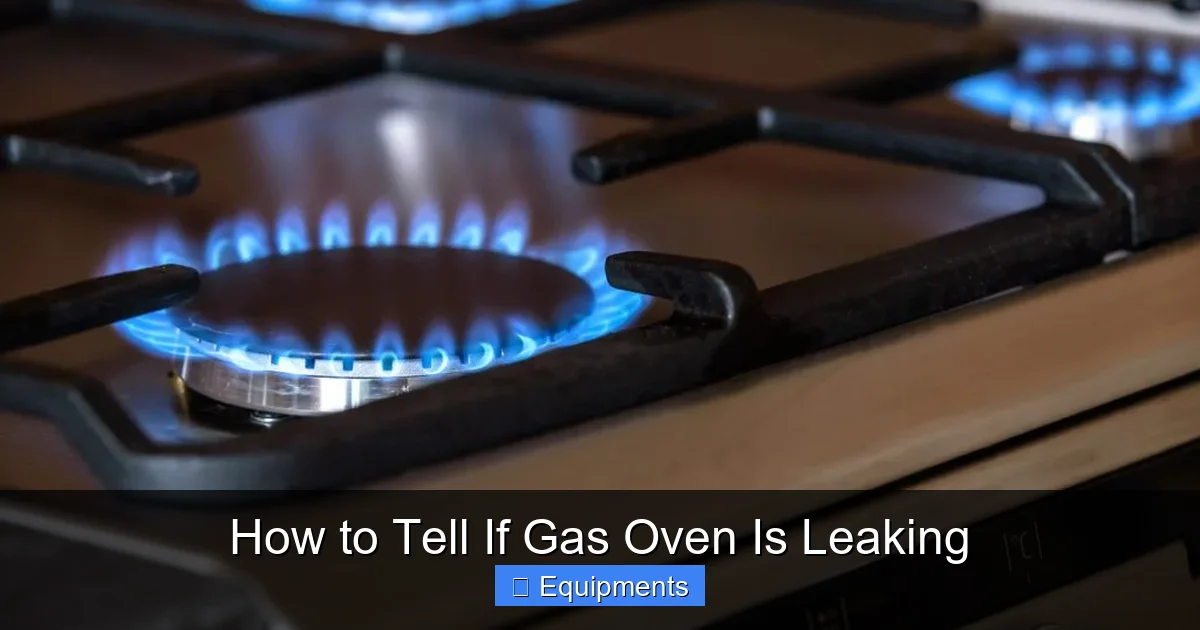
When your oven is on and the burners are lit, the flame tells a story. A healthy gas flame is primarily blue with a small, crisp yellow tip. This indicates complete combustion. If you see:
- A predominantly yellow or orange flame: This is a major red flag. It means the gas is not burning completely, often due to insufficient oxygen (from a clogged venturi or burner port) or incorrect air-gas mixture. Incomplete combustion produces excess carbon monoxide.
- A flickering, noisy flame: It should be steady.
- Soot or sooty residue: Black soot accumulating on the burner caps, inside the oven cavity, or on pots and pans is a direct result of incomplete combustion. It’s a sign that the fuel isn’t burning cleanly, which is frequently linked to a gas supply or pressure issue that could also involve a leak.
These visual signs suggest a problem with the combustion process itself, which could be caused by a leak affecting gas pressure or a separate blockage. Either way, the oven should not be used until inspected.
The Gold Standard DIY Test: The Soapy Water Method
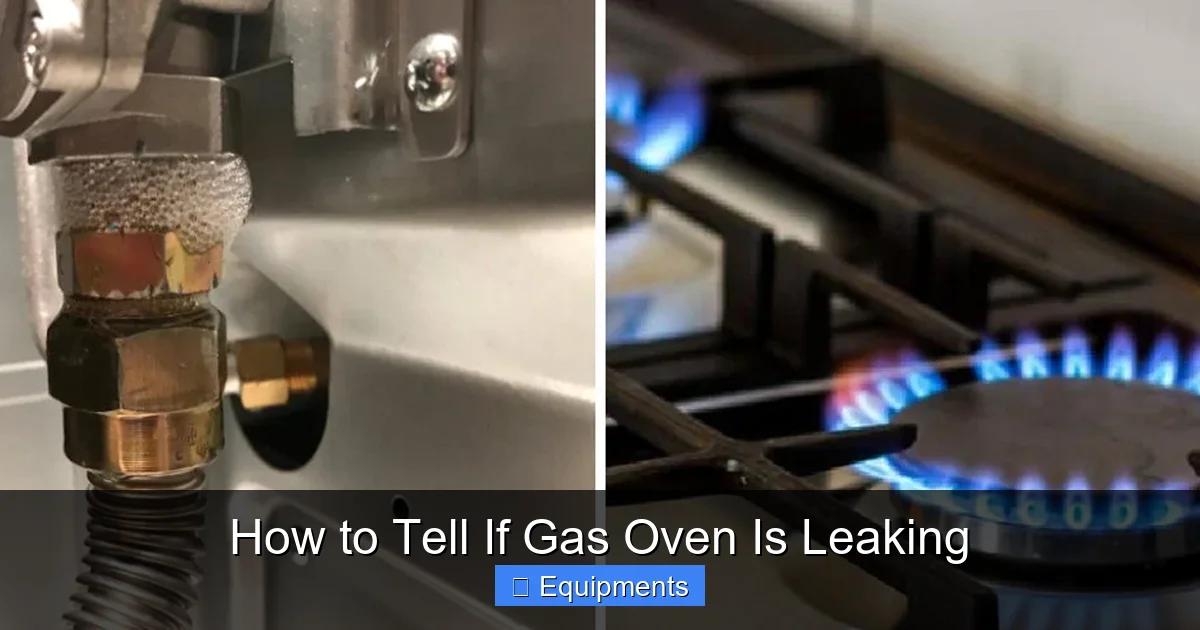
If you have a suspicion but can’t confirm with smell or sound, the soapy water test is the safest, most effective way to visually check for gas leaks at connection points. It’s a method used by professionals and is perfectly safe for homeowners. The principle is simple: gas escaping will cause the soap solution to bubble.
Visual guide about How to Tell If Gas Oven Is Leaking
Image source: onsiteappliance.com
Step-by-Step Guide to the Soapy Water Test
What you need: A small bowl, liquid dish soap, water, a sponge or cloth, and optionally, a spray bottle.
- Prepare the Solution: Mix a generous amount of dish soap with water in your bowl. It should be sudsy. If using a spray bottle, fill it with the soapy mixture.
- Ensure the Oven is ON and at a Setting: Turn your oven on to a moderate temperature (e.g., 350°F). This pressurizes the gas lines. Do not perform this test with the oven off, as there will be no gas pressure to reveal a leak.
- Apply the Solution: Using your sponge or spray bottle, generously apply the soapy water to every accessible gas connection you can find. This includes:
- The connection where the flexible gas line (if you have one) meets the oven’s gas inlet.
- Any visible pipe joints or fittings on the back or sides of the oven (you may need to pull it out carefully, unplugging it first).
- The oven’s pressure regulator (a round, bell-shaped device, often on the back or underneath).
- Around the control knobs and panel (if accessible).
- Observe Carefully: Watch the areas you applied the soap for 2-5 minutes. Bubbles forming, growing, or persisting are a definitive sign of a gas leak at that spot. The bubbles are gas pushing through the soap film.
- Repeat: If you find no bubbles, let the soap dry and try another area. If you do find bubbles, turn the oven off immediately and proceed to the safety protocol.
Critical Safety Note: This test requires the oven to be powered on and gas flowing. If you already smell a strong gas odor, do not turn anything on or create any potential spark. Go straight to evacuation. The soap test is for subtle, suspected leaks when no strong odor is present.
Secondary Signs and Physical Symptoms of Exposure
Not all warnings come directly from the oven itself. Your environment and your body can give you indirect but vital signals that something is wrong with your gas appliances.
Visual guide about How to Tell If Gas Oven Is Leaking
Image source: thekitchenix.com
Unexplained Physical Illness in the Home
Carbon monoxide (CO) is the “silent killer” associated with gas appliance malfunctions. It binds to hemoglobin in your blood, preventing oxygen transport. Symptoms of low-to-moderate CO exposure are flu-like and develop gradually:
- Headache (dull, persistent)
- Dizziness or lightheadedness
- Nausea or vomiting
- Fatigue or weakness
- Confusion or impaired judgment
Pay close attention: Do these symptoms improve or disappear when you leave the house and return when you come back? That pattern is a classic indicator of an indoor air quality issue, potentially from a faulty gas oven producing CO. Multiple household members experiencing similar symptoms simultaneously is another major clue. If you suspect CO exposure, get fresh air immediately and call for help. Install and maintain CO detectors on every level of your home, especially near sleeping areas and the kitchen.
Appliance Performance Issues and Unexpected Bills
A leak can sometimes manifest as odd behavior from the oven itself. Does your oven take an unusually long time to preheat? Does it seem to struggle to stay lit, cycling the igniter repeatedly? Do you see a yellow flame instead of blue? These are all signs of improper combustion, which can be caused by a leak affecting gas pressure or a separate component failure. Furthermore, if your gas bill has spiked inexplicably without a change in usage, a slow leak in the oven’s line (even when the oven is off) could be siphoning gas 24/7. While less common for oven-specific lines, it’s a possibility worth noting if other causes are ruled out.
Immediate Safety Protocol: What to Do The Moment You Suspect a Leak
This is the most important section. Knowing what to do in an emergency can prevent tragedy. Your response must be swift, calm, and decisive. There is no time for experimentation if you have a strong gas odor or hear a significant hiss.
Step 1: Eliminate All Ignition Sources (NO Exceptions)
Gas is explosive within a specific concentration range in air (5-15%). A single spark can trigger a disaster. Do NOT:
- Flip any light switches (the arc from the switch is a spark).
- Plug in or unplug any appliance.
- Use a telephone or cell phone in the house.
- Light a match, candle, or lighter.
- Start a car in an attached garage.
If you need light, use a battery-powered flashlight that you retrieve without creating a static spark (e.g., by walking on carpet first).
Step 2: Evacuate Everyone Immediately
Get all people and pets out of the house. Do not stop to gather belongings. Go to a safe location away from the house—a neighbor’s home, a spot down the street. Account for everyone.
Step 3: Call for Help From a Safe Location
Once you are a safe distance away, call your local gas company’s emergency leak line (keep this number posted on your fridge!). If you don’t have that number, call 911. Clearly state: “I suspect a gas leak from my oven/appliance.” Provide your address. Do not return to the house until professionals have declared it safe.
Step 4: If the Odor is Faint and You Can Act Quickly (Use Extreme Caution)
If the smell is very faint and you are certain it’s from the oven, and you can act without creating sparks, you may attempt one action before leaving: Locate your gas shut-off valve. This is usually a lever or valve on the pipe leading to your oven (often behind the oven or under a kitchen sink). Turn it 90 degrees to close it. This stops gas flow to the appliance. If you are unsure where it is, or if the action might require you to fumble and create a spark (like using a tool in a dark basement), skip this step and evacuate immediately. Closing the valve is secondary to getting everyone out safely.
Professional Inspection vs. DIY: Knowing Your Limits
While the soap test is a great diagnostic tool for accessible connections, many components of a gas oven are not meant for homeowner repair. Understanding the boundary between safe observation and dangerous tinkering is vital.
When a Professional is Absolutely Required
Call a licensed HVAC technician or a certified appliance repair specialist for any of the following:
- Any confirmed leak: If the soap test bubbles, or you smell/hear gas, a pro must repair it. They have tools (like electronic leak detectors) and certified methods to fix seals, valves, and connections.
- Internal component replacement: Issues with the pressure regulator, oven valve, or internal piping require professional disassembly, testing, and re-sealing.
- Any combustion issue: A yellow flame or soot production indicates a complex problem with air-gas mixture, venting, or burner integrity that needs expert calibration.
- Annual maintenance: Proactive inspection and cleaning of burners, valves, and lines should be done by a pro yearly.
Never attempt to tighten or disassemble gas fittings yourself unless you are a trained professional. Over-tightening can crack components; under-tightening will not stop the leak. Improper repairs are exceptionally dangerous.
What You Can and Should Do Yourself
Your role as a homeowner is primarily one of vigilance and basic diagnostics:
- Perform regular sensory checks (smell, listen).
- Conduct the soapy water test on accessible, external connections.
- Know the location and operation of your gas shut-off valve for the oven.
- Keep the area around the oven clean and free of combustibles (towels, boxes).
- Ensure proper ventilation when using the oven (use the vent hood).
- Install and maintain CO detectors and smoke alarms.
Think of yourself as the early warning system. Your job is to spot the problem and call in the specialized “firefighters” (the technicians) to handle the hazardous materials.
Prevention and Long-Term Maintenance: The Best Defense
The ideal scenario is never having a leak at all. This is achieved through a combination of proper installation, regular maintenance, and mindful usage.
Schedule Annual Professional Maintenance
This is the single most effective preventative measure. A technician will:
- Disconnect and inspect the gas line and all connections for corrosion or wear.
- Test the oven’s pressure regulator and safety valve.
- Clean burner ports to ensure proper gas flow and combustion.
- Check for proper venting and draft.
- Verify the gas pressure is correct.
Treat this annual check-up with the same importance as your car’s oil change. It’s a small investment for immense peace of mind and safety.
Smart Usage and Installation Habits
When you buy a new gas oven, ensure it is installed by a licensed professional. Never attempt a DIY installation on a gas appliance. In your daily use:
- Avoid storing heavy items on or against the oven that could jostle connections.
- If you move the oven for cleaning behind it, do so carefully. Pull it straight out without straining the flexible gas line. Have a professional inspect the connection if you notice any kinks or damage.
- Be mindful of the oven’s surroundings. Keep flammable materials like oven mitts, paper bags, or cooking oils away from the range and oven exterior.
- If you have an older oven (20+ years), be extra vigilant. Rubber seals and components degrade over time.
Finally, educate everyone in your household. Everyone should know the smell of gas, the sound of a leak, and the emergency protocol. Place the gas company’s emergency number and a reminder to “EVACUATE & CALL” on your refrigerator.
Conclusion: Vigilance is Your Best Partner in the Kitchen
Your gas oven is a marvel of controlled combustion, safely harnessing a powerful fuel for cooking. But that control depends on perfect integrity within its system. A leak, however small, breaks that control and reintroduces danger. By now, you understand that detection hinges on your senses: the unmistakable rotten egg smell, the persistent hiss, the abnormal yellow flame, or the tell-tale bubbles from a soap test. You know that physical symptoms like headaches are your body’s alarm, and that a sudden spike in your gas bill can be a financial clue.
More importantly, you are armed with the unbreakable safety protocol: no sparks, evacuate, and call for help from a safe place. You understand the clear line between your DIY checks and the mandatory work of licensed professionals. Prevention through annual maintenance is not a luxury; it’s a fundamental pillar of home safety.
Don’t let complacency set in. Make leak checks a quiet, regular part of your kitchen routine—a quick sniff and listen before you start cooking, a periodic soap test on connections. This habit, coupled with professional care, transforms your gas oven from a potential hazard back into the reliable, safe tool it was designed to be. Your kitchen should be a place of creation and nourishment, not anxiety. By taking these steps, you ensure it stays that way, protecting what matters most: your home and the people in it.
Frequently Asked Questions
Can a very small gas leak be safe to ignore?
No. There is no safe level of a natural gas or propane leak in an enclosed space. Even a small leak can accumulate to dangerous levels over time, especially in poorly ventilated areas. All leaks, regardless of size, must be addressed by a professional.
What should I do if I smell gas but the smell goes away quickly?
Do not assume it was nothing. The smell could have been from a transient leak that sealed itself, or the odorant could have been temporarily displaced. Treat it as a warning. Perform a thorough check with the soapy water test when the oven is on. If you can’t find a source or the smell returns, evacuate and call your gas company for an inspection.
Is a slight gas smell normal when I first turn on the oven?
A brief, very faint odor for 1-2 seconds as the initial gas ignites can sometimes occur, but it should dissipate immediately. A persistent smell that lingers while the oven is running or remains after you turn it off is not normal and indicates a problem.
How often should I perform my own leak checks?
Incorporate a quick sensory check (smell and listen) into your routine every time you use the oven. Perform a more thorough soapy water test on accessible connections at least once every 3-6 months, or immediately if you have any suspicion.
Will my home insurance cover damage from a gas oven leak?
Most standard homeowner’s insurance policies cover damage from explosions or fires resulting from a sudden, accidental leak. However, they may deny claims if the leak was due to lack of maintenance or known, unrepaired issues. Always report a leak immediately and keep records of professional inspections and repairs.
Can I use a commercial gas leak detector spray instead of soapy water?
Yes, there are non-flammable, commercially available gas leak detection sprays designed for this purpose. They work on the same bubbling principle as soapy water and are often more precise. The key is using a solution specifically designed for gas detection and following its instructions carefully.