Storing tiramisu properly is crucial to preserve its delicate layers and prevent spoilage. Always refrigerate tiramisu due to its dairy and egg content, using an airtight container to protect it from odors and moisture. For longer storage, freezing is effective if wrapped meticulously, though texture may slightly change. Avoid common mistakes like introducing liquid or temperature fluctuations. Following these steps ensures your tiramisu remains safe and delicious for days.
Key Takeaways
- Refrigeration is non-negotiable: Tiramisu contains perishable dairy (mascarpone) and raw eggs, requiring constant refrigeration below 40°F (4°C) to stay safe.
- Airtight containment is essential: Use a sealed container or cover the dish tightly with plastic wrap pressed directly onto the surface to prevent air exposure, odor absorption, and skin formation.
- Moisture is the enemy: Ensure the dessert is completely cooled and any excess liquid from soaking is drained before storage to prevent a soggy, watery layer.
- Freezing extends shelf life: Tiramisu can be frozen for up to 3 months. Wrap it in multiple layers (plastic wrap + foil) to prevent freezer burn, and thaw slowly in the refrigerator.
- Mind the timeline: Properly stored in the fridge, tiramisu is best consumed within 3-4 days for optimal texture and flavor. Frozen tiramisu is best within 1-2 months.
- Serve at the right temperature: Always let refrigerated tiramisu sit at room temperature for 15-20 minutes before serving to allow the flavors to mellow and the texture to soften slightly.
- Avoid stacking or covering with wet toppings: Add fresh fruit, whipped cream, or cocoa powder right before serving, not during storage, to maintain crispness and prevent moisture migration.
📑 Table of Contents
- Why Proper Tiramisu Storage Matters: It’s More Than Just Leftovers
- The Golden Rule: Refrigeration is Mandatory
- Freezing Tiramisu: Your Long-Term Storage Solution
- Common Storage Mistakes That Ruin Your Dessert
- Storing Tiramisu for Events: The Make-Ahead Timeline
- Troubleshooting: What To Do When Storage Goes Wrong
- Conclusion: Freshness is in Your Hands
Why Proper Tiramisu Storage Matters: It’s More Than Just Leftovers
Tiramisu. The very name evokes images of elegant, coffee-soaked ladyfingers layered with a cloud-like mascarpone cream, dusted with bitter cocoa. It’s a dessert of contrasts—bitter and sweet, light and rich, firm and creamy. But this beautiful balance is incredibly fragile. One storage misstep can turn your masterpiece into a sad, soggy, or unsafe puddle. Understanding how to store tiramisu isn’t just about tidiness; it’s about preserving the culinary artistry you’ve created.
The core components—espresso-soaked sponge (ladyfingers or savoiardi), a mixture of raw egg yolks, sugar, mascarpone cheese, and whipped cream—are a perfect storm for spoilage if left at room temperature. The dairy provides a breeding ground for bacteria, while the moisture from the coffee and the airy cream structure are susceptible to drying out, weeping, or absorbing other smells from your fridge. Proper storage acts as a shield, protecting the dessert’s texture, flavor integrity, and, most importantly, your health. Whether you’ve made a large batch for a party or have a few slices leftover from a cozy dinner, mastering these techniques ensures every bite is as close to the first as possible.
The Golden Rule: Refrigeration is Mandatory
Let’s start with the most critical, non-negotiable rule: tiramisu belongs in the refrigerator. Unlike many baked goods that are stable at room temperature, tiramisu’s composition demands cold storage from the moment it’s assembled until it’s served. This is due to two primary ingredients: mascarpone cheese and raw eggs.
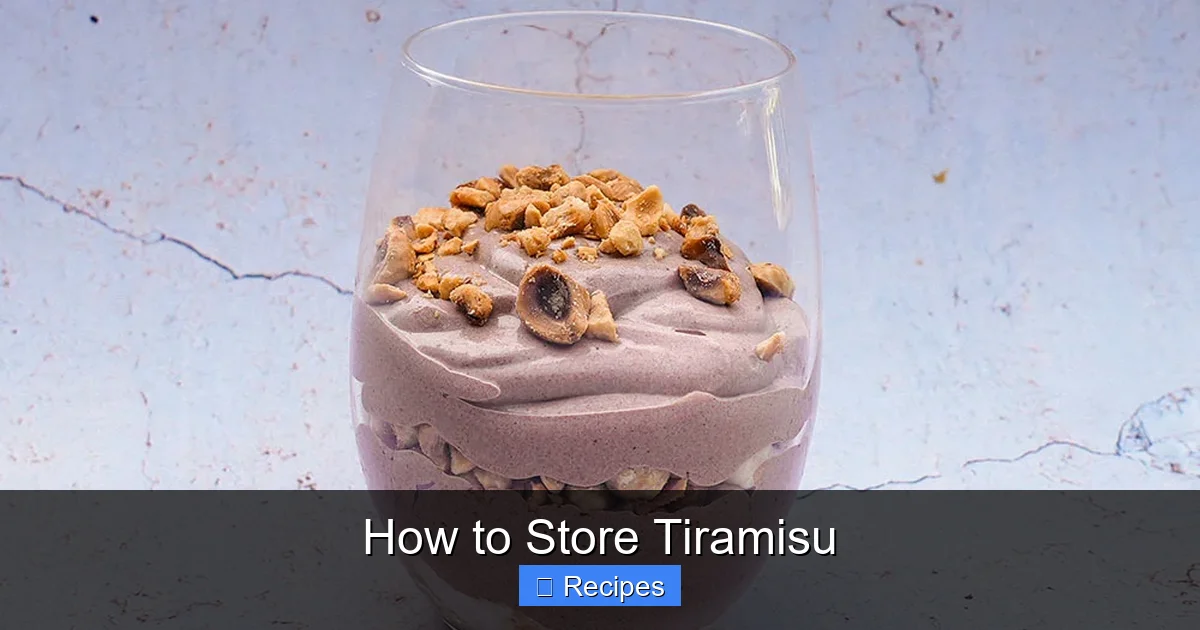
Visual guide about How to Store Tiramisu
Image source: instant-lunch.store
The Mascarpone & Egg Factor
Mascarpone is a fresh, soft cheese with high fat content and low acidity. It is highly perishable and must be kept refrigerated. When blended into the cream, it inherits this need for cold. Similarly, traditional recipes use raw egg yolks (and sometimes whites) to achieve that signature light, airy texture. While some modern recipes use pasteurized eggs or cook the zabaglione base, the presence of egg products always necessitates refrigeration to prevent salmonella and other bacterial growth. The sugar and coffee do not act as sufficient preservatives for safe room-temperature storage beyond a very short period (2 hours max in a cool room).
Optimal Refrigeration Techniques
Simply popping the dish into the fridge isn’t enough. How you prepare it for the cold environment is key.
- Container Choice: Use an airtight plastic or glass container with a tight-sealing lid. If your serving dish doesn’t have a lid (like a classic trifle bowl), you must create an airtight seal with plastic wrap. The goal is to create a barrier against fridge odors (onions, leftovers) and moisture loss.
- The Plastic Wrap Pro-Tip: Place a piece of plastic wrap directly on the surface of the tiramisu before covering the dish. Press it gently so it adheres to the entire top layer. This prevents a dry skin from forming on the mascarpone cream and stops condensation from the fridge ceiling from dripping onto the dessert.
- Temperature Check: Ensure your refrigerator is at or below 40°F (4°C). Use an appliance thermometer if you’re unsure. Store the tiramisu on a middle shelf, not in the door where temperature fluctuates with opening.
- Let It Set First: After assembling, let the tiramisu chill in the fridge for at least 6-8 hours, or preferably overnight, to allow the ladyfingers to fully soften and the flavors to marry. Only cover it once it’s set, or the plastic wrap may stick and disturb the surface.
Freezing Tiramisu: Your Long-Term Storage Solution
Yes, you can freeze tiramisu! While the fresh, creamy texture is slightly altered—the mascarpone can become a tad grainier, and the ladyfingers may become a bit more saturated upon thawing—frozen tiramisu is still delicious and perfectly acceptable for advance preparation or preserving leftovers. The key is in the preparation and wrapping.
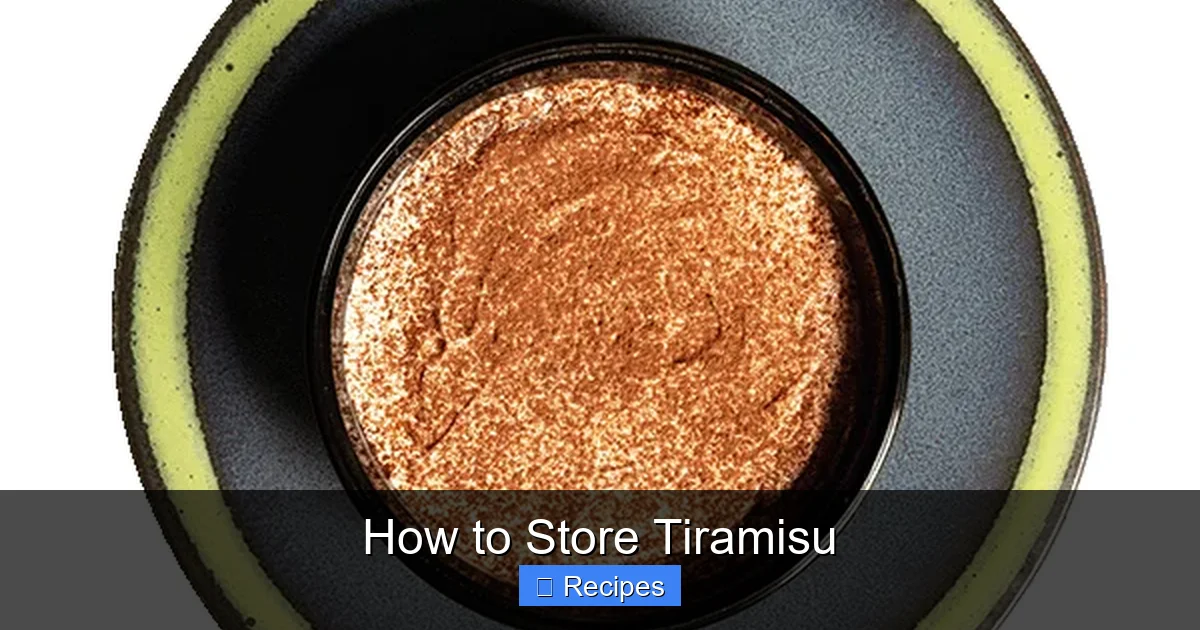
Visual guide about How to Store Tiramisu
Image source: sushistore.ma
Step-by-Step Freezing Guide
- Freeze Uncut, If Possible: A whole, unsliced tiramisu freezes best. Slices have more exposed surface area, leading to more freezer burn and texture degradation. If you must freeze slices, proceed to step 2.
- Pre-Freeze (Flash Freeze): Place the whole tiramisu or individual slices on a baking sheet lined with parchment paper. Put it uncovered in the freezer for 1-2 hours, or until the surface is solid. This step prevents the plastic wrap from sticking and ruining the surface.
- Wrap Meticulously: This is the most important step. For a whole tiramisu: first, wrap it tightly in several layers of plastic wrap, pressing out as much air as possible. Then, wrap it in a layer of heavy-duty aluminum foil. For slices: wrap each slice individually in plastic wrap, then place them in a heavy-duty freezer bag, squeezing out air. The double barrier is crucial to prevent freezer burn and odor absorption.
- Label and Date: Use a marker to note the contents and date. Tiramisu is best consumed within 1-2 months for peak quality, though it remains safe indefinitely if kept at 0°F (-18°C).
Thawing for Best Results
Never thaw tiramisu at room temperature. The proper method is slow, controlled thawing in the refrigerator. Transfer the wrapped tiramisu from the freezer to a plate or tray (to catch any condensation) and place it in the fridge. Allow it to thaw for at least 12 hours for a whole dessert, or 6-8 hours for slices. Once thawed, let it sit, uncovered, at room temperature for about 20 minutes before serving to take the chill off and allow the flavors to bloom. You can gently re-dust with fresh cocoa powder before serving, as the thawing process can dull the topping.
Common Storage Mistakes That Ruin Your Dessert
Even with the best intentions, it’s easy to make errors that compromise your tiramisu. Here are the most frequent pitfalls and how to avoid them.
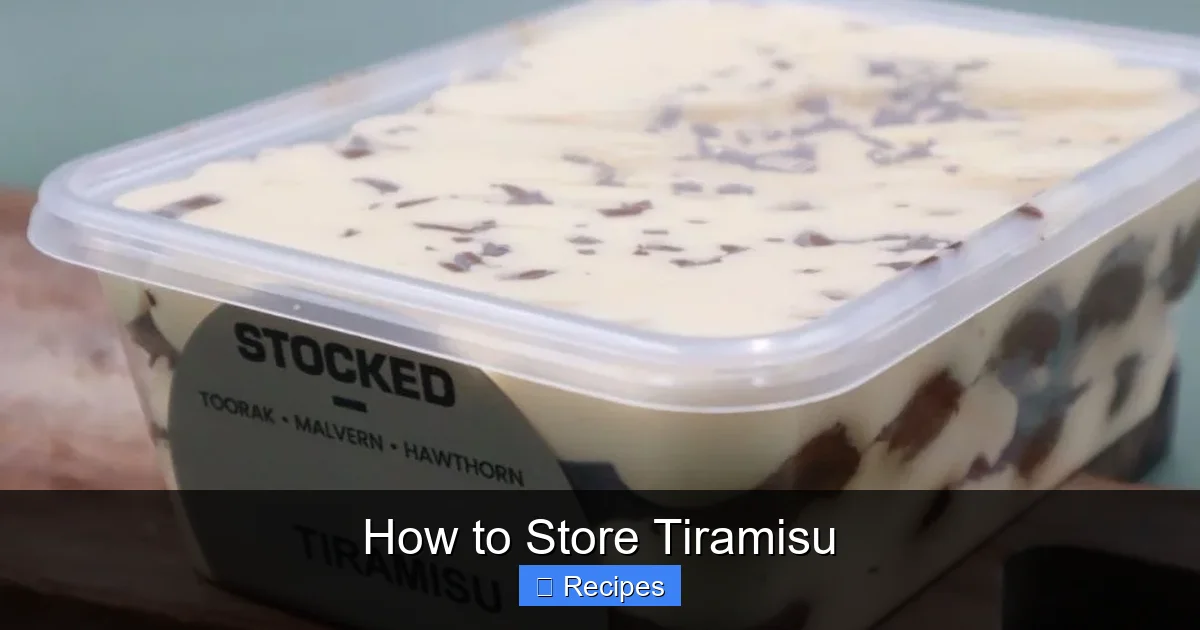
Visual guide about How to Store Tiramisu
Image source: stockedfoodstore.com.au
Mistake 1: Introducing Liquid
This is the #1 cause of a watery, separated tiramisu. Liquid can come from:
- Wet Ladyfingers: Do not soak the savoiardi until they are saturated. A quick dip (1-2 seconds per side) in the coffee mixture is sufficient. They will continue to absorb liquid from the cream during refrigeration. Over-soaked biscuits will leach water into the cream, creating a soupy layer.
- Condensation: Covering a warm or hot tiramisu with plastic wrap traps steam, which then drips down. Always let it cool completely at room temperature (about 1 hour) before covering and refrigerating.
- Wet Toppings: Adding fresh berries, fruit compote, or a glossy glaze on top before storage introduces moisture that migrates down. Keep all wet additions for the last minute before serving.
Mistake 2: Improper Covering
Using a lid that isn’t airtight or simply placing the dish in the fridge uncovered exposes it to dry air (which dehydrates the top) and strong-smelling foods (which it will absorb like a sponge). The plastic-wrap-directly-on-surface method is your best friend.
Mistake 3: Temperature Abuse
Leaving tiramisu out on the counter for a party or buffet is a risky gamble. The “danger zone” for bacterial growth is between 40°F and 140°F (4°C – 60°C). If the room is warm or the dessert sits for more than 2 hours, it should be discarded. For events, keep it chilled until the last possible moment, and return any leftovers to the fridge within an hour.
Mistake 4: Stacking Heavy Items
A soft, newly assembled tiramisu is delicate. Do not place other containers on top of it in the fridge, as this can compress the layers and cause the cream to bulge out the sides. Give it its own level.
Storing Tiramisu for Events: The Make-Ahead Timeline
Tiramisu is a fantastic make-ahead dessert, which is why it’s a party favorite. The key is knowing what you can do when.
The Ideal Timeline
- 2-3 Days Ahead: Assemble the entire tiramisu. Store it covered in the refrigerator. This is the best method, as it allows the flavors to develop fully and the texture to set perfectly.
- Day Of: Remove from the fridge 20-30 minutes before serving. Gently dust with fresh cocoa powder using a fine-mesh sieve. Add any final toppings like chocolate shavings or fresh mint. Do not add liquid-based toppings.
- Transporting: If you need to transport a assembled tiramisu, keep it in its airtight container and transport it in a cooler with ice packs. Ensure it remains below 40°F. Avoid jostling it excessively.
- Last-Minute Assembly Option: For the absolute freshest texture, you can store the soaked ladyfingers and the mascarpone cream separately in airtight containers in the fridge for up to 2 days. Assemble the dessert 4-6 hours before serving. This method yields a slightly lighter, less-soggy biscuit layer but requires more last-minute work.
Troubleshooting: What To Do When Storage Goes Wrong
Even with careful storage, you might encounter issues. Here’s how to diagnose and fix them.
“My tiramisu has a watery layer on the bottom!”
Cause: Over-soaked ladyfingers or condensation from a warm dessert being covered.
Fix: Unfortunately, this is often irreversible without ruining the layers. For future batches: dip ladyfingers quickly and ensure the dessert is completely cool before covering. If caught early (within a few hours), you can try carefully tipping the dish to drain excess liquid, but this is risky.
“The top has formed a dry, tough skin.”
Cause: Exposure to air in the fridge. The cream surface dries out.
Fix: Before serving, you can gently stir the top layer with a spoon to re-incorporate it, though this will disturb the smooth surface. The best fix is prevention: always press plastic wrap directly onto the surface.
“It tastes like the fridge!”
Cause: Inadequate sealing. Tiramisu is a sponge for odors.
Fix: Use a truly airtight container. Store it away from strong-smelling foods like onions, garlic, and leftover meats. You can try placing an open box of baking soda in the fridge to absorb odors.
“The texture is grainy after freezing.”
Cause: The mascarpone’s fat crystals have separated slightly during freezing.
Fix: There’s no perfect fix, but thorough, slow thawing in the fridge helps. You can also gently stir the thawed cream layer before re-assembling with fresh cocoa to improve consistency. Adjust your expectations—frozen tiramisu is wonderful, but it’s not identical to fresh.
Conclusion: Freshness is in Your Hands
Storing tiramisu correctly transforms it from a precarious culinary experiment into a reliable, stunning dessert you can prepare with confidence. The principles are simple but powerful: treat it like the perishable, moisture-sensitive masterpiece it is. Refrigerate immediately and airtight, freeze only after proper wrapping, and always respect the timeline. By avoiding common mistakes like over-soaking biscuits or skipping the plastic-wrap-on-surface step, you guarantee that the tiramisu you serve will be a symphony of textures and flavors—silky, coffee-kissed, and perfectly sweet. Whether you’re storing a single slice or a grand trifle, these methods ensure your tiramisu’s legacy is one of delicious success, not soggy regret. Now, go forth and store your tiramisu like a pro!
Frequently Asked Questions
Can I store tiramisu at room temperature?
No, tiramisu should not be stored at room temperature for more than 2 hours due to its dairy and egg content. Perishable foods in the “danger zone” (40°F-140°F) can develop harmful bacteria. Always refrigerate.
How long does tiramisu last in the refrigerator?
Properly stored in an airtight container in the fridge, tiramisu is best consumed within 3-4 days. After that, the ladyfingers become too soft, and the risk of spoilage increases. Always check for off smells or textures before eating.
Can I refreeze thawed tiramisu?
It is not recommended to refreeze thawed tiramisu. The cycle of freezing and thawing further degrades the texture, making it excessively watery or grainy. Freeze in individual portions if you plan to thaw only what you need.
Should I add the cocoa powder before or after storage?
Always add cocoa powder right before serving. Storing it with cocoa on top causes the powder to moisten, clump, and lose its fresh, bitter contrast. Keep the stored tiramisu plain and dust it with fresh cocoa from a sieve when ready to serve.
Does the alcohol in tiramisu (like Marsala wine or coffee liqueur) affect storage?
The small amount of alcohol in traditional recipes does not act as a significant preservative. You must still refrigerate tiramisu. The alcohol primarily contributes flavor and can slightly inhibit bacterial growth, but it is not a substitute for cold storage.
Can I store tiramisu made with a different cheese, like cream cheese?
If you substitute mascarpone with cream cheese, the storage rules remain the same: refrigerate airtight and consume within 3-4 days. Cream cheese is also highly perishable. The texture and flavor will differ, but the storage protocol does not change.