Storing beef correctly is crucial for food safety, preserving flavor, and preventing waste. The two primary methods are refrigeration for short-term use (3-5 days) and freezing for long-term storage (6-12 months). Key practices include maintaining proper temperatures (40°F or below for the fridge, 0°F for the freezer), using airtight packaging to prevent freezer burn, and always thawing safely in the refrigerator. Understanding spoilage signs and avoiding common mistakes like improper wrapping or temperature fluctuations will ensure your beef stays fresh and delicious for every meal.
There’s something deeply satisfying about a perfectly cooked steak or a rich, slow-cooked roast. But that amazing meal starts long before it hits the pan or oven. It begins with how you store beef. Improper storage is the silent killer of great beef—it leads to wasted money, disappointing flavors, and, worst of all, potential foodborne illness. Whether you’ve just brought home a premium cut from the butcher or stocked up on a bulk package, knowing exactly how to handle it is a fundamental kitchen skill. This guide will walk you through every step, from the fridge to the freezer and back again, ensuring your beef remains safe, juicy, and full of flavor until you’re ready to cook it.
Key Takeaways
- Refrigeration is for short-term: Store fresh beef in the fridge at 40°F or below for only 3-5 days. Keep it on the bottom shelf in its original packaging or an airtight container to prevent drips onto other foods.
- Freezing is for long-term: For storage beyond 5 days, freeze beef. Properly wrapped beef can last 6-12 months in a 0°F freezer. Use heavy-duty freezer bags, vacuum seal, or freezer paper to prevent freezer burn.
- Packaging is everything: Remove store packaging, pat beef dry, and re-wrap tightly in freezer-safe material. Press out all air. For extra protection, use a double layer. Label with contents and date.
- Thaw safely, never at room temperature: The only safe thawing methods are in the refrigerator (allow 24 hours per 5 lbs), in cold water (sealed bag, water changed every 30 mins), or directly in the microwave if cooking immediately.
- Know the signs of spoilage: Discard beef that is slimy, sticky, has a sour or “off” smell, or shows significant discoloration (brown/green patches). When in doubt, throw it out.
- Temperature stability is key: Avoid frequent opening of freezer/ fridge doors. Ensure your appliances maintain consistent, cold temperatures. Use a separate thermometer to verify.
- Store by portion and cut: Freeze beef in meal-sized portions. Separate steaks or chops with parchment paper to make them easy to grab individually without thawing a whole package.
📑 Table of Contents
Why Proper Beef Storage is Non-Negotiable
Before diving into the “how,” let’s establish the “why.” Beef, like all meat, is a perishable food. It’s a prime environment for bacteria like Salmonella, E. coli, and Listeria to grow if not kept at safe temperatures. The “Danger Zone” for bacterial growth is between 40°F and 140°F (4°C to 60°C). In this range, bacteria can double every 20 minutes. Proper storage is your first and most critical line of defense against these pathogens.
Beyond safety, storage directly impacts quality. Air and moisture are the enemies of fresh beef. Exposure leads to oxidation, which causes the characteristic brownish-gray discoloration and a stale, “off” flavor. In the freezer, this manifests as freezer burn—dehydrated, tough, and flavorless patches. The goal of proper storage is to create a barrier against air and moisture while maintaining a consistently cold environment. This preserves the beef’s natural texture, vibrant color (cherry-red for fresh, purplish for vacuum-packed), and, most importantly, its delicious, meaty taste.
The Refrigeration vs. Freezing Decision
The first question you must answer is: “When will I cook this?” Your timeline dictates the storage method.
- Refrigeration (40°F / 4°C or below): This is your short-term solution. For beef you plan to cook within 1-5 days, the refrigerator is ideal. The cold slows bacterial growth dramatically but doesn’t stop it entirely. This method maintains the best texture and flavor, as freezing can cause some loss of juices upon thawing due to ice crystal formation.
- Freezing (0°F / -18°C or below): This is for the long haul. Freezing halts bacterial growth almost completely. For maximum quality, plan to use frozen beef within 6 to 12 months. While safe indefinitely from a bacterial standpoint, prolonged freezing (over a year) will lead to noticeable degradation in flavor and texture due to oxidation and sublimation (ice crystals turning directly to vapor, causing freezer burn).
The Art of Refrigerating Beef: Short-Term Mastery
Storing beef in the refrigerator seems straightforward, but a few key practices make all the difference between “fresh for Thursday” and “suspicious by Tuesday.”
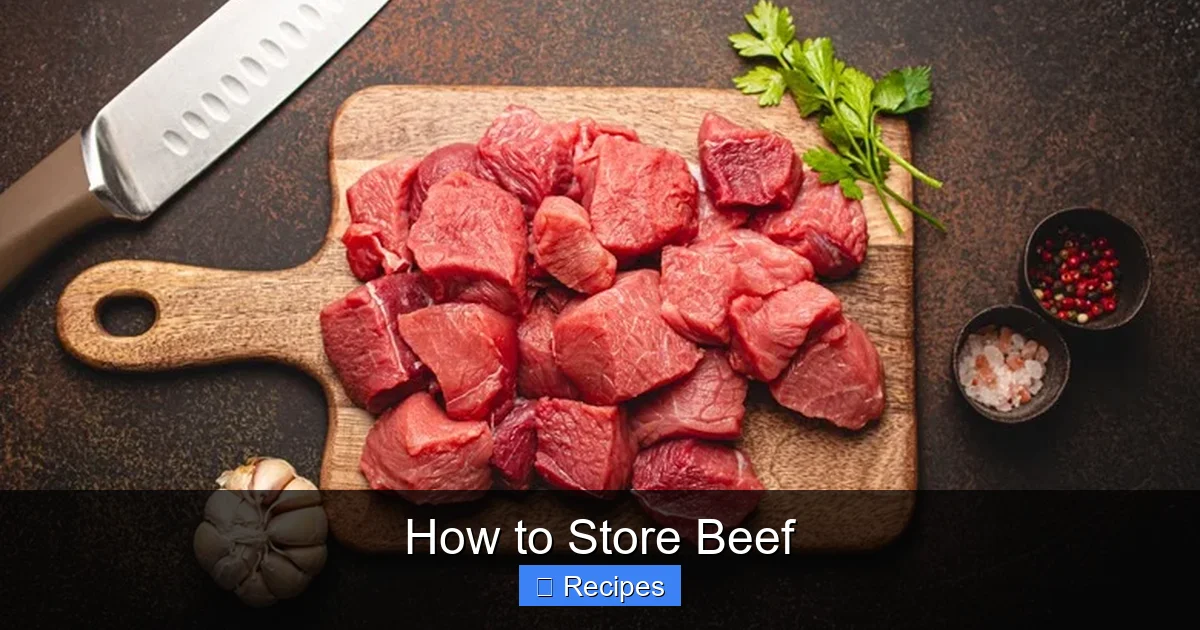
Visual guide about How to Store Beef
Image source: tastingtable.com
Location, Location, Location: The Coldest Spot
Not all parts of your fridge are equally cold. The warmest area is usually the door shelves, where temperatures fluctuate every time you open the door. Never store raw beef there. The coldest, most consistent zone is typically the bottom shelf, towards the back. This is strategic for two reasons: 1) Cold air sinks, so the bottom is naturally colder, and 2) it prevents any potential drips from raw meat from contaminating ready-to-eat foods like fruits, vegetables, or cooked leftovers stored on lower shelves below. Always place beef on a plate or in a shallow dish to catch any liquid.
Original Packaging vs. Re-packaging
The tray and plastic wrap your beef comes in from the store is designed for display, not long-term storage. It’s permeable to air and often has tiny punctures. For refrigeration beyond 24 hours, it’s best to re-package.
- For steaks and chops: Place them on a piece of parchment or wax paper, then loosely cover with plastic wrap or place in a shallow, airtight container.
- For ground beef or stew meat: Transfer it from its styrofoam tray to an airtight container or a resealable plastic bag. Press out as much air as possible before sealing.
Pro Tip: If you know you’ll use the beef in 1-2 days, keeping it in its original packaging on the bottom shelf is acceptable. But for anything longer, re-packaging is a small step that significantly extends freshness.
The 3-5 Day Rule and When to Cook or Freeze
As a general rule from food safety authorities like the USDA:
- Steaks, roasts, and chops (beef, pork, lamb, veal): 3 to 5 days in the refrigerator.
- Ground beef, stew meat, and organ meats: 1 to 2 days in the refrigerator. The grinding process distributes bacteria throughout the meat, so it has a shorter safe fridge life.
To avoid forgetting, label the package with the date you brought it home. If you realize you won’t cook it within this window, freeze it immediately. Do not wait until day 4 to freeze it; that just pauses the clock on already-aged meat.
Freezing Beef for Long-Term Preservation
Freezing is your ultimate tool for combating food waste and always having quality beef on hand. The goal is to freeze it as quickly as possible after purchase (or after cooking) and to package it to prevent freezer burn, which is dehydration and oxidation caused by air contact.
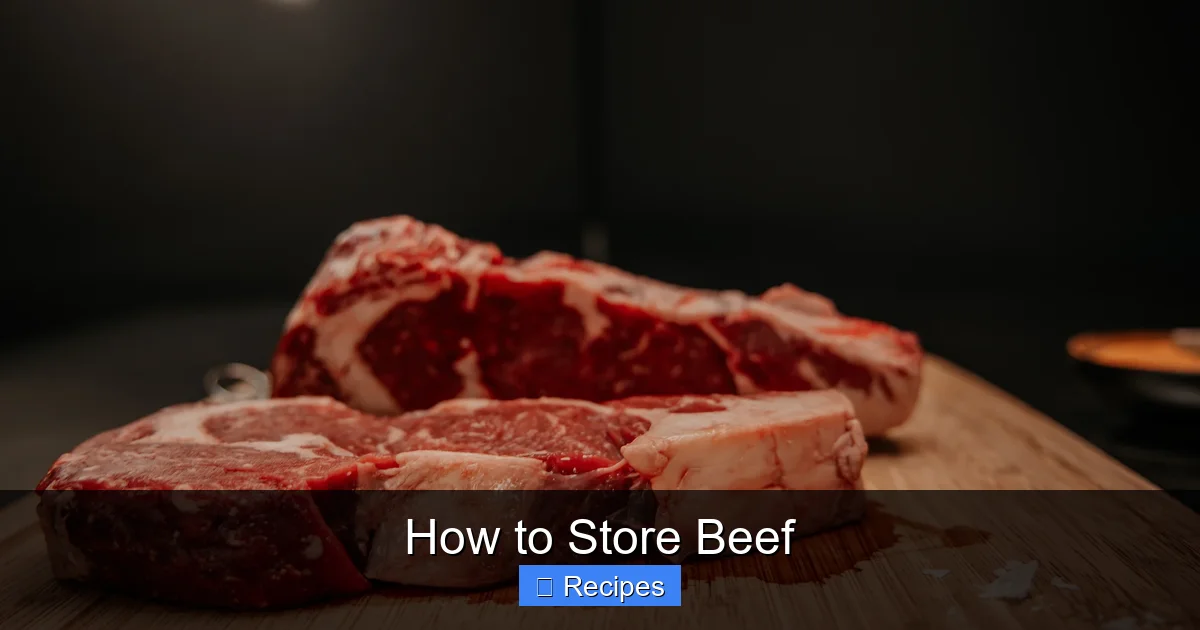
Visual guide about How to Store Beef
Image source: assets-global.website-files.com
Step 1: Prep for the Freeze
Do not just toss the store package into the freezer. Follow these steps:
- Trim excess fat. While fat adds flavor, it can become rancid over long freezer storage. Trim large, hard fat caps.
- Pat it dry. Use a paper towel to remove any surface moisture. Less moisture means less ice crystal formation inside the package.
- Portion it out. Freeze in quantities you’ll use for a single meal. This prevents you from having to thaw a 5-pound roast when you only want two steaks. For stew meat, freeze in 1-pound bags. For steaks, separate them with a piece of parchment paper and place them in a single freezer bag.
Step 2: Choose Your Packaging Weapon
The packaging is the most critical factor for preventing freezer burn. Here are your best options, ranked from most to least effective:
- Vacuum Sealing: The gold standard. It removes nearly all air. Ideal for large roasts, expensive steaks, or long storage (over 6 months).
- Heavy-Duty Freezer Bags: Use bags specifically labeled “freezer.” They are thicker and more puncture-resistant than regular zip-top bags. The “water displacement” method works wonders: place beef in the bag, seal all but one corner, slowly submerge in water to push air out, then seal completely.
- Freezer Paper + Plastic Wrap or Foil: A classic, reliable method. Wrap the beef tightly in freezer paper (waxy side against the meat), then seal with plastic wrap or aluminum foil. The paper provides a barrier against air and moisture.
- Avoid: Original thin plastic wrap, regular zip-top bags, and bakery-style paper. They are not airtight and will lead to freezer burn within weeks.
Step 3: Label, Date, and Organize
You will forget what’s in that opaque bag and when you froze it. Use a permanent marker to write on the bag or a label: “Beef Tenderloin Steaks – Jan 15, 2024”. Include the cut and the freeze date. Organize your freezer by type (beef, poultry, veggies) and by date, with the oldest items in front for a “first-in, first-out” system.
The Science of Thawing: Doing It Right
How you thaw frozen beef is just as important as how you froze it. Improper thawing is a major cause of bacterial growth. Never thaw beef on the kitchen counter, in hot water, or in a warm car. The outer layers will reach the Danger Zone while the inside is still frozen.
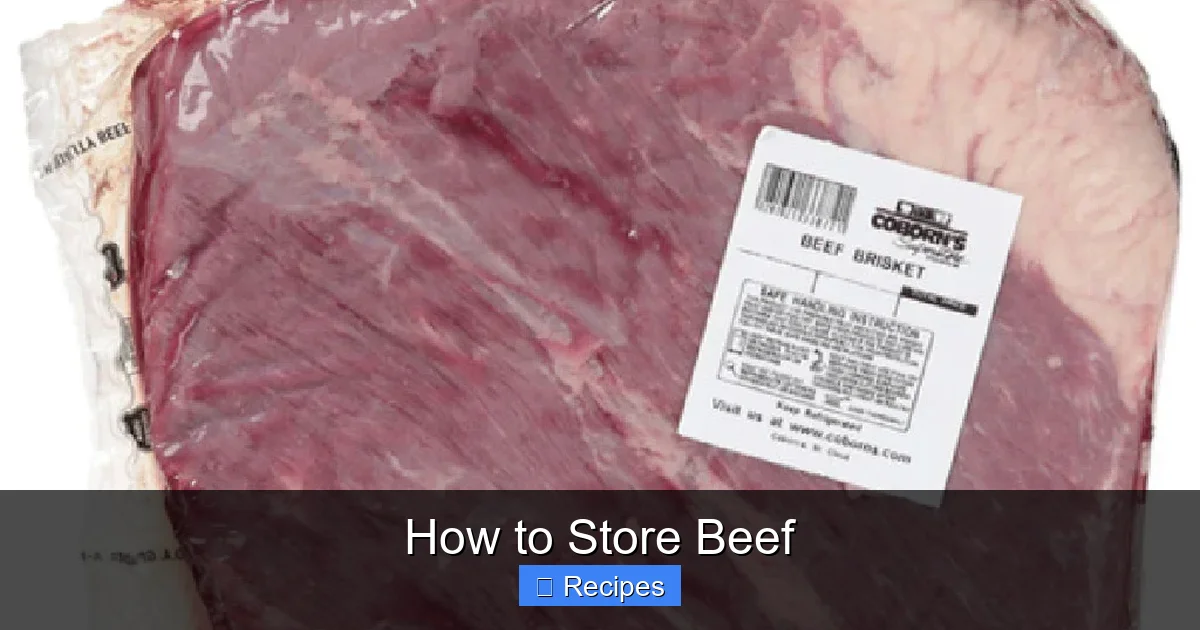
Visual guide about How to Store Beef
Image source: eatgap.com
The Champion: Refrigerator Thawing
This is the safest and most recommended method. Place the frozen beef (still in its leak-proof packaging) on a plate or tray on the bottom shelf of your refrigerator. Allow approximately 24 hours of thawing time for every 5 pounds (2.3 kg) of meat. A 1-inch steak may thaw in 12-24 hours; a large 10-pound roast could take 2-3 days. The beauty of this method is that the beef stays at a safe, refrigerated temperature (below 40°F) the entire time. Once thawed this way, it is safe to keep in the fridge for an additional 3-5 days (for steaks/roasts) before cooking.
The Quick Methods: Cold Water & Microwave
When time is tight, you have two other safe options:
- Cold Water Thawing: Ensure the beef is in a leak-proof plastic bag to prevent water contamination. Submerge the bag in a bowl of cold tap water. Change the water every 30 minutes to keep it cold. Small packages may thaw in 1-2 hours; larger ones may take 3-4 hours. Cook immediately after thawing—do not refrigerate.
- Microwave Thawing: Use the “defrost” or low-power setting. Rotate and check the beef frequently to avoid starting the cooking process on the edges. This method can partially cook the meat, creating uneven spots. Cook immediately after microwaving, as some areas may have become warm.
Never Refreeze Thawed Beef? It is safe to refreeze raw beef that was thawed in the refrigerator, though you may lose some quality due to additional moisture loss. Do not refreeze beef thawed by the cold water or microwave method unless it is cooked first.
Safety First: Recognizing Spoilage & Best Practices
Even with perfect storage, it’s vital to know how to assess beef’s safety. Trust your senses, but also understand that pathogenic bacteria often have no smell, taste, or color change.
The Sensory Check: Sight, Smell, Touch
- Sight: Fresh beef is bright cherry red (when exposed to oxygen). Vacuum-packed beef is purplish-red, which is normal. Spoilage signs include large, dull brown or grayish-green patches, mold, or a sticky, slimy film on the surface.
- Smell: Fresh beef has a very mild, metallic, or almost neutral scent. A sour, ammonia-like, or just generally “off” or rotten smell is a clear indicator of spoilage.
- Touch: Fresh beef is firm and moist but not wet. If it feels excessively slimy, sticky, or tacky to the touch, discard it.
When in Doubt, Throw it Out. This is the cardinal rule of food safety. The cost of a package of beef is never worth the risk of a severe foodborne illness.
Cross-Contamination: The Silent Risk
Raw beef juices contain bacteria. Prevent them from spreading:
- Keep beef in its sealed package or container until you’re ready to use it.
- Place packages on a plate or tray to catch drips.
- Wash your hands thoroughly with soap and hot water for at least 20 seconds after handling raw beef.
- Use separate cutting boards for raw meat and for vegetables/fruits. Color-coding boards (red for meat, green for veggies) is a great system.
- Clean all surfaces, utensils, and knives that touch raw beef with hot, soapy water immediately after use.
Pro Tips & Common Storage Mistakes to Avoid
Now that you know the fundamentals, let’s elevate your game with expert tips and warnings about common pitfalls.
Pro Tips for Peak Quality
- The Paper Towel Trick: For steaks in the fridge, place a paper towel underneath and on top. It absorbs excess moisture, helping the surface stay dry and less prone to sliminess.
- Freeze Flat: When using freezer bags, lay the bag flat on a baking sheet to freeze. Once solid, you can stack the bags neatly, saving freezer space.
- Marinate Before Freezing: Add your favorite marinade to a zip-top bag with the beef, squeeze out air, and freeze. The beef will marinate as it thaws. (Note: if the marinade contains acid (vinegar, citrus), it can slightly change the meat’s texture over very long storage, so plan to use within 3-4 months).
- Cook From Frozen: For certain cuts like thin steaks, chicken breasts, or hamburger patties, you can cook them directly from frozen. Add 50% to the cooking time and ensure the internal temperature reaches the safe mark (145°F for whole cuts, 160°F for ground beef).
Critical Mistakes That Ruin Your Beef
- Temperature Abuse: Leaving beef in the car or on the counter for too long after shopping. Always refrigerate or freeze within 2 hours (1 hour if ambient temperature is above 90°F/32°C).
- Using Grocery Bags for Freezing: The thin plastic bags from the checkout lane are not freezer-safe. They will allow air in and become brittle and crack.
- Freezer Overpacking: Don’t jam your freezer full. You need air circulation to maintain the 0°F temperature. An overpacked freezer works harder and may not keep a consistent cold.
- Not Labeling: The “mystery meat” in the back of the freezer will eventually be thrown out. Label everything.
- Refreezing Thawed Beef (Improperly): Only refreeze beef that was thawed in the refrigerator. Never refreeze beef that was thawed using the cold water or microwave methods unless it has been cooked first.
- Storing Cooked Beef Like Raw: Cooked beef has a shorter fridge life (3-4 days) than raw beef (3-5 days for steaks/roasts). Treat it like any other leftover.
Frequently Asked Questions
Can I store beef in its original grocery store packaging in the freezer?
No. The thin plastic and styrofoam trays are not designed for long-term freezing and are permeable to air, leading to rapid freezer burn. For best results, always re-wrap beef in freezer-safe materials like heavy-duty freezer bags, vacuum seal bags, or freezer paper before freezing.
How long is ground beef good for in the refrigerator?
Due to the grinding process which increases surface area and distributes bacteria, raw ground beef has a shorter safe refrigerator life than whole cuts. It should be cooked or frozen within 1 to 2 days of purchase. Always check for a sour smell or slimy texture before using.
Is it safe to thaw beef on the countertop overnight?
Absolutely not. Room temperature thawing allows the outer layers of the beef to enter the Danger Zone (40°F-140°F) where bacteria multiply rapidly, while the inside remains frozen. This is a major food safety risk. Always thaw in the refrigerator, in cold water (in a sealed bag), or in the microwave.
What is freezer burn and is it safe to eat?
Freezer burn is dehydration and oxidation that occurs when air contacts the surface of frozen food. It causes dry, tough, discolored (grayish-brown) patches and a stale flavor. While it is not harmful to eat from a food safety perspective, the texture and taste are severely degraded. You can cut off heavily freezer-burned areas before cooking, but it’s best prevented with proper airtight packaging.
How can I tell if beef in the fridge has gone bad if it doesn’t smell?
Smell is a primary indicator, but not the only one. Look for significant discoloration (brown, gray, or green patches) and a sticky, slimy, or tacky texture on the surface. If the beef feels unusually wet or sticky, or if the color has changed dramatically from its original bright red/purplish-red, it should be discarded. When in any doubt, throw it out.
Can I refreeze raw beef that was thawed in the refrigerator?
Yes, it is safe to refreeze raw beef that was thawed in the refrigerator, provided it has remained at 40°F or below the entire time. However, each freeze-thaw cycle can cause a slight loss of moisture and quality. For the best results, it’s recommended to cook the beef after the first thaw. If you must refreeze, do so quickly and use it within a few months for best quality.
Pingback: Beef Tenderloin Cut Diagram - kitchenandhouseware.com
Pingback: How Many Pounds of Beef Tenderloin per Person - kitchenandhouseware.com
Pingback: Corn Beef Brisket Crock Pot - kitchenandhouseware.com
Pingback: How Much Taco Seasoning per Pound of Beef - kitchenandhouseware.com
Pingback: Beef Stew with Red Wine - kitchenandhouseware.com