Storing mashed avocado correctly is essential to maintain its freshness, color, and flavor. By using acidic additives like lemon juice and airtight containers, you can extend its shelf life from a few days in the fridge to several months in the freezer. This guide provides easy, practical methods to store mashed avocado effectively, helping you avoid waste and enjoy this superfood anytime.
How to Store Mashed Avocado
Hey there, avocado enthusiast! Let’s chat about a common kitchen woe: you mash a perfectly ripe avocado, maybe for some guacamole or a creamy spread, and then what happens? It starts turning brown and sad way too soon. It’s frustrating, especially when you want to make the most of this nutritious fruit. But don’t worry—knowing how to store mashed avocado properly can be a total game-changer. Whether you’re prepping for a party, saving leftovers, or just trying to reduce food waste, this guide has got you covered. We’ll dive into simple, science-backed methods to keep your mashed avocado fresh, green, and delicious for as long as possible. From quick fridge fixes to long-term freezer hacks, you’ll learn everything you need to master the art of storing mashed avocado. So, let’s get started and say goodbye to brown, mushy avocado forever!
First off, why does mashed avocado brown so quickly? It all comes down to oxidation. When you cut into an avocado, enzymes inside react with oxygen in the air, causing that unappetizing color change. But with the right techniques, you can slow this process down significantly. In this article, we’ll explore why proper storage matters, the best containers to use, how acidic agents like lemon juice work wonders, and step-by-step methods for both short-term and long-term storage. Plus, we’ll share practical tips and creative ways to use your stored mashed avocado so it never goes to waste. By the end, you’ll be a pro at keeping avocado fresh, saving you money and time while boosting your meals with that creamy goodness.
Key Takeaways
- Prevent Oxidation: Adding lemon or lime juice to mashed avocado slows down browning by inhibiting enzyme activity that causes discoloration.
- Use Airtight Containers: Minimize air exposure by storing in sealed containers or pressing plastic wrap directly on the surface to create a barrier.
- Refrigerate Promptly: Store mashed avocado in the fridge within 1-2 hours of mashing for best results and to prevent bacterial growth.
- Freeze for Long-Term Storage: Mashed avocado can be frozen for up to 6 months with proper preparation, making it ideal for meal prep.
- Thaw Safely: Thaw frozen mashed avocado in the refrigerator overnight to retain optimal texture and flavor for use in recipes.
- Avoid Common Pitfalls: Skipping acidic additives or using containers that allow air ingress leads to quicker spoilage and wasted avocado.
📑 Table of Contents
Understanding Why Mashed Avocado Goes Bad
Before we jump into storage solutions, it’s helpful to understand what’s happening inside that bowl of mashed avocado. Avocados contain an enzyme called polyphenol oxidase. When the fruit’s flesh is exposed to air, this enzyme reacts with compounds called phenolics, leading to oxidation. This is what turns the vibrant green into a dull brown or even black. But oxidation isn’t the only villain; factors like light, temperature, and microbial growth also play a role in spoilage. By tackling these elements, we can effectively store mashed avocado and extend its life.
The Science Behind Avocado Browning
Think of an avocado like a little chemical factory. Inside, polyphenol oxidase enzymes are just waiting to spring into action when the cells are broken—like when you mash it. Oxygen from the air acts as a catalyst, causing the enzymes to produce melanins, which are brown pigments. This process happens quickly, especially at room temperature. That’s why a freshly mashed avocado can start browning within minutes. But here’s the cool part: you can slow it down by limiting oxygen exposure or by creating an acidic environment. Acids, like those from lemons or limes, denature the enzymes, making them less effective. So, when you store mashed avocado, adding a splash of citrus is one of the first lines of defense.
Factors That Accelerate Spoilage
Beyond oxidation, several things can make your mashed avocado go bad faster. Light, for instance, can speed up enzymatic reactions, so storing it in a dark place like the fridge helps. Temperature is another biggie—warm environments encourage bacterial growth, so refrigeration is key for anything beyond immediate use. Also, contamination from dirty utensils or saliva (yes, if you double-dip!) introduces microbes that can spoil the avocado. To store mashed avocado safely, always use clean tools, keep it cold, and shield it from air as much as possible. Understanding these factors helps you choose the right storage method for your needs.
Short-Term Storage: Refrigeration Techniques
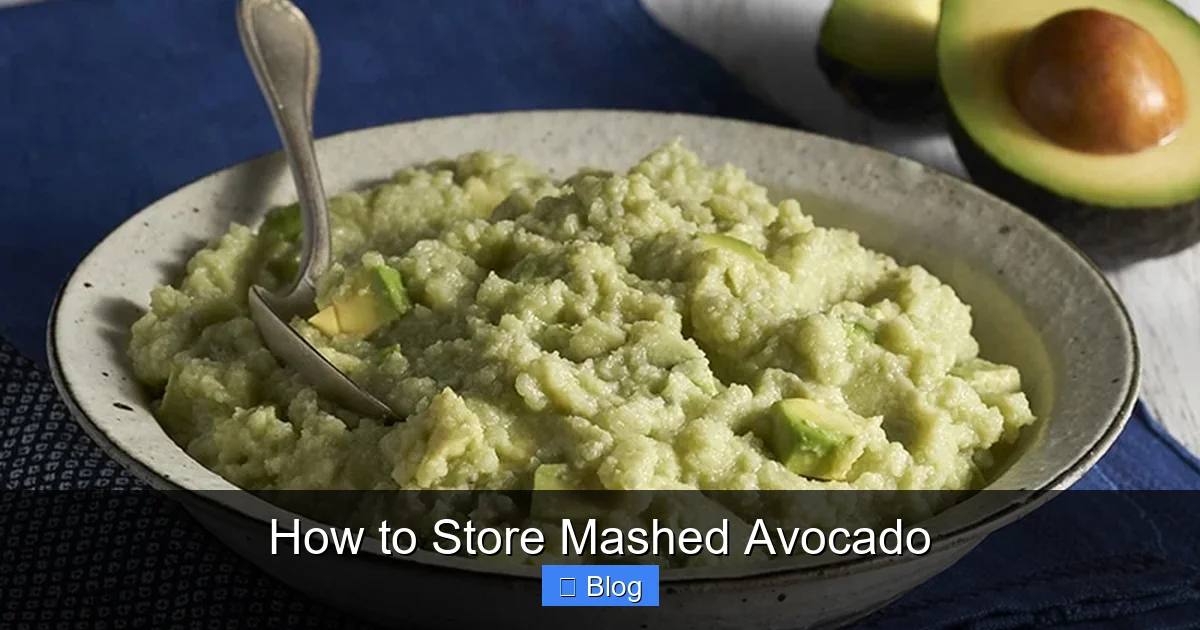
If you’re planning to use your mashed avocado within a day or two, refrigeration is your best friend. The goal here is to create a barrier against air and keep it cold to slow down enzymatic and microbial activity. But it’s not as simple as just popping it in a bowl and covering it—there are tricks to make it last longer and stay greener. Let’s explore the most effective ways to store mashed avocado in the fridge.
Visual guide about How to Store Mashed Avocado
Image source: californiaavocado.com
Choosing the Right Container
The container you pick can make or break your mashed avocado’s freshness. Ideal containers are airtight and small enough to minimize extra air space. Glass jars with tight-sealing lids work great, as do reusable plastic containers. But here’s a pro tip: if you don’t have a small container, you can use a regular bowl and cover it tightly with plastic wrap. Make sure the plastic wrap presses directly onto the surface of the mashed avocado—this eliminates air pockets and prevents a skin from forming. Some people even use silicone food covers or vacuum-seal bags for an extra tight seal. Whatever you choose, avoid containers that leave a lot of air above the avocado, as that air will still cause oxidation over time.
The Role of Acidic Additives
Adding an acid is one of the most reliable ways to store mashed avocado without it turning brown. Lemon or lime juice are perfect because they’re mild in flavor and rich in citric acid, which lowers the pH and inhibits enzyme activity. For every cup of mashed avocado, about 1-2 tablespoons of fresh citrus juice does the trick. Mix it in thoroughly right after mashing. You can also use vinegar, like white or apple cider, but it might impart a stronger taste, so use sparingly. Some folks add a pinch of salt along with the acid to enhance flavor and further preserve. This step is crucial—it’s what buys you extra time in the fridge, often keeping the avocado green for up to 3 days.
How Long Can You Keep It in the Fridge?
With proper preparation—acid added and sealed in an airtight container—mashed avocado can last in the refrigerator for about 2 to 3 days. After that, it may start to develop off-flavors or textures, even if it looks okay. Always trust your senses: if it smells sour or has mold, discard it. To maximize freshness, store it in the coldest part of your fridge, usually the back of a lower shelf, not in the door where temperatures fluctuate. If you need it to last longer than a few days, consider freezing, which we’ll cover next. But for immediate use, these fridge methods are simple and effective for storing mashed avocado without hassle.
Long-Term Storage: Freezing Mashed Avocado
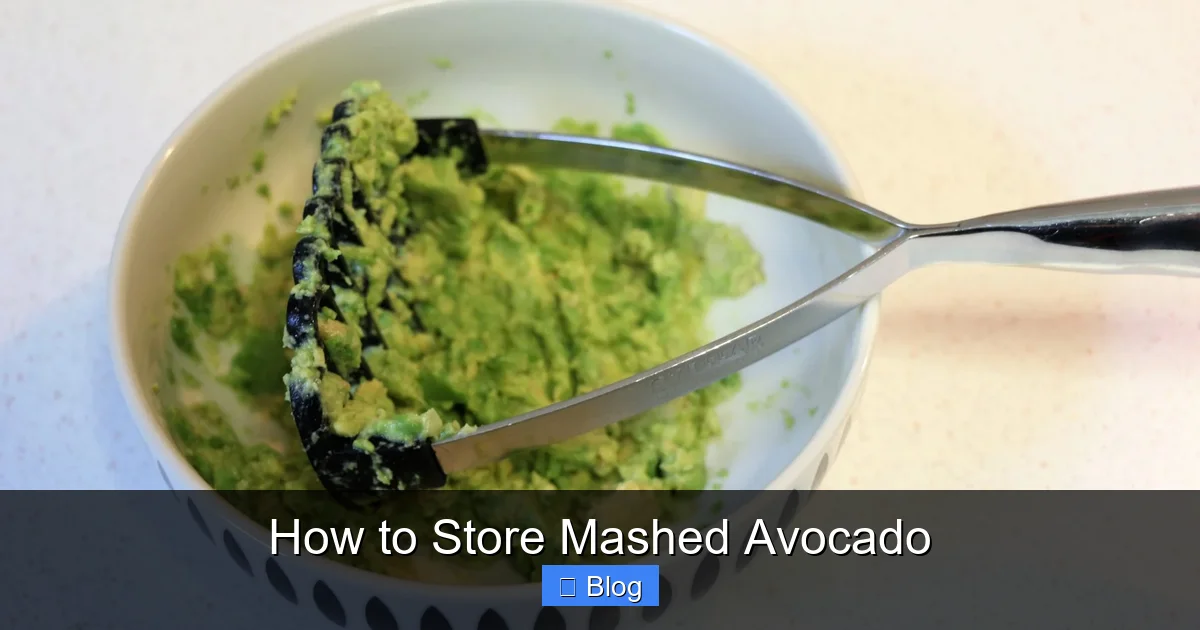
Freezing is the ultimate solution when you want to store mashed avocado for weeks or even months. It halts enzymatic activity and microbial growth almost completely, preserving the avocado’s nutrients and flavor for future use. However, freezing can affect texture—avocados have high water content, and ice crystals can break cell walls, making thawed mashed avocado slightly more watery or less creamy. But with the right prep, you can minimize this and still enjoy it in smoothies, dips, or cooked dishes. Let’s break down how to freeze mashed avocado successfully.
Visual guide about How to Store Mashed Avocado
Image source: storables.com
Preparing Avocado for Freezing
The key to freezing mashed avocado is preparation. Start with perfectly ripe avocados—not too hard, not too mushy. Mash them as usual, then add your acidic agent. For freezing, you might want to use a bit more lemon or lime juice than for refrigeration, about 1 tablespoon per avocado, to further protect against browning during thawing. Mix it in well. Next, consider portion sizes. Freezing in individual servings, like in ice cube trays or small bags, makes it easy to thaw only what you need. Label each portion with the date so you can keep track of freshness. Avoid adding salt or other seasonings before freezing if you plan to use the avocado in various recipes, as salt can draw out more moisture.
Freezing Methods: Containers vs. Bags
You have options when it comes to packaging your mashed avocado for the freezer. Airtight containers are sturdy and reusable—just fill them, leave a little headspace for expansion, and seal tightly. Freezer bags are another great choice, especially for flat storage. Spoon the mashed avocado into a bag, squeeze out as much air as possible, and lay it flat in the freezer. This saves space and allows for quick thawing. Some people use ice cube trays for small portions: fill the cubes, freeze solid, then transfer to a bag. This method is perfect for adding a single cube to a smoothie. No matter the method, ensure there’s minimal air contact to prevent freezer burn, which can affect flavor and texture.
Thawing and Using Frozen Mashed Avocado
When you’re ready to use your frozen mashed avocado, thaw it safely in the refrigerator overnight. Avoid thawing at room temperature, as this can cause uneven melting and potential bacterial growth. Once thawed, you might notice a bit of liquid separation—simply stir it back in or drain off excess water if the recipe calls for a thicker consistency. Frozen mashed avocado works best in applications where texture isn’t critical, like in smoothies, soups, or baked goods (think avocado brownies!). It can still be used for guacamole, but you may need to add extra acid or fresh herbs to brighten the flavor. Remember, thawed mashed avocado won’t be as fluffy as fresh, but it’s still nutritious and versatile.
Advanced Tips for Extending Freshness
Once you’ve mastered the basics of storing mashed avocado, you can level up with some advanced techniques. These tips go beyond simple refrigeration and freezing to help you keep avocado fresh even longer, with minimal quality loss. They involve creating physical barriers against air, using specialized tools, and combining storage with other ingredients for added preservation. Let’s explore these savvy strategies.
Visual guide about How to Store Mashed Avocado
Image source: cdn.winsightmedia.com
Using Olive Oil as a Barrier
Olive oil isn’t just for cooking—it can also act as a protective layer for mashed avocado. After mashing and adding citrus juice, gently stir in a teaspoon of olive oil per avocado. The oil coats the surface, creating a seal that reduces air exposure. Then, transfer to an airtight container and press plastic wrap directly on top before sealing. This oil barrier helps maintain moisture and slows oxidation further. It’s especially useful if you’re storing mashed avocado for a day or two and want extra insurance against browning. Plus, it adds a rich flavor that pairs well with many dishes.
Vacuum Sealing for Optimal Results
If you have a vacuum sealer, this is one of the best ways to store mashed avocado for both short and long-term use. Vacuum sealing removes almost all air from the bag or container, drastically slowing oxidation. Portion your mashed avocado into vacuum-seal bags, suck out the air, and seal. For fridge storage, it can last up to a week; for freezing, several months with little texture change. If you don’t have a vacuum sealer, you can use a straw to suck air out of a zip-top bag as a makeshift method. This technique is ideal for meal preppers or anyone who wants to store mashed avocado in bulk without worry.
Storing with Other Ingredients
Sometimes, mixing mashed avocado with other foods can enhance preservation. For example, combining it with salsa or diced tomatoes adds acidity and creates a buffer against air. Similarly, stirring in a bit of plain yogurt or sour cream introduces lactic acid, which helps prevent browning. However, be cautious: adding ingredients changes the flavor profile and may limit how you use the stored avocado later. If you do this, store the mixture in an airtight container and refrigerate promptly. This method is great if you know you’ll use the mash for a specific recipe, like a dressing or dip, right away.
Common Mistakes to Avoid
Even with the best intentions, it’s easy to slip up when storing mashed avocado. Small errors can lead to quicker spoilage, wasted food, or disappointing results. By knowing these common pitfalls, you can avoid them and ensure your avocado stays fresh and tasty. Let’s look at some mistakes people often make and how to sidestep them.
Skipping the Acidic Step
One of the biggest errors is forgetting to add lemon or lime juice. Without acid, the polyphenol oxidase enzyme runs wild, browning the avocado within hours. Even a small amount of citrus can make a huge difference. So, always make it a habit to mix in acid right after mashing. If you’re out of citrus, a splash of orange juice or even a vinegar-based solution can work in a pinch, but citrus is best for flavor. Don’t skip this step—it’s the foundation of effective mashed avocado storage.
Improper Container Sealing
Using a container that isn’t truly airtight is another common issue. Bowls with loose lids or covers that don’t seal well let in air, accelerating browning. Also, simply covering a bowl with a plate isn’t enough—air still circulates. Instead, use containers with rubber gaskets or screw-top lids. If using plastic wrap, press it firmly against the avocado surface to eliminate air bubbles. For freezing, ensure bags are sealed tightly to prevent freezer burn. Investing in good storage gear pays off in the long run when you store mashed avocado regularly.
Freezing Without Preparation
Tossing mashed avocado straight into the freezer without adding acid or portioning it is a recipe for disaster. You’ll end up with a large, icy block that thaws into a watery mess. Always add citrus juice before freezing, and divide into usable portions. Also, label your freezer bags with the date—frozen mashed avocado is best used within 6 months for peak quality. By preparing it properly, you’ll have convenient, ready-to-use avocado whenever you need it, without the guesswork.
Creative Ways to Use Stored Mashed Avocado
Now that you know how to store mashed avocado like a pro, it’s time to get creative with how you use it. Stored mashed avocado isn’t just for guacamole—it’s a versatile ingredient that can elevate many dishes, from breakfast to dessert. Whether you’ve refrigerated it for a few days or thawed it from the freezer, there are plenty of ways to incorporate it into your meals without compromising on taste or nutrition. Let’s explore some fun and practical ideas.
In Smoothies and Dips
Smoothies are a perfect use for stored mashed avocado, especially frozen portions. The creamy texture blends seamlessly with fruits and greens, adding healthy fats and fiber without a strong avocado flavor. Try adding a cube to your morning banana-spinach smoothie. For dips, mix refrigerated mashed avocado with Greek yogurt, herbs, and spices for a quick veggie dip. Or, blend it with salsa for a seamless topping for tacos. Because stored mashed avocado might be slightly less firm, it’s ideal for recipes where it’s combined with other ingredients, masking any texture changes.
As a Substitute in Recipes
Mashed avocado can replace less healthy fats in many recipes. Use it in place of butter or oil in baking—swap half the butter for mashed avocado in brownies or muffins for a moist, nutrient-rich treat. In sandwiches or wraps, spread it instead of mayo for a creamy, cholesterol-friendly option. It also works well in pasta sauces, blending into a creamy avocado Alfredo. When using stored mashed avocado in cooking, remember that frozen-thawed mash might be waterier, so adjust other liquids in the recipe accordingly. These substitutions not only reduce waste but also boost the nutritional profile of your meals.
Quick Snack Ideas
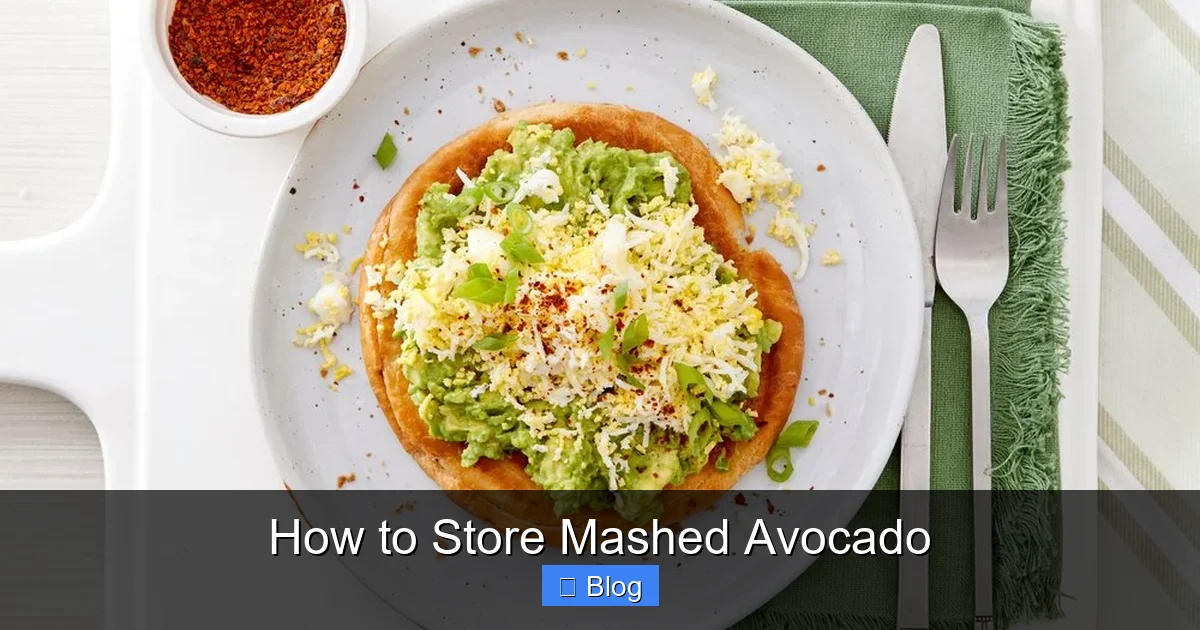
For simple, no-fuss snacks, stored mashed avocado is a star. Spread it on whole-grain toast and top with a sprinkle of salt, red pepper flakes, or a poached egg for avocado toast in minutes. Dollop it onto roasted vegetables or baked potatoes for added creaminess. You can even mix it into hard-boiled egg salad for a twist. If you have refrigerated mashed avocado, use it within a day or two for these fresh applications. With a little creativity, you’ll find that storing mashed avocado opens up a world of quick, healthy eating options.
Conclusion
Storing mashed avocado doesn’t have to be tricky. With the right knowledge and a few simple steps, you can keep this superfood fresh, green, and ready to use whenever you need it. From understanding the science of browning to mastering refrigeration and freezing techniques, you now have a toolkit to combat waste and save money. Remember, the key is to act quickly—add acid, seal out air, and store at the right temperature. Whether you’re prepping for the week or saving leftovers, these methods ensure your mashed avocado stays delicious. So next time you have extra avocado, don’t let it go brown. Store it properly and enjoy its creamy goodness in smoothies, dips, snacks, and more. Your future self will thank you!
Frequently Asked Questions
How long does mashed avocado last in the refrigerator?
When stored properly with lemon juice in an airtight container, mashed avocado can last 2-3 days in the fridge. Always check for signs of spoilage like off smells or mold before using.
Can you freeze mashed avocado without lemon juice?
You can freeze mashed avocado without lemon juice, but it will brown more quickly upon thawing. Adding acid helps preserve color and flavor, so it’s highly recommended for best results.
What is the best container for storing mashed avocado?
The best containers are airtight, like glass jars or BPA-free plastic containers with tight lids. For a quick fix, cover the mashed avocado with plastic wrap pressed directly on the surface to minimize air exposure.
How do you prevent mashed avocado from turning brown?
To prevent browning, mix in 1-2 tablespoons of lemon or lime juice per cup of mashed avocado, then store it in an airtight container in the refrigerator or freezer. The acid inhibits the enzyme that causes discoloration.
Is it safe to eat brown mashed avocado?
Brown mashed avocado is generally safe to eat if it has been stored properly and doesn’t have a sour smell or mold. The browning is due to oxidation and doesn’t necessarily mean spoilage, but the texture and taste may be off.
Can you store mashed avocado at room temperature?
No, mashed avocado should not be stored at room temperature for more than 2 hours, as bacteria can grow rapidly. For safety and freshness, always refrigerate or freeze it promptly after mashing.
Pingback: How Much Protein in an Avocado - kitchenandhouseware.com
Pingback: Can You Freeze Mashed Potatoes - kitchenandhouseware.com