Storing mangosteen correctly is crucial due to its thin, perishable rind. For immediate eating, keep ripe fruit at cool room temperature for 2-3 days. For longer storage, always refrigerate ripe mangosteen in the crisper drawer, where it will last 5-7 days. Freezing is the best long-term option; properly prepped frozen segments retain quality for 6-12 months and are perfect for smoothies and desserts. The golden rule is to avoid moisture and direct sunlight at all costs, as they accelerate decay.
Key Takeaways
- Ripeness is the First Step: Only store ripe mangosteen (deep purple, slight give). Unripe fruit (greenish) will not ripen further off the tree and will spoil without sweetening.
- Room Temperature is Short-Term Only: Use your countertop for fruit you’ll eat within 48 hours. Keep it in a single layer, away from sunlight and heat sources.
- The Crisper Drawer is Your Best Friend: Refrigeration is the standard method. Store whole, dry fruit in a perforated bag or container in the high-humidity crisper drawer for 5-7 days.
- Freezing Requires Prep: You cannot freeze whole mangosteen successfully. You must peel, segment, and often freeze the arils (the edible flesh) on a tray before bagging to prevent clumping.
- Moisture is the Enemy: Never wash mangosteen before storage. Any surface moisture will penetrate the rind and cause mold. Handle with dry hands and ensure fruit is bone-dry.
- Cut Fruit is Ultra-Perishable: Once peeled, mangosteen segments must be refrigerated in an airtight container and used within 2 days. Tossing them with a little citrus juice can help prevent browning.
- Inspect Regularly: Check stored fruit every day. Remove any showing signs of soft spots, leaking, or mold immediately to prevent it from spreading to nearby fruit.
📑 Table of Contents
- The Delicate Jewel: Understanding Mangosteen’s Unique Storage Needs
- Room Temperature Storage: The Short-Term Game
- Refrigeration: Your Standard Preservation Method
- Freezing Mangosteen: The Long-Term Ally
- Advanced Techniques: Dehydrating and Vacuum Sealing
- The Don’ts: Common Mistakes That Ruin Mangosteen
- From Storage to Table: Bringing Mangosteen Back to Life
- Conclusion: Respect the Queen
The Delicate Jewel: Understanding Mangosteen’s Unique Storage Needs
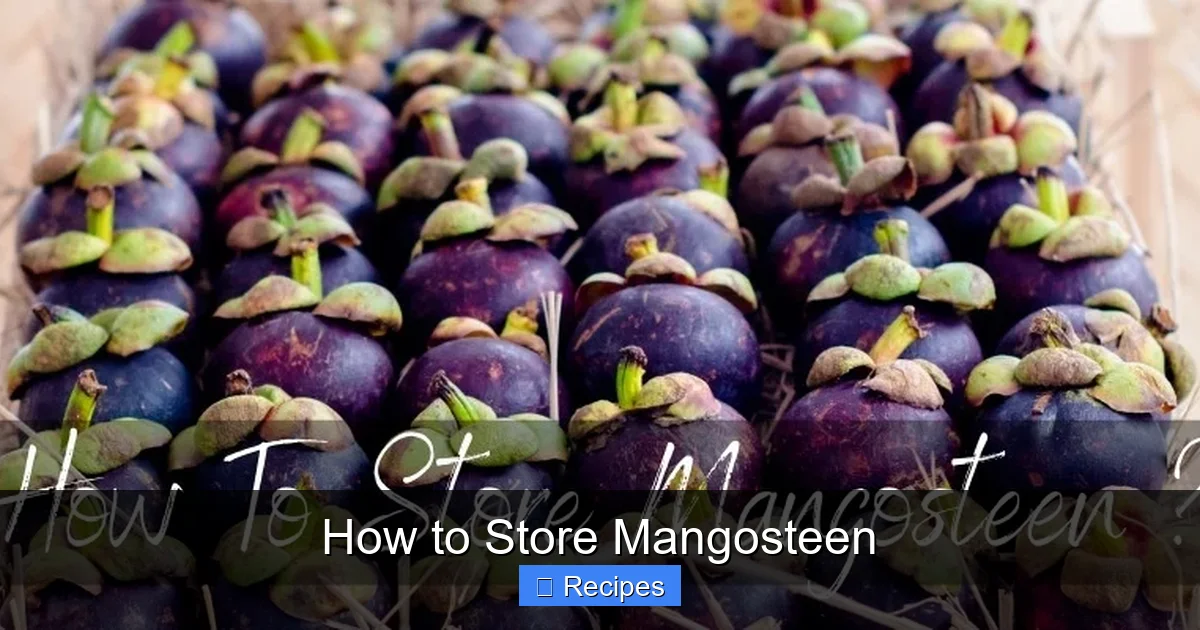
Let’s talk about the mangosteen. Often crowned the “Queen of Fruits” in Southeast Asia, this deep purple, mystical orb is a treasure trove of sweet, tangy, and slightly floral arils. But here’s the thing about royalty: it’s notoriously high-maintenance. That gorgeous, thick-looking rind? It’s actually quite fragile and permeable. Unlike an apple or even a banana, mangosteen doesn’t have a natural, robust protective barrier. Its storage life is measured in days, not weeks, and getting it wrong means you watch your investment turn from regal purple to sad, brown mush.
The core challenge with mangosteen storage is twofold: its rind is prone to cracking and moisture absorption, and its precious arils inside oxidize and spoil rapidly once exposed. The goal of any storage method, therefore, is to create a stable, cool, and dry microenvironment that slows down enzymatic activity and fungal growth without damaging the fruit itself. Before we dive into the “how,” you must master the “when.” A mangosteen does not ripen significantly after harvest. The sugar content is locked in. What you buy at the market is as sweet as it will get. Therefore, you are not ripening it; you are simply preserving the peak state you purchased it in. This fundamental truth dictates your entire storage strategy. You are buying a perishable luxury, and your job is to treat it with the urgency and care it deserves.
Room Temperature Storage: The Short-Term Game
For most of us, the journey of a mangosteen ends on the kitchen counter. This is the most common, and often the most incorrectly executed, method. Room temperature storage is acceptable only under a very specific set of conditions: the fruit is perfectly ripe, you plan to consume it within 48 hours, and your kitchen is cool and dry. Think of it as a holding pattern, not a long-term solution.

Visual guide about How to Store Mangosteen
Image source: leo-v-store.com
The Ideal Countertop Setup
If you must store on the counter, location is everything. Never place mangosteen in direct sunlight, near the stove, dishwasher, or any heat-generating appliance. Heat is a catalyst for decay. Find the coolest spot in your kitchen—often away from windows and on a lower shelf. Store the fruit in a single layer, never stacked. Pressure from the fruit above can bruise the rind of the one below, creating a weak spot for mold to enter. A shallow basket or a wooden bowl works better than a deep fruit bowl. Good air circulation is key to prevent moisture buildup around the fruit.
The 48-Hour Rule and Daily Inspection
At room temperature, a ripe mangosteen’s clock is ticking fast. Plan to eat it within two days. On day one, it should be firm. By day two, you might notice the rind becoming very slightly yielding to gentle pressure. This is the absolute limit. Begin a daily inspection ritual. Look for any darkening of the rind from its vibrant purple to a dull, almost black hue. Feel for any soft, watery spots. A healthy mangosteen feels heavy for its size and has a taut, resilient rind. If you detect any softness, that fruit must be used immediately, ideally that day. Room temperature storage is a high-wire act; it maximizes convenience but minimizes safety.
Refrigeration: Your Standard Preservation Method
This is the workhorse of mangosteen storage. For most consumers, the refrigerator is the best tool to extend the life of a ripe fruit by a few crucial extra days. The key to success here is understanding your fridge’s zones and managing moisture. The goal is cold, not wet.

Visual guide about How to Store Mangosteen
Image source: anwar.store
Targeting the Crisper Drawer: Humidity is Key
Not all parts of your fridge are created equal. The vegetable crisper drawers are designed with humidity control in mind. For mangosteen, you want the drawer set to high humidity. This setting closes the vents, creating a slightly more moist environment that helps prevent the fruit’s rind from drying out and cracking, which is a primary cause of spoilage. A dried-out rind becomes brittle and splits, inviting mold inside. Place your mangosteen directly in this drawer. If your crisper lacks humidity control, you can mimic it by storing the fruit in a container with a lid that has a small opening or in a perforated plastic bag. The perforations allow for just enough air exchange to prevent condensation from pooling on the fruit’s surface.
Prep and Packaging: The Dry Rule
Never, ever wash mangosteen before storing it. This is non-negotiable. Any water on the surface will be absorbed through the rind’s pores, essentially stewing the fruit from the outside in and guaranteeing rapid mold growth. Transfer fruit from the market to your fridge with clean, dry hands. If there is any visible moisture from condensation in the store bag, gently pat the rinds dry with a paper towel before refrigeration. Store the fruit whole, in a single layer if possible. You can use a clean kitchen towel inside a bowl to absorb any incidental moisture. Properly prepped and refrigerated mangosteen will typically stay in excellent condition for 5 to 7 days. You may notice the rind darkening slightly to a more wine-colored purple—this is normal and not an indicator of spoilage as long as the fruit remains firm.
Freezing Mangosteen: The Long-Term Ally
When you have a bounty of mangosteen or want to capture its peak flavor for off-season use, freezing is your only viable long-term storage option. However, you cannot simply toss whole mangosteen into the freezer. The high water content in the arils will cause the fruit to expand and rupture the rind, creating a messy, unusable block. Successful freezing requires preparation, but the effort is rewarded with fruit that, once thawed, is perfect for smoothies, sorbets, sauces, and baked goods where texture is less critical than flavor.
Visual guide about How to Store Mangosteen
Image source: foodiosity.com
The Step-by-Step Freezing Process
First, select only perfectly ripe, flawless fruit. Any bruising or soft spots will worsen in the freezer. Wash your hands and a sharp knife thoroughly. Working over a bowl, slice the mangosteen horizontally around the equator. Gently twist and pull the two halves apart. You will see the snow-white segments surrounded by inedible pith. Use your fingers or a small spoon to pry out each individual aril. This is the most time-consuming part, but it’s essential. Rinse the arils briefly in a colander under cold water to remove any lingering pith or rind bits. Pat them completely dry with a clean kitchen towel or paper towels. This final drying step is critical to prevent freezer burn.
Lay the dry arils in a single layer on a baking sheet lined with parchment paper. Ensure they are not touching. Place this tray in the freezer for 2-4 hours, or until the arils are solid. This is called “flash freezing” or “tray freezing.” Once frozen individually, they will not stick together. Quickly transfer the frozen arils to an airtight freezer bag or a vacuum-sealed bag. Squeeze out as much air as possible before sealing. Label the bag with the date. Frozen properly, mangosteen arils will maintain good quality for 6 to 12 months. For the best texture and flavor, use them within 6 months. To use, you can either thaw them slowly in the refrigerator (they will be softer) or use them directly from frozen in blended drinks.
Advanced Techniques: Dehydrating and Vacuum Sealing
Beyond the fridge and freezer, two other methods can preserve mangosteen, though they are more niche and require special equipment. These methods transform the fruit’s texture entirely but can yield delicious, concentrated results.
Dehydrating the Arils
You can dehydrate mangosteen arils to create a sweet, chewy, shelf-stable snack. After peeling and rinsing as described for freezing, you must blanch the arils briefly in boiling water (30 seconds) and shock them in ice water. This helps set their structure and prevents excessive toughening during drying. Pat them completely dry. Arrange them in a single layer on your dehydrator trays. Dry at 125°F (52°C) for 8-12 hours, or until they are leathery and pliable but no longer sticky. They should bend without breaking. Store the dried arils in an airtight container in a cool, dark pantry for several months. They are fantastic as a topping for yogurt, oatmeal, or salads.
Vacuum Sealing Fresh or Frozen Arils
If you own a vacuum sealer, it can significantly extend the life of mangosteen in both the fridge and freezer. For fresh, peeled arils you plan to use in a few days, vacuum sealing removes oxygen, dramatically slowing oxidation and bacterial growth. They may last up to a week in the crisper. For frozen arils, vacuum sealing is the gold standard. It prevents freezer burn almost entirely. After tray-freezing the arils, portion them into vacuum seal bags, seal, and freeze. This method gives you the longest possible frozen shelf life with the best texture retention.
The Don’ts: Common Mistakes That Ruin Mangosteen
Knowing what not to do is just as important as knowing what to do. These are the cardinal sins of mangosteen care that will turn your precious fruit into compost in record time.
Never Store Unripe Fruit Expecting Ripening
This is the most common misconception. A greenish-yellow or pale purple mangosteen with a very hard rind will not ripen into a sweet fruit on your counter. It will simply decay. The sugar content is determined on the tree. If your fruit is hard and greenish, it was likely harvested too early. It will not improve. Use it quickly in recipes that call for a tart flavor, or accept that it may not be at its best.
Avoid Plastic Bags Without Ventilation
Draping a loose plastic bag over mangosteen on the counter traps ethylene gas and moisture, creating a humid microclimate perfect for mold. If you must use a bag in the fridge, use one with holes or a produce-specific bag designed for breathability. For freezing, the airtight freezer bag is correct, but only after the arils are individually frozen.
Don’t Ignore the “One Bad Apple” Principle
Mangosteen spoilage is contagious in a stored bunch. One fruit with a developing mold spot or soft rot releases spores and ethylene gas that accelerates the decay of its neighbors. The moment you spot a compromised fruit, remove it from the storage container immediately. Do not just cut the bad part off and put it back; the decay is often systemic.
Refrain from Temperature Shock
Do not take a cold mangosteen from the fridge and immediately place it in a hot kitchen or, worse, try to warm it in the microwave. The rapid temperature change can cause condensation to form on the rind, introducing moisture that leads to sogginess and spoilage. If you want to eat a refrigerated mangosteen at room temperature, let it sit on the counter for 15-20 minutes before opening.
From Storage to Table: Bringing Mangosteen Back to Life
Okay, so you’ve stored your fruit perfectly. Now it’s time to enjoy it. The ritual of opening a mangosteen is part of its charm. Place it on a cutting board. Using a sharp, thin knife, score the rind around the equator, being careful not to cut too deep into the arils inside. You can also simply press your thumbs into the scored line and twist the fruit apart. The inside reveals stunning, snow-white segments, like a floral garlic bulb. Gently separate the segments. The edible part is the juicy, opaque aril. You can pop each segment directly into your mouth, squeezing the juice from the tough membrane. The seeds are small and crunchy but edible; some people eat them, others spit them out. This is a fruit to be eaten slowly, savoring each complex, sweet-tart bite. If your stored fruit was refrigerated, letting it sit at room temperature for 10 minutes before opening can enhance the flavor perception.
Conclusion: Respect the Queen
Storing mangosteen isn’t complicated, but it does require attention and respect for the fruit’s delicate nature. It’s a reminder that not all food is designed for long-distance travel and indefinite shelf life. The true joy of mangosteen lies in its fleeting availability and its need to be consumed with intention. By understanding that its storage life is short, that moisture is its nemesis, and that refrigeration is your primary tool, you can minimize waste and maximize enjoyment. For the rare times you find a stash of this exotic treasure, treat it with the care it deserves. A perfectly stored and opened mangosteen, with its burst of tropical, floral sweetness, is a small, profound luxury that makes the effort entirely worthwhile. So next time you see those deep purple orbs, don’t be intimidated. Take them home, store them smartly, and prepare to be crowned by the Queen.
Frequently Asked Questions
Can I store mangosteen with other fruits?
It’s best to store mangosteen separately. It produces a moderate amount of ethylene gas, which can speed up the ripening and spoilage of other nearby produce, especially other tropical fruits. Keeping it isolated in its own drawer or container is safest.
How can I tell if a refrigerated mangosteen has gone bad?
Check for two main signs: the rind will become very dark, almost black, and feel soft or mushy in spots. You may also see liquid seeping from the fruit or detect an off, fermented smell. If the arils inside are brown, mushy, or smell sour, discard the entire fruit.
Is it okay to freeze whole mangosteen if I plan to thaw and eat it whole?
No. Freezing whole mangosteen almost always causes the rind to split and the arils to become a pulpy, watery mess upon thawing. The texture is irreparably damaged. Freezing is only recommended for the peeled, segmented arils as described.
What’s the maximum time I can leave a ripe mangosteen on the counter?
In a cool, dry, dark spot, a ripe mangosteen can last 2-3 days on the counter. However, this is the absolute maximum. For optimal flavor and to prevent spoilage, aim to eat it within 48 hours. After that, move it to the refrigerator.
Can I store cut or peeled mangosteen segments in water?
No. Storing peeled arils in water will cause them to become waterlogged, bland, and lose their delicate texture and flavor. If you must store cut segments, keep them in an airtight container in the refrigerator, optionally with a paper towel to absorb excess moisture, and use within 24-48 hours.
Why does my mangosteen rind sometimes crack open on its own in the fridge?
This usually happens due to temperature fluctuations or if the fruit was slightly overripe when stored. As the fruit’s internal moisture tries to expand in the cold, it can put pressure on the rind. A crack is a gateway for mold. A cracked fruit should be used immediately. To prevent this, ensure your fridge temperature is stable and only store fruit that is firm and perfectly ripe, not overripe.