Storing chickpeas correctly is essential for maintaining their flavor, texture, and nutritional value while preventing spoilage. Whether you have dried, cooked, or canned chickpeas, the key principles involve using airtight containers, controlling temperature and humidity, and understanding each form’s specific shelf life. By following these simple storage strategies, you can always have this versatile legume ready for your next recipe.
Chickpeas. Those humble, beige little spheres are a cornerstone of pantries worldwide, the magical bean behind creamy hummus, hearty stews, and crispy roasted snacks. But have you ever reached for your bag of dried chickpeas only to find they’ve gone stale? Or opened a container of cooked chickpeas to discover a suspicious film on top? Proper storage is the unsung hero of the chickpea experience. It’s the difference between a pantry filled with potential and a trash can filled with waste. This guide will transform you from a casual chickpea user into a master of preservation, ensuring your legumes stay fresh, flavorful, and ready to inspire your next culinary creation. We’ll walk through every form—dried, cooked, and canned—leaving no bean unturned.
Key Takeaways
- Dried chickpeas thrive in cool, dark, and dry places inside airtight containers to block moisture and pests, lasting up to 2-3 years.
- Cooked chickpeas must be refrigerated in a sealed container within two hours of cooking and used within 5-7 days, or frozen for long-term storage.
- Never store opened canned chickpeas in their original can; always transfer leftovers to a glass or plastic container to avoid a metallic taste.
- Always ensure chickpeas are completely dry and cool before storing any form to prevent condensation, which is the primary cause of mold and spoilage.
- Label all containers with the storage date to easily track freshness and use the oldest stock first, following a first-in, first-out system.
- Freezing is the best method for long-term storage of cooked chickpeas, preserving texture and taste for up to 6 months when properly portioned and sealed.
- Discard any chickpeas with an off smell, visible mold, or insect infestation immediately; when in doubt, throw it out for safety.
📑 Table of Contents
- The Foundation: Why Proper Chickpea Storage Matters
- Storing Dried Chickpeas: The Pantry staple
- Storing Cooked Chickpeas: The Refrigerator & Freezer Protocols
- Storing Canned Chickpeas: The Convenience Factor
- Storage Mistakes to Avoid: The Pitfalls of Poor Preservation
- Putting Your Stored Chickpeas to Work: Creative Utilization
- Conclusion: A Bean Well Stored is a Bean Well Earned
The Foundation: Why Proper Chickpea Storage Matters
Before we dive into the “how,” let’s establish the “why.” Chickpeas, like all dried legumes, are living seeds. They contain a small amount of internal moisture and natural oils. The goals of storage are simple but critical: protect from external moisture, shield from oxygen (which causes rancidity in fats and staleness in starches), keep out pests, and maintain a stable, cool temperature. Failure in any of these areas accelerates degradation. Improperly stored dried chickpeas can become so hard they resist cooking indefinitely. Cooked chickpeas, swimming in their own liquid, are a breeding ground for bacteria if left too warm. Understanding these principles makes the specific storage rules intuitive rather than arbitrary.
The Enemies of Your Chickpeas
Think of your storage area as a battlefield, and your chickpeas as the valuable treasure. The primary enemies you must guard against are:
- Moisture/Humidity: The number one culprit. It causes sprouting, mold, and makes dried legumes impermeable to water during cooking.
- Heat: Speeds up chemical reactions, leading to rancidity of oils and a loss of flavor and nutrients.
- Oxygen: Oxidizes fats and causes dried goods to become stale and lose their pleasant aroma.
- Light: Can degrade nutrients over time and affect flavor.
- Pests: Weevils and other insects are naturally attracted to stored grains and legumes.
Our storage strategies are all about creating a fortress against these invaders.
Storing Dried Chickpeas: The Pantry staple
Dried chickpeas are your blank canvas, with a potentially very long shelf life if treated right. The classic, no-fuss method is the pantry store, but it must be done correctly.
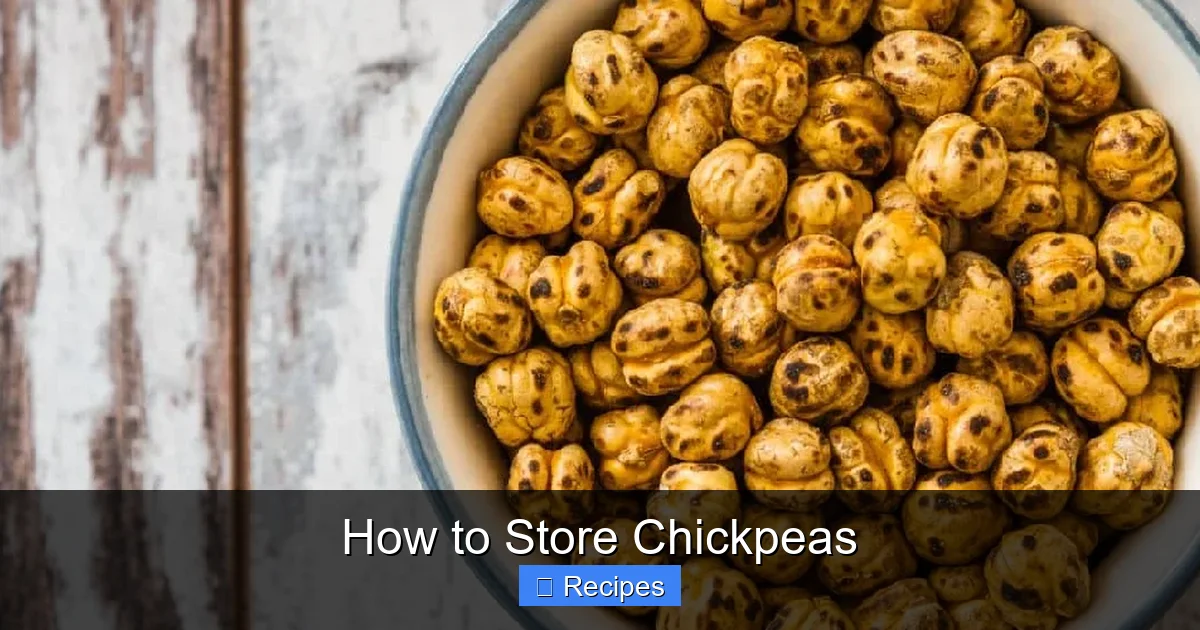
Visual guide about How to Store Chickpeas
Image source: thekitchenix.com
The Ideal Container: Airtight is Non-Negotiable
The bag they come in is rarely sufficient for long-term storage. It’s often not fully airtight and can be easily punctured. Transfer your dried chickpeas to an airtight container. The best options are:
- Glass jars with rubber seals and metal clamps (like Kilnar or Mason jars). They are impermeable to odors and moisture.
- High-quality food-grade plastic containers with locking lids and silicone seals.
- Mylar bags with oxygen absorbers for very long-term storage (1+ years). This is a more advanced, bulk-storage technique.
Ensure the container is completely dry before adding the chickpeas. Any residual moisture will be trapped inside.
The Perfect Location: Cool, Dark, and Dry
This is the holy trinity of pantry storage. Your ideal spot should be:
- Cool: Consistently below 70°F (21°C). A basement or a dark cupboard away from the oven or dishwasher is perfect. Temperature fluctuations are bad.
- Dark: Light can degrade quality. Store in a cupboard, pantry, or opaque container.
- Dry: Away from the sink, dishwasher, and any source of steam or humidity. A humidity level under 60% is ideal.
Under these conditions, quality dried chickpeas will last for 2-3 years, though they are best used within 1 year for optimal texture and cooking time. As they age, they will require longer soaking and cooking times and may never become as tender as fresh stock.
Pro-Tips for Dried Chickpeas
Always label your container with the date of purchase or repackaging. Use the “first-in, first-out” method. If you buy in bulk, consider dividing into smaller, weekly-use portions to avoid repeatedly opening the main container and introducing humidity and oxygen. You can also add a food-safe desiccant packet (like those found in supplement bottles) to your large storage container to absorb any ambient moisture.
Storing Cooked Chickpeas: The Refrigerator & Freezer Protocols
Once you’ve done the work of soaking and cooking a big batch of chickpeas, proper storage is key to making that effort worthwhile. The rules here are more time-sensitive than for dried peas.
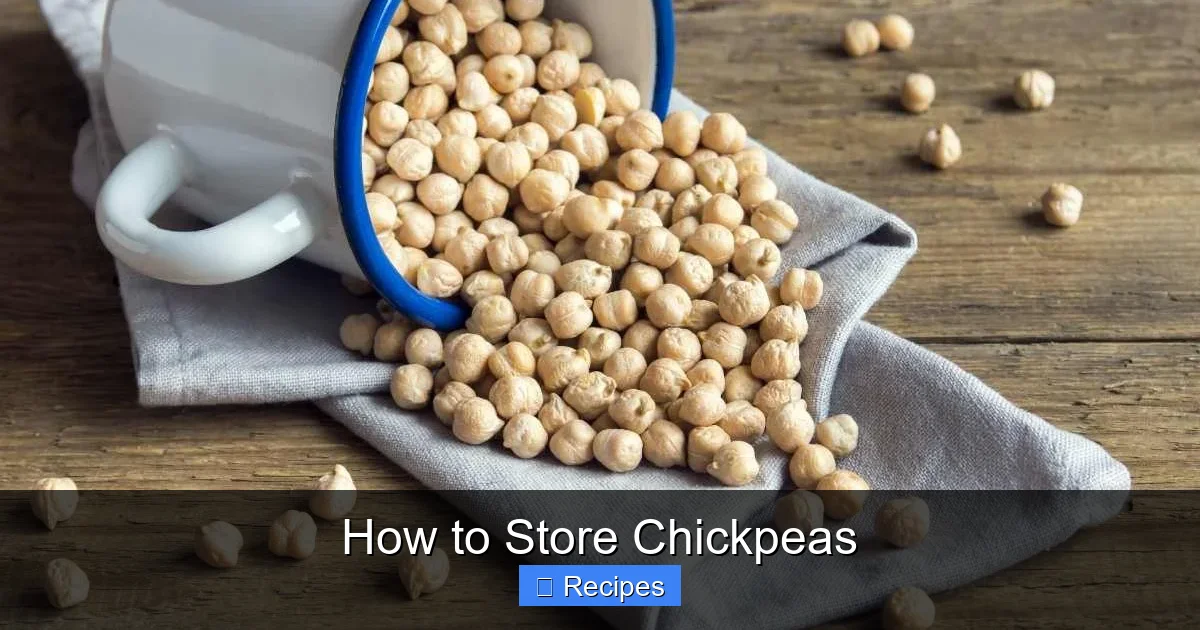
Visual guide about How to Store Chickpeas
Image source: onepotdishrecipe.com
Refrigeration: For Short-Term Use (3-5 Days)
Cooked chickpeas must cool quickly to prevent bacterial growth. Do not let them sit at room temperature for more than two hours.
- Cool Rapidly: Spread the cooked chickpeas in a single layer on a baking sheet to let steam escape and cool them down faster. You can also rinse them briefly with cool water.
- Store in Liquid: For maximum freshness and to prevent them from drying out, store them submerged in their own cooking liquid or fresh water. The liquid acts as a barrier.
- Use Airtight Containers: Transfer the chickpeas and their liquid to a clean glass or BPA-free plastic container with a tight-sealing lid.
- Refrigerate Promptly: Place in the coldest part of your fridge, not in the door where temperatures fluctuate.
Stored this way, they will stay fresh for 5-7 days. Always smell and taste a few before using. They should smell neutral and slightly earthy, not sour or funky.
Freezing: The Long-Term Champion
Freezing is the absolute best way to preserve the quality of cooked chickpeas for months. The key is to freeze them in a single layer first to prevent them from clumping together into one giant, unusable block.
- Dry Slightly: After cooking and cooling, drain the chickpeas and pat them gently with a towel to remove excess surface moisture. This reduces ice crystal formation.
- Pre-Freeze on a Tray: Spread them in a single layer on a parchment-lined baking sheet. Freeze for 1-2 hours until solid.
- Bag and Seal: Transfer the frozen chickpeas to a heavy-duty freezer bag or airtight freezer container. Squeeze out as much air as possible before sealing. Label with date.
- Portioning: Freeze in 1 or 2-cup portions, which is typically the amount needed for a recipe like hummus or a stew.
Frozen chickpeas will maintain excellent quality for up to 6 months. You can toss them directly into hot soups, stews, or curries without thawing. For salads or hummus, thaw them in the refrigerator overnight or under cool running water.
A Critical Warning About the “Chickpea Aquafaba”
The liquid from cooked chickpeas, aquafaba, is a miracle vegan egg substitute. If you plan to use it, store it separately. Pour the liquid into an airtight container and refrigerate for up to 5 days or freeze in ice cube trays for future use. Storing chickpeas in their aquafaba in the fridge is fine, but if you want pure, stable aquafaba, separating it is best.
Storing Canned Chickpeas: The Convenience Factor
Canned chickpeas are the ultimate in convenience, but their storage rules are often misunderstood. The rule inside the can is different from the rule after you open it.
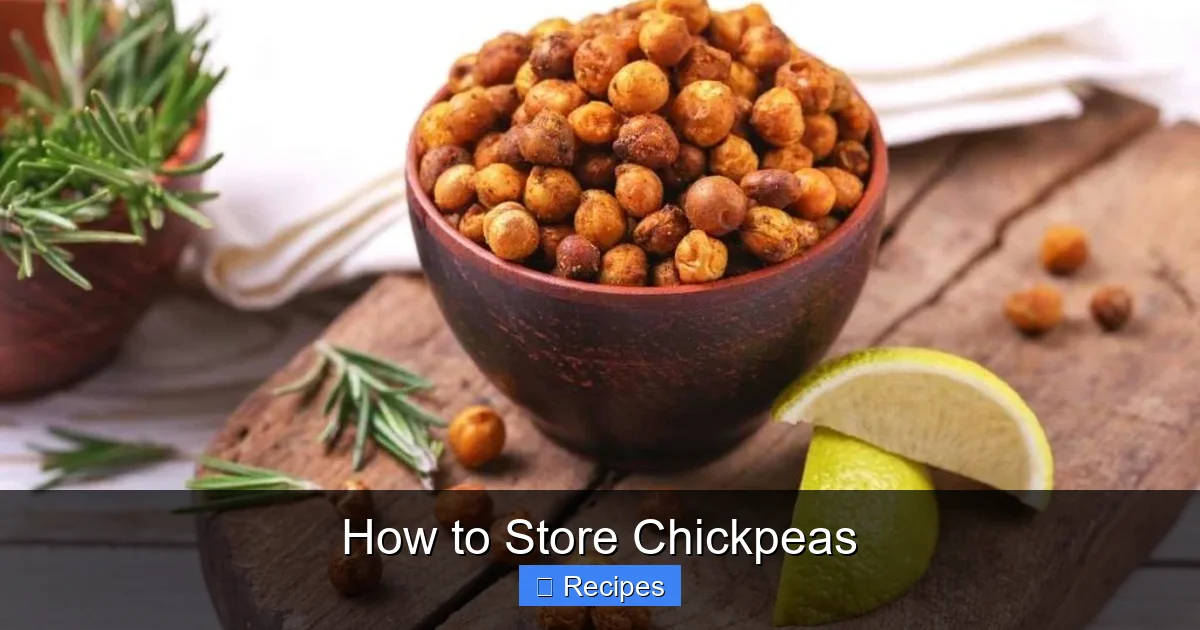
Visual guide about How to Store Chickpeas
Image source: onepotdishrecipe.com
Unopened Cans: Pantry Perfection
Unopened cans of chickpeas are commercially sterilized and sealed. Store them exactly like dried chickpeas: in a cool, dark, dry pantry. The metal can provides an excellent barrier against light and oxygen. The shelf life is typically 2-5 years from the date of manufacture, but always check the “best by” date on the can. The main risk with unopened cans is “canning” or corrosion from a compromised seal or extreme temperatures. Discard any cans that are bulging, leaking, rusted, or deeply dented along the seams.
Opened Cans: The Transfer is Mandatory
This is the most common mistake people make. Never store leftover chickpeas in the opened can. The metal can imparts a metallic, unpleasant taste to the chickpeas and their liquid. It’s also not airtight, leading to faster spoilage.
- Drain and Rinse: Pour the chickpeas into a colander and rinse them under cold water to remove the salty canning liquid.
- Transfer Immediately: Place the rinsed chickpeas in an airtight glass or plastic container.
- Add Liquid (Optional): For best results, add a few tablespoons of fresh water or a light brine (1 cup water, 1 tsp salt) to keep them moist.
- Refrigerate: Seal and refrigerate. Use within 3-4 days.
If you have a large amount from a can, consider freezing them using the pre-freeze method described in the cooked chickpeas section. Canned chickpeas are already cooked, so they freeze perfectly.
Storage Mistakes to Avoid: The Pitfalls of Poor Preservation
Even with the best intentions, it’s easy to slip up. Here are the most common—and costly—chickpea storage errors.
Mistake 1: Storing Warm or Moist
Placing even slightly warm chickpeas (cooked or rinsed) into a sealed container creates a steamy, humid microenvironment—a perfect storm for mold and bacterial growth. Always ensure they are completely cool and surface-dry before sealing.
Mistake 2: Using Non-Airtight Containers
That bowl covered with a plate? The plastic wrap with gaps? The original paper bag? They all let in oxygen and humidity. Invest in proper containers with true seals. For dried chickpeas, even a small tear in a bag can be disastrous over months.
Mistake 3: Ignoring the “First In, First Out” Rule
It’s easy to buy a new bag of dried chickpeas and shove it in front of the old one. The old bag gets forgotten, ages, and eventually gets thrown out. Label everything with dates and consciously use older stock first. Rotate your pantry.
Mistake 4: Storing Near Heat or Light Sources
The top of the fridge, the cabinet above the stove, a counter next to the window—these are all terrible spots. Heat rises from appliances, and sunlight warms containers. Find a consistently cool, dark spot.
Mistake 5: Assuming “Dry” Means “Indestructible”
Yes, dried chickpeas last a long time, but they are not immortal. After 3+ years, they will be extremely hard, take forever to cook, and may have lost much of their flavor. They are technically safe but practically useless. Use them within a couple of years for best results.
Putting Your Stored Chickpeas to Work: Creative Utilization
Now that your chickpeas are stored perfectly, let’s talk about using them! Having a variety of stored forms (dried, cooked, frozen) allows for ultimate flexibility.
The Magic of the Pantry: Dried Chickpeas
A well-stocked supply of dried chickpeas means you can make fresh hummus, falafel, or stews on demand. Soak a batch overnight, cook it, and you have the base for a week’s worth of meals. They absorb flavors beautifully in curries and soups. Remember, older dried chickpeas may need a longer soak (8-12 hours) and cook time (up to 2 hours) and might benefit from a pinch of baking soda in the cooking water to help soften them.
The Freezer is Your Friend: Cooked & Frozen Chickpeas
This is your secret weapon for weeknight speed. A bag of frozen, pre-cooked chickpeas can go straight from freezer to pot for a 20-minute chickpea and spinach curry. Toss them directly into a food processor for instant hummus without the wait for cooking. They’re perfect for adding protein and bulk to salads—just thaw under cool water. Having a few different portion sizes (1 cup for salads, 2 cups for soup) in the freezer is highly efficient.
The Quick Fix: Canned Chickpeas
Keep a few cans in your pantry for true emergencies or when you need just a small amount for a salad topping or a quick smash on toast. Rinse them well to reduce sodium. They are also great for recipes where the chickpeas will be heavily seasoned or roasted, as their initial texture is slightly softer than perfectly cooked dried chickpeas.
Conclusion: A Bean Well Stored is a Bean Well Earned
Mastering the art of chickpea storage is a simple yet powerful kitchen skill. It connects directly to reducing food waste, saving money, and making healthy, plant-based eating more convenient. The core message is straightforward: keep it dry, keep it cool, keep it airtight. By treating your dried chickpeas with respect in a sealed container in a dark cupboard, you’ve secured a nutritious staple for years. By rapidly cooling and properly freezing your cooked batches, you’ve created a ready-made ingredient that can shave 30 minutes off any future meal. And by never leaving canned chickpeas in their opened can, you preserve their quality and taste. Implement these practices, label your containers, and you’ll always have this incredible, versatile legume at your fingertips, ready to be transformed into something delicious. Your future self, staring into a well-organized fridge or pantry, will thank you.
Frequently Asked Questions
How long can you store dried chickpeas in the pantry?
In a cool, dark, dry place inside an airtight container, quality dried chickpeas will last for 2-3 years. They remain safe indefinitely but will become increasingly difficult to cook and may lose flavor after 3 years.
What is the best way to store cooked chickpeas for meal prep?
The best method is to freeze them. After cooking, cool and pat dry the chickpeas, then pre-freeze them on a baking sheet. Once solid, transfer to a freezer bag, squeeze out air, and label. They can be frozen for up to 6 months and used directly in cooked dishes.
Can you store leftover canned chickpeas in the refrigerator?
Yes, but only after transferring them out of the metal can. Drain, rinse, and place them in an airtight glass or plastic container with a little fresh water. They will stay fresh for 3-4 days in the refrigerator.
How can you tell if dried chickpeas have gone bad?
Look for signs of insect infestation (holes, webbing, live bugs), mold, or a musty, sour, or “off” odor. If they are extremely hard and don’t soften after prolonged cooking, they are likely too old and stale to be palatable, though not necessarily unsafe.
Is it safe to store chickpeas in the fridge without cooking them first?
No. Storing dried chickpeas in the refrigerator is not recommended. The humidity inside a fridge is too high and can cause the chickpeas to absorb moisture, sprout, or develop mold. They are best stored in a cool, dry pantry.
What is the maximum freezer storage time for cooked chickpeas?
For optimal flavor and texture, cooked chickpeas should be used within 6 months of freezing. While they remain safe beyond that, prolonged freezing can lead to freezer burn and a deterioration in texture, making them mushy when thawed.
Pingback: How to Roast Chickpeas - kitchenandhouseware.com