Storing bok choy long term requires controlling moisture and temperature to prevent wilting and decay. The best methods include refrigeration for short-term use (1-2 weeks) and blanching followed by freezing for storage up to 12 months. Avoid washing until ready to use and keep it away from ethylene-producing fruits like apples and bananas to maximize freshness.
You brought home a beautiful, crisp head of bok choy from the farmers market or grocery store, ready to make a stunning stir-fry or a comforting soup. But life gets busy. Maybe you bought a few too many, or your recipe only called for half. Now you’re faced with a common dilemma for lovers of this versatile Chinese cabbage: how to store bok choy long term so it doesn’t wilt, turn yellow, or get slimy within days. Unlike hardy root vegetables, bok choy’s delicate leaves and tender stems are prone to quick deterioration. But with the right techniques, you can dramatically extend its shelf life, ensuring you always have this nutritious green on hand for your culinary creations. This guide will walk you through every proven method, from simple fridge tricks to advanced freezing techniques, so you can confidently store bok choy for weeks or even months.
The core principle behind storing bok choy long term is managing two things: moisture and temperature. Bok choy is a living thing after harvest, and it continues to respire, losing moisture and nutrients while being susceptible to microbial growth. Our goal is to slow this process down without freezing the delicate cells (unless we’re intentionally freezing). The methods differ based on your timeframe. For a week or two, the refrigerator is your best friend. For storing bok choy for several months, the freezer is the ultimate solution, but it requires a critical preparatory step—blanching—to be successful. Let’s dive into the specifics, starting with the most common scenario: short-term storage.
Key Takeaways
- Moisture is the Enemy: Always store bok choy dry. Excess moisture accelerates spoilage. Wash only right before use.
- Refrigeration is Key: The crisper drawer is ideal. Wrap loosely in damp paper towels and place in a perforated bag for 1-2 weeks of freshness.
- Freezing Requires Blanching: To freeze for long-term storage (up to 12 months), you must blanch bok choy first to preserve color, texture, and nutrients.
- Avoid Ethylene Gas: Store bok choy away from fruits like apples, bananas, and tomatoes that emit ethylene, which causes yellowing and premature decay.
- Inspect Before Storing: Only store firm, unblemished heads. Any existing damage will spread quickly and ruin the whole batch.
- Portion for Freezing: After blanching and drying, freeze bok choy in portion-sized bags or containers for easy use in stir-fries and soups later.
- Use Within Timeframes: Refrigerated bok choy lasts 1-2 weeks. Frozen bok choy is best used within 12 months for optimal quality.
📑 Table of Contents
- Mastering Refrigeration: Your First Defense for 1-2 Weeks
- The Freezer Method: Storing Bok Choy for 6-12 Months
- Alternative Long-Term Storage: Dehydrating Bok Choy
- Critical Mistakes to Avoid When Storing Bok Choy
- How to Use Your Stored Bok Choy: From Fridge and Freezer
- Special Considerations: Baby Bok Choy and Different Varieties
Mastering Refrigeration: Your First Defense for 1-2 Weeks
The refrigerator is the go-to for most fresh produce, and bok choy is no exception. However, simply tossing it into the crisper drawer isn’t enough for optimal longevity. The goal here is to maintain high humidity to prevent wilting while ensuring there’s no free water on the surface that encourages rot.
The Ideal Prep: Dry and Wrapped
Never wash your bok choy before storing it in the fridge. Any residual moisture on the leaves or in the base will seep into the packaging and create a perfect breeding ground for bacteria and mold. If your bok choy is damp from the store’s misting system, gently pat it entirely dry with clean paper towels or a salad spinner.
Once dry, you have two excellent wrapping options:
- The Paper Towel Method: Loosely wrap the entire head (or separated leaves) in a dry or very lightly dampened paper towel. The towel will absorb any errant moisture the bok choy releases while maintaining a humid microenvironment. Place this wrapped bundle inside a perforated plastic produce bag or a regular plastic bag with a few pinpricks for airflow. Do not seal it airtight; bok choy needs to breathe.
- The Open-Ended Bag Method: Place the dry bok choy head directly into a plastic produce bag, but leave the top open or loosely folded over. This allows for gas exchange while still trapping enough humidity to prevent the leaves from drying out.
Store this prepared bok choy in the crisper drawer of your refrigerator, which is designed to maintain a slightly higher humidity level than the rest of the fridge. Keep it away from the back wall where it might get too cold and freeze. When stored this way, a healthy head of bok choy should stay crisp and vibrant for 7 to 14 days. Check it every few days and remove any leaves that are starting to yellow to prevent them from affecting the rest.
The Freezer Method: Storing Bok Choy for 6-12 Months
If you have a surplus or want to have bok choy ready for off-season cooking, freezing is the only way to truly store bok choy long term. However, you cannot freeze raw bok choy directly. The high water content in its cells will cause the cells to rupture as they freeze and thaw, resulting in a limp, watery, and unappetizing product. The mandatory step to prevent this is blanching.
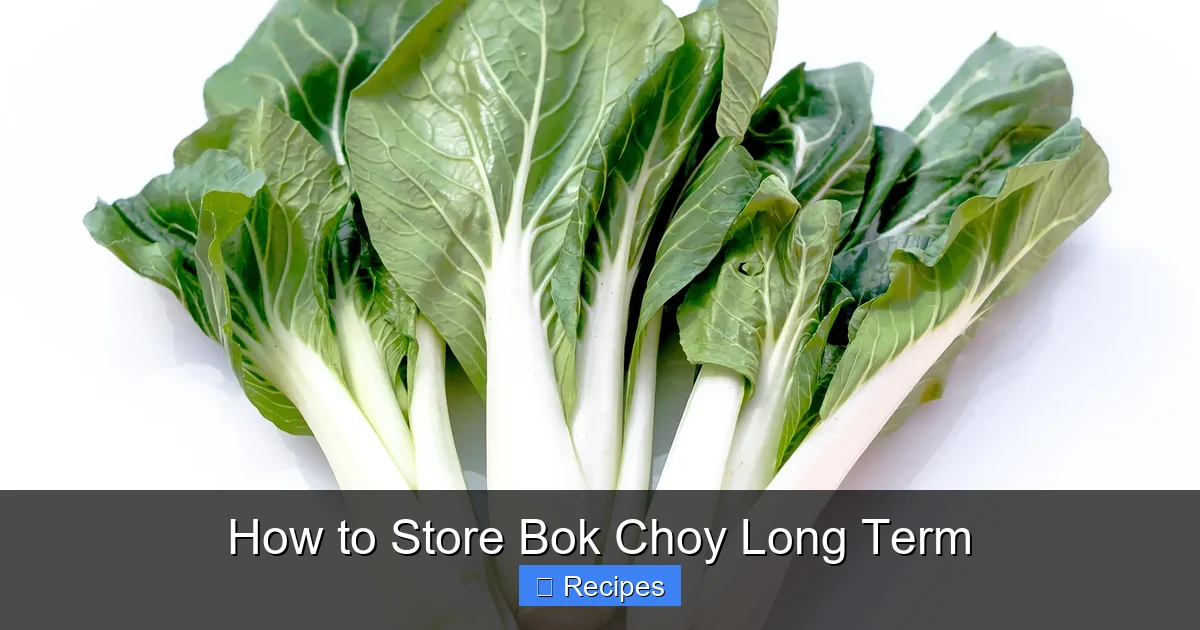
Visual guide about How to Store Bok Choy Long Term
Image source: cdn.shopify.com
Step-by-Step Guide to Blanching and Freezing
Blanching—briefly boiling or steaming vegetables—deactivates the enzymes that cause spoilage, loss of color, and flavor changes during frozen storage. It also helps the vegetable retain a firmer texture after thawing. Here’s how to do it perfectly for bok choy.
- Clean and Prep: Wash the bok choy thoroughly under cold running water to remove any dirt or grit between the leaves. Trim the root end and separate the leaves. You can blanch small heads whole or chop larger heads into uniform pieces. Ensure all pieces are similar in size for even blanching.
- Boil Water: Bring a large pot of water to a rolling boil. You need enough water so that when you add the bok choy, the temperature doesn’t drop significantly. Have a large bowl of ice water ready nearby.
- Blanch: Submerge the bok choy pieces in the boiling water. For small leaves or chopped pieces, blanch for 30 seconds to 1 minute. For whole small heads, blanch for 1.5 to 2 minutes. You’ll see the color brighten to a more vibrant green. Do not over-blanch, as this will cook the vegetable through and reduce its texture quality.
- Ice Bath: Immediately use a slotted spoon to transfer the bok choy from the boiling water to the ice bath. This stops the cooking process instantly. Let it sit in the ice bath for the same amount of time it was in the boiling water (e.g., 1 minute blanch = 1 minute ice bath).
- Dry Thoroughly: This is the most critical step for freezing success. Remove the bok choy from the ice bath and drain it well in a colander. Then, spread it out on a clean kitchen towel or paper towels and gently press or pat to remove as much surface moisture as possible. You can also use a salad spinner. Any remaining water will form ice crystals, leading to freezer burn and sogginess.
- Pre-Freeze (Optional but Recommended): To prevent the bok choy pieces from clumping together in one big frozen mass, spread the dried bok choy in a single layer on a baking sheet lined with parchment paper. Place it in the freezer for 1-2 hours, or until the pieces are solid.
- Pack and Freeze: Once pre-frozen, quickly transfer the bok choy into freezer-safe bags or airtight containers. Squeeze out as much air as possible from bags before sealing. Label each bag/container with the date and contents. Store in the freezer for up to 12 months.
Alternative Long-Term Storage: Dehydrating Bok Choy
While less common than freezing, dehydration is another excellent method to store bok choy long term, especially if you have a dehydrator and want a shelf-stable, space-saving product. Dehydrated bok choy can be rehydrated for soups, stews, or powdered for seasoning blends.
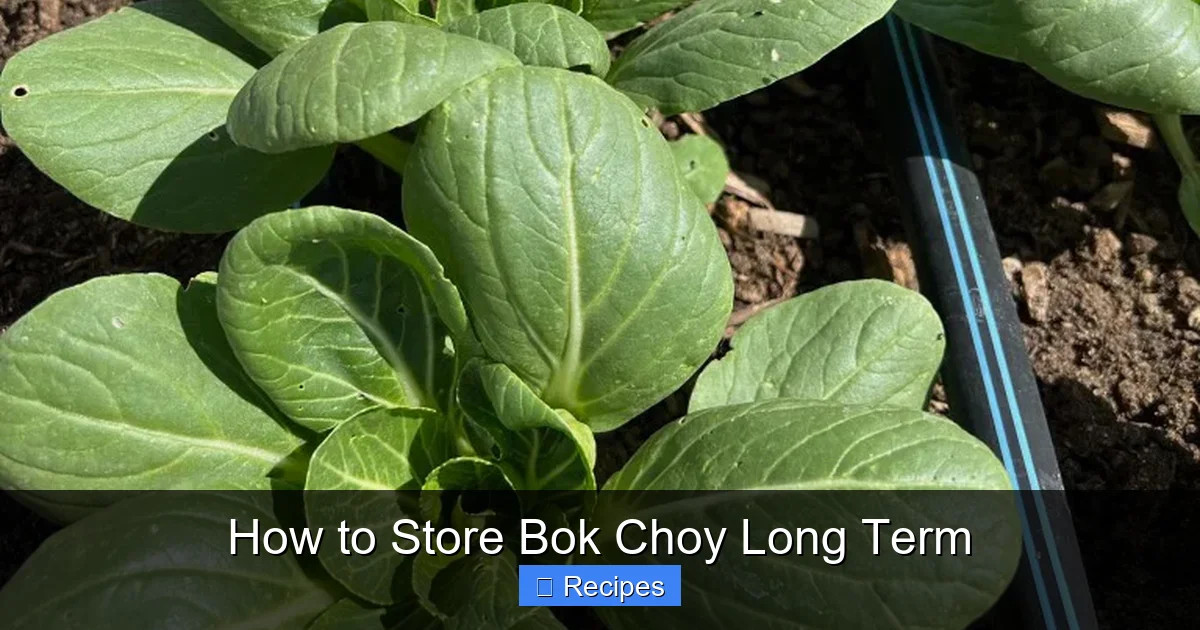
Visual guide about How to Store Bok Choy Long Term
Image source: lostrockfarm.com
The process is straightforward: wash, trim, and chop the bok choy into small pieces. You can optionally blanch it first (as described above) for better color retention, though it’s not strictly necessary for dehydration. Arrange the pieces in a single layer on your dehydrator trays. Dry at 125°F (52°C) until the leaves are crisp and the stems are brittle. This typically takes 6-10 hours depending on thickness and humidity. Once completely dry, let it cool, then store in airtight glass jars or Mylar bags with oxygen absorbers in a cool, dark, dry place. Properly dehydrated and stored bok choy can last for 1-2 years. To use, simply add it directly to soups or stews where it will rehydrate, or soak in warm water for 15-20 minutes before using in other dishes.
Critical Mistakes to Avoid When Storing Bok Choy
Even with the best methods, a few common errors can ruin your efforts. Understanding what not to do is just as important as knowing what to do.

Visual guide about How to Store Bok Choy Long Term
Image source: gardenerspath.com
Ethylene Exposure: The Silent Killer
Bok choy is highly sensitive to ethylene gas, a natural ripening hormone emitted by many fruits. Storing it next to apples, bananas, tomatoes, avocados, or melons will cause it to yellow, develop brown spots, and deteriorate at a shockingly fast rate. Always keep bok choy in its own drawer or section of the fridge, far from any ethylene-producing items.
Trapping Moisture
While humidity is good, liquid water is fatal. Never store bok choy in a sealed, wet plastic bag. This creates a sauna-like environment perfect for slime and decay. The paper towel method or an open bag is crucial. If you do see condensation inside your storage bag, replace the paper towel and re-bag it.
Temperature Extremes
Do not store bok choy near the freezer compartment of your fridge or in the door, where temperatures fluctuate every time the door opens. Consistent, cool (just above freezing) temperature is key. Also, never freeze unblanched bok choy, as it will become unusable.
Ignoring Damage
One bad leaf can spoil the bunch. Before storing, inspect the bok choy carefully. Remove any leaves that are torn, yellowing, or have soft spots. These injured tissues are already breaking down and will spread decay to the healthy parts. It’s better to use or discard a few compromised leaves immediately.
How to Use Your Stored Bok Choy: From Fridge and Freezer
Knowing how to store bok choy long term is only half the battle; using it correctly is the other.
Using Refrigerated Bok Choy
When you’re ready to cook, simply remove the leaves you need from the fridge. Give them a final rinse under cold water and pat dry. The outer leaves may be slightly more wilted than the inner core; use the sturdiest inner leaves for raw applications like salads and the slightly softer outer leaves for cooked dishes like stir-fries, soups, or steaming.
Using Frozen Bok Choy
Frozen bok choy has been blanched, so it’s technically partially cooked. This makes it perfect for dishes that involve further cooking. Do not thaw it first for stir-fries or soups. Toss the frozen pieces directly into the hot wok or pot. They will cook quickly and release some liquid, so you may need to adjust your recipe’s liquid content. It’s ideal for:
- Stir-fries (add in the last 2-3 minutes)
- Soups and stews (add in the last 5 minutes)
- Noodle dishes and hot pots
- Smoothies (for a nutrient boost, no need to cook)
Because its texture is softer after freezing, avoid using it for fresh salads or as a crisp, raw garnish. Embrace its tender, cooked quality in your favorite warm dishes.
Special Considerations: Baby Bok Choy and Different Varieties
The advice above applies to standard bok choy (also called pak choi). What about its smaller, tender cousin, baby bok choy? Baby bok choy has a more delicate structure and a higher surface-area-to-volume ratio, meaning it can lose moisture faster. The same principles apply, but with slight adjustments.
For refrigeration, treat baby bok choy even more gently. You can store whole heads using the paper towel method, but they will typically only last 5-7 days due to their tenderness. If you have a large quantity, consider separating the leaves, drying them thoroughly, and storing them in a single layer between paper towels inside a container in the crisper.
For freezing, baby bok choy is a dream because its entire plant is edible and tender. You can blanch whole baby heads for 1 minute, or separate the leaves and blanch them for 30 seconds. The drying step is absolutely crucial here, as the smaller leaves can trap more water. Follow the same pre-freezing and packing steps. The frozen product is excellent for quick-cooking dishes.
Other varieties, like “Shanghai bok choy” (which has green stems) or “Choy Sum,” follow nearly identical storage protocols. The key is always: dry, cold, humid (but not wet), and ethylene-free.
Storing bok choy long term isn’t complicated once you understand its needs. By controlling moisture, respecting the cold chain, and using blanching to unlock the freezer’s potential, you can transform this fleeting, perishable green into a pantry staple. You’ll reduce waste, save money, and always have the fresh, slightly sweet, and peppery flavor of bok choy ready to elevate your weeknight dinners. So next time you see a bounty of bok choy, don’t hesitate. Store it properly using these methods, and enjoy its crispness and nutrition far beyond the grocery run.
Frequently Asked Questions
Can I store bok choy long term without a refrigerator?
No, for long-term storage (beyond a day or two), refrigeration or freezing is essential. Bok choy has a very high water content and will wilt and spoil rapidly at room temperature. A cool, dark cellar might extend its life slightly, but it’s not a reliable long-term solution.
What is the maximum shelf life of bok choy in the refrigerator?
When properly prepared—washed, dried, and wrapped in a damp paper towel inside a perforated bag in the crisper drawer—a fresh head of bok choy will typically last 7 to 14 days. Always use your senses; discard it if leaves become slimy or develop an off smell.
How can I tell if my stored bok choy has gone bad?
Signs of spoilage include: yellowing leaves (beyond the natural light green), a slimy or sticky texture on the leaves or stems, a sour or unpleasant odor, and soft, mushy spots. If only a few outer leaves are affected, you can remove them, but if the decay is widespread, discard the entire head.
Can I use frozen bok choy without thawing it first?
Yes, and you should! Because it’s been blanched, frozen bok choy is best added directly to hot, cooking dishes like stir-fries, soups, or stews. Thawing it first will make it soggy. Toss it in frozen during the last few minutes of cooking.
Is the storage method different for baby bok choy?
The principles are the same—keep it dry and cold—but baby bok choy is more delicate. It lasts about 5-7 days in the fridge. For freezing, you can blanch whole baby heads for about 1 minute. Be extra vigilant about drying it thoroughly before freezing to prevent ice crystals.
Can I refreeze bok choy that has been thawed?
It is not recommended. Refreezing thawed bok choy will further degrade its texture and quality, making it very limp and watery. It can also increase the risk of bacterial growth if it thawed in the refrigerator. Thaw only the portion you plan to use immediately.