Simmering in an Instant Pot is easy once you know the right settings and tricks. This guide walks you through the basics, from choosing the proper mode to mastering temperature control, so you can create perfectly simmered soups, stews, and sauces every time.
Key Takeaways
- Use “Saute” or “Slow Cook”: These are the primary Instant Pot functions for gentle simmering.
- Control temperature with pressure release: Natural release keeps the heat low, while quick release cools rapidly.
- Adjust liquid ratios: Too much liquid can boil; too little can scorch.
- Layer flavors early: Browning aromatics on “Saute” adds depth before simmering.
- Use the right pot size: Smaller pots prevent excess evaporation; larger pots are better for big batches.
- Timing matters: Most simmer recipes need 5–30 minutes of “Slow Cook” or “Saute” on low.
- Practice makes perfect: Start with simple recipes, note settings, and tweak for your taste.
📑 Table of Contents
- Introduction: Why Simmering in an Instant Pot Is a Game‑Changer
- Understanding the Basics of Simmering
- Step‑by‑Step Guide: How to Simmer Using the Saute Function
- Step‑by‑Step Guide: How to Simmer Using the Slow Cook Function
- Tips & Tricks for Perfect Simmer Results
- Practical Recipes to Practice Simmering
- Conclusion: Simmer Like a Pro With Your Instant Pot
Introduction: Why Simmering in an Instant Pot Is a Game‑Changer
Imagine you’re making a hearty tomato soup, a rich beef stew, or a silky chocolate ganache. In a traditional pot, you’d spend hours watching the heat, stirring constantly, and hoping the liquid doesn’t scorch. The Instant Pot changes all that. With a few button presses, you can achieve the same low, steady heat that a stovetop simmer provides—only faster, more consistent, and with far less mess.
Simmering is the sweet spot between a rolling boil and a gentle melt. It lets flavors meld, tough cuts of meat become tender, and starches thicken without turning gummy. In the Instant Pot, you have two main tools for this: the Saute function and the Slow Cook function. Both can be used to keep a dish at that perfect “just‑below‑boil” temperature, but each has its own strengths. This article will walk you through the why, the how, and the what‑next of simmering on an Instant Pot, so you can master soups, sauces, and more with confidence.
Understanding the Basics of Simmering
What Does “Simmer” Really Mean?
In culinary terms, simmering is keeping a liquid at roughly 185–205°F (85–96°C). Small bubbles rise steadily, but the surface never reaches a full, vigorous boil. This gentle heat allows ingredients to release flavors slowly, which is essential for developing depth in soups, stews, and sauces.
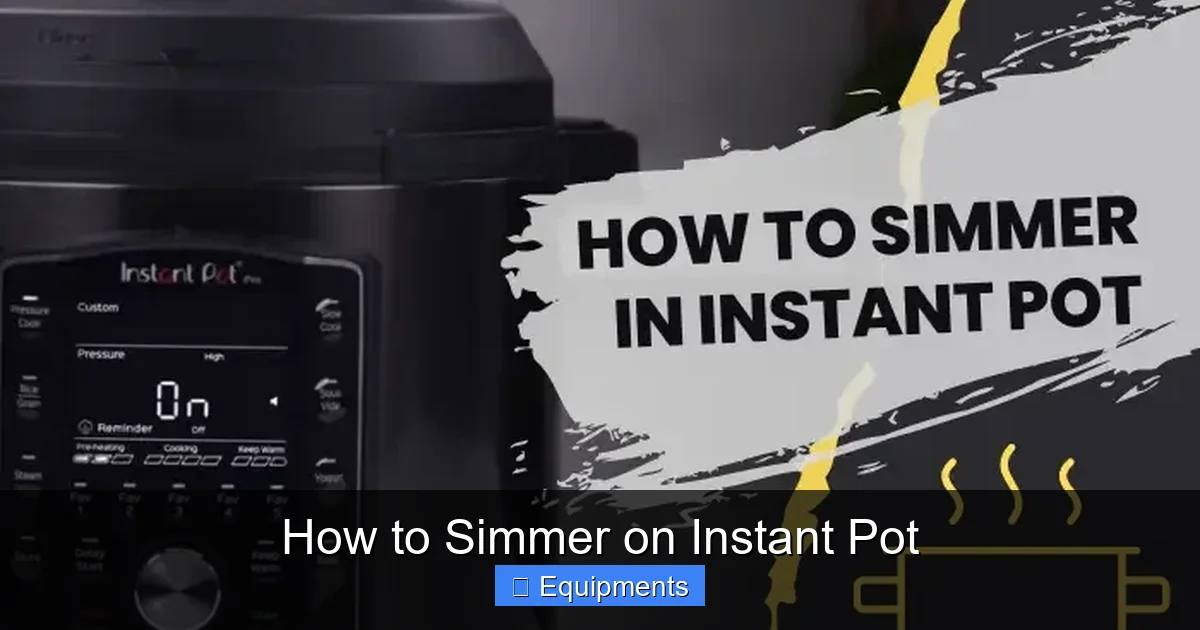
Visual guide about How to Simmer on Instant Pot
Image source: hiroasiankitchen.com
Why Simmering Is Different From Boiling
- Temperature control: Boiling can break down delicate ingredients and cause proteins to toughen.
- Flavor development: Simmering extracts flavors more evenly, preventing bitterness.
- Texture preservation: Vegetables stay crisp‑tender; grains stay separate.
Instant Pot’s Built‑In Tools for Simmering
The Instant Pot does not have a dedicated “simmer” button, but you can achieve the same effect using:
- Saute – Low: Provides a steady low heat, perfect for short‑duration simmering.
- Slow Cook – Low: Mimics a traditional crock‑pot, ideal for longer, hands‑off simmering.
- Pressure Release Techniques: Natural pressure release keeps the pot warm while the temperature gradually drops, maintaining a gentle simmer.
Step‑by‑Step Guide: How to Simmer Using the Saute Function
1. Choose the Right Pot Size
For most simmer recipes, a 6‑quart Instant Pot works well. It gives enough surface area for steam to escape, preventing the liquid from bubbling too aggressively.
Visual guide about How to Simmer on Instant Pot
Image source: lifewithnitraab.com
2. Preheat the Inner Pot
Press Saute, then select Low. Allow the inner pot to heat for about 2 minutes. You’ll feel a gentle warmth—this is the perfect starting point.
3. Add Aromatics and Brown Them
Drop in a splash of oil, then add onions, garlic, carrots, or any aromatics. Saute for 3–5 minutes until they turn translucent and fragrant. This step builds flavor before the actual simmer.
4. Introduce the Main Ingredients
Stir in your broth, tomatoes, meat, or beans. Make sure the liquid level is at least 1 cup to avoid “burn” warnings.
5. Adjust to a Gentle Simmer
After everything is combined, reduce the heat to Saute – Low. You should see a few tiny bubbles rising slowly. If the pot starts to boil, turn the dial down a notch or briefly press Cancel to let it settle.
6. Monitor and Stir Occasionally
Because the Instant Pot’s heating element is underneath, hot spots can form. Give the pot a gentle stir every 5–7 minutes to keep everything even.
7. Finish with a Natural Pressure Release (Optional)
If you need to keep the dish warm after cooking, turn off the pot and let the pressure release naturally for 10‑15 minutes. The temperature will stay low, effectively continuing the simmer without extra effort.
Step‑by‑Step Guide: How to Simmer Using the Slow Cook Function
1. Set the Instant Pot to “Slow Cook – Low”
Press the Slow Cook button, then choose Low. The temperature will hover around 190°F (88°C), which is ideal for a true simmer.
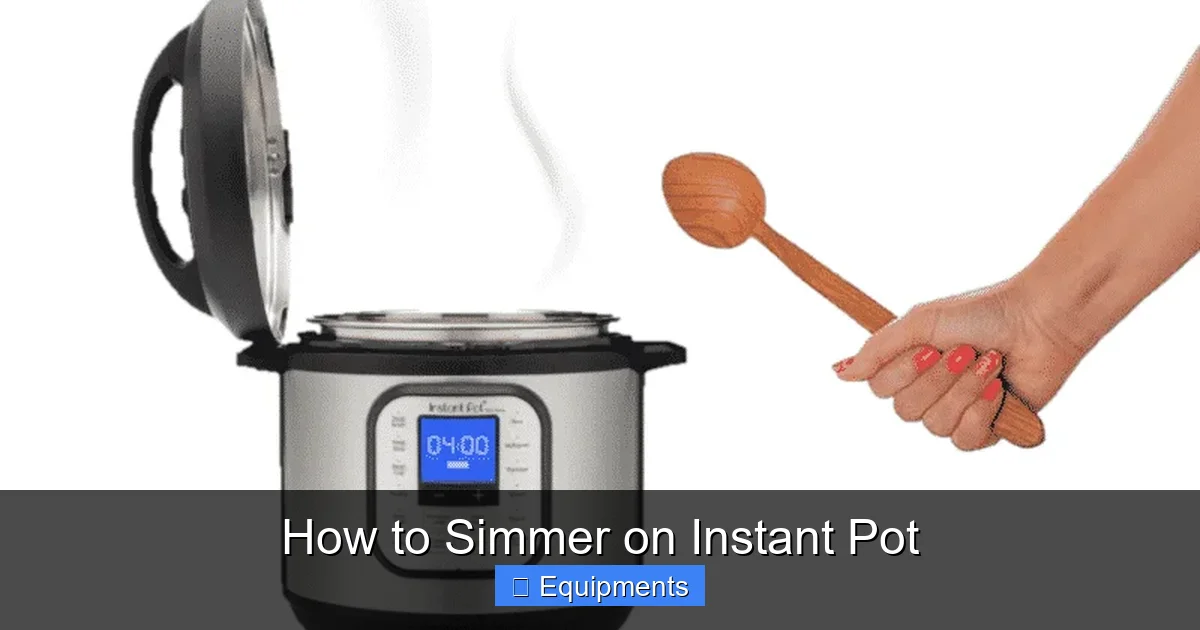
Visual guide about How to Simmer on Instant Pot
Image source: missvickie.com
2. Layer Ingredients Properly
Place denser items (root vegetables, meat) at the bottom. Lighter ingredients (leafy greens, delicate herbs) go on top. This prevents over‑cooking the softer items.
3. Add Sufficient Liquid
Unlike pressure cooking, the Slow Cook mode does not build pressure, so you need enough liquid to cover the ingredients by at least 1‑2 inches.
4. Set the Cooking Time
Most simmer recipes need 4‑8 hours on Low. For quick meals, 2‑3 hours may be sufficient. The key is to keep the temperature steady, not to rush it.
5. Use the “Keep Warm” Feature Wisely
When the timer ends, the Instant Pot automatically switches to Keep Warm. This maintains a low simmer for up to an hour without over‑cooking.
6. Finish With a Quick Release If Needed
If you need to stop cooking immediately, press Cancel and then switch the vent to “Venting.” This will drop the temperature quickly, stopping the simmer.
Tips & Tricks for Perfect Simmer Results
Control the Temperature With a Thermometer
While the Instant Pot’s settings are reliable, a quick‑read kitchen thermometer can confirm you’re staying in the 185‑205°F range. This is especially helpful for delicate sauces.
Prevent Sticking and Burning
- Always deglaze the pot after sauteing aromatics. Add a splash of broth or wine and scrape the brown bits.
- Use a silicone spatula to stir; it won’t scratch the inner pot.
- Consider a thin layer of oil or butter to coat the bottom before adding liquids.
Adjust Consistency Without Over‑Cooking
If your stew is too thin after simmering, switch to Saute – High for 2‑3 minutes and whisk in a slurry of cornstarch and water. If it’s too thick, add a splash of broth and let it sit on Low for a few minutes.
Flavor Boosters for Simmered Dishes
- Herb bundles (bouquet garni): Tie thyme, bay leaves, and parsley together for easy removal.
- Acid finish: A splash of lemon juice or vinegar at the end brightens the flavor.
- Umami boosters: A dash of soy sauce, Worcestershire, or miso can deepen savory dishes.
When to Use Pressure Cooking vs. Simmering
If you need to break down tough meat quickly, start with a 20‑minute pressure cook, then switch to Saute – Low for a final 10‑minute simmer to meld flavors. This hybrid method saves time while preserving texture.
Practical Recipes to Practice Simmering
1. Classic Tomato Basil Soup (Saute – Low)
Ingredients: 2 tbsp olive oil, 1 onion (diced), 2 cloves garlic (minced), 4 cups crushed tomatoes, 2 cups vegetable broth, 1 tsp sugar, ½ cup fresh basil, salt & pepper.
Method: Saute onion and garlic for 4 minutes. Add tomatoes, broth, and sugar. Reduce heat to Saute – Low and simmer 20 minutes. Stir in basil, season, and blend if desired.
2. Beef Barbacoa (Slow Cook – Low)
Ingredients: 2 lbs beef chuck, 1 onion, 4 garlic cloves, 2 chipotle peppers in adobo, 1 cup beef broth, 2 tbsp lime juice, spices.
Method: Brown beef on Saute – High, then transfer to the pot. Add remaining ingredients, set to Slow Cook – Low for 6‑8 hours. Shred and serve.
3. Creamy Polenta (Saute – Low)
Ingredients: 4 cups water, 1 cup cornmeal, 1 cup milk, 2 tbsp butter, ½ cup Parmesan, salt.
Method: Bring water to a gentle simmer on Saute – Low. Whisk in cornmeal slowly, stirring constantly. Cook 15‑20 minutes, then stir in butter, milk, and cheese.
4. Vegan Lentil Dal (Slow Cook – Low)
Ingredients: 1 cup red lentils, 1 onion, 2 tomatoes, 2 tsp garam masala, 4 cups vegetable broth, cilantro.
Method: Saute onion and spices for 3 minutes. Add lentils, tomatoes, broth. Set to Slow Cook – Low for 4 hours. Garnish with cilantro.
Conclusion: Simmer Like a Pro With Your Instant Pot
Simmering on an Instant Pot may feel unfamiliar at first, but with the Saute and Slow Cook functions, you have all the tools you need to create restaurant‑quality soups, stews, and sauces at home. Remember to start low, watch the bubbles, and adjust liquid levels as you go. Practice with the simple recipes above, note the settings that work best for you, and soon you’ll be able to turn any recipe into a low‑and‑slow masterpiece—without ever having to stand over a stovetop.
So fire up your Instant Pot, set it to “Saute – Low,” and let the gentle simmer do its magic. Your taste buds will thank you.
Frequently Asked Questions
Can I simmer on the Instant Pot without using the Saute function?
Yes. The “Slow Cook – Low” setting provides a steady simmer for longer periods, perfect for soups and stews that need several hours of gentle heat.
What’s the difference between “Saute – Low” and “Slow Cook – Low”?
“Saute – Low” heats the pot from the bottom and is best for short, active simmering. “Slow Cook – Low” uses a lower, more even heat and is ideal for longer, hands‑off cooking.
How do I prevent my sauce from scorching while simmering?
Deglaze the pot after sautéing aromatics, add enough liquid, and stir every few minutes. Using a silicone spatula also helps avoid sticking.
Can I use the Instant Pot to simmer dairy‑based sauces?
Yes, but keep the heat on “Saute – Low” and stir constantly. Dairy can scorch quickly, so a thin layer of butter or oil at the bottom helps protect the sauce.
Do I need to release pressure for a simmered dish?
Usually not. Simmering is done on “Saute” or “Slow Cook,” which don’t build pressure. If you used a pressure cycle first, switch to natural release to keep the temperature low.
Is it okay to add fresh herbs at the end of a simmer?
Absolutely. Adding herbs like basil, cilantro, or parsley in the last few minutes preserves their bright flavor and aroma.
Pingback: Bisquick Dumplings Recipe on Box - kitchenandhouseware.com