Keeping your Wolf coffee maker spotless is easier than you think. Follow our simple, step‑by‑step guide to remove coffee oils, mineral buildup, and mold, and enjoy fresh‑tasting coffee every morning.
Key Takeaways
- Regular cleaning extends lifespan: Removing residue prevents wear on heating elements and pumps.
- Use the right solutions: White vinegar, citric acid, and mild dish soap are safe and effective.
- Follow a schedule: Daily rinses, weekly deep cleans, and monthly descaling keep performance optimal.
- Disassemble carefully: Knowing which parts are removable avoids damage and ensures thorough cleaning.
- Rinse thoroughly: Leaving cleaning agents behind can affect coffee flavor.
- Check water quality: Soft or filtered water reduces mineral buildup.
- Store properly: Empty the reservoir and dry components to prevent mold when not in use.
📑 Table of Contents
- Why Cleaning Your Wolf Coffee Maker Matters
- What You’ll Need
- Step‑by‑Step Guide: Daily Maintenance
- Weekly Deep Clean: Removing Coffee Oils
- Monthly Descaling: Tackling Mineral Buildup
- Seasonal Deep Clean: Full Disassembly
- Preventive Care: Keeping Your Wolf Coffee Maker in Top Shape
- Common Mistakes to Avoid
- Conclusion
Why Cleaning Your Wolf Coffee Maker Matters
When you love a good cup of coffee, you want it to taste the same every time. Over time, coffee oils, mineral deposits, and even mold can sneak into the hidden corners of your Wolf coffee maker. These unwanted guests not only change the flavor of your brew but can also damage the machine’s internal parts. A clean coffee maker produces better tasting coffee, works more efficiently, and lasts longer. That’s why a regular cleaning routine is a must.
In this guide we’ll walk you through everything you need to know about how to clean Wolf coffee maker – from daily quick‑rinses to a full deep‑cleaning session. You’ll learn which parts to take apart, what cleaning solutions work best, and how often to repeat each step. By the end, you’ll feel confident giving your machine a spa‑day whenever it needs one.
What You’ll Need
Basic cleaning tools
- White distilled vinegar
- Lemon juice or citric acid powder
- Mild dish soap
- Soft sponge or non‑abrasive scrub pad
- Clean microfiber cloths
- Soft‑bristled brush (an old toothbrush works well)
- Large bowl or basin for soaking removable parts
Optional but helpful
- Commercial coffee‑maker descaling solution
- Water filter pitcher (to improve water quality)
- Rubber gloves (if you have sensitive skin)
Step‑by‑Step Guide: Daily Maintenance
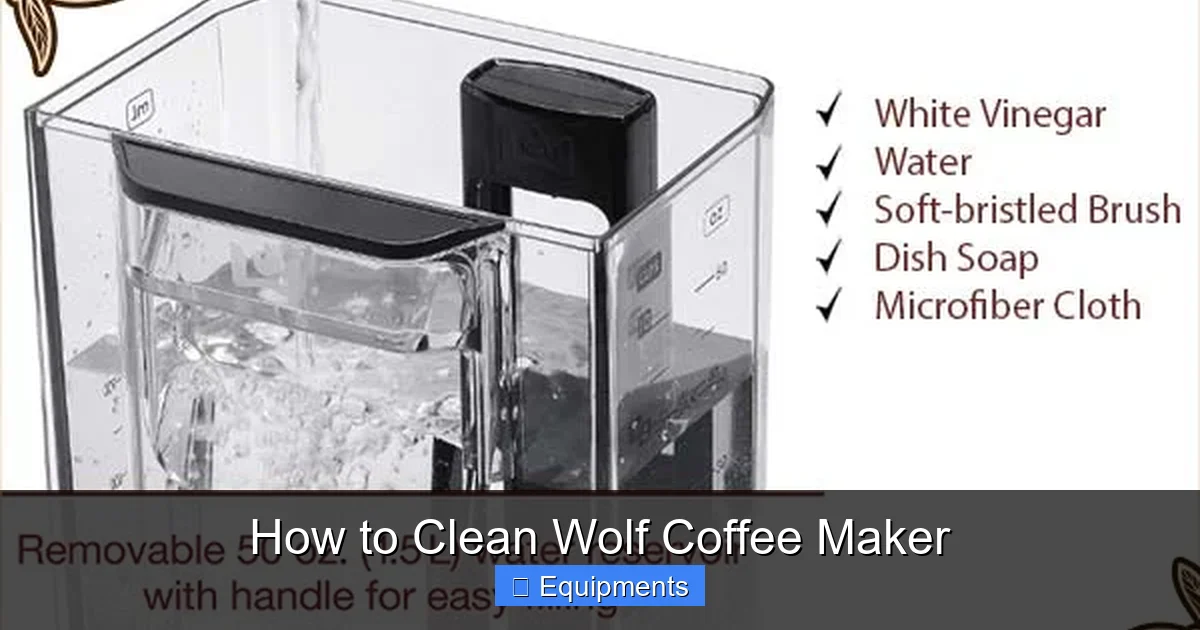
1. Rinse the Water Reservoir
Every morning, before you brew, remove the water reservoir and give it a quick rinse with fresh water. This washes away any coffee grounds that may have slipped in and prevents stale water from sitting overnight.

Visual guide about How to Clean Wolf Coffee Maker
Image source: purecoffeejoy.com
Visual guide about How to Clean Wolf Coffee Maker
Image source: mtnlyoncafe.com
2. Clean the Brew Basket
Pull out the brew basket (the part that holds the coffee filter). Discard any used grounds, then rinse it under warm running water. If you notice oily residue, give it a gentle scrub with a little dish soap and a soft sponge.
3. Wipe the Exterior
Use a damp microfiber cloth to wipe the machine’s outer surface. Avoid abrasive cleaners; they can scratch the stainless‑steel finish that gives Wolf appliances their sleek look.
4. Run a Quick “Flush” Cycle
Fill the reservoir with fresh water, place an empty filter in the basket, and run a brew cycle without coffee. This flushes out any lingering coffee particles and helps keep the internal tubing clean.
Weekly Deep Clean: Removing Coffee Oils
Why weekly cleaning is important
Even with daily rinses, coffee oils can cling to the brew basket, carafe, and internal pathways. These oils turn rancid over time, giving your coffee a bitter, burnt taste. A weekly deep clean removes this buildup.
Visual guide about How to Clean Wolf Coffee Maker
Image source: mtnlyoncafe.com
Step 1 – Disassemble Removable Parts
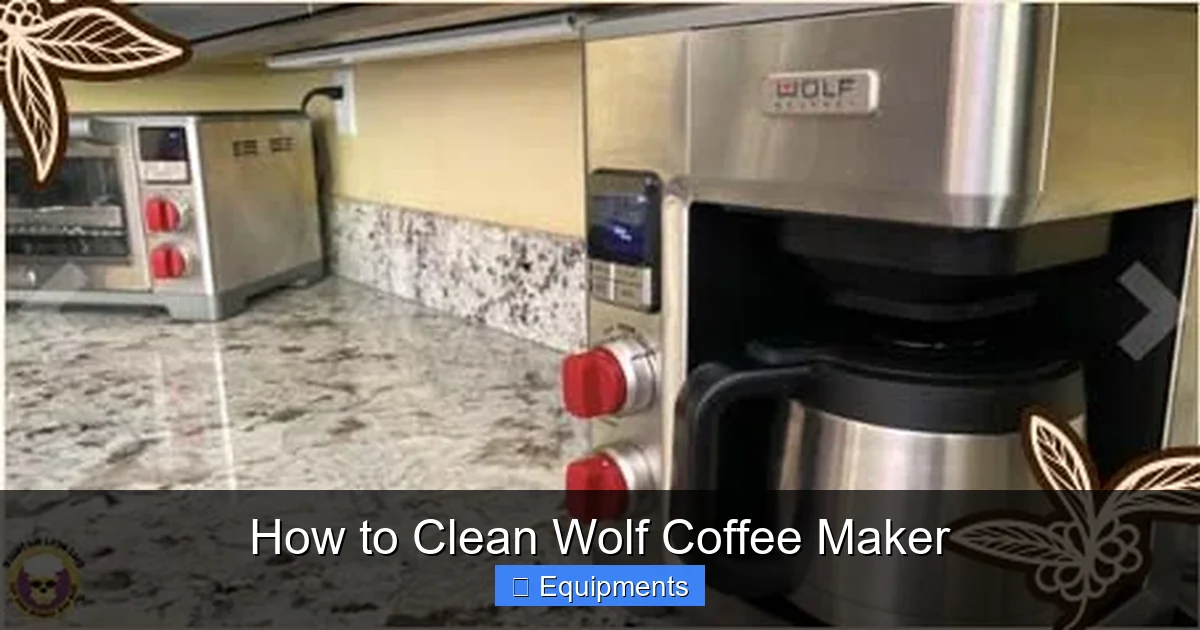
Turn off and unplug the machine. Remove the water reservoir, brew basket, carafe, and any drip tray. Most Wolf models have a quick‑release latch for the reservoir; consult your user manual if you’re unsure.
Step 2 – Soak in Vinegar Solution
Mix one part white distilled vinegar with one part warm water in a large bowl. Submerge the brew basket, carafe, and drip tray for 10‑15 minutes. The acidity of vinegar breaks down oily residues.
Step 3 – Scrub Gently
After soaking, use a soft brush or sponge to scrub any stubborn spots. Pay special attention to the mesh filter and the carafe’s spout, where coffee particles often hide.
Step 4 – Rinse Thoroughly
Rinse every part under running water until no vinegar smell remains. A lingering vinegar scent can affect the flavor of your next brew.
Step 5 – Reassemble and Run a Water‑Only Cycle
Put the machine back together, fill the reservoir with fresh water, and run two brew cycles without coffee. This final rinse clears any remaining cleaning solution.
Monthly Descaling: Tackling Mineral Buildup
What is descaling?
Hard water leaves calcium and magnesium deposits (scale) on the heating element and water lines. Over time, scale reduces heating efficiency, leading to longer brew times and weaker coffee. Descaling removes these minerals.
Choosing a Descaling Agent
- White vinegar: Inexpensive and safe for most models. Use a 1:1 vinegar‑water mix.
- Citric acid: Dissolves quickly and leaves no odor. Mix 1‑2 tablespoons of powder with a liter of water.
- Commercial descaler: Formulated for coffee makers; follow the manufacturer’s instructions.
Descaling Procedure
- Empty the water reservoir and remove the brew basket.
- Fill the reservoir with the descaling solution.
- Place a large container on the drip tray to catch the liquid.
- Start a brew cycle. When the machine pauses (usually halfway), let the solution sit for 10 minutes.
- Resume the cycle and let it finish.
- Rinse the reservoir, fill it with fresh water, and run two full brew cycles to flush out any remaining descaler.
Tips for Success
- If your Wolf coffee maker has a built‑in descaling indicator, follow its prompts.
- Use filtered or bottled water to reduce future scale buildup.
- Descale every 1‑2 months, depending on water hardness.
Seasonal Deep Clean: Full Disassembly
When to perform a full clean
Every 6‑12 months, give your Wolf coffee maker a thorough overhaul. This is especially useful if you notice a decline in brew speed, odd noises, or a persistent off‑taste.
Complete Disassembly Steps
- Unplug and let the machine cool completely.
- Remove the water reservoir, brew basket, carafe, drip tray, and any removable filter holders.
- Consult the user manual for any hidden screws or clips that secure the internal housing.
- Gently detach the heating plate and water hose if they are designed to be removed.
Cleaning the Interior
Use a soft brush dipped in a vinegar‑water solution to scrub the interior walls and the heating plate. For stubborn scale, apply a citric‑acid paste (mix citric acid with a few drops of water) and let it sit for 5 minutes before scrubbing.
Reassembly Checklist
- All parts are completely dry.
- Hoses are correctly re‑attached and snug.
- Heating element is seated properly.
- All screws and clips are tightened, but not over‑tightened.
Final Test Run
After reassembly, fill the reservoir with fresh water and run a full brew cycle. Check for leaks, unusual sounds, and ensure the coffee tastes clean.
Preventive Care: Keeping Your Wolf Coffee Maker in Top Shape
Use filtered water
Hard water is the main cause of mineral buildup. A simple water filter pitcher or an in‑line filter can cut down on scale formation dramatically.
Don’t leave coffee grounds in the machine
After brewing, discard the used grounds promptly and rinse the basket. Stale grounds promote mold growth.
Store the machine dry
If you won’t be using the coffee maker for a week or more, empty the reservoir, wipe dry, and leave the lid open to let air circulate.
Follow the manufacturer’s recommendations
Wolf provides specific cleaning cycles for some of its high‑end models. Always refer to the user manual for model‑specific instructions.
Common Mistakes to Avoid
- Using harsh abrasives: Steel wool or scouring pads can scratch stainless steel and damage seals.
- Skipping the final rinse: Residual cleaning agents alter coffee flavor.
- Neglecting the water line: Scale can build up inside the hose, leading to clogs.
- Using dish soap inside the reservoir: Soap residues are hard to rinse out and can cause foam during brewing.
Conclusion
Cleaning your Wolf coffee maker doesn’t have to be a chore. By following a simple routine—daily rinses, weekly oil removal, monthly descaling, and an occasional full disassembly—you’ll keep your machine running like new and your coffee tasting fresh. Remember, the key is consistency and using the right, gentle solutions. Treat your coffee maker well, and it will reward you with perfect cups for years to come.
Frequently Asked Questions
How often should I descale my Wolf coffee maker?
Descale every 1‑2 months if you use hard water, or follow the machine’s built‑in indicator. Softer water lets you stretch the interval to every 3‑4 months.
Can I use bleach to clean my Wolf coffee maker?
No. Bleach is too harsh and can damage seals and affect flavor. Stick to vinegar, citric acid, or a commercial coffee‑maker descaler.
Is it safe to clean the heating element with a brush?
Yes, as long as you use a soft‑bristled brush and avoid excessive pressure. The element is delicate and can be scratched by metal tools.
What if I notice a sour taste after cleaning?
Run two additional water‑only brew cycles to flush out any remaining cleaning solution. The sour taste should disappear.
Can I leave the water reservoir filled when I’m not using the machine?
It’s better to empty and dry the reservoir if you won’t use the coffee maker for more than a few days. Stagnant water can promote mold growth.
Do I need to replace any parts after regular cleaning?
Generally no, but check the water filter (if your model has one) and replace it according to the manufacturer’s schedule, usually every 2‑3 months.