Sharpening Cangshan knives is simple when you know the right tools and technique. This guide walks you through selecting a stone, setting angles, and polishing the edge so your knives stay razor‑sharp for every kitchen task. Follow the easy steps and keep your blades performing like new.
Key Takeaways
- Know your angle: Cangshan knives perform best at a 15‑20° bevel on each side.
- Choose the right stone: A 1000‑grit water stone for shaping, 3000‑6000‑grit for honing, and a 8000‑grit ceramic rod for polishing.
- Maintain consistency: Use a guide or jig to keep the sharpening angle steady throughout the process.
- Use proper pressure: Light, even pressure removes material without overheating the steel.
- Finish with a strop: A leather strop loaded with polishing compound gives a mirror finish and removes burrs.
- Safe handling: Keep fingers away from the edge and secure the stone on a non‑slip surface.
- Regular maintenance: Light honing after each use extends the time between full sharpenings.
📑 Table of Contents
Introduction: Why Sharpening Your Cangshan Knife Matters
Cangshan knives are celebrated for their thin, high‑carbon stainless steel blades and comfortable ergonomic handles. They slice through vegetables, meat, and fish with almost no effort—provided the edge is sharp. A dull blade not only slows you down, it can be dangerous because you have to press harder, increasing the chance of a slip.
This article shows you exactly how to sharpen Cangshan knives so they cut like they did on day one. We’ll cover everything from the tools you need, to setting the perfect angle, to polishing the edge for a professional finish. By the end, you’ll feel confident enough to sharpen your knives at home, saving money and keeping your kitchen running smoothly.
1. Gather the Right Tools
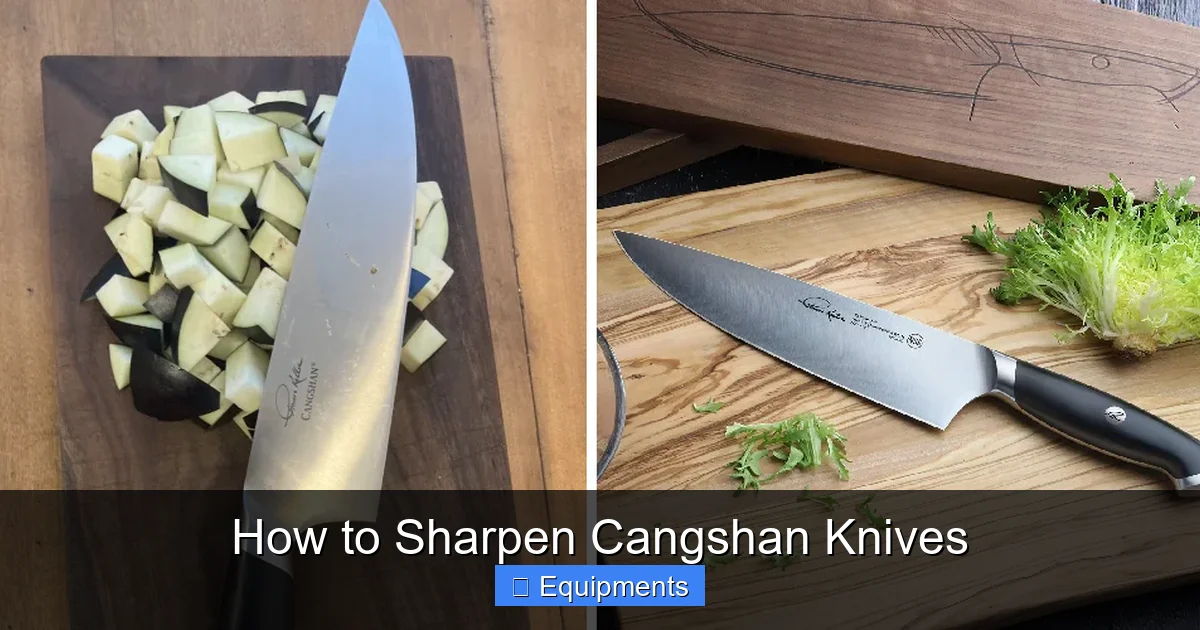
Before you start, make sure you have a complete sharpening kit. Using the correct equipment ensures a consistent edge and protects the blade from damage.
Visual guide about How to Sharpen Cangshan Knives
Image source: thekitchenix.com
1.1 Water Stones (Recommended)
- 1000‑grit stone: Removes nicks and reshapes the bevel.
- 3000‑6000‑grit stone: Refines the edge and removes the burr.
- 8000‑grit ceramic rod or stone: Gives a razor‑sharp, polished finish.
1.2 Honing Steel (Optional)
A honing steel is not a replacement for sharpening, but it’s handy for quick touch‑ups between full sharpenings. Choose a fine‑grit steel (around 2000) for best results.
1.3 Supporting Accessories
- Non‑slip mat or towel to keep the stone steady.
- Angle guide or sharpening jig (helps maintain a 15‑20° angle).
- Leather strop with polishing compound.
- Clean water bucket and a spray bottle.
- Protective gloves (optional) for extra safety.
2. Understand the Sharpening Angle
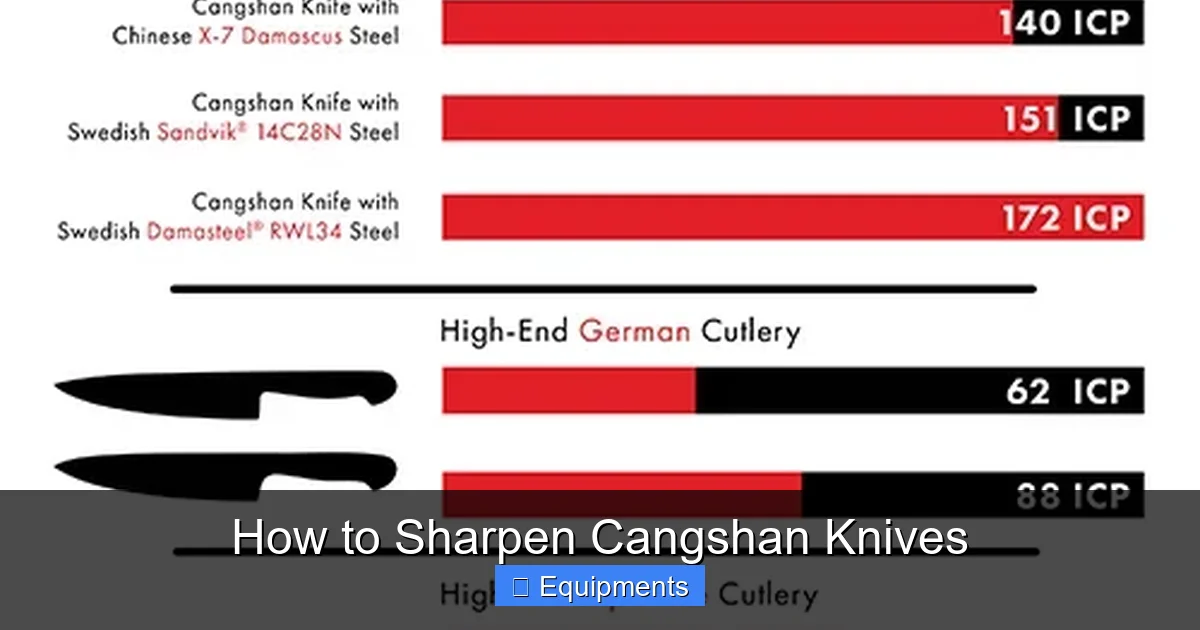
The angle you hold the blade against the stone determines how sharp and durable the edge will be. Cangshan knives are designed for a relatively narrow bevel, typically between 15° and 20° on each side.
Visual guide about How to Sharpen Cangshan Knives
Image source: cdn.everythingkitchens.com
2.1 Why 15‑20°?
A smaller angle creates a finer edge, which is perfect for delicate tasks like slicing sushi or thinly dicing herbs. However, a very acute angle can be fragile on tougher jobs. Keeping the angle in the 15‑20° range offers a balance of sharpness and edge life.
2.2 Using an Angle Guide
Place the guide on the stone, set it to 15° (or 20° if you prefer a sturdier edge), and rest the knife’s spine against the guide. The guide will keep your wrist from drifting, ensuring every pass is consistent.
2.3 Free‑hand Technique
If you prefer not to use a guide, practice by visualizing a 1‑inch triangle with the stone as the base and the blade forming the height. The angle between the stone and the blade’s flat should feel like a gentle slope—not too steep.
3. Preparing the Stone and Blade
Proper preparation makes the sharpening process smoother and prevents accidents.
Visual guide about How to Sharpen Cangshan Knives
Image source: sagaknives.com
3.1 Soak the Water Stone
Submerge the stone in water for 5‑10 minutes until bubbles stop rising. This saturates the stone, allowing it to release abrasive particles while you work.
3.2 Clean the Blade
Wash the knife with mild dish soap and warm water, then dry it completely. Any residue can cause uneven grinding.
3.3 Secure the Work Area
Place the non‑slip mat on a stable countertop. Position the stone on the mat so it won’t shift. Keep a towel handy to wipe excess water.
4. The Sharpening Process Step‑by‑Step
Now that you’re set up, follow these detailed steps. Each stage uses a different grit stone to gradually refine the edge.
4.1 Coarse Grinding – 1000‑Grit Stone
- Place the 1000‑grit stone on the mat and add a thin film of water.
- Set the angle guide to 15° (or hold the blade at that angle).
- Starting at the heel, push the blade away from you, sliding the edge across the stone as if you were trying to slice a thin layer of water off the surface.
- Apply light, even pressure. The motion should be smooth, not a chopping action.
- Complete 8‑10 strokes on one side, then flip the knife and repeat on the other side.
- Check the edge by looking down the blade; you should see a small “V” shape forming.
4.2 Refining the Edge – 3000‑6000‑Grit Stone
- Rinse the 1000‑grit stone and move to the 3000‑grit stone (or start with 3000 and finish with 6000).
- Maintain the same angle and repeat the same stroke pattern, but increase the number of passes to 12‑15 per side.
- The burr (a thin fold of metal) will appear on the opposite side of each pass. Feel for it with your fingertip—if you can detect a slight roughness, you’re on track.
- Switch to the 6000‑grit stone for an extra polishing pass, using the same technique but with even lighter pressure.
4.3 Polishing – 8000‑Grit Ceramic Rod or Stone
- Switch to the fine ceramic rod. Hold the knife at the same angle.
- Make 5‑8 short, alternating strokes on each side. This step removes any remaining microscopic burrs and gives the edge a mirror‑like sheen.
- Rinse the blade and dry it thoroughly.
4.4 Strop the Edge
Lay the leather strop flat on the countertop, coat it lightly with polishing compound, and pull the blade across the strop moving away from the edge (same direction as sharpening). Do 10‑12 passes per side. This final action aligns the microscopic teeth on the edge, delivering a razor‑sharp finish.
5. Testing the Sharpness
After sharpening, you need to confirm the edge is truly sharp. Here are three quick tests you can perform safely.
5.1 Paper Test
Hold a piece of printer paper upright and gently slide the blade along the edge. A sharp Cangshan will glide smoothly without tearing the paper.
5.2 Tomato Slice
Place a ripe tomato on a cutting board. A properly sharpened knife will slice through the skin with little pressure, leaving a clean cut.
5.3 Burr Check
Run your thumb lightly (perpendicular to the edge) from the spine to the edge. You should feel no snagging or roughness, indicating the burr has been fully removed.
6. Maintaining Your Edge Between Sharpenings
Regular maintenance extends the time between full sharpenings and keeps your Cangshan knives performing at their best.
6.1 Light Honing
After each use, run the blade 5‑6 times across a fine honing steel at the same 15° angle. This realigns the edge without removing material.
6.2 Proper Storage
Store knives in a magnetic strip or a knife block with individual slots. Avoid loose placement in drawers where the blades can knock against each other.
6.3 Cleaning Routine
Never soak Cangshan knives for long periods. Hand‑wash with mild soap, dry immediately, and apply a thin layer of food‑grade mineral oil if you store them for extended periods.
Conclusion
Sharpening Cangshan knives is not a mysterious art reserved for professionals. With the right stones, a steady angle, and a few careful strokes, you can restore a dull blade to its original, effortless cutting power. Remember to start with a coarse stone to reshape, move through finer grits to hone, and finish with a strop for that final edge refinement. Regular honing and proper storage will keep your knives sharp longer, saving you time and money in the kitchen. Grab your stones, set the angle, and enjoy the satisfying sound of a blade that truly cuts.
Frequently Asked Questions
How often should I sharpen my Cangshan knife?
For home cooks, a full sharpening every 6‑12 months is typical. Light honing after each use can extend this interval.
Can I use a diamond stone instead of a water stone?
Yes, a diamond stone works well and requires less water. Use a similar grit progression (coarse to fine) and keep the stone clean.
Is a 15° angle too thin for tougher tasks?
For heavy chopping (e.g., bone), a slightly larger angle of 20° adds durability while still providing good sharpness.
Do I need a sharpening guide?
A guide is helpful for beginners to maintain a consistent angle. With practice, many users can free‑hand the 15‑20° bevel accurately.
What if I create a burr on one side?
Switch to the finer grit stone and gently work the opposite side until the burr disappears. A final stropping will also eliminate any remaining burr.
Can I sharpen a Cangshan knife with a kitchen grinder?
It’s not recommended. Grinders remove too much material quickly and can overheat the steel, reducing edge retention.