A rusted coffee maker hot plate isn’t just unsightly—it can affect performance and taste. The good news is you can often fix it yourself using common household items like white vinegar or baking soda. The process involves unplugging the machine, creating a paste or soak, gently scrubbing, and thorough rinsing. For severe rust or if you’re uncomfortable, consider professional help or replacement. Regular drying after each use is the #1 prevention tactic.
Key Takeaways
- Unplug First: Always disconnect your coffee maker from power before attempting any cleaning or rust removal to prevent electrical hazards.
- Start Gentle: Begin with the least abrasive method (like a vinegar soak) and only escalate to pastes or commercial cleaners if necessary to avoid damaging the plate.
- Rinse Thoroughly: After any rust treatment, rinse the hot plate multiple times with clean water to remove all acidic or chemical residues before the next use.
- Dry Completely: The single most important prevention step is to wipe the hot plate dry with a towel after every single brew cycle to eliminate moisture.
- Assess Severity: If the rust has pitted through the metal or the heating element is exposed, the plate is likely compromised and should be replaced for safety and function.
- Avoid Harsh Scrapers: Never use steel wool, metal scrapers, or abrasive pads on the hot plate surface, as they will scratch the coating and accelerate future rusting.
- Check the Manual: Always consult your coffee maker’s user manual first, as some manufacturers have specific instructions or warnings against certain cleaning agents.
📑 Table of Contents
- Understanding the Enemy: Why Rust Forms on Your Hot Plate
- Immediate Action: The First 60 Seconds Matter
- The DIY Arsenal: Safe & Effective Home Remedies
- Beyond Rust: A Full Hot Plate Deep Clean
- Prevention: The Forever Strategy
- When Cleaning Isn’t Enough: Signs It’s Time for Replacement
- Conclusion: A Little Care Goes a Long Way
Understanding the Enemy: Why Rust Forms on Your Hot Plate
That reddish-brown flakiness on your coffee maker’s hot plate is more than a nuisance; it’s a chemical reaction called oxidation. Your hot plate is typically made of metal, often aluminum or stainless steel with a protective coating. When that coating gets scratched, worn, or simply exposed to constant moisture and heat, the underlying iron in the metal reacts with oxygen and water to form iron oxide—rust. Your morning ritual of brewing coffee creates a perfect storm: heat accelerates the reaction, and the steam and occasional drips provide the moisture. Even simply leaving the machine plugged in with a damp plate can start the process. Understanding this helps you fight it effectively. The goal isn’t just to scrub away the current rust, but to break the cycle of moisture and exposure that causes it to return.
The Role of Heat and Humidity
Your kitchen is a humid place, especially during and after brewing. The hot plate stays warm for a while, creating a miniature sauna effect on its surface. Warm air holds more moisture, which then condenses on the cooling plate. This persistent, cyclical dampness is rust’s best friend. If you live in a particularly humid climate or don’t have good kitchen ventilation, the problem can be worse.
Damage to the Protective Layer
Many hot plates have a non-stick or protective enamel coating. Using metal utensils on the plate, abrasive scrubbers when cleaning the carafe, or even just the friction of the carafe’s bottom sliding on and off can wear this coating down over time. Once the bare metal is exposed, it’s a race against rust. Your cleaning habits can either protect or destroy this vital layer.
Immediate Action: The First 60 Seconds Matter
Before you grab any supplies, the first steps are critical for safety and effectiveness. Rushing into scrubbing with the machine plugged in is dangerous. Taking a moment to assess the damage will save you time and prevent you from using the wrong method.
Visual guide about How to Remove Rust from Coffee Maker Hot Plate
Image source: housedigest.com
Step 1: Power Down and Cool
This is non-negotiable. Unplug your coffee maker from the wall outlet. If it was just brewing, allow the hot plate to cool completely for at least 30-45 minutes. Touching a hot, rusted surface can cause burns, and applying cold liquids to a hot plate can shock and warp the metal. Safety always comes first.
Step 2: Assess the Rust
Get a good look. Use a flashlight. Is this a light surface rust, like a orange dusting? Or is it thick, flaky, and has it started to pit the metal? Run your fingernail over it gently. If it scrapes off easily, it’s likely superficial. If the metal feels rough and uneven, the rust has eaten into the metal. This assessment determines your approach. Superficial rust is a DIY job. Deep pitting means the structural integrity may be compromised, and continued use could be unsafe.
Step 3: Remove Loose Debris
Take a dry paper towel or soft, dry cloth and gently brush away all the loose, flaky rust particles. This prevents you from grinding these particles into the surface when you start scrubbing and gives you a clearer view of what you’re working with.
The DIY Arsenal: Safe & Effective Home Remedies
You don’t need expensive, toxic chemicals. Your kitchen likely holds everything you need to conquer rust safely. The principle is always the same: use an acid to dissolve the rust, then a mild abrasive to gently remove it, followed by meticulous rinsing and drying. Always test any method on a small, inconspicuous area first if possible.
Visual guide about How to Remove Rust from Coffee Maker Hot Plate
Image source: indoorense.com
Method 1: White Vinegar Soak (The Gold Standard)
White vinegar contains acetic acid, which is excellent at dissolving rust without being overly harsh on metal. It’s the go-to starting point for most rust situations.
- What you need: White distilled vinegar, a shallow bowl or tray large enough for the hot plate (or a section of it), paper towels, a soft cloth, baking soda (for final scrub).
- The Process: If your hot plate is removable, take it off the machine. If not, you’ll work in place. Soak several paper towels in vinegar and lay them directly on the rusted areas. For a removable plate, submerge the affected part in a bowl of vinegar. Let it sit for at least 1-2 hours for light rust, or up to 8 hours or overnight for heavier buildup. The acid will work to loosen the rust.
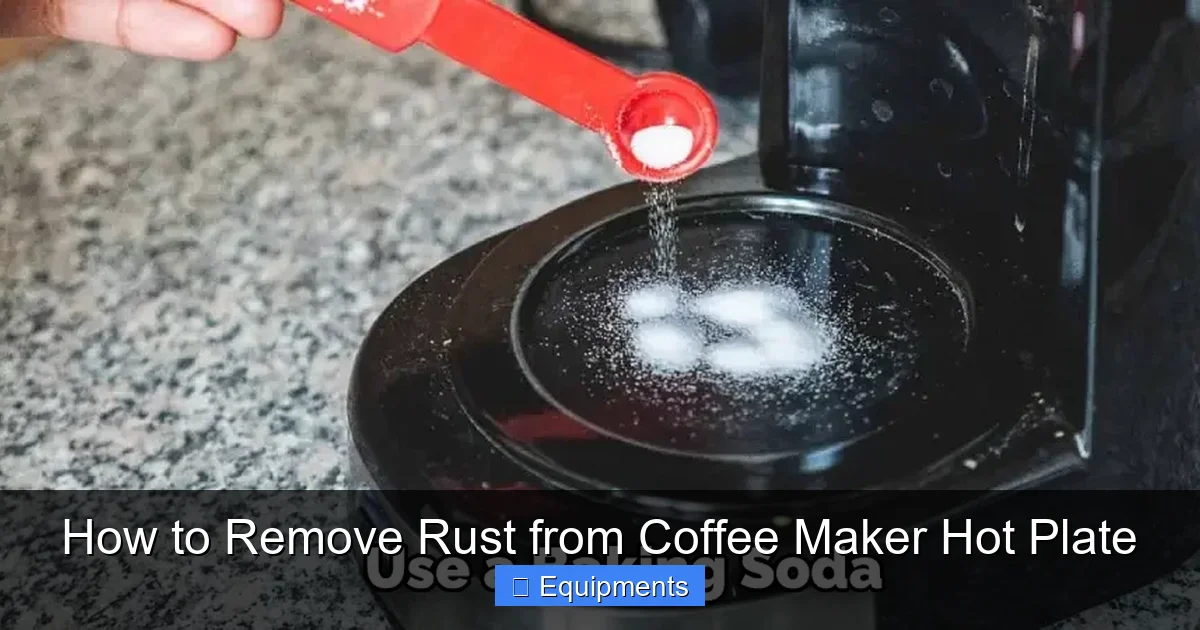
- Scrubbing: After soaking, remove the towels. The rust should be loosened. Make a paste with baking soda and a tiny bit of water. Using a soft cloth or a non-scratch nylon sponge, gently scrub the area with the baking soda paste. The mild abrasive action of baking soda will lift the rust without scratching. Rinse the plate thoroughly with clean water and dry immediately.
Method 2: Baking Soda Paste (For Light Surface Rust)
If the rust is very light and you want to avoid any liquid, a baking soda paste is perfect. It’s a very mild abrasive and alkali, which helps lift rust.
- What you need: Baking soda, water, a soft cloth or toothbrush.
- The Process: Mix baking soda with just enough water to form a thick paste. Apply it to the rust spots. Using your fingers or a soft cloth, rub the paste onto the rust in circular motions. For detailed areas around the heating element, use a soft-bristled toothbrush. Let the paste sit for 15-20 minutes. Then, rinse extremely well with a damp cloth followed by a dry one. Ensure no baking soda residue remains, as it can be abrasive if left to dry.
Method 3: Lemon and Salt (A Natural Boost)
The citric acid in lemon combined with the abrasive texture of salt creates a powerful, natural rust remover that also leaves a fresh scent.
- What you need: A fresh lemon, table salt, a soft cloth.
- The Process: Cut a lemon in half. Sprinkle a generous amount of salt onto the cut side. Rub the salted lemon directly onto the rusted areas of the hot plate. The salt provides grit while the lemon juice attacks the rust. Let the lemon juice sit on the metal for 10-15 minutes. Scrub gently with the lemon half again. Wipe clean with a damp cloth and dry thoroughly. This method is great for small spots.
Method 4: Commercial Rust Removers (Use with Extreme Caution)
For stubborn rust that home remedies can’t touch, you may consider a commercial rust dissolver like Evapo-Rust or CLR. This is the last resort.
- Critical Warnings: These products are acidic and potent. NEVER use them on a hot plate that is still attached to an electrical appliance. You must remove the plate if possible. If you cannot remove it, do not use these chemicals—the risk of drips into the internal wiring is too high. Always wear gloves and eye protection. Work in a well-ventilated area. Read the product label meticulously.
- The Process: Apply the product as directed, usually with a cloth or brush, let it sit for the specified time (often 5-10 minutes), then wipe and rinse repeatedly with copious amounts of water. Follow with a vinegar-water rinse to neutralize any remaining chemicals, then a final plain water rinse. Dry completely.
Beyond Rust: A Full Hot Plate Deep Clean
While you have the hot plate exposed and clean, it’s the perfect time for a full maintenance routine. Scale and coffee oil buildup can also affect heating efficiency and taste.
Visual guide about How to Remove Rust from Coffee Maker Hot Plate
Image source: indoorense.com
Descaling the Plate
Even without rust, mineral deposits from water can form a white, chalky film. This acts as an insulator, making the plate less efficient. After rust removal, if you see scale, run a brew cycle with a solution of 1 part white vinegar to 2 parts water (no coffee grounds!). Then run 2-3 full cycles with fresh water to rinse. For a removable plate, you can soak it in the vinegar solution.
Cleaning the Surrounding Area
Don’t forget the area under the plate and the warming tray. Crumbs and spilled coffee can burn onto these surfaces. Once the plate is removed (if possible), wipe down the entire interior of the machine base with a damp cloth. Use a toothbrush to dislodge debris from crevices. Ensure everything is bone dry before reassembling.
Prevention: The Forever Strategy
Removing rust is a chore. Preventing it is simple. Adopt these habits to keep your hot plate pristine for the life of your machine.
The #1 Rule: Wipe It Dry, Every Time
This cannot be stressed enough. After you pour your last cup, unplug the machine if you’re done for the morning. While the plate is still warm (not hot), take a clean, dry microfiber cloth and thoroughly wipe the entire hot plate surface. Get into the edges. This single habit removes the moisture that starts rust. Make it as automatic as pressing the brew button.
Mind Your Carafe
The bottom of your carafe can be a culprit. Make sure the carafe’s base is clean and dry before placing it on the hot plate. A wet carafe bottom will trap moisture against the plate. Also, check for scratches on the carafe’s base; a rough surface can damage the plate’s coating faster.
Water Quality Matters
If you have hard water, you’re constantly depositing minerals. Use filtered or distilled water in your coffee maker. This reduces both scale buildup (which can trap moisture) and general mineral stress on the metal components.
Storage and Environment
If you don’t use your coffee maker daily, store it in a cool, dry place. Ensure it is completely cool and dry before covering it or putting it away. If your kitchen is very humid, consider using a small dehumidifier or ensuring good airflow.
When Cleaning Isn’t Enough: Signs It’s Time for Replacement
Not all rust is a lost cause, but some situations mean the hot plate has reached the end of its life. Continuing to use a severely compromised plate can be inefficient or even unsafe.
Deep Pitting and Holes
If the rust has eaten through the metal, creating visible pits or, worse, small holes, the plate is structurally damaged. It will not heat evenly and could fail catastrophically. Stop using it immediately.
Exposed Heating Element
Some machines have the heating coil embedded in the plate. If rust has corroded the plate so badly that you can see the coil itself, this is a major failure point. It poses an electrical risk and will not function properly.
Persistent Rust After Multiple Treatments
If you’ve diligently followed the cleaning methods, dried it perfectly, and the rust returns within a week or two, the protective coating is likely completely gone. The bare metal is now in a constant state of oxidation. It’s time to look for a replacement part.
How to Replace a Hot Plate
Check your manufacturer’s website for a replacement part number. For many popular consumer models, parts are available. Search for “[Your Coffee Maker Brand and Model] hot plate replacement.” You may find official parts or third-party equivalents. Replacement often involves unplugging the machine, removing the bottom cover, disconnecting two wire terminals (note which goes where!), and unscrewing the plate. If you are not comfortable with basic appliance repair, consult a small appliance repair shop. Sometimes, the cost of a new machine is comparable to a part plus labor.
Conclusion: A Little Care Goes a Long Way
That rusty hot plate doesn’t have to mean the end of your beloved coffee maker. By understanding the cause—moisture and a breached protective layer—you can effectively fight back with safe, accessible methods like vinegar and baking soda. The process is straightforward: unplug, assess, treat with an acid, rinse meticulously, and dry completely. But the real victory isn’t in the occasional deep clean; it’s in the daily habit of a simple wipe-down. This tiny act of maintenance prevents the rust cycle from ever starting. Treat your coffee maker with this small kindness, and it will reward you with years of reliably hot coffee and a clean brewing environment. Remember, a clean machine is a happy machine, and a happy machine makes a happy you, one perfect cup at a time.
Frequently Asked Questions
Can I use steel wool to remove rust from my hot plate?
No, you should never use steel wool or metal scrubbers. They will scratch the metal surface, removing any remaining protective coating and creating more tiny grooves where moisture can hide, which will actually make rust return faster and more aggressively.
Is the rust on my hot plate dangerous to my health?
Ingesting small amounts of rust (iron oxide) is not acutely toxic, but it is not intended for consumption and can cause digestive discomfort. More importantly, a heavily rusted plate can flake rust particles into your coffee and indicates the machine may be heating unevenly or inefficiently. The primary risk is to the machine’s function and longevity, not immediate poisoning.
My hot plate is not removable. How can I clean it safely?
For a fixed hot plate, your safest methods are the soak-and-wipe techniques. Soak paper towels in white vinegar and lay them on the rusted areas. Let them sit, then gently wipe with a vinegar-soaked cloth. You can make a baking soda paste and apply it with a cloth or soft toothbrush. The key is to avoid excessive liquid pooling that could drip into the machine’s internal electrical components. Always work with the machine unplugged and upright.
Will removing the rust affect the taste of my coffee?
If done correctly—meaning you rinse the plate extremely thoroughly after using any acidic or cleaning solution—there should be no residual taste. Any leftover vinegar or cleaner would certainly ruin the flavor. This is why the rinse and dry steps are so critical. A clean, rust-free plate will actually improve taste by ensuring efficient, even heating.
How often should I perform a deep rust removal on my coffee maker?
Ideally, you should never need to. With proper daily drying and good water, rust should not form. If you see the first signs of surface rust, treat it immediately with a vinegar wipe-down. A full soak and scrub should only be necessary if rust has visibly built up due to neglect. Think of it as a rescue mission, not a regular maintenance task.
Can I prevent rust by using a hot plate cover or pad?
This is generally not recommended. Any material placed between the carafe and the hot plate acts as an insulator, preventing the plate from heating the carafe effectively. It can also trap steam and moisture underneath, creating a perfect humid environment that accelerates rust on the plate itself. The best prevention is a dry plate, not a covered one.