That chalky film on your dishes is usually mineral buildup from hard water or leftover detergent. The fix involves a deep clean of your dishwasher using acids like vinegar or citric acid, adjusting your detergent usage, and ensuring proper water temperature. Regular maintenance and addressing your home’s water hardness are key to preventing it from returning.
Key Takeaways
- Identify the culprit: White residue is typically hard water mineral deposits (calcium, magnesium) or undissolved dishwasher detergent, not food debris.
- Deep clean with acid: Running an empty cycle with white vinegar or citric acid dissolves mineral clogs in spray arms, filters, and the interior.
- Check your detergent: Using too much, the wrong type (e.g., regular dish soap), or old, clumped detergent causes excess suds and residue.
- Adjust water temperature: Ensure your hot water heater is set to at least 120°F (49°C) so detergent activates properly and rinses away completely.
- Clean critical parts manually: Remove and clean the spray arms, filter, and drain basket regularly to prevent clogging that traps residue.
- Consider a water softener: For persistent issues in very hard water areas, a whole-house or point-of-use water softener is the ultimate solution.
- Prevent with rinse aid: Always use a rinse aid to reduce surface tension, helping water sheet off dishes and preventing mineral spots.
📑 Table of Contents
- Why Is There White Residue on My Dishes? Understanding the Enemy
- The Ultimate Deep Clean: Banishing Mineral Scale and Detergent Buildup
- Prevention is Key: Daily and Weekly Habits to Stop Residue Before It Starts
- Conquering the Spray Arms and Filter: The Heart of the System
- Is It Your Water? Testing and Tackling Hard Water
- Advanced Troubleshooting: When the Basics Aren’t Enough
- Your Action Plan: A Simple Maintenance Schedule
- Conclusion: Reclaiming Sparkling Dishes
Why Is There White Residue on My Dishes? Understanding the Enemy
You unload the dishwasher after a cycle, excited for sparkly clean plates, only to find them covered in a dull, chalky, or filmy white substance. It’s frustrating, and it makes you wonder if your dishwasher is even working. First, take a breath. This is one of the most common dishwasher complaints, and it’s almost always fixable. That white residue isn’t mysterious gunk; it’s either a mineral deposit from your water or leftover detergent. Think of it as your dishwasher’s cry for help—it’s telling you something in the cleaning process is out of balance. Your main job is to play detective and figure out which of the two main villains you’re dealing with: hard water scale or detergent residue. The solution path differs slightly, so nailing down the cause saves you time and effort.
Hard Water Scale: The Mineral Culprit
If you have hard water, meaning your water is high in dissolved minerals like calcium and magnesium, those minerals don’t just vanish. They get left behind as the water evaporates during the drying cycle, creating a white, powdery, or crusty film. This is especially noticeable on glassware, which turns cloudy—a condition called etching if it’s severe. You might also see buildup inside the dishwasher itself: on the heating element (if you have one), along the tracks of the racks, and clogging the tiny holes in the spray arms. A tell-tale sign is that the residue feels gritty or chalky if you rub it between your fingers. It’s essentially limescale.
Detergent Residue: The Soapy Suspect
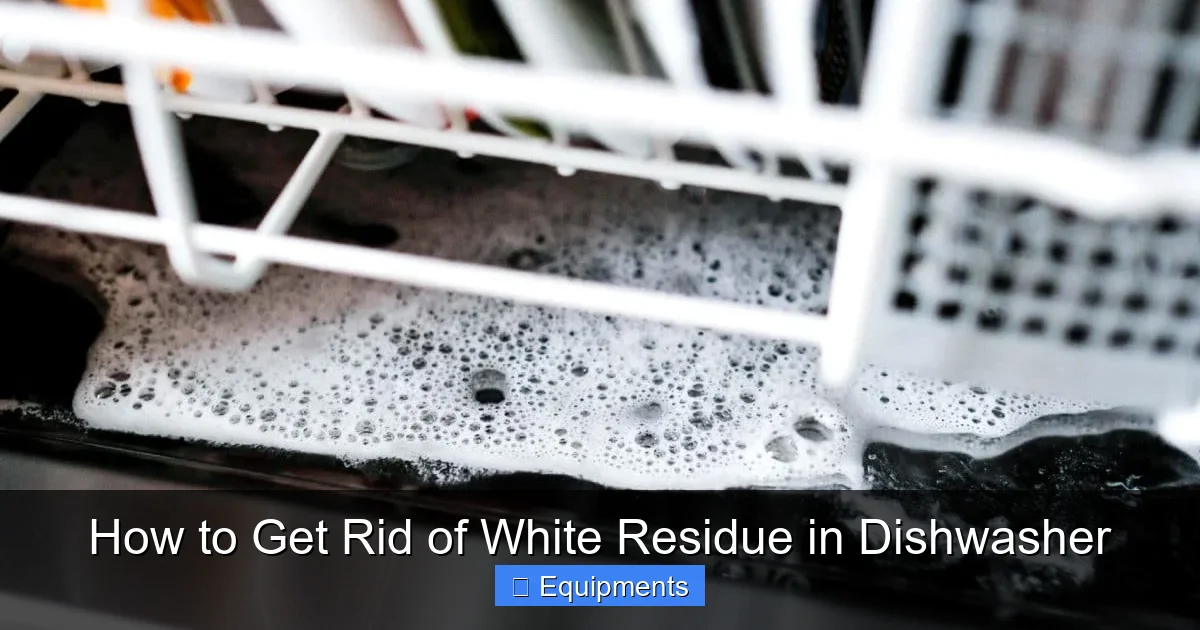
This residue feels more like a film or paste and might be slightly sticky. It happens when detergent isn’t fully dissolved or rinsed away. Causes include using too much detergent (more is NOT better), using the wrong type (like liquid dish soap—never do this!), or using old, clumped detergent that won’t dissolve properly. You’ll often see this residue pooled in the bottom of cups, on the undersides of bowls, and on the dishwasher’s interior walls and door. It can also appear as a white, powdery substance if the detergent granules didn’t fully break down. This is a mechanical/chemical problem, not a water problem.
How to Tell the Difference: A Simple Test
Grab a glass with the white residue. Carefully place a few drops of white vinegar on the film. If the vinegar immediately fizzes and bubbles, you’re dealing with hard water scale (the acid reacts with the alkaline minerals). If the vinegar just sits there with no reaction, it’s likely detergent residue. You can also try scrubbing a spot with a lemon wedge; the citric acid will dissolve mineral scale but do little for soap film. This quick test guides your first cleaning step.
The Ultimate Deep Clean: Banishing Mineral Scale and Detergent Buildup
Once you’ve identified the likely cause, it’s time for a full-scale assault. The most effective method for tackling both issues—especially mineral scale—is an acid-based deep clean. This isn’t about wiping the door; it’s about flushing the entire system, from the spray arms to the drain.
Visual guide about How to Get Rid of White Residue in Dishwasher
Image source: paradiseapplianceservice.com
Step 1: The Vinegar Wash (Your First Line of Defense)
White distilled vinegar is a miracle worker. Its acetic acid dissolves mineral deposits and cuts through light detergent film.
- Empty the dishwasher completely. Remove all racks and utensils.
- Place a dishwasher-safe bowl or cup filled with 1-2 cups of white vinegar on the top rack. Do not add detergent.
- Run a hot, long cycle. Use the “Heavy” or “Sanitize” setting if available. The vinegar will steam and circulate, coating every surface.
- After the cycle, wipe down the interior. Pay special attention to the door gasket, corners, and the base. You’ll likely see a lot of loosened grime.
Pro Tip: For severe buildup, you can also sprinkle 1/2 cup of baking soda on the bottom of the tub before running the vinegar cycle. The fizzing action helps dislodge debris. However, run the vinegar cycle first, then a separate short wash with baking soda, as mixing them neutralizes the acid.
Step 2: The Citric Acid Power Clean (For Stubborn Scale)
Citric acid is even more potent than vinegar for limescale and is odorless. You can find food-grade citric acid powder online or in canning sections.
- Remove any standing water from the base. Scoop it out with a cup.
- Pour 1/2 to 1 cup of citric acid powder directly into the bottom of the dishwasher tub.
- Run a very hot, long cycle (at least 2 hours) with no detergent. The hot water will dissolve the powder and aggressively attack scale inside the pump, drain, and spray arms.
- Repeat if necessary. For decades of buildup, you may need two treatments a week apart.
Safety Note: Ensure your dishwasher is empty and do not mix citric acid with bleach-based cleaners, as toxic gases can form.
Step 3: Manual Cleaning of Critical Components
Acid washes work on surfaces they touch, but they can’t clear a physically clogged hole. You must get hands-on.
- Spray Arms: Remove the lower and upper spray arms (consult your manual; they usually twist off). Rinse them under strong running water. Use a thin wire or paperclip to poke through each jet hole to dislodge any mineral plug. Soak them in a vinegar bath for 30 minutes first if needed.
- Filter Assembly: This is the #1 spot for trapped debris. Locate the filter (usually at the bottom, under the lower rack). Twist and lift it out. Discard large food particles. Scrub the mesh filter and plastic housing with a soft brush and warm, soapy vinegar water. Rinse thoroughly.
- Drain Baskets & Hoses: Clear any visible debris from the plastic basket or grate covering the drain. If your dishwasher has a hose you can access, check it for kinks or clogs.
- Door Gasket & Edges: Wipe the rubber seal around the door with a vinegar-dampened cloth. Lift the edge to clean the groove where gunk and mold love to hide.
Prevention is Key: Daily and Weekly Habits to Stop Residue Before It Starts
Cleaning your dishwasher is a rescue mission. Prevention is the standing army that keeps the enemy at bay. These habits are non-negotiable for residue-free dishes.

Visual guide about How to Get Rid of White Residue in Dishwasher
Image source: paradiseapplianceservice.com
Master Your Detergent Usage
This is the most common user error. More detergent does not equal cleaner dishes. Excess detergent doesn’t rinse away and bonds with minerals to create a stubborn film.
- Use the correct form: Pods are pre-measured and excellent for consistent results. If using powder or gel, fill the detergent cup only to the line, not heaping it. Check your manual for the recommended amount for your water hardness.
- Store detergent properly. Keep powder and gel in a cool, dry place. Moisture causes clumping, leading to incomplete dissolution and residue.
- Never use liquid dish soap. It creates insane amounts of suds that overflow the machine and leave a permanent soap film. If you accidentally use it, run an empty rinse cycle immediately to flush it out.
Embrace the Rinse Aid
Rinse aid is not optional; it’s essential. It’s a surfactant that breaks water’s surface tension. This allows water to sheet off your dishes and glassware instead of beading up and evaporating, which leaves mineral spots behind. It also helps with drying. Refill the rinse aid compartment monthly. If you have very hard water, consider a rinse aid specifically designed for hard water conditions.
Scrape, Don’t Rinse (Mostly)
Modern dishwashers and detergents are designed to work with some food residue. Scrape large chunks of food into the trash, but don’t pre-rinse under hot water. The detergent needs a bit of grease and protein to work effectively. Pre-rinsing can also mean your dishwasher doesn’t sense soil and runs a shorter, less effective cycle. The exception is if you have extremely hard water and are noticing mineral deposits on *unwashed* items; a quick rinse with cold water can help.
Run Hot Water First
Before starting your dishwasher, run the hot water tap in your kitchen sink for 30 seconds until it gets hot. This flushes out the cold water sitting in the pipes, ensuring the first spray from your dishwasher is hot. Hot water is critical for activating detergent and melting grease. If your water isn’t hot enough, your detergent won’t work properly, leading to residue.
Conquering the Spray Arms and Filter: The Heart of the System
We touched on this in the deep clean, but let’s dive deeper. The spray arms and filter are the engine and oil filter of your dishwasher. If they’re compromised, the whole system fails.
Visual guide about How to Get Rid of White Residue in Dishwasher
Image source: paradiseapplianceservice.com
The Spray Arms: Your Dishwasher’s Rotating Sprinklers
These arms must spin freely and shoot water with pressure through every single jet hole. A single clogged hole creates a “shadow” on the dishes below where no water hits.
- Inspection: After a cycle, open the door and watch the spray arms. Do they rotate smoothly? Do they appear to have good water pressure? If they wobble or seem slow, you have a clog.
- Deep Cleaning: Remove them (your manual is your friend). Soak in a vinegar bath overnight for heavy scale. Use a toothpick or compressed air to clear each hole. Check the water inlet where the arm connects to the water supply—make sure it’s not blocked.
- Alignment: Ensure they are reattached correctly and spin freely. Sometimes an item (like a tall utensil) can bend a spray arm, misaligning it.
The Filter: Your Dishwasher’s Gut
This mesh cylinder or basket catches food particles to protect the pump. If it’s full of gunk, water flow is restricted, recirculation is poor, and clean water can’t reach your dishes. A clogged filter also forces the dishwasher to work harder and can cause bad smells.
- Location & Removal: It’s almost always at the bottom, under the lower rack. Twist counter-clockwise to unlock and lift out.
- Cleaning Routine: Make this a weekly habit. Take it to the sink. Use a soft brush (an old toothbrush is perfect) and warm, soapy water. Scrub every part of the mesh and the housing it sits in. Rinse under high pressure. This 60-second task is the single most effective weekly maintenance you can do.
- Reinstall Correctly: Ensure it’s seated properly and locked. A poorly seated filter allows large debris to enter the pump, causing expensive damage.
Is It Your Water? Testing and Tackling Hard Water
If you’ve deep cleaned, adjusted detergent, and maintained the filter but the white residue returns within a week or two, you’re likely in a hard water area. The minerals are overwhelming your dishwasher’s ability to rinse them away.
Confirming Hard Water
You can get a clear answer with a simple test. Purchase an inexpensive water hardness test strip kit (available at hardware stores or online). Follow the instructions—usually, you dip a strip in a cold water sample from your kitchen tap and match the color to a chart. Results are in grains per gallon (GPG) or parts per million (PPM).
- 0-3 GPG: Soft water. Residue is likely a detergent issue.
- 4-8 GPG: Moderately hard. You’ll see some spots; vinegar washes every 1-2 months will manage it.
- 8+ GPG: Very hard. This is the primary cause of persistent white residue. You’ll need aggressive prevention and possibly a water softener.
Solutions for Hard Water
You have options, from temporary to permanent.
- Boosted Rinse Aid: Use a rinse aid with a built-in water softener (some brands offer “Hard Water” formulas). This helps a little.
- Additives to Each Wash: Products like Finish Hard Water Booster or Lemi-Shine are powders you add to the main wash cup. They contain citric acid and polymers that chelate (bind) minerals, preventing them from depositing. This is a very effective band-aid for severe hard water.
- Install a Water Softener: This is the gold standard, permanent solution. A whole-house ion-exchange softener removes calcium and magnesium from all the water entering your home. This eliminates scale in your dishwasher, washing machine, pipes, and water heater. It’s an investment but pays off in appliance longevity and spot-free everything. A point-of-use softener just for the kitchen line is a less expensive alternative.
Advanced Troubleshooting: When the Basics Aren’t Enough
You’ve done everything above and still see residue? Let’s investigate deeper.
Check Water Temperature at the Dishwasher
Your hot water heater setting is one thing, but what temperature is the water *actually* reaching the dishwasher? Place a thermometer in a glass and hold it under the hot water tap closest to your dishwasher. It should register at least 120°F (49°C). If it’s lower, your heater is set too low or there’s a long run of pipe before the dishwasher. Raise the heater setting (to a max of 140°F/60°C for safety) or consider a small booster heater installed under the sink.
Inspect the Heating Element
If your dishwasher has a visible heating element (the round coil at the bottom), inspect it. Is it coated in a thick, white, crusty layer? This is severe scale. It prevents the element from heating the water and air efficiently during the dry cycle. After a vinegar or citric acid wash, you may need to carefully scrape this off with a plastic utensil (never use metal) while the element is cool. A coated element is a sign of long-term hard water neglect.
Examine the Dishwasher’s Drain Hose
A kinked, clogged, or improperly installed drain hose can cause dirty water to back up into the tub, mixing with clean rinse water. This greasy, mineral-laden water then evaporates, leaving a unique film that feels both greasy and chalky. Ensure the hose has a high loop (or an air gap) under the sink to prevent sink water from siphoning back in. If you suspect a hose issue, it may need replacement.
Are Your Dishes Themselves the Problem?
Old, etched glassware will appear cloudy no matter what. Etching is permanent damage caused by harsh detergents, extremely hot water, and abrasive minerals over time. If the cloudiness doesn’t come off with vinegar, the glass is likely etched and will continue to hold residue. Similarly, some plastics are porous and can absorb oils and odors, appearing hazy. The solution here is to replace severely damaged items.
Your Action Plan: A Simple Maintenance Schedule
Don’t let this feel overwhelming. Integrate this simple schedule into your routine.
- After Every Load: Scrape plates. Check and empty the filter if it’s visibly full (a quick glance). Wipe the door edge with a damp cloth.
- Weekly: Remove and scrub the filter assembly thoroughly. Wipe the door gasket and interior door with a vinegar cloth. Check spray arm holes for obvious clogs.
- Monthly (or Every 2 Months in Hard Water): Run an empty hot cycle with 1-2 cups of white vinegar in a bowl on the top rack. Follow with a sprinkle of baking soda in the tub for a fresh scent and light scrubbing action.
- Quarterly (or as needed): Perform a heavy-duty citric acid clean. Manually clean spray arms. Check and clean the heating element if coated.
- Annually: Inspect drain hose. Deep clean the detergent cup. Check for any loose or worn parts (rack rollers, etc.).
Stick to this, and your dishwasher will reward you with years of spotless, residue-free performance.
Conclusion: Reclaiming Sparkling Dishes
That frustrating white residue is not a sign of a broken dishwasher; it’s a symptom of an imbalance in your cleaning system. By understanding whether you’re fighting hard water minerals or soap film, you can apply the correct solution. The cornerstone is a regular deep clean with vinegar or citric acid, paired with meticulous manual cleaning of the filter and spray arms. From there, prevention is your best strategy: use the right amount of the right detergent, never skip the rinse aid, and maintain proper water temperature. For those in very hard water zones, accept that you’re in a constant battle and arm yourself with weekly additives or, for a permanent fix, a water softener. Your dishwasher is a workhorse, but it needs a little care to perform at its peak. A clean dishwasher doesn’t just mean clean dishes; it means a more efficient appliance, lower energy bills, and a longer lifespan for your investment. Start with that vinegar wash today—you’ll be amazed at what comes out of the cycle.
Frequently Asked Questions
Can I use bleach to clean my dishwasher and remove white residue?
No, avoid using chlorine bleach in your dishwasher. It can corrode metal parts, damage the rubber seals, and if mixed with residual vinegar or acid from a previous clean, create toxic chlorine gas. Stick to vinegar, citric acid, or commercial dishwasher cleaners specifically designed for the appliance.
Is the white residue on my dishes harmful if I accidentally eat it?
>The mineral deposits from hard water (calcium, magnesium) are not toxic and pose no health risk if ingested in small amounts. Detergent residue, however, can taste bad and in large quantities might cause minor stomach upset. It’s best to identify and fix the source to ensure your dishes are truly clean and safe.
Why do I still have residue after using a rinse aid?
Rinse aid helps significantly, but it’s not a cure-all. If you have very hard water, the mineral concentration might be too high for the rinse aid to overcome completely. You likely need a more aggressive deep clean with citric acid and should consider a hard water-specific rinse aid or a water softener for a permanent solution.
Can I put stainless steel in the dishwasher? It’s getting a white film.
While many stainless steel items are labeled “dishwasher safe,” the harsh environment and detergents can cause corrosion and white etching over time, especially in hard water. The white film might be mineral scale or early corrosion. For best results, hand-wash valuable stainless steel cookware with mild soap and dry immediately. If you do use the dishwasher, use a gentle cycle and ensure you have a good rinse aid.
My dishwasher is new but still leaves residue. What gives?
A new dishwasher can still have residue from manufacturing oils or if it was stored improperly. Run an empty cycle with vinegar or a dedicated dishwasher cleaner before first use. Also, double-check that you’re using the correct detergent type (pods, powder, gel) and amount for your specific model’s manual. New appliances sometimes have protective coatings on heating elements that burn off during the first few cycles, which can look like residue.
How do I know if my dishwasher’s heating element is broken?
A broken heating element won’t necessarily cause white residue; it will cause poor drying. Dishes will be wet at the end of the cycle. To test, run a hot cycle and feel the element during the dry phase—it should be hot to the touch. Visually, a working element will glow red. If it doesn’t get hot, it may be faulty and need replacement by a technician. Residue is more linked to water chemistry and rinse cycles than the element itself, unless the element is coated in scale and cannot heat the water properly during the wash.