Hard water stains, caused by mineral deposits like calcium and magnesium, can cloud your dishes and gunk up your dishwasher’s interior. The good news is you don’t need harsh chemicals to fix it. A combination of regular deep cleaning with acids like white vinegar or citric acid, consistent maintenance of filters and spray arms, and adjusting your dishwasher’s settings with rinse aid can completely eliminate existing stains and prevent new ones from forming.
Key Takeaways
- Identify the Problem: The white, chalky film is limescale (mineral deposits), not soap scum. Hard water is the root cause.
- Vinegar & Citric Acid Are Powerhouses: These common kitchen acids dissolve mineral bonds safely and effectively for routine deep cleans.
- Clean All Critical Parts: Sticks to spray arms, filters, and the interior tub. Missing one area means stains will return.
- Prevention is Crucial: Use rinse aid, install a whole-house softener, or use dishwasher salt (in European models) to stop stains before they start.
- Regular Maintenance Beats Major Cleaning: A quick monthly wipe-down and filter clean prevents the need for exhausting scrubbing sessions.
- Commercial Descalers Have a Place: For severe, caked-on buildup, a dedicated dishwasher cleaner can be more potent than home remedies.
📑 Table of Contents
- Understanding Your Enemy: What Exactly Are Hard Water Stains?
- The Foundation of Defense: Prevention Strategies That Work
- The Deep Clean Process: A Step-by-Step Guide to Removing Stains
- Don’t Forget the Critical Components: Spray Arms & Filters
- Tackling Tough, Caked-On Stains & The Door/Gasket
- Maintaining a Stain-Free Dishwasher: Your New Routine
Understanding Your Enemy: What Exactly Are Hard Water Stains?
You open your dishwasher after a cycle, expecting sparkling glasses and spotless plates. Instead, you’re greeted by a dull, white, chalky film coating everything. That’s not leftover food or detergent residue—that’s the work of hard water. Hard water contains high levels of dissolved minerals, primarily calcium and magnesium. When your dishwasher heats the water during its wash and dry cycles, these minerals are left behind as solid deposits, known as limescale. This limescale is what we call hard water stains.
These stains aren’t just an aesthetic nightmare. They build up in critical areas: clogging the tiny holes in spray arms, coating the heating element, lining the interior walls and door, and gunking up the filter. This buildup reduces cleaning efficiency, makes your dishwasher work harder (and use more energy), and can even lead to premature breakdowns. So, learning how to remove hard water stains from dishwasher components isn’t just about making things look pretty—it’s about appliance longevity and performance.
The Foundation of Defense: Prevention Strategies That Work
Before we dive into the scrubbing, let’s talk strategy. The absolute best way to deal with hard water stains is to stop them from forming in the first place. An ounce of prevention is worth a pound of cure, especially when that cure involves elbow grease.

Visual guide about How to Remove Hard Water Stains from Dishwasher
Image source: waterev.com
Rinse Aid: Your First Line of Defense
Rinse aid is not just for shiny glasses. Its primary job is to break the surface tension of water, causing it to sheet off your dishes and the dishwasher’s interior rather than bead up and evaporate, leaving minerals behind. In hard water areas, using rinse aid is non-negotiable. Make sure the dispenser is always filled with a quality product. Some modern dishwashers have adjustable rinse aid settings; if you have severe hard water, try increasing the dose slightly (consult your manual).
Consider a Water Softener or Inline Filter
For a permanent, whole-home solution, a salt-based water softener is the gold standard. It removes hardness minerals from all the water entering your home, protecting not just your dishwasher but also your pipes, water heater, and showerheads. If a full softener is out of budget, consider an inline filter designed for dishwashers that attaches to your water supply line. These can reduce mineral content, though they require more frequent filter changes.
Use the Right Detergent and Settings
Always use detergent specifically designed for dishwashers. Gel and pod detergents can be less effective in extremely hot, hard water. High-quality powder or tablet detergents often contain builders that help combat hard water. Also, ensure you’re selecting the appropriate wash cycle. A longer, hotter cycle (like “Heavy” or “Sanitize”) can sometimes help dissolve more minerals, but the key is the drying phase—proper rinse aid use during that phase is critical.
The Deep Clean Process: A Step-by-Step Guide to Removing Stains
Even with prevention, buildup happens. A deep clean every 1-3 months (depending on water hardness) is essential. Here’s a systematic approach to remove hard water stains from dishwasher interiors, sprayers, and filters.

Visual guide about How to Remove Hard Water Stains from Dishwasher
Image source: cma-cleaning.com
Method 1: The Vinegar Wash (For Light to Moderate Buildup)
White distilled vinegar is a mild acetic acid that safely dissolves limescale. It’s the go-to for routine maintenance.
- Step 1: Remove all dishes and utensils. Take out the bottom rack for better access.
- Step 2: Check and clean the filter (see dedicated section below).
- Step 3: Place a dishwasher-safe cup or bowl filled with 1-2 cups of white vinegar on the top rack.
- Step 4: Run the dishwasher on the hottest, longest cycle available (usually “Heavy” or “Sanitize”). Do not add detergent.
- Step 5: After the cycle, wipe down the interior walls, door, and gasket with a vinegar-dampened sponge or cloth. The vinegar in the cup during the wash helps, but direct application on heavy spots is more effective.
Pro Tip: For extra power, after the vinegar cycle, sprinkle 1 cup of baking soda on the bottom of the tub and run a short, hot cycle. This fizzing action helps scrub away remaining grime and deodorizes.
Method 2: Citric Acid Power (For Moderate Buildup & Odor)
Citric acid is a stronger, odorless alternative to vinegar. It’s excellent for tackling tougher deposits and eliminating musty smells.
- Step 1: Empty the dishwasher completely. Remove and clean the filter and spray arms.
- Step 2: Pour 1/2 to 1 cup of food-grade citric acid powder directly into the bottom of the empty dishwasher tub.
- Step 3: Run the hottest, longest cycle. The acid will circulate and dissolve scale.
- Step 4: Wipe down all surfaces afterward. Citric acid is very effective but can be slightly abrasive in powder form, so avoid scrubbing rubber gaskets with the dry powder.
Method 3: Commercial Dishwasher Cleaner (For Severe, Caked-On Buildup)
When home remedies fail, turn to products specifically formulated for this task, like Affresh, Finish, or Glisten. These contain more aggressive acids and surfactants.
- Step 1: Remove all dishes and the bottom rack. Clean the filter.
- Step 2: Place the cleaner tablet or powder in the detergent cup or on the bottom of the tub as directed by the product instructions.
- Step 3: Run the recommended cycle, usually the hottest one.
- Important: Never mix commercial cleaners with vinegar or bleach. Always follow safety instructions on the label.
Don’t Forget the Critical Components: Spray Arms & Filters
Hard water stains clog the very parts that make your dishwasher work. Ignoring these is why stains return so quickly.
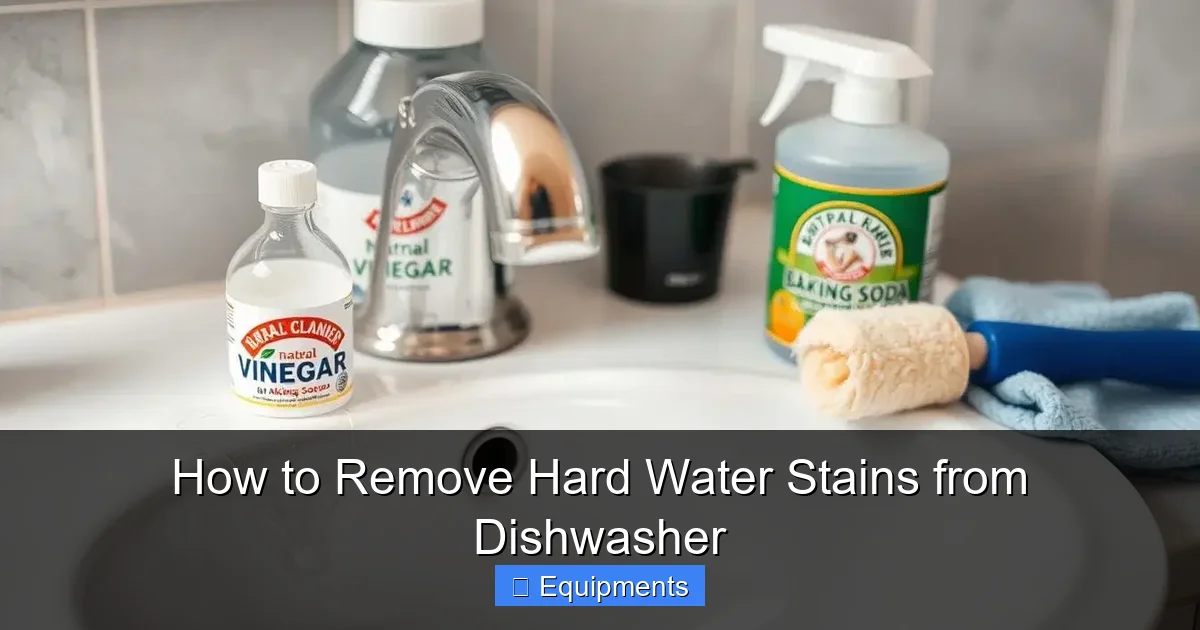
Visual guide about How to Remove Hard Water Stains from Dishwasher
Image source: ebyj3mae76e.exactdn.com
Unclogging Spray Arm Nozzles
Spray arms rotate and shoot water through tiny holes. These holes are the first to get blocked by limescale.
- Removal: Usually, the lower spray arm twists off or lifts off. The upper arm may require unscrewing a cap on top of the rack. Consult your manual.
- Cleaning: Soak the arms in a bowl of white vinegar for 30 minutes. Use a thin wire, paperclip, or a toothpick to gently poke through any remaining clogged holes. Rinse thoroughly with water.
- Reattachment: Ensure they spin freely before putting the racks back in.
Deep Cleaning the Filter
The filter catches food debris. In hard water, this debris mixes with minerals to form a concrete-like paste.
- Location: Usually at the bottom of the tub, under the lower spray arm. It twists or lifts out.
- Disassembly: Take it apart if your model allows. You’ll likely find a cylindrical fine mesh filter inside a housing.
- Cleaning: Scrub all parts under hot running water with a soft brush (an old toothbrush is perfect). For stubborn paste, soak in vinegar or a citric acid solution. NEVER use a wire brush or steel wool, as it can damage the mesh.
- Reinstallation: Ensure the filter housing is clean and the filter is seated correctly. A poorly seated filter can cause leaks.
Tackling Tough, Caked-On Stains & The Door/Gasket
Some stains are old, thick, and resistant. The door interior and rubber gasket are also notorious for buildup.
For Thick, White Buildup on the Tub
Create a paste: Mix baking soda with a small amount of white vinegar or water. Apply this paste directly to the stained areas, especially around the detergent dispenser, corners, and where the walls meet the floor. Let it sit for 15-20 minutes. Scrub with a non-abrasive sponge or soft-bristled brush. The mild abrasive action of baking soda combined with the acid helps lift scale. Rinse with a damp cloth.
Cleaning the Door Interior and Gasket
The area behind the door and the rubber seal often gets overlooked and becomes a breeding ground for mold, mildew, and mineral film.
- Gasket: Wipe it down with a cloth soaked in vinegar or a 50/50 water and hydrogen peroxide solution. Lift the gasket gently to clean the crevice underneath. This prevents leaks and odors.
- Door Frame & Interior: Use your vinegar paste or a dedicated appliance cleaner. Pay attention to the top edge of the door, where water can pool and evaporate.
- Detergent & Rinse Aid Dispensers: Remove the caps if possible. Soak them in vinegar. Use a cotton swab or small brush to clean the tiny openings and reservoirs where dried detergent and minerals accumulate.
Maintaining a Stain-Free Dishwasher: Your New Routine
Once you’ve achieved a clean machine, the goal is to keep it that way with minimal effort. Integrate these habits into your monthly kitchen maintenance.
The Monthly Maintenance Checklist
- Wipe Down: Once a month, wipe the door gasket, edges, and interior walls with a damp cloth. A quick spray of vinegar helps.
- Filter Care: Clean the filter thoroughly once a month. This is the single most important regular task.
- Spray Arm Check: Visually inspect the spray arm holes. If they look slightly clogged, give them a quick vinegar soak and poke.
- Run a Hot Empty Cycle: Once a month, run an empty cycle on the hottest setting with 1 cup of vinegar in the bottom or a commercial cleaner tablet. This keeps the interior fresh and prevents minor scale from building.
- Refill Rinse Aid: Check the rinse aid dispenser weekly and refill as needed. Don’t let it run empty.
Long-Term Hard Water Solutions
If you’re constantly battling scale, your water is very hard. Consider these investments:
- Point-of-Use Filter: A filter installed on the dishwasher’s water supply line. It’s a smaller commitment than a whole-house system.
- Portable Water Softener: A cartridge-based system that attaches to your cold water line and softens water for specific appliances.
- Dishwasher Salt (for European Models):strong> If you own a Bosch, Miele, or similar, your machine has a built-in water softener unit that requires special coarse-grained dishwasher salt. Never use table salt.
Frequently Asked Questions
Is it safe to use vinegar in my dishwasher?
Yes, white distilled vinegar is safe for routine cleaning cycles. However, avoid using it in place of detergent for daily washes, as its acidity can potentially degrade rubber gaskets and seals over many years. For deep cleaning, the diluted vinegar in a full cycle is perfectly fine.
How often should I deep clean my dishwasher to prevent hard water stains?
For areas with moderately hard water, a deep clean with vinegar or citric acid every 1-2 months is sufficient. In very hard water areas, you may need to do this monthly. Always combine this with monthly filter cleaning and weekly rinse aid top-ups.
My glasses are still cloudy after cleaning the dishwasher. What should I do?
Cloudy glasses are often a sign of etchings from hard water minerals. First, ensure your dishwasher is completely clean. Then, try using a rinse aid booster or a product designed to remove film from glassware. If the cloudiness persists and feels rough, the glass is likely permanently etched, and you may need to replace it.
What’s the best commercial dishwasher cleaner for hard water?
>Products like Affresh, Finish Dual Action, and Glisten are highly rated. They are specifically formulated to dissolve mineral deposits and are more powerful than vinegar for severe buildup. Always follow the package instructions for your specific appliance.
Can I use CLR or other harsh cleaners on the stainless steel interior?
Avoid using CLR, bleach, or abrasive cleaners (like Comet) on stainless steel dishwasher interiors. They can cause pitting, discoloration, and damage the finish. Stick to vinegar, citric acid, baking soda pastes, or cleaners labeled safe for stainless steel appliances.
My dishwasher has a built-in water softener. Do I still get hard water stains?
If your dishwasher has a built-in ion-exchange water softener (common in European brands), you must use dishwasher salt in its dedicated reservoir. This salt regenerates the softener resin. If you don’t refill it, the softener won’t work, and you will get hard water stains. Check your manual for location and refill instructions.
Pingback: What Temperature Does Water Boil - kitchenandhouseware.com