Securing each knife individually is essential when packing a knife block to prevent blades from shifting and causing damage. Wrap knives in bubble wrap or paper, then cushion the block with moving blankets for safe transport.
Key Takeaways
- Wrap each knife blade individually: Use thick paper or bubble wrap to secure sharp edges.
- Cushion the knife block: Pad all sides with moving blankets or towels to prevent scratches.
- Secure the block in a box: Choose a snug, sturdy box and fill empty spaces with packing material.
- Clearly label the box: Mark “FRAGILE” and “SHARP OBJECTS” on multiple sides for handler awareness.
- Place the box upright: Keep it vertical to avoid pressure on blades during transit.
- Consider insurance for valuable sets: Document condition beforehand and check moving company coverage.
📑 Table of Contents
- Why Your Knives Deserve a Little Extra TLC When Moving
- Gathering Your Armory: Essential Packing Supplies
- The Golden Rules of Knife Packing: Safety and Strategy First
- Step-by-Step: How to Pack Individual Knives from Your Block
- The Block Itself: Protecting Your Knife’s Home Base
- Loading the Moving Truck: Placement Matters
- Unpacking: The Final, Careful Step
- Conclusion: The Peace of Mind in a Well-Packed Block
Why Your Knives Deserve a Little Extra TLC When Moving
Let’s be honest, packing is rarely anyone’s favorite task. It’s tedious, often physically demanding, and filled with decisions about what to keep, donate, or toss. But when it comes to the heart of your kitchen—your knives—it’s a different story. I learned this the hard way during my first major move. I casually tossed my chef’s knife into a box with some spoons, only to find the blade nicked and dulled after the trip. That $150 investment was suddenly a lot less valuable. Packing a knife block isn’t just about avoiding damage; it’s about safety, preserving your tools, and showing a little respect for the instruments that help you create. This guide will walk you through exactly how to pack a knife block so your blades arrive sharp, secure, and ready for their next culinary adventure.
Gathering Your Armory: Essential Packing Supplies
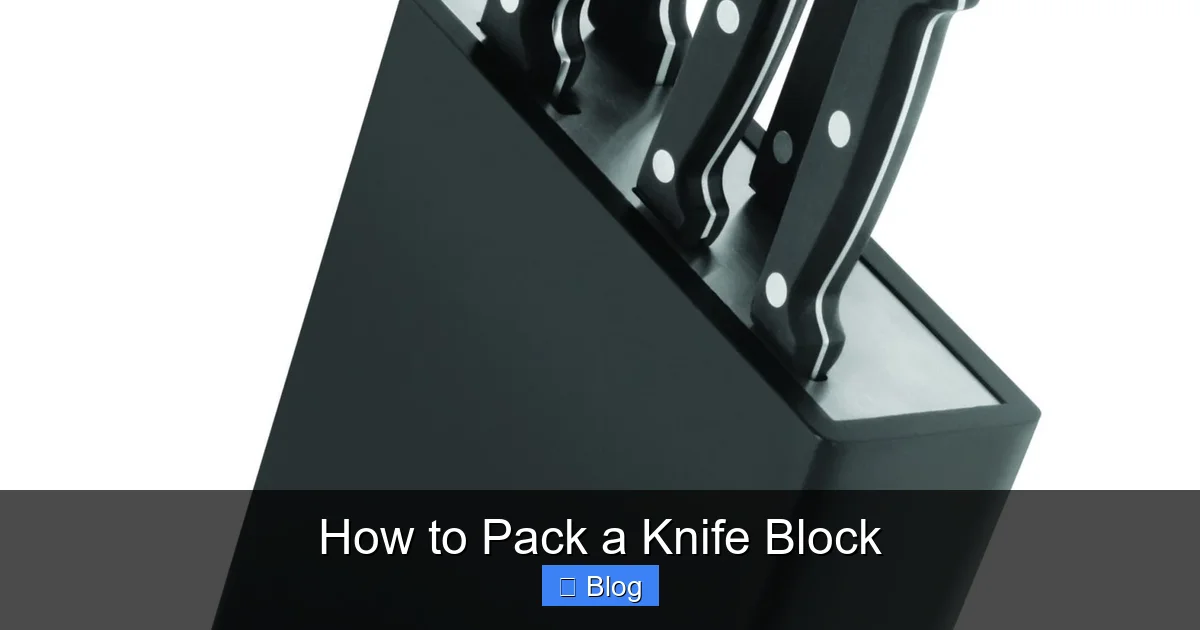
Before you even think about wrapping a blade, you need the right toolkit. Using improper materials is like trying to fix a leaky faucet with duct tape—it might seem to work, but disaster is looming. The goal is to protect the blade, secure the handle, and prevent the knife from moving inside its packaging.
Visual guide about How to Pack a Knife Block
Image source: harrysshoesplus.com.au
The Non-Negotiables
- Packing Paper or Newsprint: Unprinted newsprint is ideal as it’s clean and provides a soft, cushioned layer. Avoid glossy magazines as the ink can transfer.
- Small Cardboard Boxes or Knife Sheaths: Individual cardboard sleeves (often sold for knife storage) are perfect. In a pinch, sturdy small boxes (like jewelry or gift boxes) work well for larger knives.
- Bubble Wrap or Packing Peanuts: For cushioning the interior of the main box and filling empty spaces.
- Strong Packing Tape: To seal boxes securely.
- A Sturdy, Dedicated Moving Box: A small-to-medium cardboard box, ideally one with handles. Avoid using a box that’s too large, as it allows too much movement.
- Permanent Marker: For clear labeling.
Optional but helpful: Old kitchen towels or cloth napkins can add an extra soft layer, and rubber bands can help secure paper around a blade.
The Golden Rules of Knife Packing: Safety and Strategy First
Packing knives isn’t complicated, but ignoring two fundamental rules can lead to cuts, damaged blades, and a very stressed-out mover (that’s you!).
Visual guide about How to Pack a Knife Block
Image source: iororwxhiqijjo5q.ldycdn.com
Rule #1: Blade Down, Always
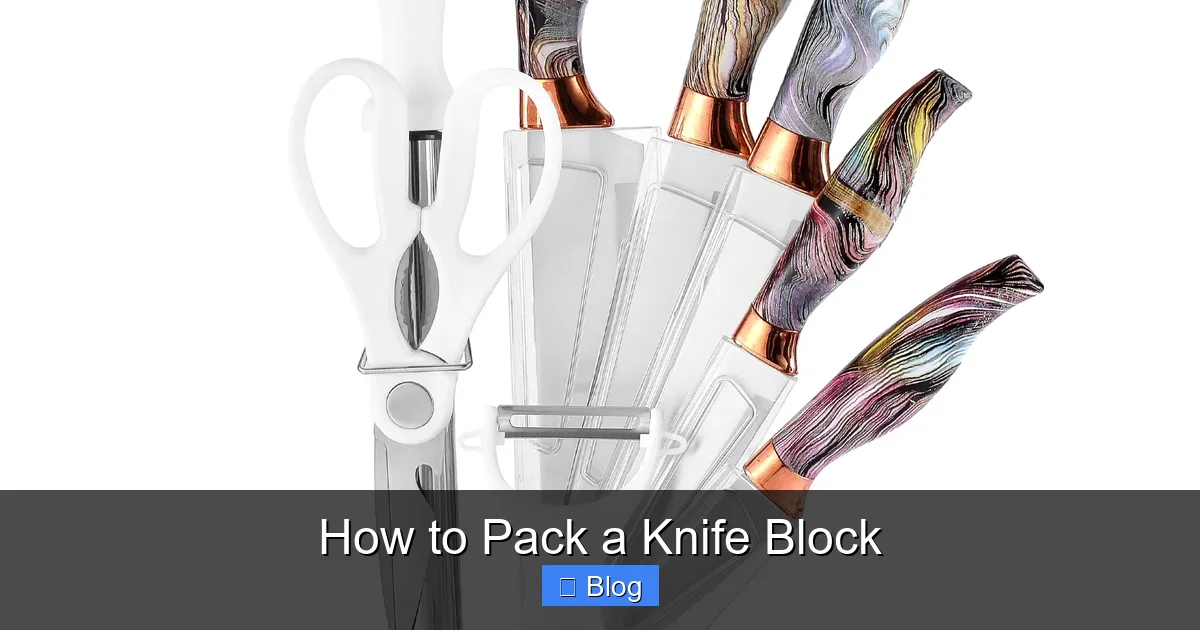
This is the cardinal rule. Whether you’re storing a knife in a block or packing it for a move, the blade should never be facing up or out. The sharp edge and point are the most vulnerable parts. By positioning the knife with the blade facing downward or toward the center of the block, you minimize the risk of the blade piercing its packaging or, worse, injuring someone during handling. When you slide a knife into its cardboard sleeve or wrap it, ensure the tip is pointed away from you and the edge is protected.
Rule #2: Immobilize the Blade
A moving knife is a dangerous knife. Your packing must ensure that once a knife is wrapped and placed in a box, it cannot shift, jostle, or rub against another blade or the box walls. This means filling every empty space in your packing box with cushioning material. The knife should be held firmly in place, as if it’s in a custom cradle. Think of it like packing a fragile vase—you wouldn’t just toss it in a box with some paper; you’d cushion it on all sides.
Step-by-Step: How to Pack Individual Knives from Your Block
Even if your knives live in a beautiful wooden block, for moving, you must treat each blade as an individual, precious item. The block itself is a separate packing puzzle, which we’ll tackle next.
Visual guide about How to Pack a Knife Block
Image source: media.printables.com
A Methodical Approach for Each Blade
- Clean and Dry Completely: Wash and thoroughly dry each knife. Any moisture left on the blade can cause rust during transit, especially if wrapped in paper that might retain dampness.
- Wrap with Care: Lay out a sheet of packing paper large enough to fully encase the knife. Place the knife on the paper with the blade facing down or to the side (never up!). Fold the paper over the blade first, then the handle, creating a tight, padded bundle. For extra security, especially with very sharp Japanese-style knives, you can wrap the blade in a thin towel first, then the paper.
- Secure the Bundle: Use a piece of tape or a rubber band to hold the paper in place. Ensure no part of the blade or tip is poking through.
- Sheath It (If You Have One): If you have original sheaths or individual cardboard sleeves, slide the wrapped knife into them now. This adds a rigid protective layer.
- Label for Your Future Self: Use the marker to note the knife type (e.g., “8” Chef’s Knife”) on the outside of the paper or sheath. This saves you from opening every bundle when unpacking.
Pro Tip: Pack knives of similar sizes together in a smaller box within the main box. This creates a “knife kit” that’s easier to manage. Place the wrapped blades side-by-side, not tip-to-tip, and fill all gaps with bubble wrap or crumpled paper.
The Block Itself: Protecting Your Knife’s Home Base
That beautiful wooden or bamboo block is more than just storage; it’s a precision instrument that keeps your knives aligned and safe. Packing it incorrectly can lead to cracks, splits, or the slots themselves getting damaged.
Disassembly is Key (If Possible)
Check if your knife block comes apart. Many modern blocks have a removable bottom panel or are designed to slide apart. If you can disassemble it, do so! This reduces its size and eliminates the risk of knives rattling inside the slots during transit. Wrap each piece (the main block body and any separate base) individually in moving blankets or several layers of paper, then secure with tape.
If It’s One Solid Piece
For monolithic blocks, your goal is to protect the exterior and, crucially, the knife slots.
- Stuff the Slots: This is the most important step. Take small pieces of crumpled paper, foam, or even old socks and gently but firmly stuff them into each knife slot. This prevents anything from poking into the slots and protects the interior wood from impacts.
- Wrap the Exterior: Encase the entire block in a moving blanket or several thick layers of packing paper. Pay special attention to the corners and edges. Secure the wrapping with tape, but avoid taping directly to the wood’s finish if possible—place the tape over the paper layer.
- Crate It (For High-Value Blocks): If you have an expensive, custom, or particularly large block, consider building a simple wooden crate or using a double-walled cardboard box that it fits into snugly. The block should not move inside its outer container.
Loading the Moving Truck: Placement Matters
You’ve wrapped everything perfectly. Now, where you put the box in the moving truck is the final chapter in your knife’s journey. A poorly placed box can suffer from being crushed, having heavy items dropped on it, or being exposed to extreme temperature shifts.
The Ideal Spot: High, Dry, and Stable
- On Top, Not on Bottom: Always place your packed knife box on top of other boxes, never underneath heavy furniture or boxes of books. The weight of other items can crush it.
- Away from Walls and Doors: Position it in the center of the truck or against a wall where it’s less likely to be jostled by shifting loads or banged by doors opening/closing.
- Climate Control is a Plus: If you have a climate-controlled moving truck or van, use that space. Extreme heat or cold can warp wooden blocks and affect metal blades over time.
- Secure with Cargo Nets: If your truck has cargo nets or straps, use them to brace your box so it doesn’t slide around during transit. It shouldn’t be able to move more than an inch in any direction.
Critical Reminder: Clearly label the box with “FRAGILE – KNIVES – THIS SIDE UP” on multiple sides. Use a bright-colored marker if you have one. This communicates your care to anyone handling the boxes.
Unpacking: The Final, Careful Step
You’ve arrived! The excitement of a new home is palpable, but resist the urge to rip open boxes. Unpacking your knives is the final, crucial act of protection.
A Slow and Methodical Unwrap
- Find the Right Spot: Unpack your knives at their new destination—the kitchen counter. Have your knife block or a new magnetic strip ready.
- Cut Tape Carefully: Use a box cutter or scissors, but always cut away from your body and the contents of the box. Never stab into the box.
- Inspect Before You Touch: As you lift each wrapped bundle, feel for any abnormal protrusions or loose paper that might indicate a shifted blade.
- Unwrap with the Blade Facing Away: Similar to packing, unwrap with the presumed blade edge pointed away from you and your hands. Gently shake out the paper.
- Inspect Each Blade: Before placing it in the block, give each knife a quick visual and tactile check. Run a clean cloth along the edge (away from you!) to feel for any burrs or nicks you might have missed.
- Place with Purpose: Gently slide each knife into its correct slot in the block. Don’t force it. If a slot feels tight, double-check you have the right knife for that slot.
Once all knives are secure, give the block a gentle wiggle to ensure it’s stable on the counter. You’ve done it. Your most important kitchen tools are safely home.
Conclusion: The Peace of Mind in a Well-Packed Block
Learning how to pack a knife block properly transforms a moment of moving anxiety into one of quiet confidence. It’s a small investment of time and materials that pays massive dividends in safety, cost savings, and the simple joy of pulling out a perfectly sharp, undamaged blade in your new kitchen. Remember the core principles: protect the edge, immobilize the blade, and always, always keep the point away from yourself and others. By treating your knives with the respect they deserve during a move, you ensure they’ll be ready to create countless meals and memories for years to come. Now, take a deep breath, grab that packing paper, and get started. Your future self—and your favorite chef’s knife—will thank you.
| Material | Best For | Why It Works | Limitations |
|---|---|---|---|
| Packing Paper/Newsprint | Wrapping individual blades | Soft, conforms to shape, inexpensive, absorbent for moisture. | Can tear if wet; offers minimal rigidity. |
| Cardboard Sleeves/Sheaths | Holding wrapped knives; protecting block slots | Provides rigid protection, prevents blades from rubbing together. | May not fit very large knives; can be bulky. |
| Bubble Wrap | Cushioning the inside of the main box | Excellent shock absorption, fills empty space. | Not ideal for direct blade contact (pop risk); better as filler. |
| Old Towels/Cloth Napkins | Extra padding around high-value blades | Ultra-soft, adds thickness, reusable. | Takes up more space; can be bulky to pack. |
| Moving Blankets | Wrapping the entire knife block | Thick, durable protection for the block’s exterior and corners. | Overkill for small blocks; uses more materials. |
Frequently Asked Questions
What is How To Pack A Knife Block?
How To Pack A Knife Block is an important topic with many practical applications and benefits.
How can How To Pack A Knife Block help me?
Understanding How To Pack A Knife Block can improve your knowledge and provide practical solutions.
