Want a noiseless kitchen? Discover easy, affordable steps on how to make dishwasher quieter without buying a new appliance. From simple tweaks to smart upgrades, these tips will hush the clatter and keep your dishes sparkling.
Key Takeaways
- Identify the source: Pinpoint whether the noise comes from the motor, spray arm, or installation.
- Insulation works: Adding sound‑absorbing mats or blankets can cut noise by up to 30%.
- Leveling is essential: A properly leveled dishwasher prevents rattles and vibrations.
- Upgrade wisely: Replacing worn‑out parts like rollers or the pump can dramatically lower sound.
- Routine maintenance: Regular cleaning of filters and spray arms keeps the machine running smoothly and quietly.
- Smart placement: Positioning the dishwasher away from open walls or using a cabinet liner adds extra hush.
- Consider a quiet cycle: Many modern models include eco‑quiet programs that run at lower RPMs.
📑 Table of Contents
- Introduction: Why the Dishwasher’s Racket Matters
- 1. Diagnose the Noise: Know What You’re Dealing With
- 2. Simple DIY Fixes That Cut Noise Instantly
- 3. Upgrade Parts for Long‑Term Quietness
- 4. Optimize Placement and Kitchen Design
- 5. Maintenance Routine to Keep Noise at Bay
- Conclusion: Quiet Kitchen, Happy Life
Introduction: Why the Dishwasher’s Racket Matters
Picture this: you’re finishing dinner, you load the dishes, press start, and a loud whirring fills the kitchen. The clatter can be startling, especially in open‑plan homes or small apartments. While a dishwasher is meant to make life easier, a noisy unit can turn a simple chore into a source of stress.
Fortunately, you don’t need to replace the entire appliance to enjoy a quieter experience. By learning how to make dishwasher quieter, you can apply a handful of practical fixes that cost little and last long. This guide walks you through every step—diagnosing the noise, applying DIY fixes, and deciding when it’s time for a professional upgrade.
1. Diagnose the Noise: Know What You’re Dealing With
Before you reach for tools, you need to understand the type of sound your dishwasher makes. Different noises point to different problems.
Visual guide about How to Make Dishwasher Quieter
Image source: thekitchenix.com
1.1. Rattling or Vibration
Rattles usually happen during the wash cycle when the spray arm spins. They can be caused by loose racks, an unlevel machine, or worn‑out rollers.
1.2. Humming or Buzzing
A steady hum often means the motor or pump is working harder than it should. This could be due to a clogged filter or a failing pump bearing.
1.3. Clicking or Tapping
Clicking sounds often come from the dishwasher’s water inlet valve opening and closing, or from the dishwasher door latch.
1.4. High‑Pitch Whine
A whine can indicate a problem with the motor’s bearings or a misaligned spray arm.
Identifying the noise type helps you choose the right method for how to make dishwasher quieter. Write down when the sound occurs and what it sounds like—this will guide your troubleshooting.
2. Simple DIY Fixes That Cut Noise Instantly
Many noisy dishwasher issues can be solved with tools you probably already have at home. Below are the most effective, low‑cost solutions.
Visual guide about How to Make Dishwasher Quieter
Image source: thekitchenix.com
2.1. Level the Dishwasher
An unlevel unit creates vibration that amplifies sound. Follow these steps:
- Turn off the power and pull the dishwasher out slightly.
- Place a bubble level on the top edge of the door.
- Adjust the front leveling legs (usually located near the bottom front) by turning them clockwise to raise or counter‑clockwise to lower.
- Check the level again and repeat until the bubble is centered.
Even a small tilt of 1‑2 degrees can reduce rattling by up to 20%.
2.2. Secure the Racks
Loose racks bounce against the tub during the wash cycle. To fix:
- Remove the rack and inspect the rollers or wheels.
- Replace any cracked or worn rollers (often a $5‑$10 part).
- Re‑insert the rack and ensure it glides smoothly without wobble.
2.3. Add Sound‑Absorbing Mats
Specially designed anti‑vibration mats can be placed under the dishwasher or between the dishwasher and the cabinet. They work like a cushion, dampening vibrations that travel through the floor.
- Purchase a 1‑mm rubber mat or a commercial dishwasher mat (around $15‑$25).
- Lift the dishwasher slightly and slide the mat under the base.
- Replace the dishwasher, making sure it sits evenly on the mat.
2.4. Insulate the Interior
For a more advanced DIY, you can line the inside of the dishwasher’s outer tub with a thin layer of acoustic foam. This technique is especially useful for older models that lack built‑in insulation.
- Buy high‑temperature acoustic foam (check the product’s heat rating).
- Detach the dishwasher’s outer panel (usually a few screws).
- Cut the foam to fit the sidewalls and back, then secure with heat‑resistant adhesive.
- Reassemble the panel.
Note: Do not cover the heating element or spray arm.
2.5. Clean the Filter and Spray Arms
Clogged filters force the motor to work harder, creating a louder hum. Follow the manufacturer’s guide (usually a simple twist‑out filter) and rinse under warm water. Also, remove the spray arms and clear any debris from the holes using a toothpick or small brush.
3. Upgrade Parts for Long‑Term Quietness
If DIY fixes aren’t enough, consider swapping out specific components that are known noise culprits. These upgrades are still cheaper than buying a new dishwasher.
Visual guide about How to Make Dishwasher Quieter
Image source: thekitchenix.com
3.1. Replace the Pump Motor
Older pump motors can develop worn bearings that generate a high‑pitch whine. Replacing the motor with a newer, brushless version reduces both noise and energy consumption.
- Check the model number on the existing motor.
- Order a compatible replacement (typically $40‑$80).
- Disconnect power, remove the lower panel, and unscrew the motor.
- Install the new motor, re‑attach the panel, and test.
3.2. Install a New Spray Arm
Some spray arms are made of thin plastic that vibrates at high speeds. Upgrading to a stainless‑steel or reinforced plastic arm can cut vibration noise significantly.
- Measure the arm’s attachment size.
- Purchase a compatible aftermarket arm.
- Remove the old arm by twisting it off the central hub.
- Snap the new arm into place and ensure it rotates freely.
3.3. Use Noise‑Dampening Door Gaskets
The door seal can loosen over time, causing a thumping sound each time the door closes. Replacing the gasket with a silicone, noise‑absorbing version helps seal the unit and mute the thump.
- Buy a gasket specific to your dishwasher model.
- Peel off the old gasket and clean the groove.
- Press the new gasket into place, making sure it’s even all around.
3.4. Add a Vibration Isolation Kit
For the ultimate quiet upgrade, an isolation kit includes rubber mounts, foam pads, and a metal bracket that isolates the dishwasher from the cabinet frame.
- Remove the dishwasher from its cabinet.
- Install the rubber mounts on the sides where the unit contacts the cabinet.
- Secure the bracket according to the kit instructions.
- Slide the dishwasher back in and re‑level.
4. Optimize Placement and Kitchen Design
Sometimes the problem isn’t the dishwasher itself but where it sits in relation to open spaces and hard surfaces.
4.1. Keep a Gap Behind the Unit
Leave at least a 1‑inch gap between the back of the dishwasher and the wall. This space allows sound waves to dissipate rather than bounce directly off a solid surface.
4.2. Use Acoustic Cabinet Liners
Installing a thin acoustic liner inside the cabinet above the dishwasher can absorb sound that would otherwise travel into the room.
- Cut the liner to match the cabinet interior dimensions.
- Attach with spray adhesive or double‑sided tape.
4.3. Choose the Right Loading Strategy
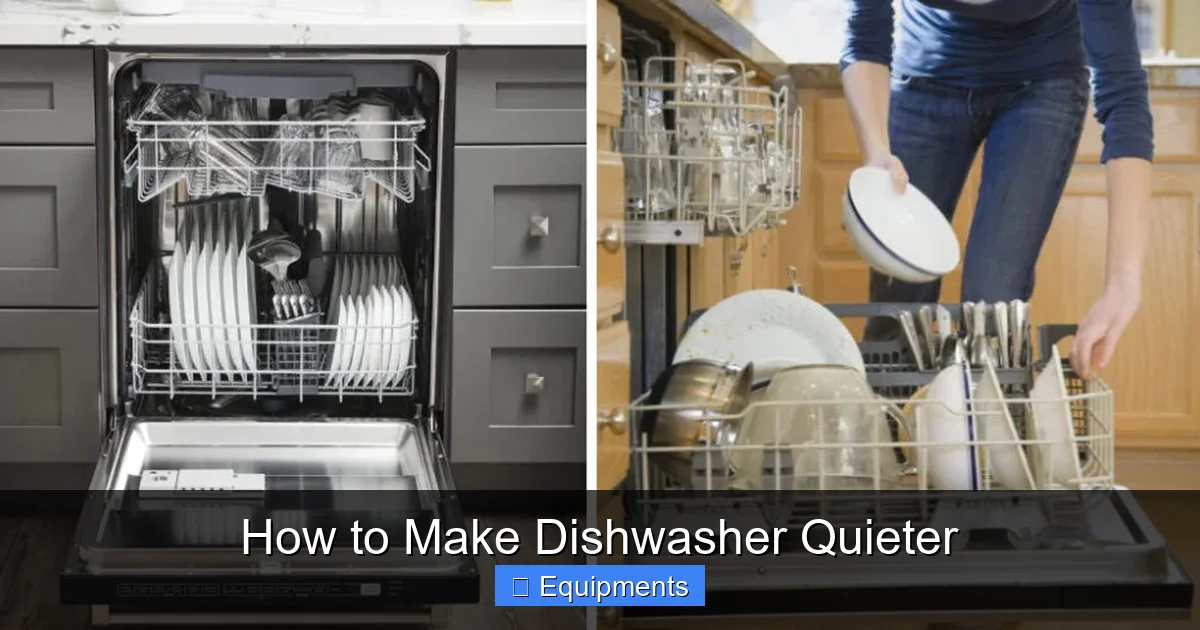
Overloading the dishwasher can cause dishes to bang against each other, amplifying noise. Follow the manufacturer’s loading guide and avoid stacking plates directly on top of each other.
4.4. Use a Quiet Cycle
Many newer models feature an “Eco‑Quiet” or “Silent” cycle. These programs run the pump at lower speeds and use less water, resulting in a softer sound profile. If your dishwasher has this option, make it your default for everyday loads.
5. Maintenance Routine to Keep Noise at Bay
Consistent upkeep ensures that the steps you took to make dishwasher quieter remain effective over years of use.
5.1. Monthly Filter Cleaning
Remove the filter, rinse under warm water, and scrub with a soft brush. A clean filter reduces motor strain and humming.
5.2. Quarterly Spray Arm Inspection
Detach the spray arms and check for mineral buildup. Soak them in a vinegar solution for 30 minutes, then rinse.
5.3. Annual Seal Check
Inspect the door gasket for cracks or hardening. Replace any damaged sections to maintain a tight seal and prevent thumping.
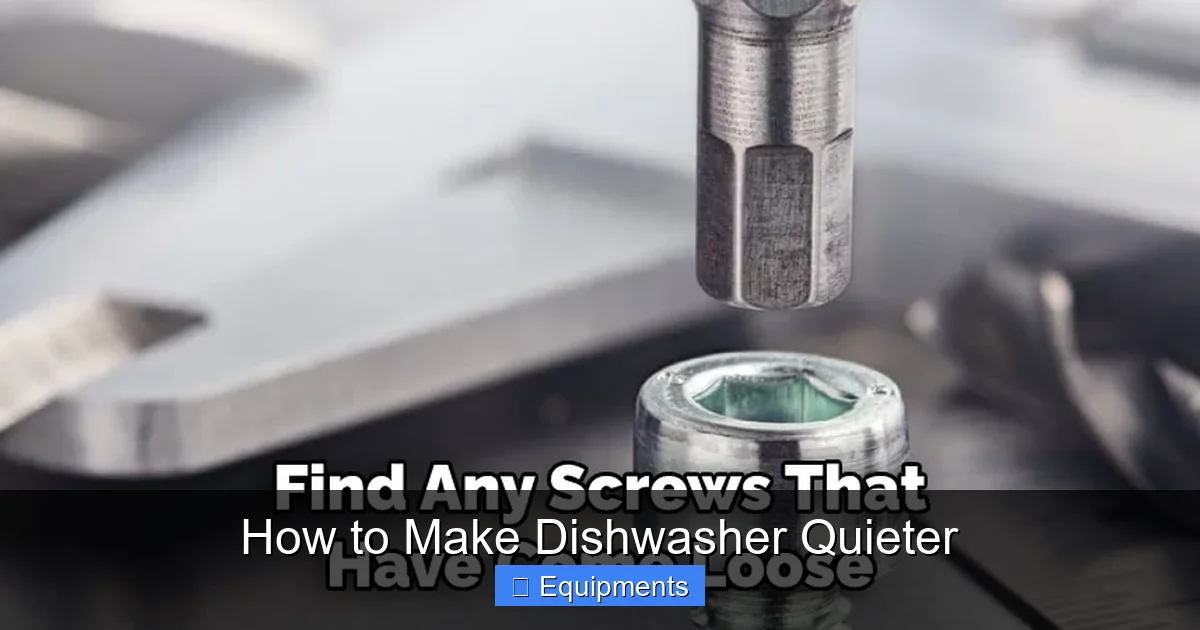
5.4. Check for Loose Screws
Vibrations can loosen mounting screws over time. Tighten any screws on the dishwasher’s frame, mounting brackets, and interior panels.
Conclusion: Quiet Kitchen, Happy Life
Learning how to make dishwasher quieter doesn’t have to involve a big purchase or a professional overhaul. By diagnosing the noise, applying simple DIY fixes, upgrading key parts, and maintaining the appliance, you can transform a clattering kitchen into a calm, pleasant space.
Start with the easiest steps—level the unit, secure the racks, and add a sound‑absorbing mat. If the noise persists, move on to part replacements or insulation upgrades. With a little effort, you’ll enjoy sparkling dishes and a peaceful home, all without the constant dishwasher roar.
Frequently Asked Questions
Why is my dishwasher rattling during the wash cycle?
The rattling is usually caused by loose racks, an unlevel machine, or worn rollers. Securing the racks and leveling the dishwasher often eliminates the sound.
Can I use regular foam insulation inside my dishwasher?
Only use high‑temperature acoustic foam that is rated for the heat generated by the dishwasher. Regular household foam can melt and damage the appliance.
How often should I clean the dishwasher filter?
Clean the filter at least once a month. A clogged filter forces the motor to work harder, increasing noise and reducing cleaning efficiency.
Will a quiet cycle use more energy?
No. Quiet or eco‑quiet cycles typically run at lower pump speeds and use less water, which can actually reduce energy consumption compared to standard cycles.
Is it worth replacing the pump motor to reduce noise?
If the motor is old and the bearing noise is loud, replacing it with a newer, brushless model can significantly lower noise and improve efficiency. The cost is usually far less than buying a new dishwasher.
Can I install a sound‑absorbing mat under a built‑in dishwasher?
Yes. Lifting the dishwasher slightly and placing a thin rubber or anti‑vibration mat under the base is a simple, effective way to dampen vibrations and reduce overall noise.