Making a smoothie thicker is all about controlling liquid and adding natural thickeners. The primary levers are using frozen ingredients instead of fresh, reducing added liquids, and incorporating high-fiber, high-protein foods like bananas, oats, Greek yogurt, or nut butters. Your blender’s power and technique also play a crucial role in achieving that rich, creamy, spoon-able consistency you crave. By mastering these core principles, you can transform any thin, drinkable smoothie into a satisfying, meal-worthy bowl.
Key Takeaways
- Frozen is Fundamental: Using frozen fruits and vegetables is the single most effective way to add thickness and a frosty, ice-cream-like texture without watering down your smoothie.
- Liquid is the Enemy of Thickness: Start with the absolute minimum liquid required by your blender, then add more only in teaspoon-sized increments if necessary to blend.
- Natural Thickeners are Key: Incorporate ingredients like ripe bananas, avocado, Greek yogurt, cottage cheese, oats, chia seeds, or nut butters to add body, creaminess, and nutritional value.
- Blender Power Matters: A high-powered blender is a game-changer for thickness. It pulverizes frozen ingredients and fibrous produce into a smooth, thick consistency that weaker blenders cannot achieve.
- Layer Smartly: Add softer, wetter ingredients and liquids to the bottom of the blender jar and harder, frozen ingredients on top. This prevents the blades from getting stuck and ensures even blending.
- Embrace the Spoon: A truly thick smoothie should hold its shape when you tilt the bowl. If it’s pourable, it needs more thickening agents or less liquid.
- Texture is Personal: Your ideal thickness depends on the recipe. A green smoothie might be slightly less thick than a peanut butter banana one. Use these principles to customize to your preference.
📑 Table of Contents
- Why Does My Smoothie Need to Be Thicker?
- Thickening Ingredient Arsenal: What to Add
- The Liquid Lesson: How to Control Your Base
- Equipment: Your Blender’s Role in Thickness
- Technique: How to Blend for Maximum Thickness
- Common Thickening Mistakes & How to Avoid Them
- Pro Tips & Creative Thickening Hacks
- Conclusion: Your Thick Smoothie Journey Starts Now
Why Does My Smoothie Need to Be Thicker?
Let’s be honest. There’s a world of difference between a smoothie you drink and a smoothie you eat with a spoon. That luscious, creamy, almost soft-serve consistency isn’t just a luxury—it’s a sign of a well-constructed blend. A thick smoothie is more satisfying, feels more like a proper meal, and provides a better canvas for delicious toppings like granola, fresh fruit, coconut flakes, and seeds. It also tends to be more filling, as the thicker texture often correlates with higher fiber and protein content. If you’re constantly ending up with a thin, juice-like beverage, it’s time to master the art of thickness. This guide will walk you through every tool, ingredient, and technique to answer the question: how to make a smoothie thicker?
The Science of Smoothie Consistency
At its core, smoothie thickness is a simple physics problem: solid content vs. liquid content. A smoothie is a colloid—a mixture where tiny solid particles (from your fruits, veggies, powders) are suspended in liquid. To make it thicker, you need to either increase the solid particle density or decrease the amount of free-moving liquid. Sometimes, you do both. The methods we’ll explore all work within this framework, from changing your ingredient choices to altering your blending technique.
Thickening Ingredient Arsenal: What to Add
The most direct answer to how to make a smoothie thicker lies in your ingredient list. Think of these as your primary building blocks for body and creaminess.
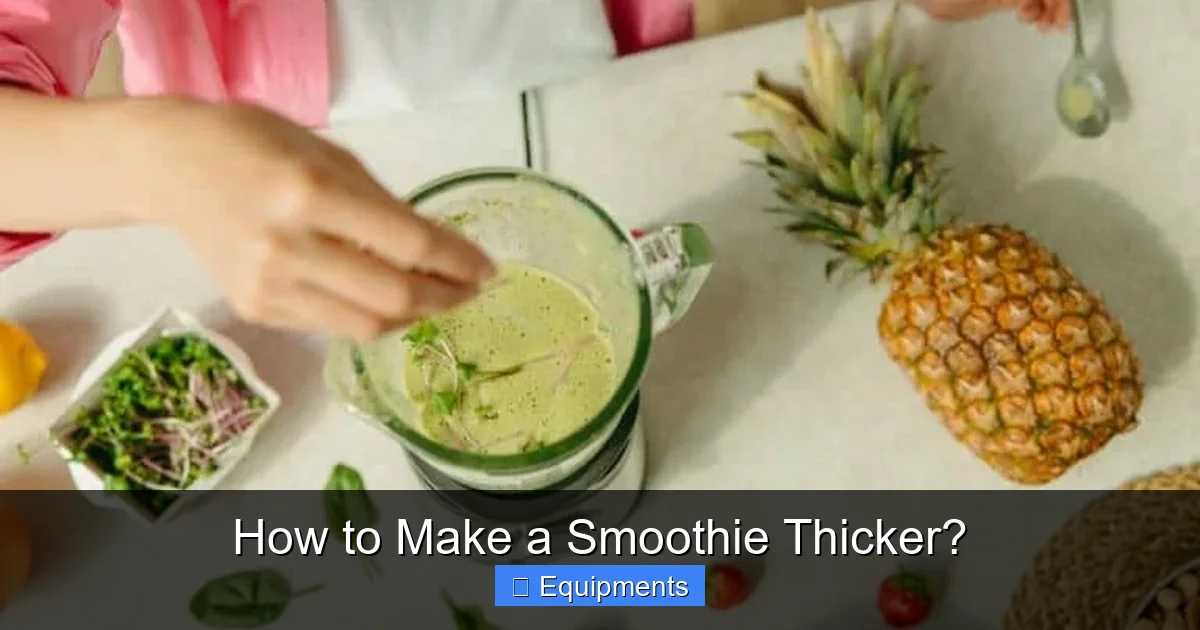
Visual guide about How to Make a Smoothie Thicker?
Image source: theblendery.com
The Frozen Fruit & Vegetable Foundation
This is non-negotiable for thick smoothies. Frozen produce is the cornerstone of thickness. When you freeze fruits like bananas, berries, mango, or peaches, the water inside them forms ice crystals. As you blend, these crystals act like tiny chunks of ice, creating immediate volume and a frosty, thick texture. Using fresh fruit, especially watery ones like watermelon or pineapple, introduces liquid that will thin your smoothie.
- Banana: The undisputed champion. A ripe, frozen banana adds incredible creaminess, natural sweetness, and potassium. It’s the first thing to reach for.
- Berries: Frozen strawberries, blueberries, raspberries, and blackberries add thickness, antioxidants, and vibrant color with relatively low sugar.
- Cauliflower Rice: A surprising, low-carb, low-sugar thickener. When frozen, it blends into a remarkably neutral, creamy base that adds volume without overpowering flavor.
- Avocado: For a rich, buttery texture and healthy fats. Use a quarter to half an avocado. It’s especially great in chocolate or green smoothies.
Dairy & Dairy Alternatives for Creaminess
Liquid dairy can thin a smoothie if you use too much, but certain forms are thickeners in disguise.
- Greek Yogurt (Plain, Full-Fat): The ultimate thickener. It’s strained, so it’s much thicker than regular yogurt, adding protein, probiotics, and a tangy creaminess. Icelandic skyr is even thicker.
- Cottage Cheese: Don’t knock it until you try it! Blended cottage cheese becomes incredibly smooth and adds a huge protein boost with minimal flavor impact in fruit-based smoothies.
- Kefir or Drinkable Yogurt: Use sparingly. These are liquids, so they add thickness only in very small amounts compared to their creamy texture.
- Nut Butters & Seed Butters: A tablespoon of peanut, almond, cashew, or sunflower seed butter adds healthy fats, protein, and a luscious, thick mouthfeel. It also makes the smoothie more satiating.
Powders & Grains: The Secret Weapons
Dry ingredients absorb liquid and add structure.
- Oats (Rolled or Quick):strong>: A tablespoon or two of dry oats will soak up liquid and swell, creating a hearty, oatmeal-like thickness. They add fiber and keep you full.
- Chia Seeds & Flax Seeds: These are hydrophilic—they absorb 10-12 times their weight in water. Let your smoothie sit for 2-3 minutes after blending, and it will thicken dramatically as the seeds gel. They add omega-3s and fiber.
- Protein Powders (Whey, Casein, Plant-Based): Most protein powders are naturally thickeners. Casein, in particular, is very slow-digesting and creates a very creamy, pudding-like texture. Plant-based powders can vary, so check the label.
- Acai or Pitaya (Dragon Fruit) Packs: These frozen, unsweetened purées are incredibly thick and dense. Using a packet instead of juice is a fantastic way to boost thickness and nutrients.
The Liquid Lesson: How to Control Your Base
If you’re constantly asking how to make a smoothie thicker, the answer is often staring you in the face: the liquid you’re adding. We’re conditioned to add a full cup of milk or juice, but that’s a recipe for a thin smoothie.
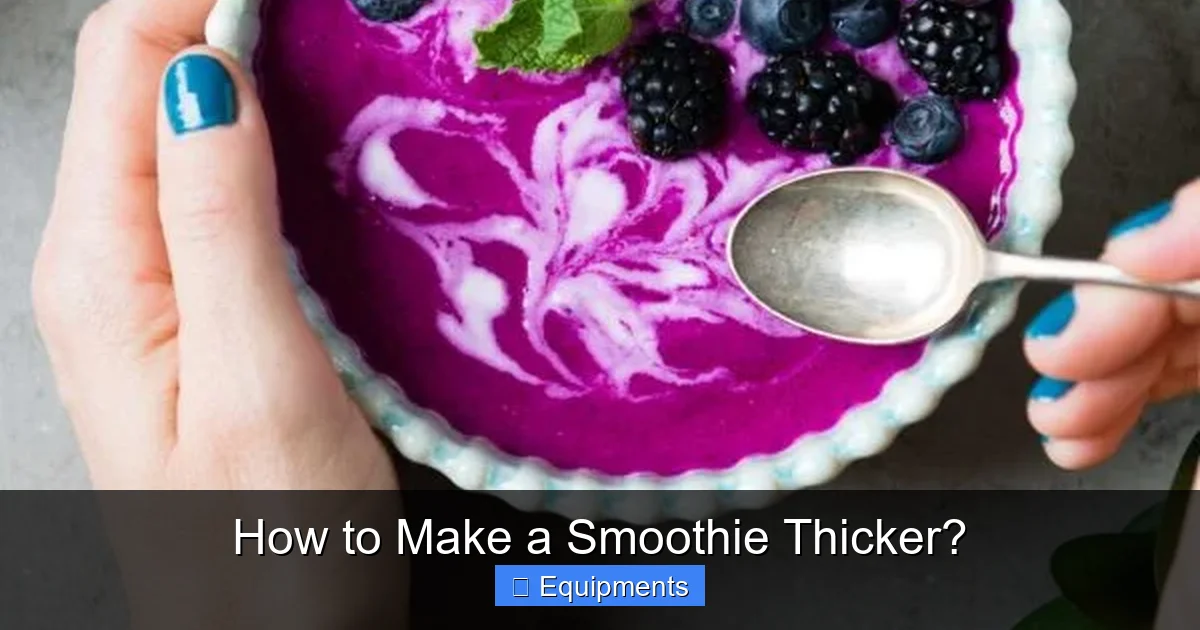
Visual guide about How to Make a Smoothie Thicker?
Image source: simplegreensmoothies.com
Start With the Bare Minimum
Begin with just ¼ cup of liquid. Your goal is to use just enough to get the blades moving and create a vortex. The rest of your volume should come from solid or semi-solid ingredients. If your smoothie is too thick to blend, add liquid one tablespoon at a time. This mindful approach prevents over-liquefying.
Choose Thicker Liquids
When you do need liquid, choose wisely:
- Full-Fat Coconut Milk (from a can): Incredibly thick and creamy. Use light coconut milk or carton coconut milk beverage for a less intense option.
- Almond Milk (or other nut milk): Generally thinner than dairy. Opt for “original” or “unsweetened” versions, but know they are still fairly watery.
- Milk (Dairy): Whole milk is thicker than skim. For an even thicker option, use half-and-half or a splash of heavy cream.
- Water or Juice: These are the thinnest options. Use them only in very small amounts, or better yet, replace them with more frozen fruit.
The Ice Cube Trick (With a Twist)
Regular ice cubes can water down flavor as they melt. For a thicker, colder smoothie without dilution, use “smoothie ice cubes.” Freeze leftover coffee, coconut water, 100% fruit juice, or even plain yogurt in an ice cube tray. Toss a few in to add chill and thickness without extra liquid.
Equipment: Your Blender’s Role in Thickness
You could have the perfect thickener ingredients, but a weak blender will turn them into a chunky, unsatisfying mess—or force you to add more liquid to blend, defeating the purpose. Your equipment is a critical part of the equation.
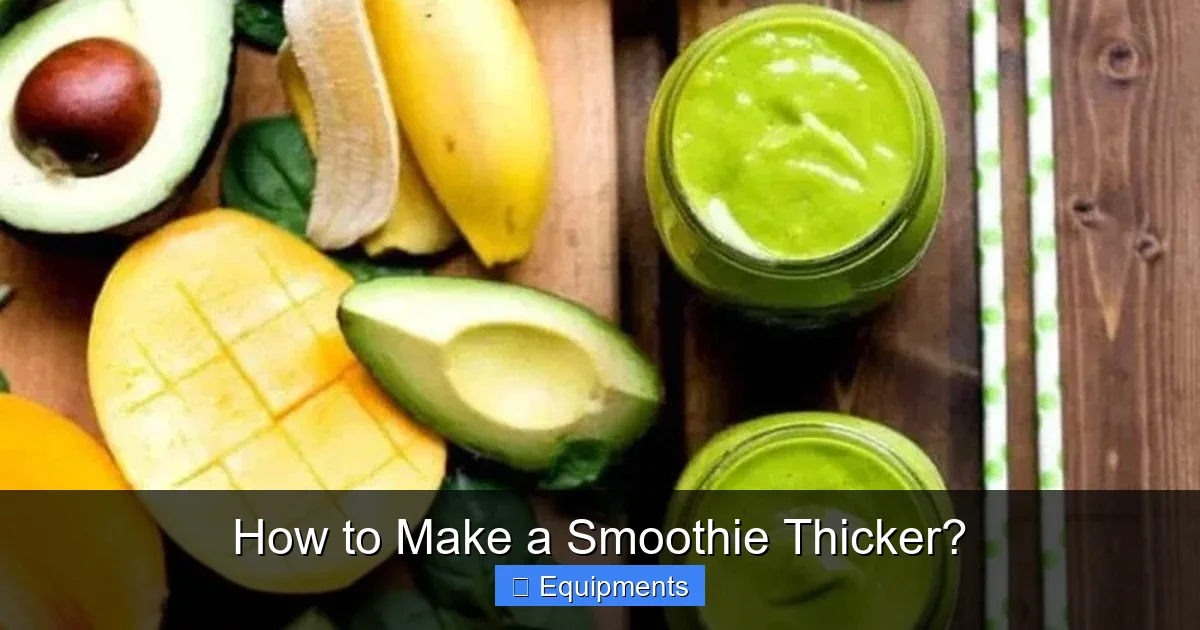
Visual guide about How to Make a Smoothie Thicker?
Image source: simplegreensmoothies.com
Blender Power: High-Speed vs. Personal vs. Immersion
High-Speed Blenders (Blendtec, Vitamix): These are the gold standard. Their powerful motors (2+ peak horsepower) and sharp, robust blades pulverize frozen fruit into a smooth, creamy paste in seconds. They can handle thick, spoonable consistencies without stalling. If you make thick smoothies regularly, this is a worthy investment.
Personal/Compact Blenders (NutriBullet, etc.): These are popular for single-serve smoothies. They work well for soft, fresh ingredients but can struggle with large amounts of frozen fruit or thick mixtures. To use them for thick smoothies: use smaller frozen pieces, add liquid very sparingly, and use the “pulse” function to avoid overheating the motor.
Immersion Blenders: Generally not recommended for smoothies. They lack the power and container design to create a proper vortex and will likely leave you with a thin, uneven blend, forcing you to add more liquid.
The Tamper: Your Best Friend
If your blender came with a tamper (a long, narrow plunger), use it. This tool lets you push frozen ingredients down into the blades while the blender is running, without stopping the motor or removing the lid. This is essential for achieving a thick, smooth consistency with minimal added liquid. Always use the tamper through the lid’s opening, never with your hand.
Jar Design Matters
Wide, short jars create a stronger vortex and pull ingredients down more effectively than tall, narrow jars. If you have a choice, a wider jar is better for thick blends.
Technique: How to Blend for Maximum Thickness
It’s not just what you put in, but how you put it in and blend it.
The Layering Method (The “Bottom-Up” Rule)
Always load your blender jar in this order for best results:
- Liquids & Soft Ingredients: Pour your chosen liquid (start with ¼ cup), add yogurt, nut butter, or protein powder.
- Fresh Produce: Add any fresh spinach, kale, or fruit.
- Frozen Ingredients: Top with all your frozen fruits, veggies, and ice cubes.
This layering ensures the blades can move freely initially, creating a vortex that pulls the frozen ingredients down. If you put frozen stuff on the bottom, the blades may just spin in place, requiring you to add more liquid to get it moving.
Blending Speed & Time
Start on low speed for 10-15 seconds to break everything down and form a vortex. Then, gradually increase to high speed. Blend for 45-60 seconds, or until you hear a consistent, low hum and see no more chunks. If the blender stalls or sounds strained, stop, use your tamper, and blend in 10-second bursts. Over-blending can generate heat, which melts frozen ingredients and thins your smoothie.
The Resting Period
If you’re using chia seeds, flax seeds, or oats, let the blended smoothie sit in the jar for 2-5 minutes. These ingredients will continue to absorb liquid and thicken the mixture significantly. This is a simple, passive way to achieve a pudding-like texture.
Common Thickening Mistakes & How to Avoid Them
Even with the best intentions, it’s easy to sabotage your smoothie’s thickness. Here are the pitfalls to watch for.
Mistake 1: Using Too Much Liquid from the Start
The Fix: Adopt the “start low, add slow” mantra. You can always thin a thick smoothie, but you can’t easily thicken a thin one without adding more solids (which changes the flavor and nutrition). Begin with ¼ cup liquid.
Mistake 2: Using Watery Fresh Fruit Instead of Frozen
The Fix: Freeze your own ripe bananas, berries, and even mango chunks. Keep a stockpile in your freezer. For recipes that call for pineapple or watermelon, consider using a small amount for flavor and bulk it up with a thicker frozen fruit like banana or mango.
Mistake 3: Choosing an Underpowered Blender for Thick Recipes
The Fix: If you have a weaker blender, adjust your recipe. Use smaller frozen pieces (chop frozen banana before adding), add a tiny bit more liquid to get it started, and use the pulse function. Alternatively, let frozen fruit sit on the counter for 5 minutes to soften slightly before blending.
Mistake 4: Forgetting About Natural Thickeners
The Fix: Keep a list of go-to thickeners. If your smoothie is thin, ask yourself: did I add a banana? Some yogurt? A spoonful of oats? Make these ingredients automatic additions to your routine.
Mistake 5: Blending for Too Long
The Fix: Blend just until smooth. The friction from the blades generates heat, which melts ice and frozen fruit. Once it’s smooth, stop and serve immediately. If you need to make it ahead, blend it thick, store it in the freezer, and let it thaw slightly before eating.
Pro Tips & Creative Thickening Hacks
Take your thick smoothie skills from good to expert with these advanced strategies.
Embrace the “Smoothie Bowl” Format
Shift your mindset from “drink” to “bowl.” When you intend to eat it with a spoon, you naturally build a thicker recipe. Use 1.5-2 cups of frozen fruit/veggies and only 2-4 tablespoons of liquid. Pour it into a bowl and go wild with toppings. This format is perfect for thick creations.
Use Xanthan Gum or Guar Gum (The Industry Secret)
These are food-grade thickening agents used in commercial smoothies and ice creams. A tiny pinch (1/8 teaspoon) added to your smoothie will dramatically thicken it without altering flavor. It’s powerful, so start with almost nothing. This is great for making low-calorie or low-carb smoothies thick without adding bulk from carbs or fats.
Pre-Blend Your Greens
If you love green smoothies but find them thin, pre-blend your spinach or kale with your liquid (water, coconut water) first. This breaks down the fibrous structure thoroughly. Then, add your frozen fruit and other thickeners and blend again. You’ll get a smoother, thicker green base.
Adjust for Seasonal Fruit
In-season berries are often juicier. If you’re using fresh, in-season berries and want thickness, you must compensate by adding more frozen banana, yogurt, or chia seeds. When berries are less ripe and less juicy in off-seasons, you might need less added thickener.
Conclusion: Your Thick Smoothie Journey Starts Now
Mastering how to make a smoothie thicker is a simple blend of science, ingredient knowledge, and technique. It’s about becoming the boss of your blender, not its victim. Remember the golden trio: use frozen, limit liquid, add natural thickeners. Invest in a blender that can handle the job, and always layer your ingredients correctly. Don’t be afraid to experiment with avocado, oats, or a pinch of xanthan gum. The perfect thick smoothie is the one that satisfies your spoon, fuels your body, and delights your taste buds. So raid your freezer, grab your tamper, and start blending your way to creamy, dreamy, spoonable perfection.
Frequently Asked Questions
Why is my smoothie always thin even when I use frozen fruit?
You are likely adding too much liquid. Start with just ¼ cup of your chosen liquid and only add more, one tablespoon at a time, if the blender absolutely cannot process the ingredients. Also, ensure your blender is powerful enough to fully pulverize the frozen fruit.
What is the best thickener for a smoothie without adding sugar?
Excellent low-sugar thickeners include plain Greek yogurt, avocado, frozen cauliflower rice, chia seeds, flax seeds, and a tablespoon of nut butter. These add creaminess, fiber, and healthy fats without spiking your blood sugar.
Can I make a thick smoothie without a high-powered blender?
Yes, but with adjustments. Use smaller pieces of frozen fruit (chop bananas before freezing), let frozen ingredients soften for 5 minutes, use the pulse function, and accept you may need to add 1-2 tablespoons more liquid than with a high-speed blender.
Is it better to use ice or frozen fruit to thicken?
Frozen fruit is always better. It adds thickness, flavor, and nutrients. Ice cubes only add coldness and volume, but they dilute the flavor as they melt. If you need extra chill without dilution, use frozen fruit or smoothie ice cubes made from juice or coffee.
How can I thicken a green smoothie that’s always watery?
For green smoothies, pre-blend your leafy greens with a small amount of liquid until completely smooth before adding your frozen fruit. Also, ensure you’re using a frozen banana or avocado as your primary thickener, not just spinach and juice.
What’s a quick fix if my smoothie is already blended and too thin?
Pour it into a bowl and stir in a thickener like a spoonful of Greek yogurt, chia seeds (let sit 2 minutes), or ground flaxseed. Alternatively, pour it into popsicle molds to freeze into a thicker, scoopable treat later.
Pingback: How to Make 3/4 Cup - kitchenandhouseware.com