Lighting a Furrion oven is simple when you follow the right steps. This guide walks you through preparation, ignition, safety checks, and common problems so you can enjoy hassle‑free cooking. Follow our practical tips for a reliable, flame‑perfect experience.
Key Takeaways
- Safety first: Always check gas supply, ventilation, and connections before lighting.
- Follow the ignition sequence: Use the manual ignition knob or electric starter exactly as described.
- Know your model: Different Furrion ovens have slight variations; consult the specific user manual.
- Troubleshoot quickly: Common issues like weak flame or no spark have easy fixes.
- Regular maintenance: Cleaning burners and checking hoses extends oven life.
- Storage tips: Properly shut off and store the oven to prevent damage.
- Emergency procedures: Know how to shut off gas and who to call if something goes wrong.
📑 Table of Contents
- Introduction: Why Knowing How to Light a Furrion Oven Matters
- 1. Getting Ready: Pre‑Lighting Checklist
- 2. The Ignition Process: Step‑by‑Step
- 3. Troubleshooting Common Lighting Issues
- 4. Maintenance Practices to Keep Your Oven Lighting Smoothly
- 5. Safety Tips and Emergency Procedures
- Conclusion: Light Up Your Cooking Adventures with Confidence
Introduction: Why Knowing How to Light a Furrion Oven Matters
Whether you’re a weekend grill master or a full‑time camper, the Furrion oven is a versatile companion. It combines the power of propane or natural gas with a compact design that fits in a trailer, RV, or backyard patio. But all that power means you need to handle it correctly. Lighting the oven the right way not only gives you a steady flame for cooking, it also protects you from leaks, carbon monoxide, and costly repairs.
In this article we’ll walk through everything you need to know to light a Furrion oven safely, step by step. We’ll cover preparation, the actual ignition process, troubleshooting common hiccups, and maintenance tips that keep the oven performing for years. Think of it as a friendly chat over a campfire—simple language, practical advice, and plenty of examples.
1. Getting Ready: Pre‑Lighting Checklist
1.1. Verify the Fuel Source
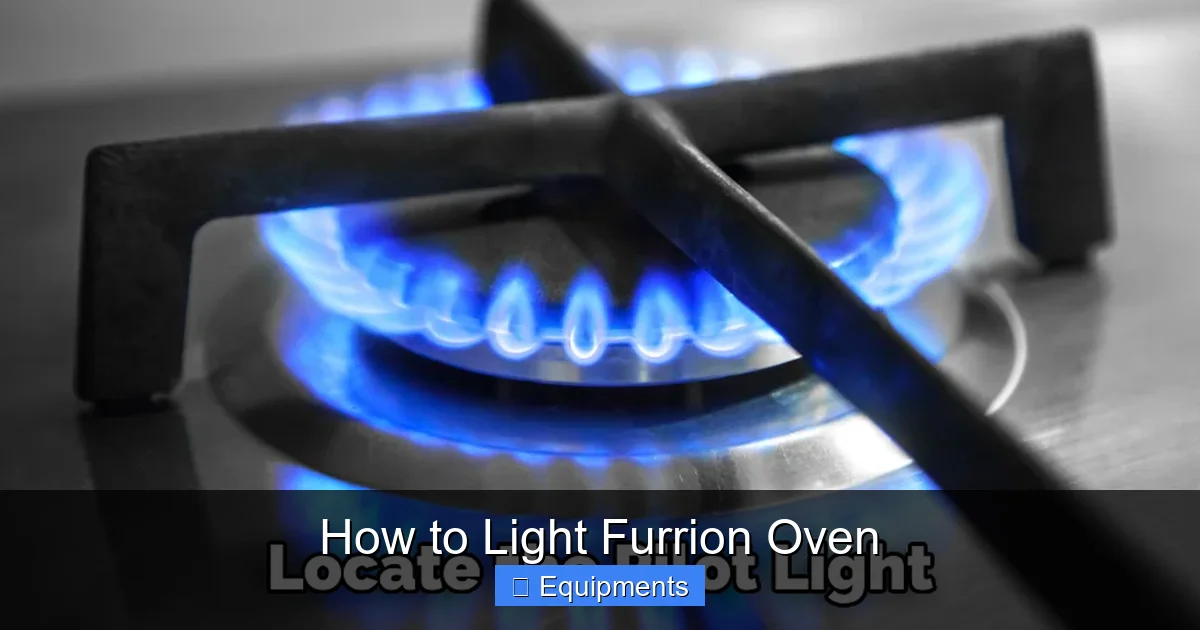
Furrion ovens run on propane tanks (commonly 20‑lb or 30‑lb) or a natural‑gas line. Before you even turn a knob, make sure the tank is full and the regulator is properly attached. A low‑pressure tank will cause a weak flame or no ignition at all.
Visual guide about How to Light Furrion Oven
Image source: thekitchenix.com
- Check the gauge: The needle should be above the “half” mark.
- Inspect the regulator: Look for cracks or corrosion.
- Secure the connection: Tighten the hose until you hear a slight click.
1.2. Ensure Proper Ventilation
Even though the oven is designed to vent exhaust outdoors, you still need clear airflow around the unit. Place the oven on a flat, stable surface away from enclosed spaces. Never light it inside a closed garage or tent.
1.3. Gather the Right Tools
Most Furrion ovens have a built‑in manual ignition knob, but some models include an electric push‑button starter. Have a long‑handled lighter or a spark igniter ready if the manual knob feels stiff. Keep a fire‑extinguisher nearby—just in case.
1.4. Perform a Quick Leak Test
Before lighting, run a simple soap‑water test on all connections:
- Mix a few drops of dish soap with water in a spray bottle.
- Spray the mixture over the hose, regulator, and tank valve.
- If bubbles form, tighten the connection and test again.
2. The Ignition Process: Step‑by‑Step
2.1. Turn On the Gas Supply
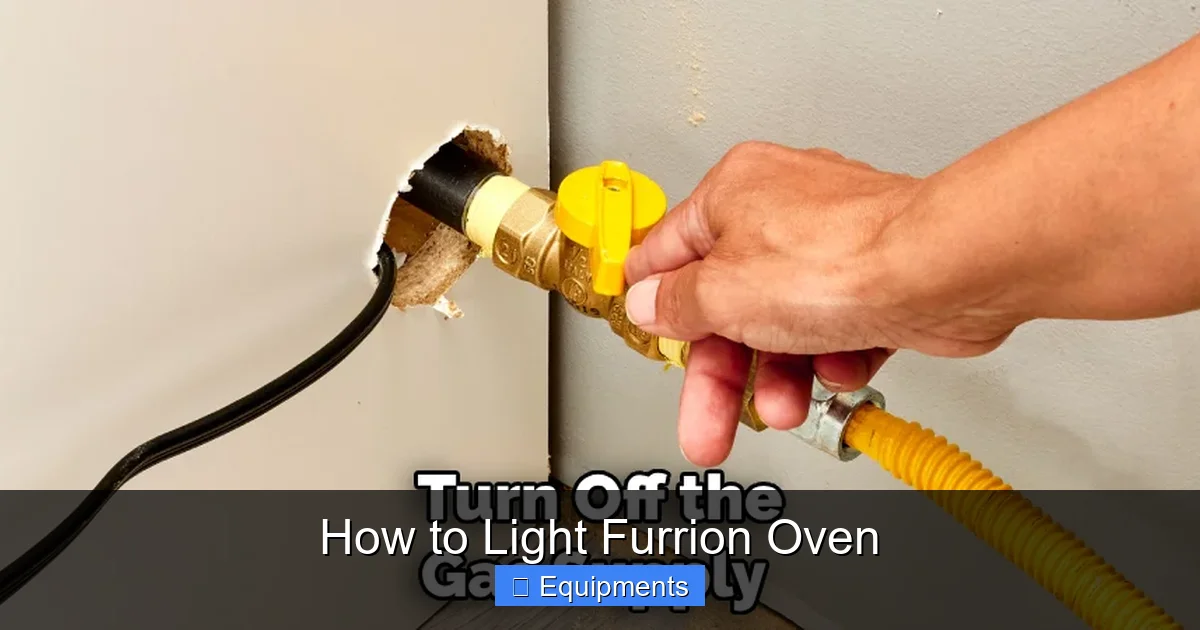
Locate the main gas valve on the tank or wall line. Turn it counter‑clockwise until it clicks open. You should hear a faint hiss—this means gas is flowing.
Visual guide about How to Light Furrion Oven
Image source: thekitchenix.com
2.2. Set the Oven to “Off” Position
Before you start the ignition sequence, make sure the oven’s control knob (if present) is set to “Off.” This prevents accidental flare‑ups while you’re positioning the igniter.
2.3. Activate the Ignition Source
There are two common methods:
- Manual Ignition Knob: Push the knob in and hold it while you use a long‑handled lighter near the burner ports. Release the knob once the flame catches.
- Electric Push‑Button Starter: Press and hold the button for 3‑5 seconds. You’ll hear a clicking sound as the spark ignites the gas.
2.4. Adjust the Flame
After the flame is established, turn the control knob to the desired heat level. For most cooking tasks, a medium flame (about the size of a match head) works best. Too high a flame can cause uneven cooking and waste fuel.
2.5. Confirm Stable Operation
Watch the burner for a few minutes. The flame should be steady, blue with a hint of orange at the tip. A wavering or yellow flame indicates incomplete combustion—turn off the gas and re‑check the air‑mix settings.
3. Troubleshooting Common Lighting Issues
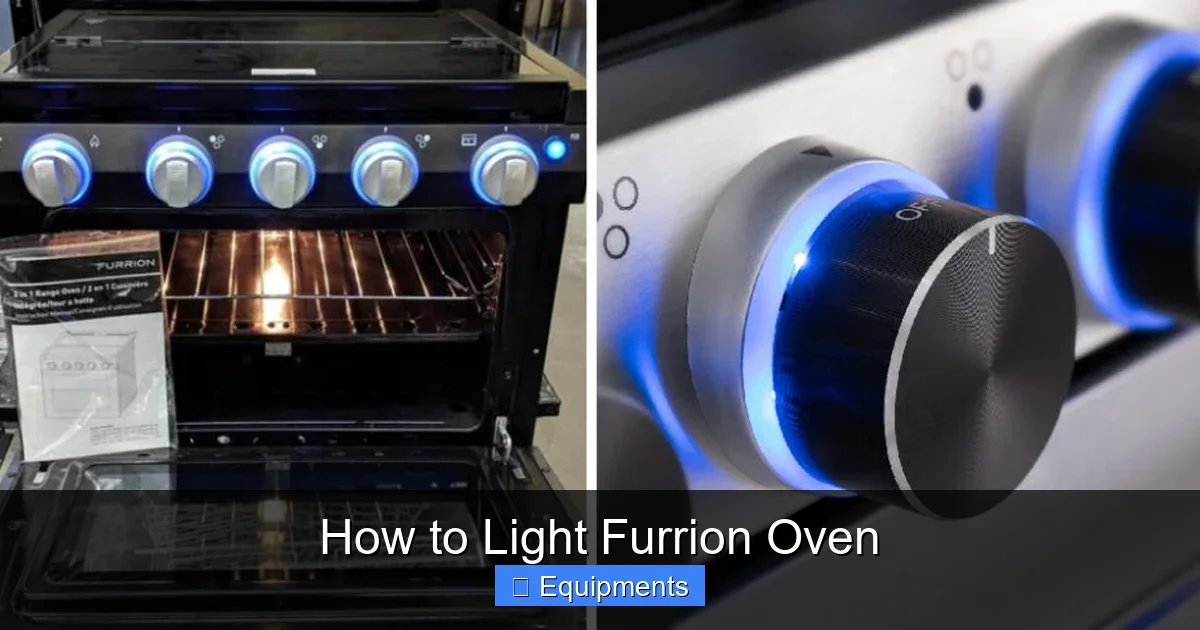
3.1. No Flame After Ignition Attempt
Possible causes and fixes:
Visual guide about How to Light Furrion Oven
Image source: thekitchenix.com
- Gas not reaching the burner: Re‑check the regulator and hose for blockages.
- Igniter malfunction: Replace the spark electrode or use a lighter as a backup.
- Safety valve shut off: Some models have an automatic shut‑off if they sense a leak. Reset by turning the gas off for 30 seconds, then restart.
3.2. Weak or Flickering Flame
Often a result of clogged burner ports. Remove the burner grate, clean each port with a soft brush, and wipe away any debris. Re‑assemble and try again.
3.3. Yellow or Sooty Flame
This indicates too much carbon in the mix. Check the air‑adjust screw (usually a small brass knob near the burner). Turn it clockwise a quarter turn to allow more air in.
3.4. Smell of Gas After Turning Off
If you detect a lingering odor, turn the gas off immediately, open windows, and ventilate the area. Use the leak test method again before attempting to relight.
4. Maintenance Practices to Keep Your Oven Lighting Smoothly
4.1. Regular Cleaning Schedule
After each cooking session, let the oven cool, then wipe down the interior with a damp cloth. Remove the burner grate weekly and scrub with warm, soapy water. Rinse and dry thoroughly.
4.2. Inspect Hoses and Connections Quarterly
Look for cracks, wear, or signs of UV damage. Replace any compromised hose immediately. Tighten all fittings to the manufacturer’s torque specifications (usually 10‑12 Nm).
4.3. Lubricate Moving Parts
The control knob and gas valve may benefit from a light coat of high‑temperature silicone grease once a year. This keeps them turning smoothly and prevents seizing.
4.4. Store the Oven Properly
If you’re not using the oven for an extended period, turn off the gas, disconnect the tank, and store the unit in a dry, sheltered location. Cover it with a breathable tarp to keep dust out.
5. Safety Tips and Emergency Procedures
5.1. Always Have a Fire Extinguisher Nearby
A Class B extinguisher (for flammable gases) is ideal. Know how to use the PASS technique: Pull the pin, Aim at the base, Squeeze the handle, Sweep side to side.
5.2. Know When to Call a Professional
If you encounter persistent leak warnings, a cracked regulator, or a malfunctioning safety valve, stop using the oven and contact a certified gas technician. Do not attempt DIY repairs on pressure components.
5.3. Carbon Monoxide Awareness
Even a well‑ventilated oven can produce CO if the combustion is incomplete. Install a battery‑operated CO detector near the cooking area, especially in RVs or small cabins.
Conclusion: Light Up Your Cooking Adventures with Confidence
Learning how to light a Furrion oven is less about fancy gadgets and more about respecting basic safety steps and understanding your equipment. By following the pre‑lighting checklist, mastering the ignition sequence, and keeping up with regular maintenance, you’ll enjoy reliable heat for everything from slow‑roasted chicken to crisp pizza crusts. Remember, a well‑lit oven is a happy oven, and a happy oven means delicious meals and peace of mind on every adventure.
Frequently Asked Questions
How do I know if my Furrion oven is getting enough gas?
Check the flame color. A steady blue flame means proper gas‑air mix. A weak or yellow flame suggests low gas pressure or insufficient air.
Can I use a standard kitchen lighter to ignite the oven?
Yes, a long‑handled kitchen lighter works fine for manual‑ignition models. Just keep the flame away from the gas valve and use a protective glove.
What should I do if I smell gas after turning the oven off?
Immediately shut off the main gas supply, ventilate the area, and avoid creating sparks. If the smell persists, contact a qualified gas technician.
Is it safe to leave the oven on unattended?
No. Always stay nearby while the oven is running. Unattended operation increases the risk of fire or gas leaks.
How often should I clean the burner ports?
For regular use, clean the ports every 2‑3 weeks. If you notice a weak flame, clean them sooner.
Can I convert a propane‑only Furrion oven to natural gas?
Only if the manufacturer offers a conversion kit for your specific model. Attempting a DIY conversion can void the warranty and be unsafe.