Keeping a turkey warm in the oven after roasting is a critical final step for juicy, flavorful meat. The secret is using a very low oven temperature (around 200°F) with the bird loosely tented in foil. This gentle heat holds the turkey at a safe serving temperature while allowing the juices to redistribute, resulting in moist slices. Never skip the rest period; it’s as important as the cooking itself. Following these simple rules ensures your masterpiece stays perfect from oven to table.
You’ve done it. Hours of planning, brining, seasoning, and careful roasting have led to this moment: your magnificent, golden-brown turkey is finally done. The thermometer reads perfectly in both the breast and the thigh. Victory! But your job isn’t over yet. The crucial, often overlooked final act is how to keep a turkey warm in the oven until it’s time to carve. Do this wrong, and you risk turning your juicy masterpiece into dry, stringy disappointment. Do it right, and you guarantee every single slice is succulent and flavorful. This isn’t just about warmth; it’s about finishing the cooking process through a technique called “carryover cooking” and, most importantly, allowing the precious juices to settle back into the meat fibers. Let’s dive deep into the science and simple steps to master this essential skill.
Key Takeaways
- Low & Slow is Key: Set your oven to 200°F (or the “warm” setting, if available) to gently hold temperature without overcooking.
- Foil is Your Friend: Loosely tent the turkey with aluminum foil to trap heat and steam, preventing the skin from drying out.
- Resting is Non-Negotiable: Let the turkey rest for at least 30-45 minutes (longer for larger birds) to allow juices to redistribute for maximum moisture.
- Thermometer is Essential: Use an instant-read thermometer to confirm the breast and thigh have reached a safe holding temperature of at least 140°F before serving.
- Don’t Carve Early: Carving releases precious juices. Keep the turkey whole until the very last minute before serving.
- Beware of “Cooking Through Carryover”: The internal temperature will rise 5-10°F during the rest period, so pull it from the oven slightly below your target temp.
- Safety First: The turkey should not sit in the “danger zone” (40°F-140°F) for more than 2 hours total. The low oven method keeps it safely above 140°F.
📑 Table of Contents
- Understanding the “Why”: The Science of Resting and Carryover Cooking
- The Gold Standard Method: The Low-and-Slow Oven Rest
- Critical Temperature Checks for Safe & Perfect Results
- Alternative Scenarios and Pro Tips
- Common Mistakes That Ruin a Perfect Turkey
- The Grand Finale: Carving and Serving at the Perfect Moment
- Conclusion: Warmth is the Final Ingredient
Understanding the “Why”: The Science of Resting and Carryover Cooking
Before we talk about the *how*, we must understand the *why*. When you pull a turkey out of the oven, the outside is piping hot, but the center is still cooking. This is “carryover cooking.” The intense heat from the surface radiates inward, continuing to raise the internal temperature of the meat. If you carve immediately, all those liquefied, flavorful juices—which have been driven to the center by heat—will run out onto the cutting board, leaving the meat itself dry.
The Juice Redistribution Process
Think of the turkey’s muscle fibers like a sponge full of water (the juices). During roasting, the heat squeezes this sponge, pushing the liquid toward the center. Resting allows the sponge to slowly re-absorb that liquid as the temperature evens out. This resting period is when the magic happens; the meat becomes uniformly moist. The goal of keeping it warm is to facilitate this redistribution while keeping the bird at a perfect, safe serving temperature for your guests.
The Gold Standard Method: The Low-and-Slow Oven Rest
This is the professional, foolproof technique used by chefs and experienced home cooks alike. It requires zero special equipment, just your oven and some foil. The principle is simple: provide just enough gentle heat to offset the cooling that naturally occurs, without continuing to cook the exterior or dry out the breast.
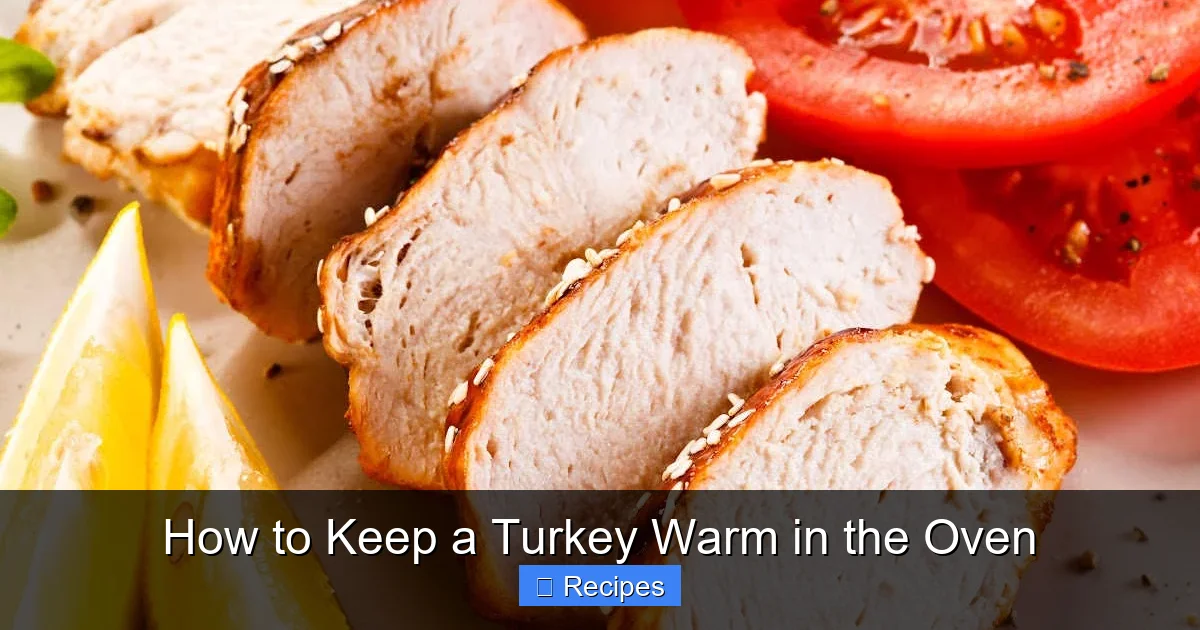
Visual guide about How to Keep a Turkey Warm in the Oven
Image source: savorandsavvy.com
Step-by-Step: The Perfect Oven Rest
First, remove the turkey from the roasting pan. This is important! The pan is hot and will continue to conduct heat, potentially overcooking the bottom. Transfer the bird to a clean, warm cutting board or a rimmed baking sheet. If your board is cold, pre-warm it slightly in the oven (then remove) to prevent thermal shock.
Next, tent it loosely with aluminum foil. Take a large sheet of foil and create a loose dome over the entire bird. Do not wrap it tightly! A tight seal will trap steam and make the skin soggy. The loose tent creates a mini-environment that reflects radiant heat back onto the turkey while allowing some steam to escape, keeping the skin from becoming rubbery. For extra insurance, you can place a few paper towels under the foil on the breast to absorb any stray droplets.
Now, set your oven to 200°F (or the lowest “Warm” setting, typically 150-170°F). This is the critical temperature. It’s hot enough to gently hold the bird but not hot enough to continue significant cooking or evaporate moisture. If your oven only goes down to 250°F, that can work for a shorter period (20-25 minutes), but 200°F is ideal.
Place the tented turkey back in the oven on the middle rack. Close the door and let it rest. The time depends entirely on the size of your bird.
- For a 12-14 lb bird: Rest for 30-40 minutes.
- For a 16-18 lb bird: Rest for 40-50 minutes.
- For a 20+ lb bird: Rest for 50-60 minutes.
You can use this time to make gravy, finish side dishes, or set the table. The oven is your holding cabinet.
Critical Temperature Checks for Safe & Perfect Results
Relying solely on time is okay, but using a thermometer is the mark of a true pro. You need to know two things: that the turkey is safe to eat and that it’s at the perfect serving temperature.
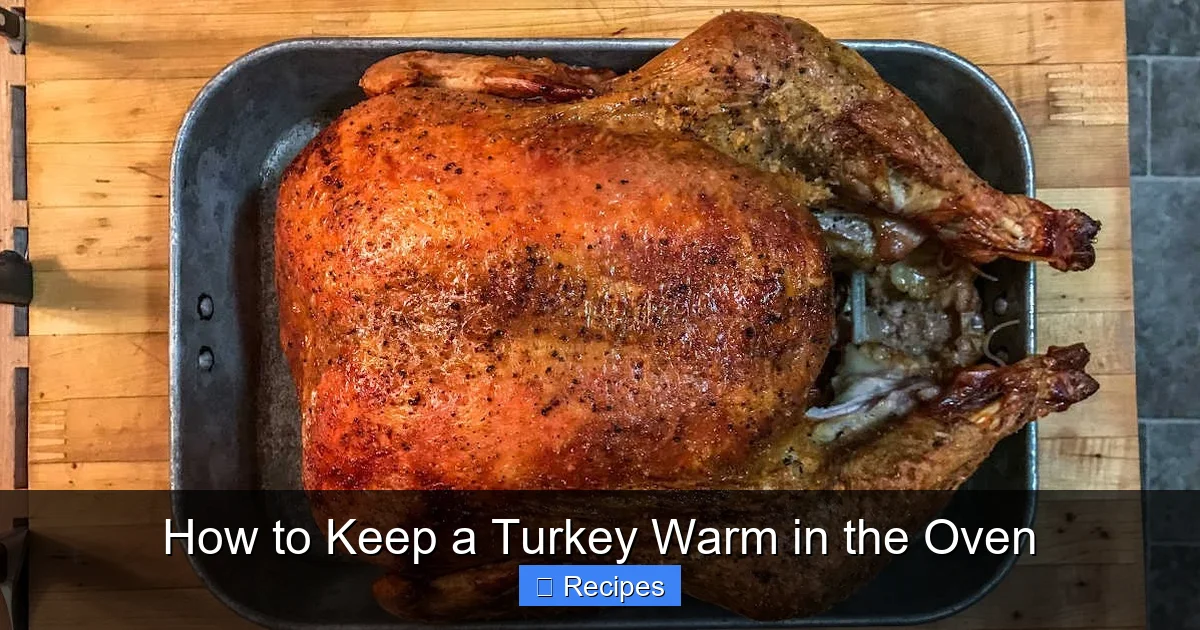
Visual guide about How to Keep a Turkey Warm in the Oven
Image source: savorandsavvy.com
Confirming Safe Holding Temperature
The USDA states that cooked poultry is safe to hold at temperatures above 140°F. Before you tent and return the turkey to the oven, do a quick check. Insert your instant-read thermometer into the thickest part of the thigh (not touching bone) and the thickest part of the breast. You should see readings of at least 165°F in the thigh and 160°F in the breast (as carryover will bring the breast up). If they are lower, return the bird to the main cooking oven for a few more minutes first. Once it’s in the 200°F holding oven, the temperature will stabilize or drop very slowly, safely staying in the “hot holding” zone.
Targeting the Perfect Serving Temp
For slicing, you want the meat to be around 150-155°F. This is hot enough to be satisfying but not so hot that the juices flood out when cut. The low oven rest will help maintain this ideal window. If your bird is huge and you need to hold it for over an hour, you might need to check the temp after 45 minutes. If it’s dropping below 145°F, you can leave it in the 200°F oven a bit longer, but monitor closely.
Alternative Scenarios and Pro Tips
What if your oven is full with side dishes? What if you finished cooking an hour early? Here are solutions for keeping your turkey warm without the primary oven method.
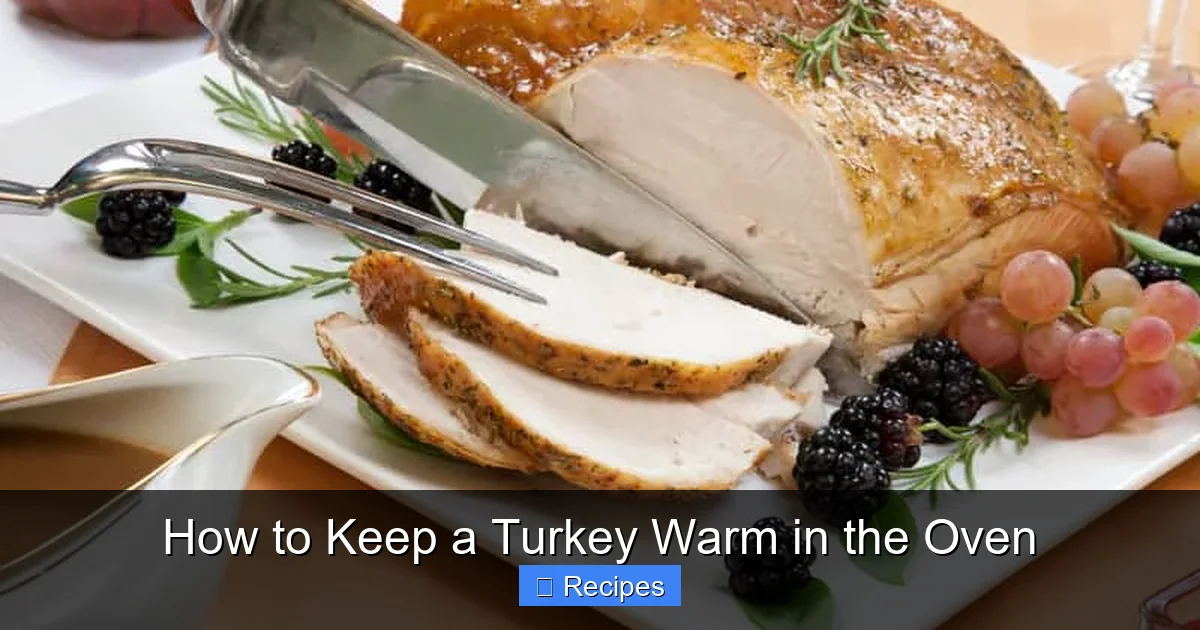
Visual guide about How to Keep a Turkey Warm in the Oven
Image source: substitutecooking.com
The “Warm Place” Method (No Oven Available)
If your oven is occupied, find the warmest spot in your house away from drafts—a turned-off oven with the door closed (if you just cooked in it), a microwave, or even a warm pantry. Tent the turkey very well with foil, then wrap the entire board or pan in a few thick, clean kitchen towels or a blanket. This “thermal blanket” can hold heat remarkably well for 30-45 minutes. It’s not as precise as the oven method, so aim for a shorter rest time and serve promptly.
Using a Commercial Warmer or Cooler
For large gatherings, some chefs use a clean, empty cooler. Line it with towels, place the tented turkey inside, and close the lid. The insulated space will hold heat beautifully for over an hour. Ensure the cooler is clean and food-safe. The low, even temperature of a 200°F oven is still superior, but this is a great backup plan.
Common Mistakes That Ruin a Perfect Turkey
Even with the right method, a few errors can sabotage your efforts. Avoid these pitfalls at all costs.
Mistake 1: Slicing Too Soon
This is the #1 sin. Impatience leads to dry meat. Trust the rest time. The juices need that time to settle. If you carve immediately, you’ll see a torrent of liquid on the board—that’s flavor you’re losing.
Mistake 2: Wrapping Too Tightly
Airtight foil traps steam, which condenses and drips back onto the skin, making it soft and unappealing. Always tent loosely. The foil should barely touch the breast and legs.
Mistake 3: Using Too High a Temperature
Setting the oven to 250°F or 300°F to “keep it warm” is actually continuing to cook it. The breast will quickly overcook and become dry. 200°F is the absolute maximum for holding. If your oven’s lowest setting is 250°F, reduce the hold time significantly (15-20 minutes max) and watch the thermometer like a hawk.
Mistake 4: Letting it Cool Uncovered
An uncovered turkey will lose heat rapidly via evaporation and radiation. The surface will cool and dry out. Always tent it, even if you’re only resting for 20 minutes on the counter before carving.
The Grand Finale: Carving and Serving at the Perfect Moment
Your turkey has rested beautifully in its warm oven cocoon. Now, the final performance. Have your carving tools ready and your platter warmed. A warm platter prevents the meat from seizing up on contact.
Transfer the turkey from the oven to the platter. Remove the foil tent—you might be greeted by a beautiful, steamy sight. Let it sit on the platter for a final 5-10 minutes, tented again if needed. This last little rest on the way to the table allows any juices that may have shifted during transfer to settle. Then, carve decisively and serve immediately. Your guests will be greeted with turkey that is steaming hot, incredibly juicy, and flawlessly cooked from edge to center.
Conclusion: Warmth is the Final Ingredient
Learning how to keep a turkey warm in the oven isn’t a complicated trick; it’s a fundamental culinary principle. It’s the respectful, patient conclusion to a complex cooking process. By using the low-and-slow foil tent method, you respect the science of carryover cooking and juice redistribution. You transform the stressful final countdown from “will it dry out?” to a calm, controlled period where your turkey is held at its peak. This single step bridges the gap between a well-cooked bird and a legendary one. So this holiday season, give your turkey the rest it deserves. Your taste buds—and your dinner guests—will thank you for it. Now, go carve that perfectly juicy masterpiece.
Frequently Asked Questions
Can I use the “Warm” setting on my oven instead of 200°F?
Yes, the “Warm” or “Hold” setting on most ovens is designed for this purpose, typically maintaining a temperature between 150-170°F. This is even gentler than 200°F and ideal for longer holds. Always check your oven’s manual to confirm its “Warm” temperature.
What if my turkey is already cool when I take it out of the roasting pan?
If the surface has cooled significantly, the low oven rest will re-warm it gently. However, ensure the internal temperature is still above 140°F. If it’s dropped below, you may need to return it to the main cooking oven for a very brief period (5-10 minutes) to bring the core back up before starting the low rest.
Is it safe to leave a cooked turkey in the oven overnight to keep warm?
No. Food safety guidelines state that cooked foods should not be held in the “danger zone” (40°F-140°F) for more than 2 hours. While a 200°F oven keeps it above 140°F, leaving it for many hours (like overnight) still risks quality degradation and potential safety issues if the oven temperature fluctuates. It’s best to serve within 1-2 hours of finishing cooking.
Can I cover the turkey with a lid or another pan instead of foil?
You can, but it’s not ideal. A tight-fitting lid or an inverted pan will trap too much steam, likely making the skin soggy. Aluminum foil is preferred because you can shape it into a loose, breathable tent that reflects heat without creating a steam chamber.
My oven doesn’t go below 250°F. What should I do?
If 250°F is your lowest setting, you must drastically reduce the resting time to 15-25 minutes maximum. Check the internal temperature after 15 minutes. The goal is simply to keep it hot, not to continue cooking. Alternatively, use the “warm place and towel” method described in the article for a safer hold at a lower effective temperature.
Should I baste the turkey while it’s resting in the oven?
No. Basting is for the cooking phase to add moisture and flavor to the skin. During the rest period, the goal is to minimize disturbance. Opening the oven door every few minutes to baste will cause significant heat loss, drop the oven temperature, and extend the rest time unnecessarily. The foil tent does all the work needed.
Pingback: How Long to Cook a Turkey per Pound - kitchenandhouseware.com
Pingback: Turkey Cooking Times per Pound - kitchenandhouseware.com
Pingback: How Long to Cook a 12 Lb Turkey - kitchenandhouseware.com
Pingback: What Temperature to Cook a Turkey in the Oven - kitchenandhouseware.com
Pingback: How Long to Cook a 16 Lb Turkey - kitchenandhouseware.com
Pingback: How to Brine a Turkey Overnight - kitchenandhouseware.com
Pingback: Young Turkey - kitchenandhouseware.com
Pingback: Turkey Thawing Chart - kitchenandhouseware.com
Pingback: Spatchcock Turkey Cooking Time - kitchenandhouseware.com
Pingback: 20 Lb Turkey Cooking Time - kitchenandhouseware.com
Pingback: How Long to Thaw a 20 Lb Turkey - kitchenandhouseware.com
Pingback: Turkey Thaw Time Chart - kitchenandhouseware.com
Pingback: How Long to Cook a Turkey per Pound at 350 Degrees - kitchenandhouseware.com
Pingback: How Long to Cook 20 Lb Turkey - kitchenandhouseware.com
Pingback: How Long to Thaw a Turkey in the Refrigerator - kitchenandhouseware.com
Pingback: How Long to Defrost a Turkey - kitchenandhouseware.com
Pingback: How Long to Defrost a Turkey in the Fridge - kitchenandhouseware.com
Pingback: How Long Does It Take to Cook a 20 Pound Turkey - kitchenandhouseware.com
Pingback: 16 Pound Turkey Cooking Time - kitchenandhouseware.com
Pingback: Roasting Turkey Time Chart - kitchenandhouseware.com
Pingback: Turkey Roasting Times at 325 - kitchenandhouseware.com
Pingback: 15 Lb Turkey Cooking Time - kitchenandhouseware.com
Pingback: How Many Minutes per Pound to Cook a Turkey - kitchenandhouseware.com