Don’t have a steamer basket for your rice cooker? No problem! You can easily steam perfect, tender-crisp vegetables using everyday items like a heatproof plate or foil. This method locks in nutrients and flavor with minimal effort and cleanup. It’s a game-changer for quick, healthy side dishes.
Key Takeaways
- Use a heatproof plate or bowl: A ceramic, glass, or metal plate placed on a makeshift rack (foil balls or a heatproof bowl) elevates veggies above the water.
- Water level is critical: Use 1 to 1.5 cups of water, ensuring it doesn’t touch the bottom of your vegetable container.
- Cut veggies uniformly: Consistent sizes (like 1-inch pieces) ensure even cooking in the same time frame.
- Don’t overcrowd: Arrange veggies in a single layer with space for steam to circulate for best results.
- Season after steaming: Toss with oil, salt, and herbs *after* cooking to prevent sogginess and maximize flavor.
- Timing varies by veggie: Delicate greens like spinach need 3-5 minutes, while dense roots like potatoes need 15-20.
- Cleanup is easy: The rice cooker pot and your makeshift steamer vessel are typically dishwasher safe.
📑 Table of Contents
- Introduction: Your Rice Cooker’s Secret Vegetable Superpower
- Why This Method Works: The Science of Simple Steam
- What You’ll Need: Common Kitchen Items as Your “Basket”
- Step-by-Step: The Foolproof Process
- Vegetable-Specific Timing & Tips Guide
- Common Mistakes to Avoid (And How to Fix Them)
- Beyond Basic Veggies: Advanced Techniques & Ideas
- Conclusion: Embrace the Simplicity
Introduction: Your Rice Cooker’s Secret Vegetable Superpower
So, you have a fantastic rice cooker. It makes perfect, fluffy rice with the push of a button. But maybe you’ve looked at that empty steaming basket that came with it (or the spot where one would go) and wondered, “Is that all it can do?” What if I told you your rice cooker is also a secret weapon for steaming vegetables, even if you’ve lost the basket or never had one? It’s true. Learning how to steam vegetables in a rice cooker without a basket unlocks a world of fast, nutritious, and delicious side dishes. It’s a one-pot wonder that saves you from dirtying another pan or fussing with a separate steamer. The principle is beautifully simple: create a stable platform above simmering water to let steam do its magic. In this complete guide, we’ll walk through every single step, from the tools you already have in your kitchen to the perfect timing for every vegetable under the sun. Let’s turn your rice cooker into a versatile veggie steamer.
Why This Method Works: The Science of Simple Steam
Before we dive into the “how,” let’s appreciate the “why.” Steaming is one of the healthiest cooking methods. It cooks food with the heat from vapor, not boiling water. This means vitamins and minerals, especially water-soluble ones like vitamin C and B vitamins, stay in the food instead of leaching out. Your rice cooker is essentially a sealed environment that heats water to create a consistent, gentle flow of steam. When you provide a way for that steam to circulate around your vegetables, you get evenly cooked, vibrant, nutrient-packed results. The absence of a dedicated basket just means we get a little creative. We’re replicating the basket’s function—elevating the food—using items you definitely own. The hot steam rises from the water, hits the bottom of your makeshift platform, and condenses, dripping down and cooking the veggies from all sides. It’s efficient, effective, and incredibly easy.
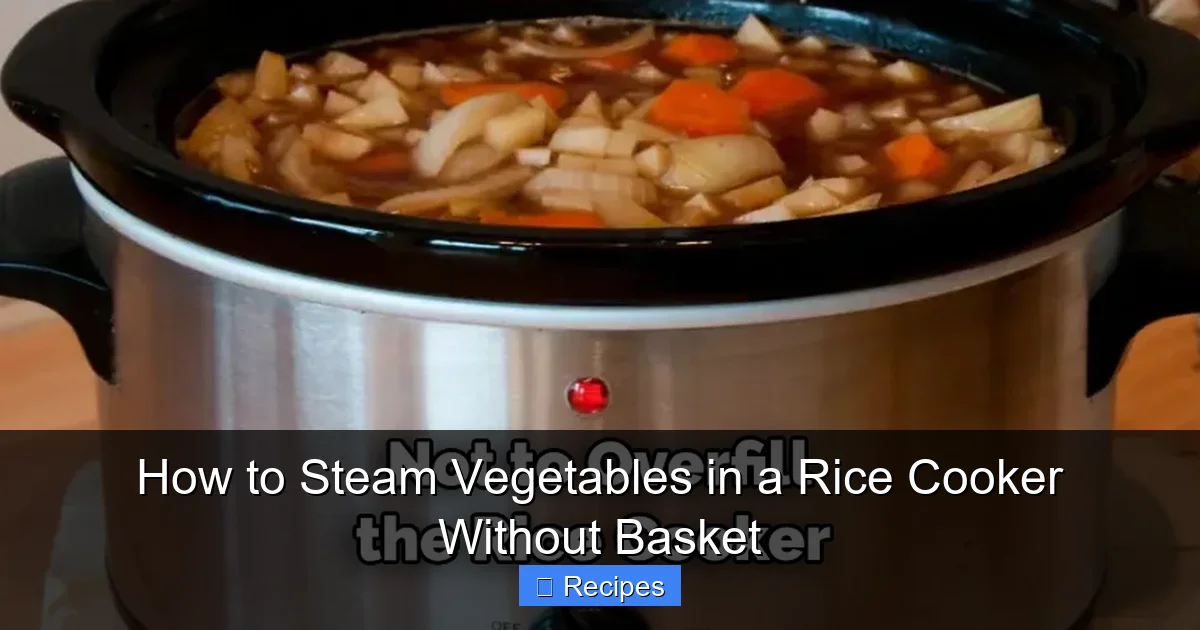
Visual guide about How to Steam Vegetables in a Rice Cooker Without Basket
Image source: thekitchenix.com
The Core Principle: Elevate and Contain
The two golden rules are non-negotiable. First, your vegetables must be elevated above the water. If they sit in the water, they’ll boil or stew, not steam. Second, they need to be contained in a vessel that catches the condensation and keeps the veggies from falling into the water. A plate or bowl does this perfectly. Combine these two principles with the right amount of water and proper timing, and you have a foolproof system.
What You’ll Need: Common Kitchen Items as Your “Basket”
Scour your kitchen. You don’t need special equipment. Here are your top options, ranked from most to least recommended.
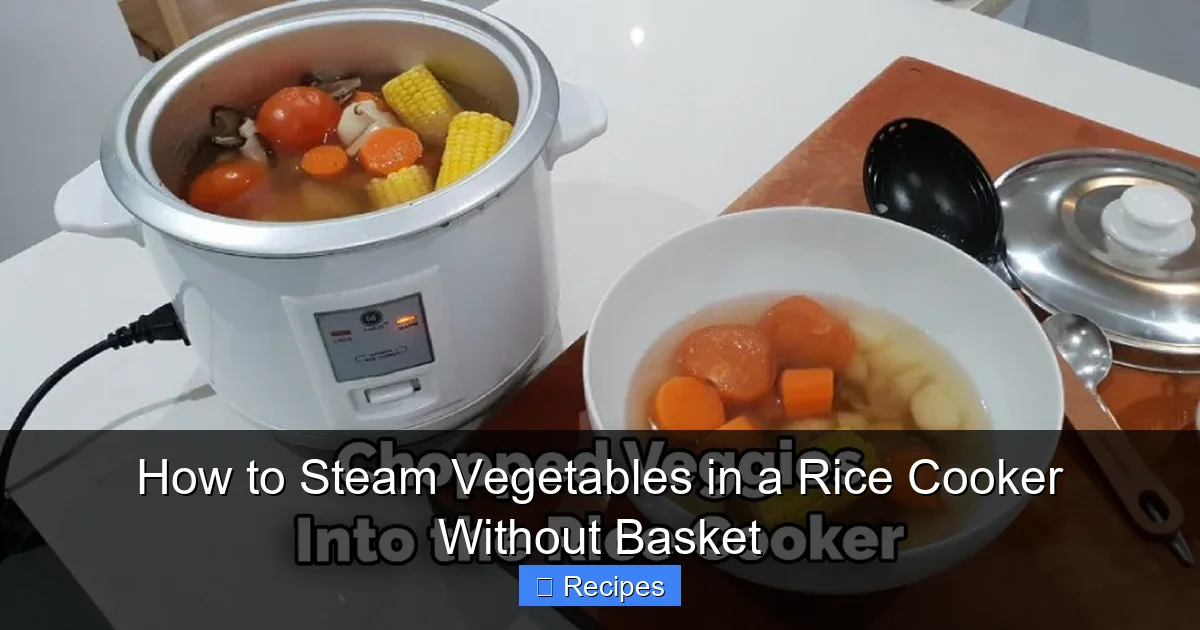
Visual guide about How to Steam Vegetables in a Rice Cooker Without Basket
Image source: thekitchenix.com
Option 1: A Heatproof Plate or Bowl (The Champion)
This is the gold standard. Look for a small, shallow plate or bowl that fits inside your rice cooker’s inner pot. Ceramic, glass (like a small ramekin or custard dish), or metal (like a stainless steel dipping bowl) are all excellent. It should be stable and not wobble. The steam will circulate freely around the veggies sitting on this platform. This method provides the most even heat distribution and is the easiest to manage.
Option 2: The Foil Ball Rack (The Ingenious Hack)
If you don’t have a suitably sized plate, grab a sheet of aluminum foil. Tear off three pieces and roll them into tight, firm balls about the size of golf balls. Place them in the bottom of the rice cooker pot in a triangle formation. They are your “feet.” Then, place a heatproof plate or even a small, sturdy bowl on top of these foil balls. The foil balls create a stable, elevated base. This is a fantastic, no-cost solution that works with almost any flat, heatproof dish you own.
Option 3: A Heatproof Ramekin or Small Bowl (The Direct Method)
Sometimes, you can place a small, deep heatproof ramekin or bowl directly into the pot and fill it with your veggies. The key here is that the water level must be well below the top of the ramekin. The steam will cook the veggies inside the ramekin. This works best for smaller batches or vegetables that release a lot of water (like spinach). It essentially turns your rice cooker into a mini-oven/steamer hybrid.
What to AVOID:
- Plastic: Unless explicitly labeled as heatproof and steam-safe (most aren’t), plastic can melt or release toxins.
- Paper or cardboard: These will disintegrate and are a fire hazard.
- Anything with metallic trim or decorations: These can overheat or crack.
- Very large or wide vessels: They won’t leave enough room for steam to circulate properly around the sides.
Step-by-Step: The Foolproof Process
Now, let’s cook. Follow these steps exactly for perfect results every single time.
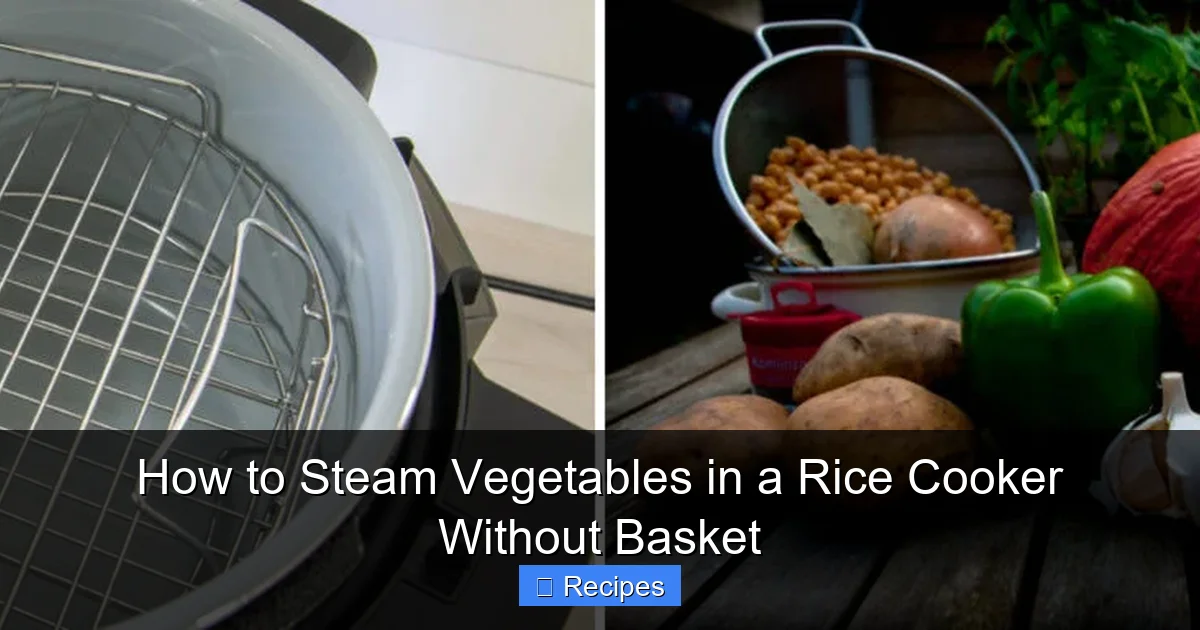
Visual guide about How to Steam Vegetables in a Rice Cooker Without Basket
Image source: thekitchenix.com
Step 1: Prep Your Rice Cooker and Water
Place your chosen makeshift steamer platform (plate on foil balls, or a standalone heatproof bowl) into the clean inner pot of your rice cooker. Pour in 1 to 1.5 cups of clean, cold water. The exact amount depends on your rice cooker’s size and how long you plan to steam. You want enough water to generate steam for your entire cooking time without boiling dry. A good rule: the water should not touch the bottom of your vegetable container when it’s placed on the platform. For a 20-minute steam, start with 1.5 cups. Always check your manufacturer’s guidelines for minimum water levels to avoid damage.
Step 2: Prep Your Vegetables
This is the most important step for success. Wash and dry your vegetables thoroughly. Cut them into uniform pieces. A 1-inch dice or slice is ideal for most vegetables. This ensures everything cooks at the same rate. No one wants mushy carrots with hard broccoli. For dense vegetables like potatoes or carrots, you can slice them a bit thinner (about ½-inch). For delicate greens, keep them in large, whole leaves.
Step 3: Load the Steamer
Place your prepared vegetables in a single, loose layer on your platform or inside your heatproof bowl. Do not pile them high. Steam needs to circulate around each piece. If you have a lot of vegetables, steam in multiple batches. It’s faster than steaming one huge, overcrowded batch that cooks unevenly. Lightly toss them with a tiny bit of oil (like avocado or olive oil) and a pinch of salt if desired. The oil helps prevent sticking and adds flavor, but it’s optional.
Step 4: Cook!
Place the lid on your rice cooker. Turn it on to the regular “Cook” or “White Rice” setting. Do not use the “Steam” or “Quick Cook” setting if your model has one, as these often have preset, unadjustable timers that may not suit all vegetables. The standard cook cycle is usually 20-30 minutes. For most vegetables, this cycle will be perfect. You’ll hear the cooker switch to “Keep Warm” when the water has boiled away and the cycle ends. If your vegetables are very dense (like whole baby potatoes), you may need to reset the cooker for a second cycle. For very delicate vegetables (spinach, peas, asparagus), you can simply turn the cooker on for 3-5 minutes and then manually turn it off.
Step 5: Check, Season, and Serve
Once the cycle finishes, carefully open the lid (watch out for steam!). Use a fork to check for doneness. The vegetable should be tender but still slightly firm (al dente). If not ready, replace the lid and let it sit on “Keep Warm” for a few more minutes, or start a short second cycle. When done, carefully remove the hot plate or bowl with oven mitts. Transfer the vegetables to a serving bowl. Now is the time to season generously. Toss with melted butter, a drizzle of soy sauce or lemon juice, fresh herbs (parsley, dill, chives), garlic powder, or a sprinkle of Parmesan cheese. Taste and adjust. Serve immediately as the perfect, healthy side.
Vegetable-Specific Timing & Tips Guide
Not all vegetables are created equal when it comes to steaming time. Use this as your master reference. Always start checking a few minutes before the suggested time.
Quick-Cooking Vegetables (3-7 minutes)
- Spinach, Kale, Swiss Chard: 3-5 min. Wilted and bright green. Cook in batches if steaming a lot.
- Peas (fresh or frozen): 4-6 min. Sweet and tender. No need to thaw frozen.
- Asparagus (medium spears): 5-7 min. Tender but still crisp.
- Green Beans: 6-8 min. Crisp-tender is the goal.
- Zucchini, Summer Squash (1-inch slices): 5-7 min. Soft but not mushy.
- Broccoli, Cauliflower (small florets): 7-9 min. Fork-tender, vibrant.
Medium-Cooking Vegetables (8-12 minutes)
- Carrots (1-inch slices or baby carrots): 10-12 min. Sweet and tender.
- Brussels Sprouts (halved): 12-15 min. Slightly browned edges are lovely.
- Cabbage (shredded): 8-10 min. Wilts down significantly.
- Bell Peppers (strips): 8-10 min. Softened but still holds shape.
- Green Peas (in pods, like sugar snap peas): 4-6 min. Crisp and sweet.
Longer-Cooking Vegetables (15-25 minutes)
- Potatoes (1-inch cubes): 15-20 min. Test with a fork. Use two cook cycles if needed.
- Sweet Potatoes (1-inch cubes): 15-20 min. Very similar to white potatoes.
- Butternut Squash (1-inch cubes): 15-20 min. Soft and creamy.
- Beets (1-inch cubes): 20-25 min. Requires the longest steam. Check for fork-tenderness.
- Corn on the Cob (halved): 15-20 min. Delicious and surprisingly easy.
Common Mistakes to Avoid (And How to Fix Them)
Even with this simple method, a few pitfalls can trip you up. Here’s how to avoid them.
Mistake 1: Using Too Much or Too Little Water
The Problem: Too little water and your cooker will boil dry, potentially damaging it and undercooking your veggies. Too much water and it can boil over or take forever to generate steam, leading to soggy vegetables.
The Fix: Stick to the 1-1.5 cup guideline. After a few tries, you’ll learn the sweet spot for your specific rice cooker model. If you’re steaming for a very long time (25+ min), start with 1.5 cups. For quick veggies, 1 cup is plenty.
Mistake 2: Overcrowding the Steam Vessel
The Problem: Piling veggies high blocks steam circulation. The top layer cooks while the bottom layer sits in its own juices and steams unevenly, turning some mushy and some hard.
The Fix: Be ruthless about the single layer. If you have a lot of vegetables, do two separate batches. It takes only 5-10 minutes extra and yields far superior results.
Mistake 3: Not Cutting Uniformly
The Problem: A mix of large carrot chunks and tiny pea pieces means the carrots will be underdone when the peas are mush.
The Fix: Take the extra 2 minutes to cut all vegetables to a similar size. It’s the single most important prep step for perfect results.
Mistake 4: Forgetting to Season After Cooking
The Problem: Steamed veggies can taste bland if you don’t add flavor. Salting before can draw out water and make them soggy.
The Fix: Always taste and season in the serving bowl. A little fat (oil, butter), acid (lemon, vinegar), and salt makes all the difference. Get creative with spices and herbs.
Beyond Basic Veggies: Advanced Techniques & Ideas
Once you master the basics, the possibilities are endless.
Steaming Frozen Vegetables
Yes, you can! Do not thaw them first. Place the frozen veggies in a single layer on your platform. They will release more water, so you might need to reduce your starting water by ¼ cup. They will also cook slightly faster than fresh (reduce time by 2-3 minutes). Perfect for a last-minute side from your freezer.
Flavor-Infused Steam
Add aromatics to the water at the bottom of the pot! A few slices of lemon, a smashed garlic clove, a sprig of rosemary or thyme, or a few peppercorns will infuse the steam with subtle flavor that perfumes the vegetables as they cook. Discard the aromatics after cooking.
Making Complete Meals: Protein + Veggie
You can cook more than just vegetables. Place a small, heatproof ramekin with seasoned, boneless chicken breast or fish fillet on your platform next to your veggie pile. The same steam will cook both! Ensure the protein is cut into similar-sized pieces as your veggies for simultaneous doneness. This is a fantastic way to make a full, healthy meal in one appliance.
Conclusion: Embrace the Simplicity
Steaming vegetables in a rice cooker without a basket isn’t a compromise; it’s a brilliant kitchen hack that proves you don’t need every single specialized tool to cook well. With a plate, some foil, and a few simple rules, you have a reliable, hands-off method for producing consistently excellent, healthy vegetables. It’s faster than pulling out a big pot, easier than watching a stovetop steamer, and cleans up in moments. So next time you need a side dish, reach for your rice cooker. Experiment with the timing guide, find your favorite seasonings, and enjoy the perfectly steamed, nutrient-rich results. Your future self—the one with more time and a healthier dinner plate—will thank you.
Frequently Asked Questions
Can I use any plate in my rice cooker?
No. You must use a plate or bowl that is explicitly heatproof and can withstand direct steam and high heat. Ceramic, glass, and stainless steel are safe. Avoid anything with plastic, wood, or metallic paint/decoration.
What if I don’t have a plate that fits inside my rice cooker?
Use the foil ball rack method. Create a stable base with 3-4 tightly rolled foil balls in the pot and place your smallest heatproof plate or bowl on top. This elevates any container above the water.
How much water should I really use?
Start with 1 to 1.5 cups of water. The water should not touch the bottom of your vegetable container. For shorter steam times (5-10 min), 1 cup is sufficient. For longer times (15-25 min), use 1.5 cups to prevent the cooker from boiling dry.
Can I steam frozen vegetables this way?
Absolutely. Place frozen vegetables in a single layer directly from the freezer. They will release more water, so you may want to use slightly less starting water (about ¾ to 1 cup). They cook faster, so reduce the standard fresh veggie time by 2-3 minutes.
My vegetables came out soggy. What happened?
Sogginess is usually caused by overcrowding (steam can’t circulate) or cooking too long. Ensure veggies are in a single layer and check for doneness a few minutes before the suggested time. Also, always season and toss after steaming, not before, to avoid drawing out excess water.
Is it safe to leave the rice cooker unattended while steaming?
Yes, this is one of the best features! Once you’ve set it to the “Cook” cycle, it operates like a rice cooker—it heats, steams, and automatically switches to “Keep Warm” when the water is gone. It’s designed for unattended operation. Just ensure you’ve used the correct amount of water and have a stable setup.
Pingback: How Much Is a Cup of Rice - kitchenandhouseware.com
Pingback: How to Steam Broccoli Without a Steamer or Basket - kitchenandhouseware.com
Pingback: How to Make a Good Beef and Gravy with Rice - kitchenandhouseware.com
Pingback: Cooking Time of Carrots in a Boiling Water - kitchenandhouseware.com