Grease ants, also known as thief ants, are tiny invaders attracted to fatty foods and residues in your kitchen. Getting rid of them requires a dual approach: immediate elimination of the current infestation through deep cleaning and targeted baits, followed by rigorous, long-term prevention to stop them from returning. Success hinges on understanding their behavior and being consistently meticulous with kitchen sanitation and home maintenance.
Key Takeaways
- Identify Correctly: Grease ants are tiny (1-2mm), light brown to yellow, and emit a rotten coconut odor when crushed. Correct identification is crucial for effective treatment.
- Sanitation is Non-Negotiable: The single most important step is eliminating all food and grease sources. This means wiping counters, cleaning under appliances, and storing all food in airtight containers.
- Use Baits, Not Just Sprays: Sprays kill visible ants but scatter the colony. Ant baits, especially gel or station formulations, allow worker ants to carry poison back to the nest, eliminating the queen and colony.
- Seal Entry Points: These tiny ants can enter through minuscule cracks. Inspect and seal around windows, doors, pipes, and foundation cracks with caulk to physically block their access.
- Consistency is Key: An infestation didn’t form overnight, and it won’t disappear overnight. Maintain a strict cleaning routine and monitor for activity for several weeks after the last ant is seen.
- Natural Options Exist: For minor issues or preference, substances like diatomaceous earth, vinegar solutions, and essential oil sprays can disrupt trails and deter ants without chemicals.
- Know When to Call a Pro: If the infestation is massive, persistent after 3-4 weeks of diligent DIY effort, or if you suspect multiple colonies, a professional pest control service can provide targeted, powerful solutions.
📑 Table of Contents
- Introduction: The Uninvited Tiny Tenants
- Understanding Your Enemy: What Are Grease Ants?
- Phase One: Immediate Assault – Eliminate the Active Infestation
- Phase Two: The Defensive Line – Blocking Entry and Deterrence
- Natural and DIY Solutions: For the Chemical-Conscious
- Long-Term Prevention: The Only Way to Win Forever
- Conclusion: Patience, Persistence, and Prevention
Introduction: The Uninvited Tiny Tenants
You’re standing at your kitchen counter, ready to whip up dinner, and you see them. A tiny, relentless parade of minuscule ants marching in a perfect line across your previously clean surface. Your heart sinks. Not again. You’ve sprayed, you’ve wiped, you’ve tried to ignore them, but they keep coming back. If these invaders are particularly small, light brown or yellowish, and seem obsessed with any forgotten smear of butter, oil, or meat, you’re likely dealing with grease ants—a notoriously persistent species also known as thief ants (Solenopsis molesta).
Unlike their larger, more infamous cousin the carpenter ant, grease ants don’t chew your home’s structure. Their damage is to your sanity and your food safety. They contaminate surfaces and stored goods with bacteria they pick up from drains and garbage. Getting rid of them feels like a game of whack-a-mole; you kill one trail, and another appears. But it’s not a losing battle. By understanding what makes these pests tick and committing to a strategic, multi-phase plan, you can reclaim your kitchen. This guide will walk you through every step, from immediate action to long-term prevention, using both natural and chemical methods.
Understanding Your Enemy: What Are Grease Ants?
To win a war, you must know your opponent. Grease ants are a unique species with specific behaviors that explain why they seem so hard to evict. They are not the common pavement ants you see in the spring. Knowing the difference informs your strategy.
Visual guide about How to Get Rid of Grease Ants in the Kitchen
Image source: americanceliac.org
Physical Identification: Size and Scent
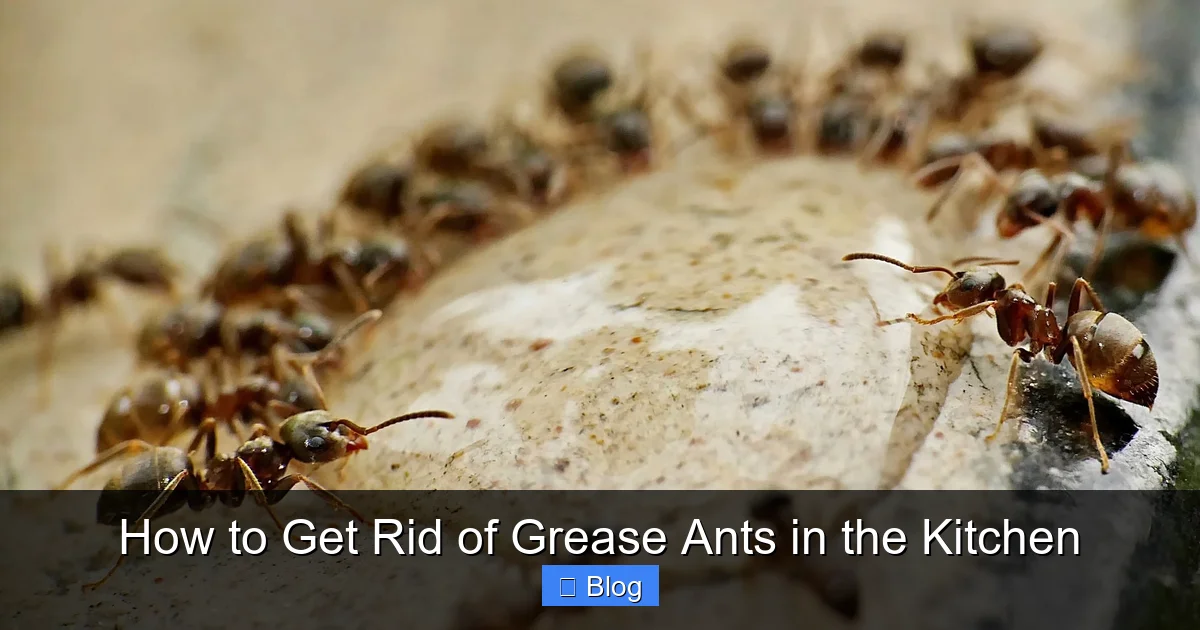
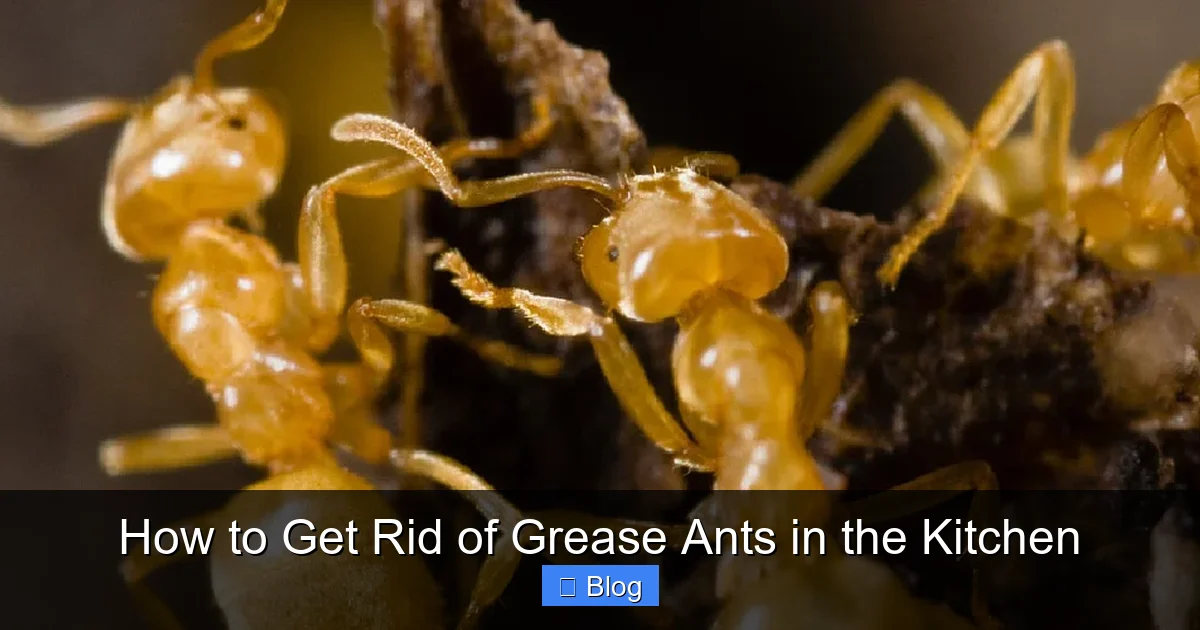
Grease ants are one of the smallest ant species you’ll encounter indoors, typically measuring only 1 to 2 millimeters in length. To put that in perspective, they are about half the size of a grain of rice. Their color ranges from light brown to a pale yellow or golden hue, which can make them hard to spot against a wood countertop or linoleum floor. A definitive, if unpleasant, identifier is their odor. If you accidentally crush a few, they emit a distinctive, pungent smell reminiscent of rotten coconut or rancid oil. This is due to the chemicals in their defensive secretions. If you suspect an infestation, carefully crush a single ant on a paper towel and give it a cautious sniff to confirm.
Behavior and Nesting Habits
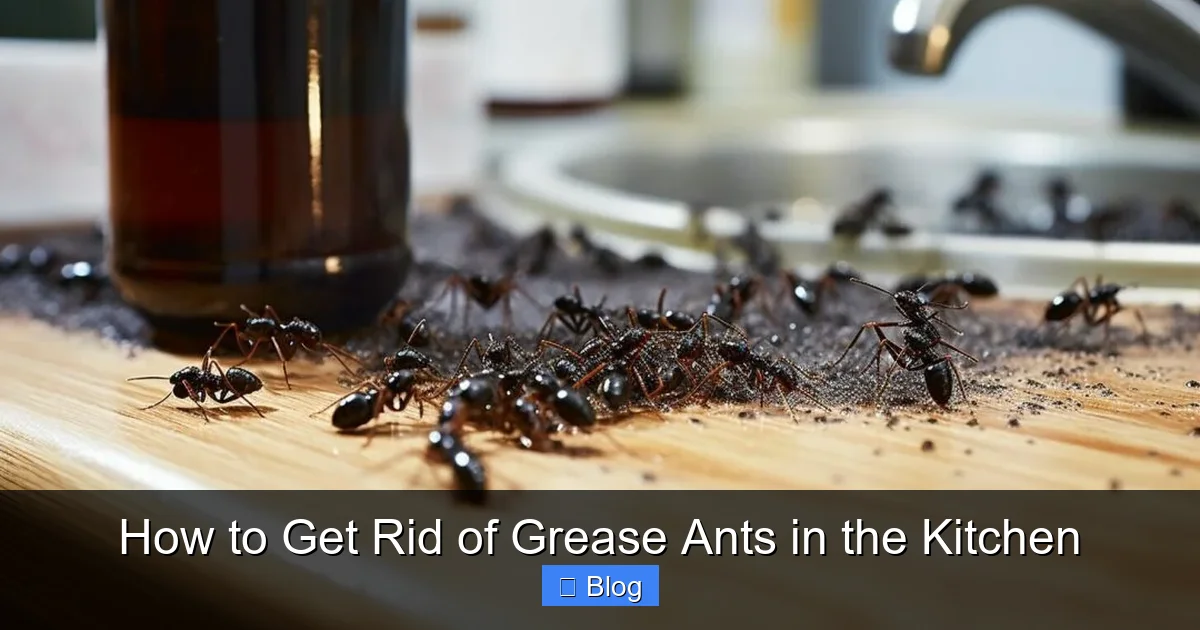
True to their name, grease ants have a strong preference for protein and grease-based foods over sweets. They are relentless foragers for morsels of cooked meat, butter, cheese, pet food, and even dead insects. They also feed on grease and oil residues that are invisible to the naked eye. This explains why they seem to materialize from nowhere around stovetops, under sinks, and behind refrigerators. They often nest outdoors in soil, under stones, or in rotting wood, but they easily establish satellite colonies inside walls, under floorboards, or in wall voids, especially near a reliable kitchen food source. Their colonies are smaller than some other species but can have multiple queens, making them resilient. They are also known as “thief ants” because they often nest near other ant colonies and steal their food.
Phase One: Immediate Assault – Eliminate the Active Infestation
Seeing ants means you already have an active problem. The first 48-72 hours are critical for disrupting their foraging patterns and reducing their numbers dramatically. This phase is about immediate, aggressive action combined with a forensic-level cleaning.
Visual guide about How to Get Rid of Grease Ants in the Kitchen
Image source: thekitchenix.com
The Deep Clean: Beyond the Usual Wipe-Down
Your standard evening counter wipe-down is not enough. You must perform a kitchen-wide audit for food residues. Start by emptying all cabinets and pantries. Check every jar, box, and bag for signs of entry—tiny holes, ant trails inside. Transfer any susceptible items (cereal, flour, pet treats, chips) into hard-sided, airtight plastic or glass containers. Do not rely on cardboard boxes or loosely sealed bags.
Move heavy appliances. This is a chore, but it’s essential. Pull your stove, refrigerator, and dishwasher away from the wall. You will likely find a treasure trove of debris: spilled grease, crumbs, and dust bunnies mixed with food particles that have accumulated for years. Use a degreaser or a strong solution of warm water and dish soap to scrub these areas thoroughly. Don’t forget the underside of appliances and the floor beneath them. Clean the kick plates (the trim at the bottom of cabinets) as well.
Targeted Chemical Assault: Baits Are Your Best Weapon
This is the most important chemical strategy. Avoid the instinct to only use spray insecticides. Sprays kill the ants you see on contact, but the survivors simply find a new path and the colony in the wall remains untouched. Ant baits work on a different principle. They contain a slow-acting poison mixed with an attractant (grease or protein-based for grease ants). Worker ants carry the bait back to the nest, sharing it with the queen, larvae, and other workers, collapsing the entire colony from within.
- Choosing the Right Bait: Look for baits specifically labeled for grease or thief ants, or those that use a protein/grease attractant like peanut butter or bacon grease as the carrier. Gel baits are excellent for squeezing into cracks and crevices along baseboards, behind pipes, and under countertops where trails are visible. Bait stations are good for placing in corners of cabinets and pantries.
- Placement is Everything: Do not disrupt the foraging trails before placing bait. Observe where the ants are traveling and place bait stations or apply gel directly on, beside, or just past the trail. They must find it easily on their normal route.
- Patience with Baits: You may see *more* ants initially as they swarm the bait. This is a good sign! Do not spray them. Let them carry the poison home. It can take 3-7 days to see a significant collapse in activity. Replenish bait as directed on the package until activity ceases completely.
Phase Two: The Defensive Line – Blocking Entry and Deterrence
While the baits work on the colony inside, you must stop new foragers from entering. This is the physical exclusion and barrier phase.
Conduct a Full Perimeter Inspection
Put on your detective hat. On a sunny day, turn off interior lights and look for ants streaming in from outside. Or, follow the trails you see backward until they disappear into a crack or hole. Common entry points include:
- Cracks around windows and door frames.
- Gaps where pipes (sink, gas, dishwasher) penetrate the wall or floor.
- Utility line entries (electrical, cable).
- The junction where the wall meets the floor or countertop (often poorly caulked).
- Foundation cracks.
- Vents and screens with holes.
Seal, Seal, Seal
Use a high-quality silicone caulk to seal all identified gaps. For larger holes (like around pipes), use steel wool first to pack the opening (ants can’t chew through it), then cover with caulk or expanding foam. Pay special attention to the area behind your sink where the plumbing enters the wall—this is a classic highway. Ensure door sweeps are intact on exterior doors. Repair screens on windows and vents. This step is labor-intensive but one of the most effective long-term investments you can make.
Natural and DIY Solutions: For the Chemical-Conscious
If you prefer to avoid conventional insecticides, especially in a food preparation area, several natural methods can be very effective, particularly when combined with the deep cleaning and sealing steps above. Their primary role is to disrupt trails and deter foraging, but they won’t typically eliminate a hidden colony.
Visual guide about How to Get Rid of Grease Ants in the Kitchen
Image source: bugbusterhq.com
Barrier and Deterrent Sprays
Vinegar Solution: Mix equal parts white vinegar and water in a spray bottle. This solution erases the pheromone trail ants use to navigate, effectively blinding their path. Spray it liberally along countertops (rinse food surfaces afterward), along baseboards, and in any visible trail. It also acts as a mild deterrent. The strong smell dissipates quickly for us but remains repellent to ants.
Essential Oils: Oils like peppermint, tea tree, citrus (orange, lemon), and lavender are powerful ant repellents. Add 10-15 drops to a cup of water in a spray bottle. Shake well and spray along entry points and trails. The strong aromatic compounds disrupt their scent trails. Reapply every few days as the scent fades.
Desiccant Powders: Diatomaceous Earth (Food Grade)
Diatomaceous earth (DE) is a fine powder made from fossilized algae. It’s non-toxic to humans and pets (when using food-grade) but lethal to insects. DE works by absorbing the waxy coating on an ant’s exoskeleton, causing them to dehydrate and die. Lightly dust a thin line in hidden areas where you see ant activity: under appliances, in cabinet corners behind things, along baseboards behind furniture, and in wall voids if you can access them. It must stay dry to be effective. It’s a fantastic long-term, low-toxicity barrier.
Long-Term Prevention: The Only Way to Win Forever
Eliminating the current ants is only half the battle. The real victory is making your kitchen so inhospitable that they never return. This requires a shift in daily habits.
Impeccable Kitchen Hygiene as a Routine
Treat your kitchen like a commercial restaurant’s prep area. Clean as you go. Immediately wipe up any food or liquid spill, no matter how small. This includes oily fingerprints on stovetops and splatters inside the microwave. Sweep and vacuum floors daily, especially in the corners and under furniture. At least once a week, do a “deep wipe” with a degreasing cleaner on all surfaces, not just the ones you use daily.
Food Storage Protocol
Anything edible is a potential bait. Implement a strict rule: All food must be in a sealed container. This includes:
- Opened boxes of cereal, crackers, and pasta transferred to plastic bins.
- Bread in a bread box or sealed bag.
- Pet food—only put out what your pet eats in one sitting, and store the bag in a sealed bin.
- Recycling—rinse bottles, cans, and food containers before putting them in the bin. Keep the outdoor bin clean and away from the house if possible.
- Compost—if you have a kitchen compost pail, empty it frequently and keep the lid sealed tightly.
Landscaping and Exterior Maintenance
Your home’s exterior is the first line of defense. Keep tree branches and shrubbery trimmed back so they don’t touch the house, creating bridges for ants. Maintain a 6-12 inch gap between mulch or soil and your home’s foundation. Ants love to nest in moist mulch right up against the house. Ensure downspouts direct water away from the foundation to prevent moisture buildup, which attracts many pests.
Conclusion: Patience, Persistence, and Prevention
Winning the battle against grease ants is a marathon, not a sprint. It demands a combination of immediate, decisive action and a permanent commitment to a cleaner, more sealed kitchen environment. Start with the forensic deep clean and strategic bait placement to hit the colony where it lives. Then, build your fortress by sealing every crack and adopting iron-clad food storage rules. Natural repellents like vinegar and diatomaceous earth are excellent supporting tools in this ongoing defensive strategy. Remember, you are not just fighting the ants you see; you are disrupting their entire supply chain and making your home an unappealing destination. By staying vigilant and consistent with these practices, you will not only get rid of the current infestation but also enjoy a lasting, pest-free kitchen where you can cook and eat with peace of mind.
Frequently Asked Questions
Are grease ants dangerous or do they bite?
Grease ants can bite if threatened, but their bite is very mild and usually not painful to humans. Their primary danger is their ability to contaminate food and surfaces with bacteria they pick up from unsanitary areas like drains and garbage.
Why are grease ants only in my kitchen and not other parts of the house?
>Grease ants are named for their strong preference for protein and grease-based foods. Your kitchen provides the concentrated source of these attractants (cooked meats, butter, oils, pet food) that they cannot find in other parts of the home, making it their primary target.
How long does it take to completely get rid of a grease ant infestation?
With a consistent, combined approach of baiting and deep cleaning, you should see a dramatic reduction in activity within 3-7 days. Complete elimination of the colony, including the queen, typically takes 1-3 weeks. Maintaining prevention habits is crucial to prevent re-infestation.
Can I use grease ant baits if I have small children or pets?
Yes, but with extreme caution. Always use bait stations that are specifically designed to be child- and pet-resistant. Place them in areas that are inaccessible to children and pets, such as inside cabinets behind other items, under heavy appliances, or in very high corners. Gel baits should be applied in very small dots deep within cracks where they cannot be accessed.
What’s the difference between grease ants and pavement ants?
Grease ants are much smaller (1-2mm), light brown/yellow, and prefer proteins/grease. Pavement ants are larger (3-5mm), dark brown to black, and are more attracted to sweets. Pavement ants also have a distinct thorax with parallel lines. Their different food preferences mean you should use protein/grease-based baits for grease ants, not sweet baits.
When should I call a professional pest control service?
Consider calling a professional if you see ant activity persist for more than 3-4 weeks despite diligent DIY efforts with baits and cleaning, if the infestation is massive and overwhelming, or if you suspect the colony is inside a major structural void you cannot access. Professionals have access to more potent, targeted baits and can identify and treat the nest location directly.