Your china cabinet is a blank canvas for storytelling, not just dish storage. By repurposing it as a display case for books, collectibles, plants, and art, you can create a dynamic, personal focal point in any room. This guide provides practical, style-specific ideas to curate a beautiful, clutter-free cabinet that reflects your unique taste and complements your home decor.
Let’s be honest: that beautiful china cabinet in your dining room or living room might be gathering dust, holding only the good china you use twice a year. But what if we told you its true purpose isn’t just storage—it’s a stage? A three-dimensional frame waiting to showcase the story of you? Moving beyond plates and teacups opens up a world of creative expression, turning a traditional furniture piece into one of the most dynamic and personal displays in your home. Decorating a china cabinet without dishes is about curation, creativity, and confidence. It’s about saying, “This is what I love, and this is how I want to see it.” So, let’s unlock that potential together.
The beauty of this approach is its absolute freedom. You’re not constrained by matching patterns or sets. Instead, you’re building a visual narrative with objects that have meaning, texture, and color. Whether your style is minimalist, bohemian, rustic, or modern, the principles are the same: create balance, tell a story, and make it unmistakably yours. We’ll walk through how to choose what to display, how to arrange it for maximum impact, and how to maintain a look that feels intentional, not messy. Get ready to see that cabinet in a whole new light.
Key Takeaways
- Redefine the Space: A china cabinet is a versatile display case, not a mandatory dish storage unit. Its primary purpose is to showcase items you love.
- Curate with Theme & Color: Successful displays often have a unifying theme (travel, nature, vintage) or a cohesive color palette to avoid looking cluttered.
- Play with Height & Depth: Use risers, stands, and layered arrangements to create visual interest and ensure every item is visible, not hidden behind others.
- Incorporate “Breathing Room”: Negative space is crucial. Avoid cramming every shelf; leave areas of openness to make displayed items stand out.
- Mix Textures & Materials: Combine wood, metal, glass, ceramic, textiles, and organic elements (plants, wood slices) for a rich, tactile display.
- Lighting is Everything: Utilize the cabinet’s internal lighting or add small, discreet LED spotlights to dramatically highlight your curated collection and add ambiance.
- Rotate Seasonally: Keep your display fresh by swapping out a few key items with the seasons or when your tastes evolve, preventing the cabinet from becoming static.
📑 Table of Contents
- Why Ditch the Dishes? Embracing the Display Cabinet Concept
- What to Display: A Universe of Options
- Design Principles for a Cohesive & Stunning Display
- Styling by Cabinet Style & Room Location
- Step-by-Step: The Styling Process
- Maintenance & Evolution: Keeping It Fresh
- Conclusion: Your Cabinet, Your Story
Why Ditch the Dishes? Embracing the Display Cabinet Concept
Before we dive into the “how,” let’s solidify the “why.” Moving away from traditional china service isn’t about rejecting tradition; it’s about repurposing a magnificent piece of furniture for how we live now. Most of us don’t host formal multi-course dinners regularly. That gorgeous cabinet doesn’t need to sit underutilized. By transforming it into a general display cabinet or a “curio cabinet” in the truest sense, you give it a daily purpose. It becomes a conversation starter, a mood-setter, and a reflection of your hobbies, travels, and aesthetic.
The Psychological Shift: From Storage to Gallery
The first step is mental. Stop thinking of it as a “china cabinet” and start calling it your “display cabinet” or “curio cabinet.” This simple language change reframes your expectations. A gallery doesn’t cram every painting on one wall; it spaces them, it lights them, it creates a journey. Your cabinet should do the same. Each shelf is a vignette, a mini-collection that contributes to the overall story of the piece. This mindset frees you from the pressure of needing “complete sets” and allows you to collect pieces over time, adding to the narrative as you find new treasures.
Perfect for Non-Formal Homes
If your home leans casual, farmhouse, industrial, or eclectically bohemian, a cabinet full of fine china can feel stiff and out of place. Decorating with books, plants, and vintage tools can make the cabinet feel like an integrated part of your everyday space. It bridges the gap between formal furniture and informal living, making a beautiful heirloom or thrift-store find feel perfectly at home in a family room, entryway, or even a home office.
What to Display: A Universe of Options
Now for the fun part. The options for what to put in your cabinet are virtually limitless. The key is to choose items that have visual weight, texture, or personal significance. Here are the most effective categories to draw from, with specific ideas.
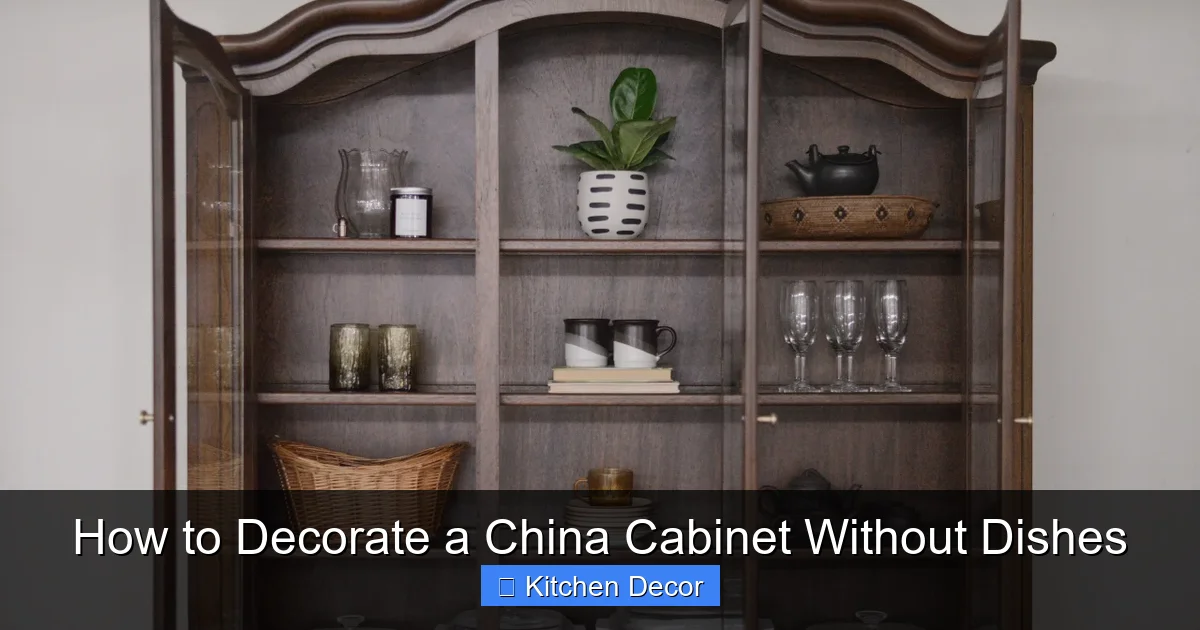
Visual guide about How to Decorate a China Cabinet Without Dishes
Image source: thatislelife.com
Books: The Ultimate Design Tool
Books are arguably the most versatile and impactful items you can use. They add color, height, and intellectual vibe instantly.
- By Color: Create dramatic blocks of color. A shelf of all white spines feels clean and modern. A rainbow gradient is playful and bold. A shelf of deep blue and black spines feels moody and masculine.
- By Size: Use large, heavy art or coffee table books as “bookends” on a shelf. They create a sturdy base. Fill the rest of the shelf with smaller books stacked horizontally or vertically.
- Horizontal Stacks: A neat stack of 3-5 books (varying slightly in width) can act as a pedestal for a small sculpture, vase, or tray. This adds essential height and layers.
- Leather-Bound & Vintage: These add instant texture and a sense of history. Their warm tones complement wood shelves beautifully.
Collections & Hobbies: Showcase Your Passion
This is where your personality shines. Don’t hide your collections in a drawer; celebrate them.
- Vintage Cameras, Keys, or Tools: These metallic objects add industrial charm and great texture. Arrange them by type or size on a small shelf or in a shallow tray.
- Sports Memorabilia: A displayed baseball, signed jersey (on a hanger), or collection of vintage golf clubs can be a powerful focal point.
- Shells, Rocks, or Minerals: Natural collections add organic texture. Display them in a simple glass bowl, on a wooden slab, or scattered artfully on a shelf.
- Figurines & Miniatures: A curated collection of ceramic animals, Star Wars figurines, or dollhouse miniatures can create a whimsical or sophisticated vignette. Group them in odd numbers (3, 5, 7).
Organic & Natural Elements
Bringing the outdoors in adds life, softness, and beautiful imperfection.
- Potted Succulents & Air Plants: Their small size and low light needs make them perfect. Use unique pots—geometric concrete, rustic clay, vintage tea cups.
- Dried Botanicals: Pampas grass, dried palms, bunny tail grass, and preserved eucalyptus add height, texture, and a long-lasting soft element. They’re excellent for the top shelf or back of a deep cabinet.
- Wood Slices & Driftwood: A beautiful, sanded wood slice can be a base for a small collection or a standalone sculptural piece. A piece of gnarled driftwood adds rustic, organic drama.
- Seasonal Branches: In fall, use a few interesting branches with berries. In winter, bare, twisted branches can be stunning. In spring, force a few branches of flowering quince or cherry.
Art & Objects d’Art
Treat your cabinet as a small art gallery.
- Small Paintings & Prints: Lean them against the back wall of the cabinet, propped on a shelf. Use small easels for a more intentional display. Mix frames for an eclectic look or keep them uniform for cohesion.
- Sculptural Ceramics: A single, beautiful, handmade vase or pottery piece (even if it’s not for flowers) can be a stunning objet. Its form and glaze are the art.
- Mirrors: A small, ornate or simple mirror adds depth, reflects light, and makes the cabinet feel larger. Prop it at an angle against the back wall.
- Textiles: A small, framed textile piece, a beautiful silk scarf artfully draped, or a piece of embroidered linen can add incredible softness and color.
Functional Objects as Decor
Look for beautiful everyday items that earn their keep on display.
- Vases & Vessels: Even empty, a collection of vases in varying shapes, heights, and materials (milk glass, terracotta, bronze) is visually compelling. Group them tightly or spread them out.
- Candles & Candleholders: Pillar candles in rustic holders, a cluster of tapered candles in vintage brass, or beautiful unscented wax melts in a glass bowl. (Ensure they are away from fabric and you’re comfortable with them as decorative-only if burning is unsafe).
- Decorative Trays & Bowls: A shallow silver tray holding a few small rocks and a single candle. A woven rattan bowl holding rolled-up vintage maps or postcards.
- Beautiful Kitchenware (Not for Serving): A French coffee pot, a copper sugar bowl, a set of vintage measuring cups. Their form is decorative even if their function is obsolete.
Design Principles for a Cohesive & Stunning Display
Having a pile of cool stuff is great, but arranging it artfully is what makes it look designed, not chaotic. These principles are your secret weapons.
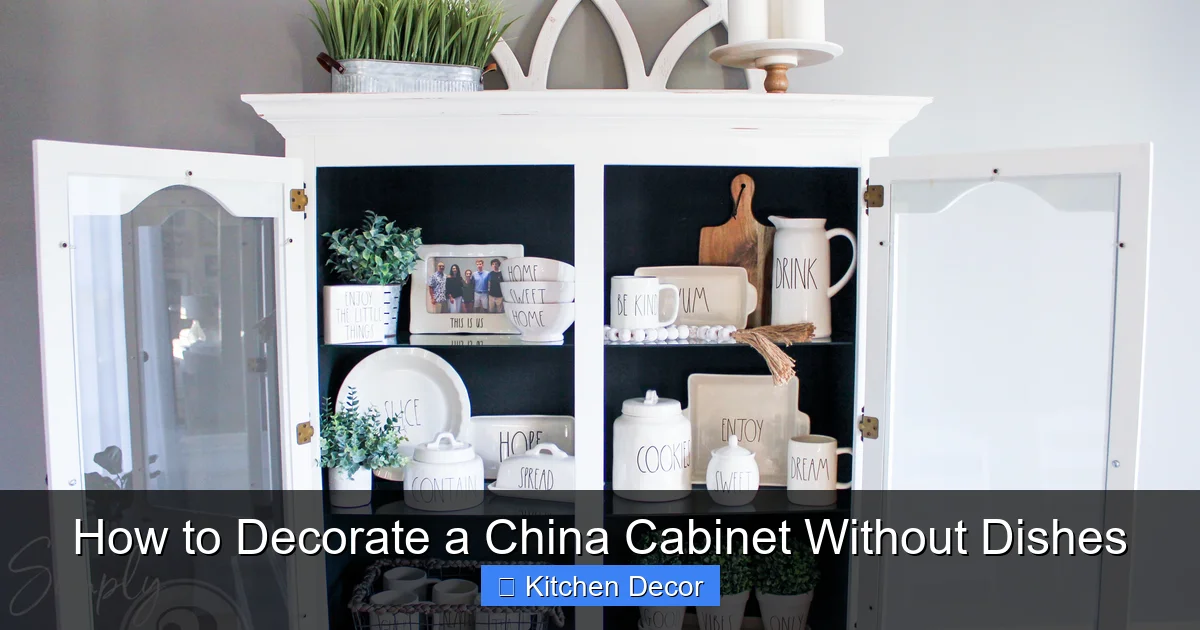
Visual guide about How to Decorate a China Cabinet Without Dishes
Image source: simply2moms.com
The Rule of Three (and Odd Numbers)
Our eyes are drawn to odd numbers, especially three. When grouping objects, aim for clusters of 3, 5, or 7. A trio of vases on a shelf, a group of five crystals in a bowl, a collection of seven old books. This creates a sense of balance and completeness that even numbers sometimes lack. It’s a simple trick with a powerful effect.
Creating Height & Depth with Risers
Never let everything sit flat on the shelf. Use risers—small wooden blocks, vintage books (for smaller items), acrylic display stands, or even turned-over sturdy bowls. Place a small sculpture on a riser so it’s not lost behind a taller vase in front. This “layering” technique ensures every item has its moment and creates a more dynamic, three-dimensional look. It’s like staging a play; you want the audience to see all the actors.
The Importance of Negative Space
The space between objects is just as important as the objects themselves. This is called “negative space,” and it’s what prevents a display from looking cluttered. If a shelf feels too full, remove one or two items. Let your eye rest. A single, beautiful, well-lit object on an otherwise empty shelf can be incredibly powerful. Remember, you’re curating a museum exhibit, not packing a moving truck.
Establishing a Color Story
While a rainbow can work, most sophisticated displays have a limited, harmonious color palette. Look at the items you’ve selected. Do they share a common thread? Maybe they’re all in the earth tone family (terracotta, olive, cream, brown). Maybe they’re all cool tones (blue, green, gray, white). Or perhaps you’re using a bold accent color (like mustard yellow or rust) against a neutral background of wood, black, and white. Pull one or two colors from your room’s existing palette to make the cabinet feel connected to the space.
Mixing Textures for Tactile Richness
Smooth glass next to rough wood. Soft, fuzzy moss next to cold, hard metal. Glossy ceramic next to matte stone. This contrast is what makes a display feel rich and interesting to look at. Intentionally pair items with opposing textures. A smooth, white ceramic vase looks stunning when placed on a rough-hewn wood slice. A shiny, brass candlestick looks great next to a nubby, woven textile.
Styling by Cabinet Style & Room Location
Not all china cabinets are created equal, and where you place it changes the game. Let’s adapt our ideas.
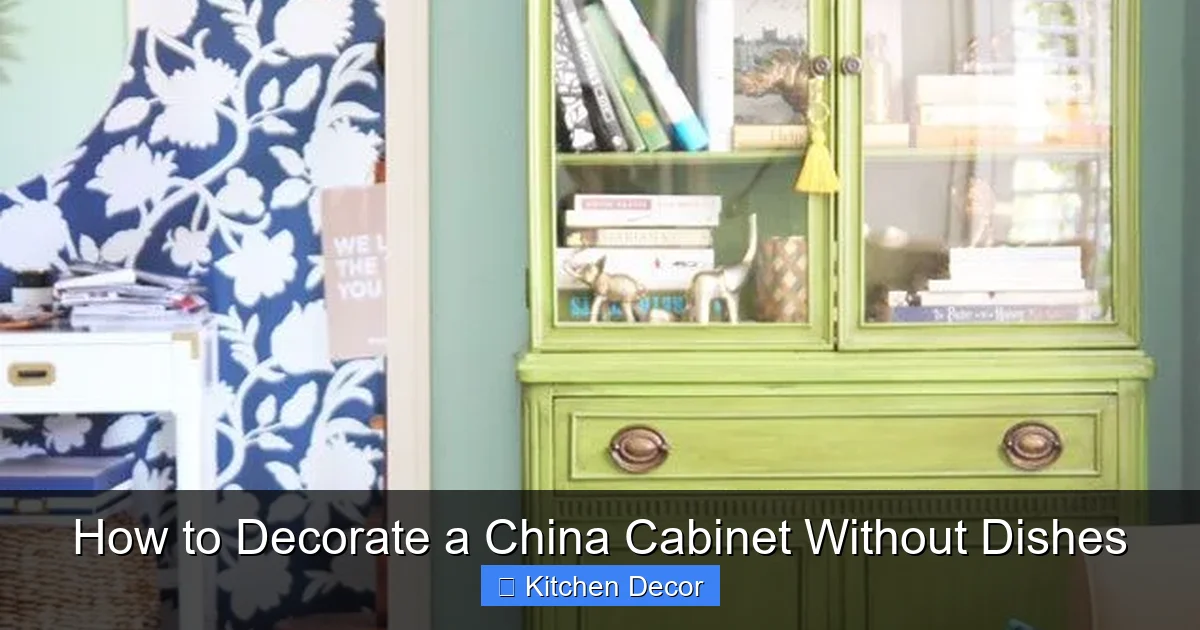
Visual guide about How to Decorate a China Cabinet Without Dishes
Image source: cdn.homedit.com
Traditional Oak or Cherry Cabinet with Glass Doors
This is a classic. The wood is warm and formal. To play with it:
- Embrace the Traditional: Use it to display a collection of beautiful, non-matching porcelain, crystal glassware, or silver trophies. The formal cabinet elevates even simple objects.
- Contrast with Rustic: Juxtapose the formal wood with very rustic elements: unfinished wood slices, ironmongery, raw stones, and dried grasses. The contrast is striking.
- Go Monochrome: For a modern twist, use only items in one color (all white, all black, all natural wood tones). The traditional cabinet becomes a sleek, minimalist frame.
- Lighting Tip: If it has interior lights, USE THEM. They’re designed to highlight. Turn them on! They add instant glamour and focus.
Modern, Open Shelving or Ladder-Style Cabinet
These are more forgiving and casual. The lack of full enclosure means it’s part of the wallscape.
- Keep it Airy: With open shelves, negative space is even more critical. Don’t crowd every slat. Leave some completely empty.
- Use the Structure: Style around the vertical and horizontal lines of the shelves. Align some objects to the left, some to the right, some centered. Play with the grid.
- Incorporate Larger Art: Lean a large framed print or canvas against the back, spanning two shelves. Use smaller objects in front of it.
- Material Mix: This style pairs perfectly with mixed materials: metal shelves with wood accents, glass objects, and plenty of greenery.
Cabinet in the Dining Room vs. Living Room vs. Entryway
Dining Room: You *can* still have a subtle nod to dining. Display a beautiful wooden salad bowl, a set of unique cloth napkins folded in a glass, a stunning set of salt and pepper shakers, or a collection of wine bottles (empty, with interesting labels). Keep it sophisticated and avoid anything that looks like it’s waiting to be used for a formal meal.
Living Room: This is the perfect spot for books, art, collectibles, and plants. It should feel like an extension of your seating area’s style. Use your favorite novels, family photos in small frames, and mementos from vacations. It’s a deeply personal space.
Entryway/Foyer: Make a great first impression. Use it for a dramatic vignette: a large, beautiful mirror, a tray for keys, a small sculpture, and a potted plant. It should feel welcoming and curated, not cluttered. Consider a single, bold statement piece on each shelf.
Step-by-Step: The Styling Process
Ready to execute? Follow this foolproof method.
- Empty It Completely. Take everything out. Clean the shelves thoroughly. This is your blank canvas.
- Gather Your Candidates. Collect all the items from around the house you *might* want to display. Don’t limit yourself yet. Get books, plants, bowls, collections, art.
- Edit Ruthlessly. Look at your pile. What tells the best story? What has the best color, form, and texture? Put back anything that feels “meh.” You want a “hell yes” collection.
- Create a Foundation. Start with your largest, heaviest, or most foundational items. This might be a large book, a big piece of art leaning against the back, or a substantial vase. Place these first, considering balance (don’t put all heavy items on one side).
- Build Layers with Risers. Now, add your risers and your next layer of medium-sized items. Create height differences. A stack of books (riser) with a small box on top (another riser) holding a tiny figurine.
- Add the Finishing Touches. This is for your smallest, most delicate items: a single crystal, a tiny dried flower, a beautiful paperweight. Scatter them sparingly. This is also when you add organic elements—tuck a sprig of dried grass into a vase or place a small succulent in a corner.
- Step Back and Assess. Look from all angles. Is there a good mix of heights? Is there negative space? Does the color feel harmonious? Is anything hidden? Tweak, remove, swap. This is the most important step.
- Light It Up. Turn on the cabinet lights. If it doesn’t have them and you’re serious about the display, consider adding a small, battery-operated puck light or a tiny strip of LED tape hidden at the top back. It makes a world of difference.
Maintenance & Evolution: Keeping It Fresh
A styled cabinet isn’t a set-it-and-forget-it project. It’s a living part of your décor.
Dusting with Care
With more objects comes more dust. Use a soft, dry microfiber cloth for shelves and objects. A small, soft paintbrush (like a makeup brush) is perfect for dusting intricate carvings, book pages, and small nooks without knocking things over. For glass doors, use a standard glass cleaner. Do this weekly or bi-weekly to keep it looking pristine.
The Seasonal Swap
Dedicate one shelf or one side of the cabinet to seasonal rotation. In spring, swap out your dark wood elements for lighter, brighter items, add a few budding branches, and use lighter-colored textiles. In fall, bring in deeper tones, more dried wheat or pods, and maybe a small pumpkin (real or ceramic). In winter, go for metallics, whites, and cozy textures like wool or felt. This keeps the cabinet feeling current and connected to your home’s rhythm.
When to Edit & Refresh
If a shelf starts to feel cluttered or you’ve lost the “love” for an item, it’s time to edit. Maybe a collection has grown too large—rotate pieces out. Maybe a color story has changed in your room—adjust the cabinet’s palette. The goal is for it to always feel intentional. Don’t be afraid to remove everything and start over if it feels stale. A completely fresh arrangement can be invigorating for the whole room.
Conclusion: Your Cabinet, Your Story
Decorating a china cabinet without dishes is more than an interior design trick; it’s an act of personal curation. It transforms a forgotten storage unit into the soul of your room, a place that tells visitors, “This is who I am. These are the things that make my heart sing.” You have all the tools you need: a treasure trove of objects from your own life and a set of simple, powerful principles—balance, height, color, texture, and space.
So open those doors, clear the shelves, and start playing. There are no rules, only guidelines. If a stack of books and a potted cactus make you happy, that’s perfect. If a single, stunning piece of pottery on an empty shelf speaks to you, that’s perfect. The goal is a display that feels authentically, undeniably you. Your china cabinet is waiting to stop being a closet for dishes and start being a showcase for your life. Now go make it beautiful.
Frequently Asked Questions
Will decorating without dishes look “wrong” in a traditional china cabinet?
Not at all! A traditional cabinet provides a beautiful, formal frame that can elevate all kinds of objects—from rustic wood to modern art. The contrast between a classic cabinet shape and unexpected contents is often what makes the display so stylish and personal.
How do I avoid making it look cluttered?
Clutter is the enemy of curated style. Fight it by using the principle of negative space—leave some shelves or parts of shelves intentionally empty. Also, stick to a limited color palette (2-3 main colors plus neutrals) and group items in odd numbers (3, 5, 7). Step back frequently to assess the overall balance.
What if I don’t have enough “decor” items to fill it?
You don’t need to fill every inch! Empty space is a design tool. Focus on creating strong vignettes on 2-3 shelves and leave the others bare or with a single statement piece. You can also use large books or a piece of art leaned against the back to occupy vertical space without needing dozens of objects.
Can I mix my *actual* china with other things?
Absolutely! This is a great way to keep your heirlooms on display without the pressure of a full set. Use a few special plates as backdrops (leaning against the wall), mix a single teacup with a stack of books, or place a small vase from the set on a shelf with unrelated items. It creates an eclectic, lived-in feel.
What’s the best way to add height to my displays?
Always use risers! Small wooden blocks, stacks of thick books, vintage tins, or acrylic display stands are perfect. Place a small object on a riser so it’s visible over a taller item in front. Also, use tall, skinny items like a single dried branch, a tall slender vase, or a stack of books placed vertically.
How do I choose a theme or color scheme?
Look at what you already have and love. Do you collect blue glass? Do you love natural wood and green? Start there. You can also pull a color from your room’s rug, pillows, or artwork and use it as your accent color in the cabinet. A simple, foolproof theme is “neutral tones with one pop of color” (e.g., all white, cream, wood + one vase in mustard yellow).