Cooking with ceramic pans is simple, healthy, and budget‑friendly. Follow our step‑by‑step guide to master heat control, seasoning, and cleaning for flawless meals.
Key Takeaways
- Choose the right pan: Size, thickness, and coating quality affect performance.
- Preheat gently: Ceramic needs moderate heat to prevent warping and maintain non‑stick.
- Use proper oils: High‑smoke‑point oils protect the surface and add flavor.
- Avoid metal tools: Silicone or wood preserves the ceramic coating.
- Clean with care: Hand‑wash with soft sponges; avoid abrasive cleaners.
- Store correctly: Separate pans with liners to prevent scratches.
- Know the limits: Ceramic isn’t oven‑proof at extreme temps; check manufacturer specs.
📑 Table of Contents
- Introduction: Why Ceramic Pans Deserve a Spot in Your Kitchen
- 1. Picking the Perfect Ceramic Pan
- 2. Mastering Heat: Pre‑Heating, Cooking, and Temperature Control
- 3. Choosing the Right Fats and Oils
- 4. Cooking Techniques That Shine with Ceramic
- 5. Cleaning, Maintenance, and Longevity
- 6. Troubleshooting Common Issues
- Conclusion: Your New Ceramic Cooking Companion
Introduction: Why Ceramic Pans Deserve a Spot in Your Kitchen
Imagine a pan that releases food without sticking, requires little oil, and is easy to clean. That’s the promise of ceramic cookware. Over the past decade, ceramic‑coated pans have moved from niche health stores to mainstream supermarkets, and for good reason. They combine the durability of metal with a non‑stick surface that’s free from PTFE and PFOA—chemicals often found in traditional non‑stick coatings.
But like any tool, a ceramic pan performs best when you understand its quirks. This guide walks you through everything you need to know: from picking the perfect pan, to mastering heat, to cleaning without damaging the coating. By the end, you’ll feel confident whipping up omelets, stir‑fries, and even delicate sauces—all while extending the life of your cookware.
1. Picking the Perfect Ceramic Pan
Material and Construction
Not all ceramic pans are created equal. The base is usually aluminum or stainless steel, providing even heat distribution. A thicker base (at least 3 mm) reduces hot spots and prevents warping. Look for a pan with a “hard‑anodized” aluminum core if you plan to use it on induction.
Visual guide about How to Cook with Ceramic Pans
Image source: worldofpans.com
Coating Quality
The ceramic coating is essentially a layer of silica‑based glass fused to the metal. Higher‑grade coatings are smoother and more durable. Brands often rate their coating on a scale of 1‑5; aim for 4 or above. A reputable brand will also list the coating’s warranty—usually 2‑5 years.
Size and Shape
Choose a size that matches your cooking habits. A 10‑inch skillet is ideal for everyday meals, while a 12‑inch pan works well for family‑style dishes. For sauces and sautéed veggies, a shallow sauté pan (2‑3 inches deep) offers better evaporation.
Handle Comfort
Heat‑resistant, ergonomic handles make a big difference. Stainless steel handles stay cool, but silicone‑wrapped handles are more comfortable for longer cooking sessions.
2. Mastering Heat: Pre‑Heating, Cooking, and Temperature Control
Why Ceramic Needs Gentle Heat
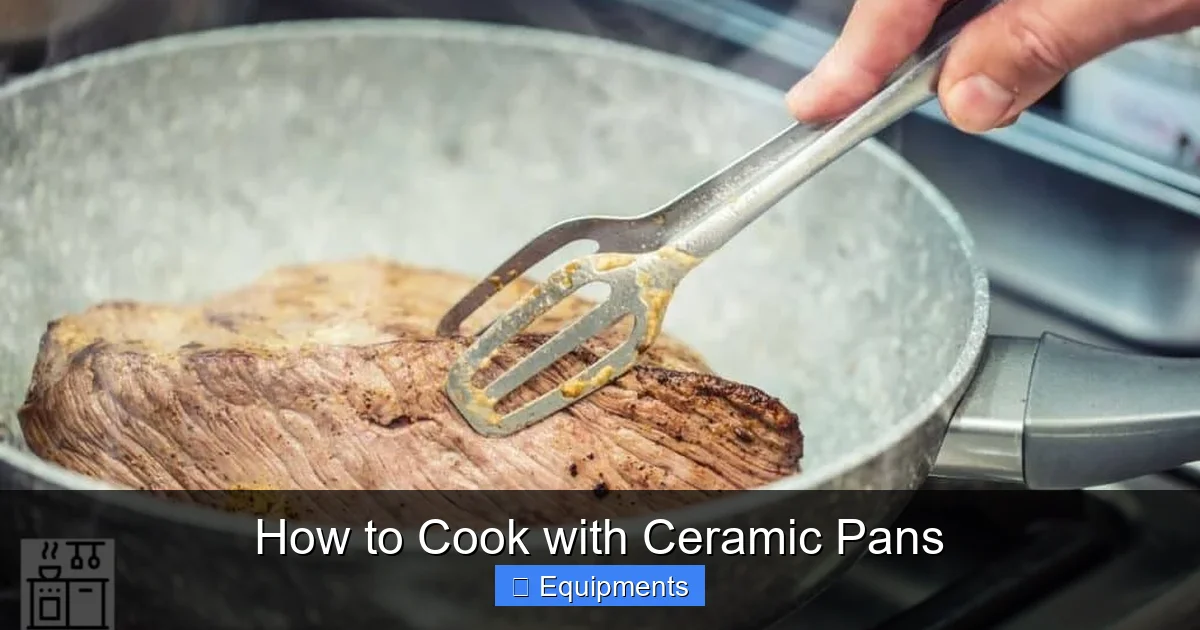
Ceramic coatings excel at low to medium temperatures. Cranking the burner to high can cause the coating to degrade faster and may lead to uneven cooking. Think of your ceramic pan as a friend who prefers a warm conversation, not a scorching debate.
Visual guide about How to Cook with Ceramic Pans
Image source: kitchencuddle.com
Step‑by‑Step Pre‑Heating
- Step 1: Place the pan on a burner set to low or medium‑low.
- Step 2: Let it warm for 1‑2 minutes. You’ll notice a faint shimmer—this is the sweet spot.
- Step 3: Add a thin layer of oil (see next section) and let it heat for another 30 seconds.
If you’re cooking something that requires a quick sear, increase to medium for a brief moment, but never exceed 350°F (177°C) unless the manufacturer explicitly states the pan is oven‑safe at higher temps.
Temperature Tips for Common Dishes
- Eggs & Pancakes: Low heat (250‑300°F). This prevents sticking and yields fluffy results.
- Stir‑Fry: Medium‑high (350‑375°F). Add ingredients gradually to avoid crowding.
- Searing Meat: Start medium, then finish on high for 1‑2 minutes per side.
3. Choosing the Right Fats and Oils
High‑Smoke‑Point Oils Are Your Best Friends
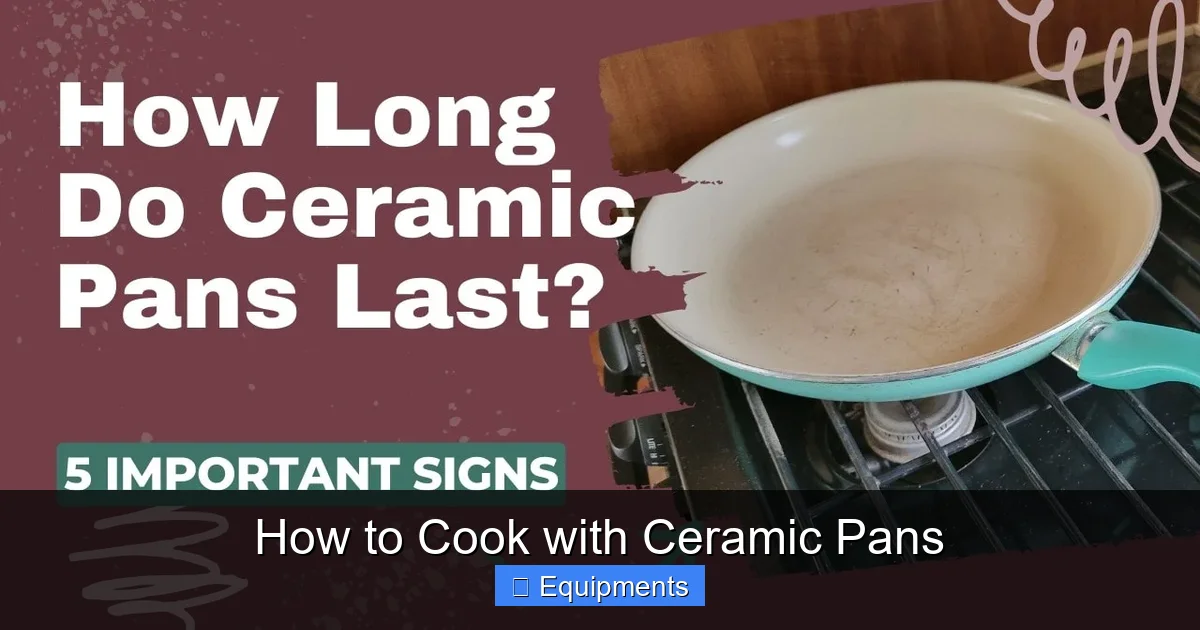
Because ceramic pans already provide a non‑stick surface, you don’t need a lot of oil. However, using an oil with a high smoke point (e.g., avocado oil, refined coconut oil, grapeseed oil) protects the coating from thermal stress.
Visual guide about How to Cook with Ceramic Pans
Image source: theskillfulcook.com
How Much Oil Is Enough?
For a 10‑inch skillet, 1‑2 teaspoons of oil is sufficient. Swirl it to coat the entire surface, then wipe away any excess with a paper towel. This thin film creates a barrier that enhances the natural non‑stick properties.
Flavor Boosters
If you love buttery flavor, melt a small pat of butter after the oil has heated. The butter will brown quickly, adding richness without compromising the coating.
4. Cooking Techniques That Shine with Ceramic
Eggs and Breakfast Foods
Crack your eggs into a pre‑heated, lightly oiled pan. Let them sit for 10‑15 seconds, then gently slide a silicone spatula underneath. The eggs will release effortlessly. For omelets, add fillings after the whites set, fold, and serve.
Stir‑Frying Vegetables
Start with a hot (medium‑high) pan, add a splash of oil, then toss in sliced veggies. Keep the pan moving with a wooden spoon or silicone spatula. The quick, even heat ensures crisp‑tender vegetables without burning.
Searing and Pan‑Roasting
Pat meat dry, season, and place it in a pre‑heated pan. Let it develop a golden crust for 2‑3 minutes before flipping. For a one‑pan dinner, add aromatics (garlic, herbs) and a splash of broth after searing, then cover and finish in a low oven (if the pan is oven‑safe).
Making Sauces and Reductions
After searing, deglaze the pan with wine, broth, or citrus juice. Use a wooden spoon to scrape up the browned bits—these are flavor gold. Reduce to desired thickness, then finish with a knob of butter for shine.
5. Cleaning, Maintenance, and Longevity
The Gentle Clean Routine
Allow the pan to cool completely before washing. Use warm, soapy water and a soft sponge or microfiber cloth. Avoid steel wool, scouring pads, or harsh detergents—they can micro‑scratch the ceramic surface.
Removing Stubborn Stains
- Fill the pan with warm water and a few drops of dish soap.
- Bring to a gentle simmer for 5 minutes.
- Let cool, then wipe with a non‑abrasive sponge.
For baked‑on residue, a paste of baking soda and water works wonders. Apply, let sit 10 minutes, then rinse.
Seasoning (Optional)
Unlike cast iron, ceramic doesn’t require seasoning. However, a light “re‑oil” after each wash can help maintain its slickness. Simply rub a thin layer of neutral oil (e.g., grapeseed) onto the surface and wipe off excess.
Storage Tips
Stack pans with a paper towel or silicone liner between them. This prevents scratches from metal utensils or other pans.
6. Troubleshooting Common Issues
Food Still Sticks
Most sticking occurs from insufficient pre‑heat or using too little oil. Re‑heat the pan for an extra minute and add a touch more oil before cooking.
Discoloration or Staining
High heat can cause a slight yellowing. Lower the temperature next time and clean with the baking‑soda method described above.
Coating Peeling or Flaking
If the coating begins to chip, stop using metal tools and abrasive cleaners. Contact the manufacturer if the pan is still under warranty.
Conclusion: Your New Ceramic Cooking Companion
Cooking with ceramic pans is all about respect—respect for the pan’s temperature limits, the oils you use, and the gentle cleaning methods that keep the surface pristine. When you follow these simple guidelines, you’ll enjoy healthier meals, less cleanup, and a pan that lasts for years. So heat that skillet, add a splash of oil, and let the effortless non‑stick magic begin. Happy cooking!
Frequently Asked Questions
Can I use a ceramic pan on an induction cooktop?
Yes, if the pan has a magnetic stainless‑steel base or an induction‑compatible layer. Check the bottom for the induction symbol.
What is the highest temperature a ceramic pan can handle?
Most ceramic coatings are safe up to 450°F (232°C). Always refer to the manufacturer’s specifications before exceeding this limit.
Is it okay to put a ceramic pan in the dishwasher?
While many brands claim dishwasher safety, hand‑washing with a soft sponge extends the life of the coating. If you must use a dishwasher, place the pan on the top rack and avoid harsh detergents.
Can I use metal utensils with ceramic pans?
It’s best to avoid metal tools. They can scratch or chip the coating. Opt for silicone, wood, or nylon utensils instead.
How do I know when my ceramic pan needs to be replaced?
If you notice persistent sticking despite proper heating, visible cracks, or large areas of coating loss, it’s time to retire the pan and invest in a new one.
Can I bake with a ceramic skillet?
Many ceramic pans are oven‑safe up to 350‑400°F (177‑204°C). Verify the oven‑safe temperature on the product label before using it for baking.

Pingback: How to Cook a Smithfield Spiral Ham - kitchenandhouseware.com
Pingback: Meatloaf with Onion Soup Mix - kitchenandhouseware.com
Pingback: How to Cook Kale Greens - kitchenandhouseware.com
Pingback: How to Cook Snap Peas - kitchenandhouseware.com
Pingback: Foods to Eat with No Electricity - kitchenandhouseware.com
Pingback: How Do I Cook Lamb - kitchenandhouseware.com
Pingback: How to Cook Gnocci - kitchenandhouseware.com
Pingback: How to Cook Minute Steaks Tender - kitchenandhouseware.com
Pingback: How to Cook Fresh String Beans - kitchenandhouseware.com
Pingback: Lasagna Cook Time - kitchenandhouseware.com
Pingback: How to Cook Fennel Bulb - kitchenandhouseware.com
Pingback: How to Cook Garlic - kitchenandhouseware.com
Pingback: How to Cook Italian Sausage - kitchenandhouseware.com