Cleaning stains from your Le Creuset Dutch oven’s interior is simple when you use the right techniques for its durable enamel coating. Always start with the gentlest method—hot soapy water and a non-scratch pad—escalating only as needed for stubborn, burnt-on food or mineral deposits. Never use metal utensils, abrasive cleaners, or steel wool, as they will damage the enamel’s protective surface and void your warranty. With proper care, your heirloom-quality cookware will remain beautiful and functional for generations.
Key Takeaways
- Prevention is paramount: Use proper heat levels and silicone/wooden utensils to minimize stain and burn risk from the start.
- Gentle first, always: Begin cleaning with hot soapy water and a non-scratch sponge; only move to stronger methods for persistent stains.
- Avoid abrasives at all costs: Steel wool, metal pads, and harsh powders like Comet will scratch and dull the enamel permanently.
- Burnt food requires patience: A simmering baking soda and water paste is the safest, most effective first step for carbonized residues.
- Mineral stains are common: White, chalky rings from hard water or overheating are usually removable with a vinegar or lemon juice soak.
- Dishwashers are a last resort: While technically safe for some colors, frequent dishwasher use can dull the enamel and cause exterior damage over time.
- Dry thoroughly to prevent rust: Always towel-dry the interior and rim completely after washing to avoid rust on the exposed cast iron edge.
📑 Table of Contents
Understanding Your Le Creuset: The Enameled Interior
Your Le Creuset Dutch oven is a masterpiece of engineering, a beloved heirloom-in-waiting built to last a lifetime. Its magic lies in the fusion of raw, heat-retaining cast iron with a vibrant, vitreous enamel coating. This isn’t just paint; it’s a glass-like surface fused at extremely high temperatures to the metal base. This enamel is what makes the Dutch oven so versatile—it’s non-reactive (so you can cook acidic tomatoes without metallic taste), inherently non-stick to a degree, and, most importantly, easy to clean when cared for properly.
The key to cleaning stains from the inside of a Le Creuset Dutch oven is understanding that you are cleaning the enamel, not the cast iron. Your goal is to remove the staining or burnt material without compromising that smooth, glossy, non-porous surface. Scratches or pits in the enamel become permanent homes for food and discoloration, making future cleaning harder. This is why the mantra for Le Creuset care is gentle, consistent, and patient. Rushing with a steel wool pad might seem effective, but it creates microscopic damage that will haunt you with stubborn, embedded stains later.
The Nature of Stains: What Are You Dealing With?
Not all stains are created equal, and identifying the type guides your solution. Broadly, interior stains fall into three categories:
- Surface Discoloration/Tannin Stains: These are the faint blue, gray, or brownish rings from cooking wine, coffee, tea, soy sauce, or deeply pigmented foods like turmeric or berries. The enamel hasn’t been damaged; food particles have simply bonded to the microscopic texture of the surface. They are cosmetic and don’t affect performance.
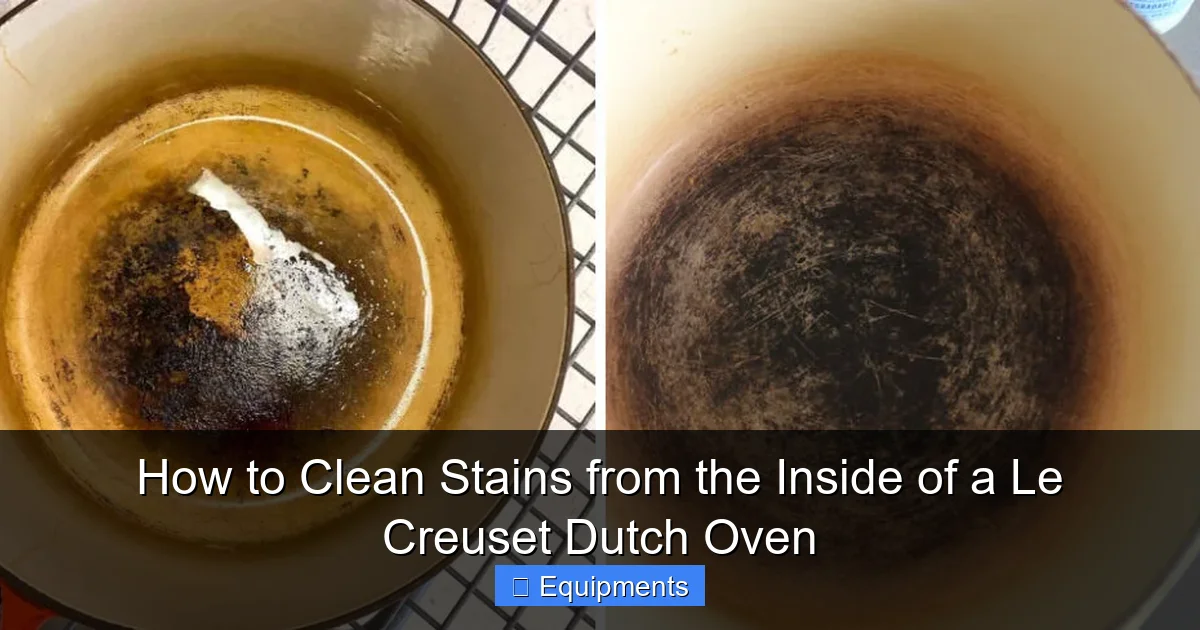
- Burnt-On Carbonized Food: This is the tough, blackened crust from overheating oil, sugar, or starchy foods. This is actual carbon that has fused to the enamel. It requires more effort but is still removable without abrasives if addressed correctly.
- Mineral Deposits (Hard Water Scale): These appear as white, chalky, powdery rings, often around the water line. They are not stains on the enamel but minerals (calcium, lime) left behind when water evaporates. They can also form if the pot is repeatedly heated empty or with very little liquid.
The Golden Rules: What NEVER To Do
Before we dive into solutions, let’s establish the critical “do not” list. Violating these rules is the fastest way to permanently mar your Dutch oven’s interior and potentially void its lifetime warranty.
Visual guide about How to Clean Stains from the Inside of a Le Creuset Dutch Oven
Image source: dutchovenscookware.com
Avoid Abrasive Cleaners and Tools
This is non-negotiable. Do not use steel wool (Brillo pads), metal scrubbers, abrasive powders (Comet, Bar Keepers Friend in powder form), or scouring pads. These will scratch the enamel surface, creating a matte, rough finish that will perpetually trap food and stain. Even “non-scratch” pads can sometimes be too aggressive on older or more delicate enamel finishes; when in doubt, use a soft sponge or cloth.
Steer Clear of Harsh Chemicals
Strong oven cleaners, bleach, or drain cleaners are far too caustic for the enamel. They can etch the glassy surface, causing permanent dullness and weakening it. Stick to mild dish soap, baking soda, vinegar, and specialized cookware cleaners like Le Creuset’s own Enameled Cast Iron Cleaner or Bar Keepers Friend non-abrasive liquid (test on a small area first).
Mind the Temperature Shock
Never pour cold water into a hot Dutch oven. The extreme temperature differential can cause thermal shock, potentially cracking the enamel. Always let the pot cool to warm or room temperature before introducing cold liquids for cleaning.
Don’t Neglect the Rim
The exposed cast iron rim (the “collar”) is not enameled and is prone to rust if not dried properly. When cleaning, pay attention to this area. Wash it gently, rinse thoroughly, and immediately dry it completely with a towel.
Your Daily Defense: The Gentle Cleaning Routine
The absolute best way to handle stains is to prevent them from becoming permanent. After every use, while the pot is still warm (not hot), empty it and rinse with warm water. For most cooking, a quick soak and wash is all it takes.
Visual guide about How to Clean Stains from the Inside of a Le Creuset Dutch Oven
Image source: thekitchenix.com
The Standard Wash: Soap, Water, and a Soft Sponge
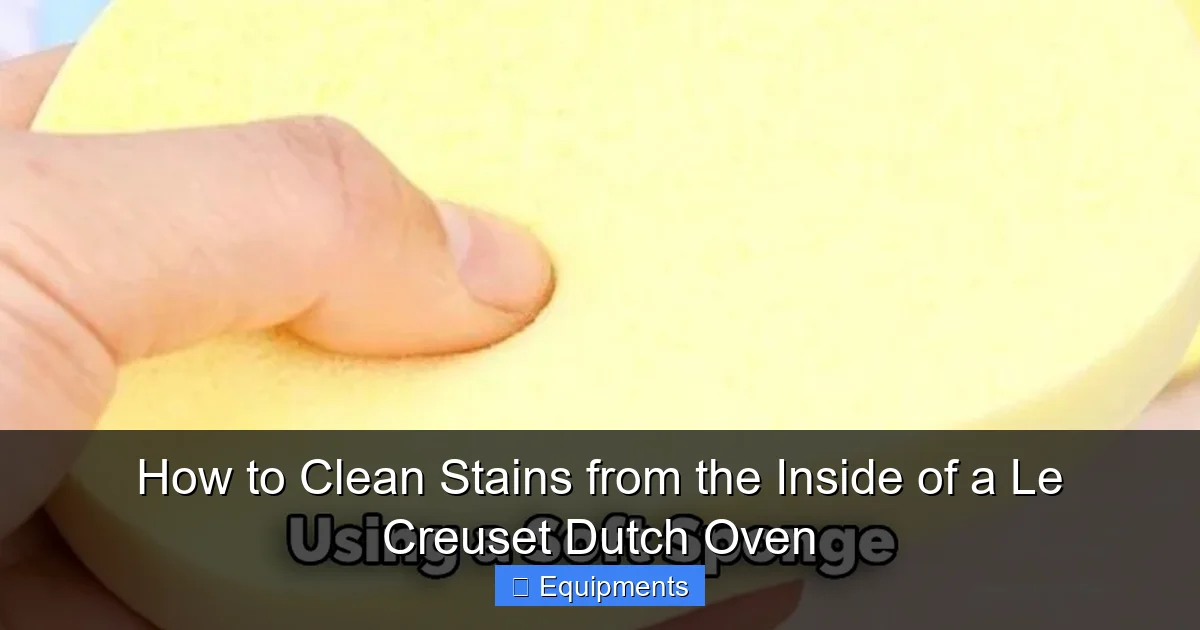
Fill the pot with warm water and add a few drops of mild dish soap (like Dawn or any non-abrasive formula). Let it soak for 10-15 minutes to loosen any residue. Using a soft sponge, a non-scratch scrub pad (like the blue Scotch-Brite™ Non-Scratch pads), or even a soft-bristled brush, gently wash the entire interior surface in circular motions. The enamel’s smoothness should allow food to release easily. Rinse with warm water until all soap is gone. This is your 95% solution. If a stain remains after this step, proceed to the targeted methods below.
Drying: The Critical Final Step
After rinsing, use a clean, dry microfiber towel or dishcloth to thoroughly dry the entire interior, the cooking surface, and especially the unglazed cast iron rim. Place the pot upside down on a drying rack or towel to ensure any residual moisture evaporates. Leaving water to sit on the rim is a guaranteed path to rust.
Tackling Specific Stains: Targeted Methods
When your gentle daily wash isn’t enough, escalate strategically. Always start with the mildest method and work your way up.
Visual guide about How to Clean Stains from the Inside of a Le Creuset Dutch Oven
Image source: thekitchenix.com
For Surface Discoloration & Light Stains: The Baking Soda Paste
Baking soda is a mild, natural abrasive that is perfectly safe for enamel and excellent at lifting light stains and odors.
- Make a thick paste with baking soda and a tiny amount of water (or white vinegar for extra power).
- Apply the paste directly to the stained areas.
- Let it sit for at least 30 minutes, or even overnight for stubborn rings.
- Using a soft sponge or cloth, gently rub the paste in small circles. The grit will help lift the stain without scratching.
- Rinse thoroughly with warm water. Repeat if necessary.
Pro Tip: For a protein-based stain (like from eggs or dairy), add a drop of hydrogen peroxide to your baking soda paste for a mild bleaching, oxidizing effect.
For Burnt-On Food: The Simmering Water Method
This is the safest and most effective first line of attack against carbonized food. The goal is to rehydrate and loosen the burnt layer through prolonged, gentle heat and moisture.
- Fill the Dutch oven with enough warm water to cover the burnt area completely.
- Add 1-2 tablespoons of baking soda to the water and stir.
- Place the pot on the stove over low heat. Do not let it boil vigorously; a gentle simmer is the goal.
- Let it simmer uncovered for 15-30 minutes. You’ll see the burnt bits starting to soften and flake off.
- Turn off the heat and let it cool until it’s safe to handle.
- Gently scrape the loosened residue with a wooden or silicone spatula. The burnt layer should flake away easily.
- Finish by washing with soap and a soft sponge as usual.
If this fails: You can try the same process with a 50/50 mixture of water and white vinegar instead of plain water. The acidity helps break down carbon bonds. Ensure good ventilation.
For Persistent Mineral Deposits: The Vinegar Soak
That white, chalky ring is not on the enamel; it’s sitting on top of it. An acid will dissolve it.
- Fill the pot with a solution of equal parts white distilled vinegar and warm water. The solution should cover the stained area.
- Let it soak for 1-2 hours. For heavy buildup, you can let it soak overnight.
- After soaking, you should see the deposit soften and flake. Gently wipe with a soft cloth or non-scratch pad.
- Rinse extremely thoroughly with clean water to remove all vinegar taste and smell.
- Wash with soap and water as a final step, then dry completely.
Alternative: Rub a cut lemon directly on the mineral deposit, let its juice sit for 30 minutes, then scrub gently and rinse. The citric acid works similarly to vinegar.
When to Use Specialized Cleaners and The Boiling Method
For stains that resist baking soda and vinegar, you may need a dedicated product or a more aggressive (but still safe) thermal technique.
Le Creuset’s Own Enameled Cast Iron Cleaner
This product is designed specifically for their enamel. It’s a cream-based, non-abrasive cleaner. Apply a small amount to a damp soft cloth or sponge, rub onto the stained area in circular motions, let it sit for a few minutes, then rinse very thoroughly. It’s excellent for set-in, dark stains and general restoration of the enamel’s shine.
The “Boiling Water” or “Deglazing” Method
This is a more intense version of the simmering method, useful for very stubborn, dry burnt residue.
- Place the empty Dutch oven on the stove over low heat.
- Once the pot is warm (not hot), carefully pour in 1-2 cups of water. It will sizzle and steam—stand back.
- Add 1-2 tablespoons of baking soda and stir with a wooden spoon.
- Bring the mixture to a gentle boil and let it boil for 5-10 minutes, stirring occasionally.
- Remove from heat, let it cool slightly, then proceed to gently scrape and wash as described in the simmering method.
Caution: This method uses more heat and steam. Ensure your handle is not getting excessively hot (use a potholder) and never leave it unattended.
Long-Term Maintenance: Keeping Stains at Bay
The easiest stain is the one that never forms. Integrating these habits into your cooking routine will save you countless hours of cleaning.
Cook at the Right Temperature
Le Creuset performs best at low to medium heat. The enamel and cast iron retain heat exceptionally well, so high heat is rarely needed and is the primary cause of burning and staining. Always start with low or medium heat and adjust as needed. Never heat an empty pot (or one with very little oil/fat) for more than a minute or two—this is a surefire way to create a burnt-on patch that will stain.
Use Appropriate Utensils
Stick to wood, silicone, or plastic utensils. Metal utensils can scratch the enamel surface, creating grooves where stains love to hide. This is the single most important prevention tip after heat management.
Soak Promptly, But Not Excessively
If food is stuck, a warm soak is your friend. However, avoid letting salty or acidic foods sit in the pot for days, as prolonged exposure can, in rare cases, affect the enamel’s finish. A few hours is fine; overnight is usually okay for neutral foods.
Regular “Deep Clean” Routine
Even with perfect use, some subtle discoloration is normal and adds character. To keep your pot looking its best, give it a monthly “deep clean” using the baking soda paste method or the Le Creuset cleaner. This prevents minor stains from building up into major problems.
Frequently Asked Questions
Can I use Bar Keepers Friend on my Le Creuset?
Yes, but only the liquid or non-abrasive cream version. The powdered form is too abrasive and will scratch enamel. Apply the liquid to a damp soft cloth, rub gently, let sit briefly, then rinse extremely well. Always test on a small, inconspicuous area first.
Is it safe to put my Le Creuset Dutch oven in the dishwasher?
While Le Creuset states their enameled cast iron is dishwasher safe, it is not recommended. The harsh detergents and high heat can gradually dull the vibrant exterior color and damage the lid’s knob (which is often phenolic resin). Hand washing preserves the beauty and longevity of both the interior and exterior for generations.
What’s the best way to remove a rust spot from the rim?
First, gently clean the rusted area with a little baking soda and water on a cloth to remove loose particles. Then, use a paste of baking soda and lemon juice or white vinegar. Apply, let sit for 15 minutes, and gently rub with a soft cloth. Rinse thoroughly and dry the rim immediately and completely with a towel. For severe rust, you may need a dedicated rust remover for cast iron, but use extreme caution to avoid the enamel.
Why does the inside of my Dutch oven look dusty or chalky after washing?
This is almost always residual hard water mineral deposits (calcium carbonate). They are most noticeable on dark-colored interiors. The solution is a thorough rinse after washing and a vinegar soak as described in the mineral deposit section. Ensure you are using a soft cloth to dry the surface, which will also wipe away any remaining mineral film.
Can I use a Magic Eraser on the inside of my Le Creuset?
No. Magic Erasers are made from melamine foam, which is a micro-abrasive. While effective on many surfaces, it is too harsh for enamel and will create fine scratches, permanently damaging the smooth, glossy finish. Stick to non-scratch sponges and dedicated cleaners.
My pot has a permanent-looking dark stain from cooking tomato sauce. Is it ruined?
Almost certainly not! These tannin stains are usually just surface-level and cosmetic. A long soak (several hours or overnight) in a baking soda and water paste, followed by gentle scrubbing, will often remove it completely. If a faint shadow remains, it’s harmless and won’t affect cooking. It’s a badge of honor for a well-used, loved pot.